
The Chilling History of Krampus
From folklore to modern celebrations.
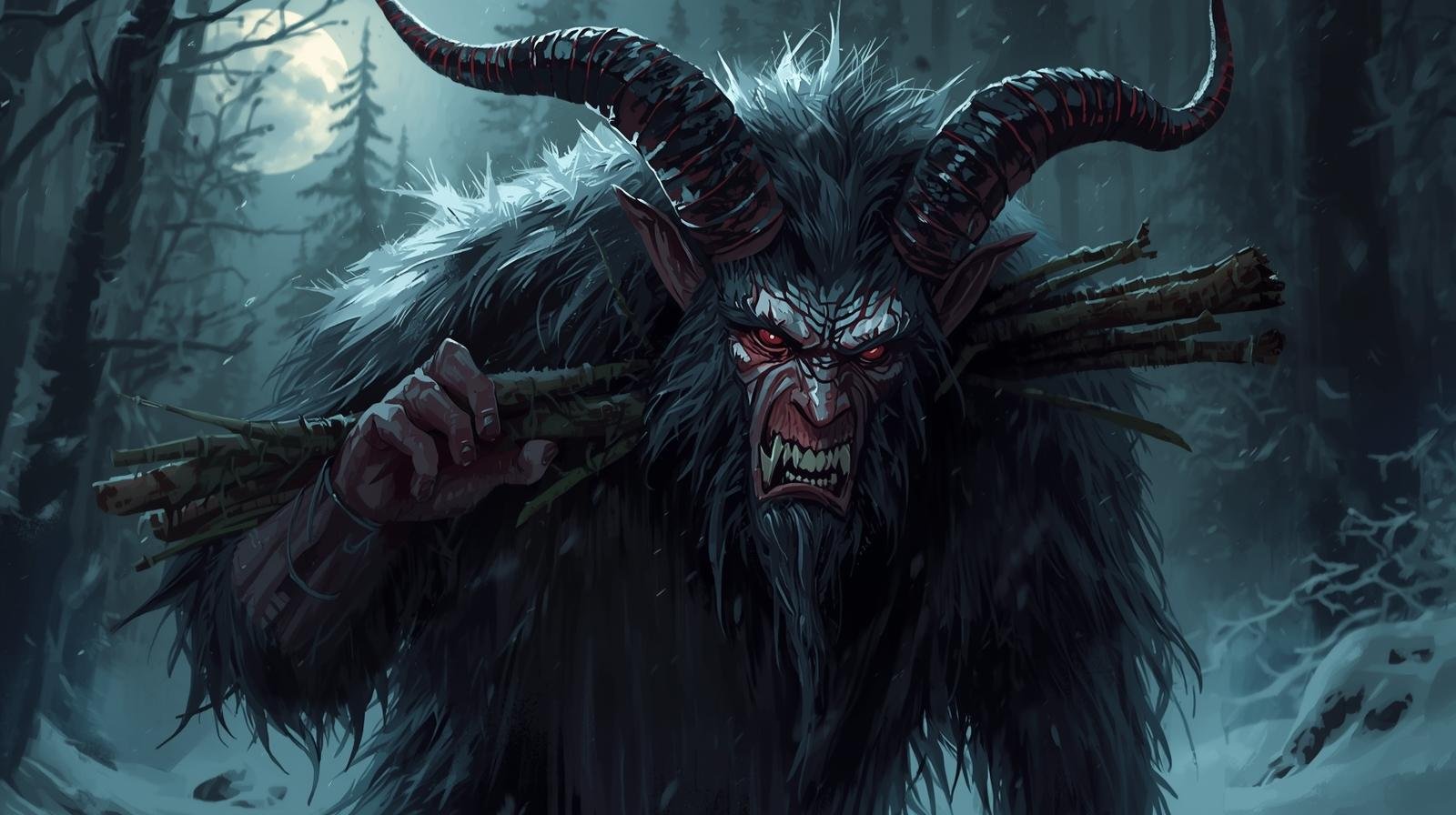
Forget sugar plums and twinkling lights. In many parts of Europe, the Christmas season brings a much darker figure: Krampus. This horned, anthropomorphic creature punishes naughty children, offering a stark contrast to the benevolent St. Nicholas. But where did Krampus come from, and why does this terrifying tradition endure? Let's delve into the fascinating history of Krampus, exploring his pagan origins, cultural significance, and modern-day manifestations.
Pagan Roots and Alpine Folklore
Krampus's origins are shrouded in pre-Christian Alpine traditions. Some believe he is a survival of pagan rituals associated with the winter solstice. These rituals often involved masked figures and boisterous celebrations to ward off evil spirits and ensure a bountiful new year. The name 'Krampus' is derived from the Old High German word 'krampen,' meaning 'claw,' reflecting his fearsome appearance.
Over time, Krampus became integrated into Christian traditions as a companion to St. Nicholas. While St. Nicholas rewarded good children with gifts, Krampus punished the wicked, swatting them with bundles of birch branches (ruten) or stuffing them into his sack to be carried away. This pairing provided a moral balance to the Christmas narrative, emphasizing the consequences of bad behavior.
Cultural Significance and Symbolism
Krampus's cultural significance extends beyond mere punishment. He serves as a reminder of the darker aspects of human nature and the importance of maintaining social order. In communities where Krampus traditions are strong, he represents a connection to the past, a symbol of local identity, and a chance to playfully confront fears.
Krampusnacht (Krampus Night) on December 5th, is a crucial tradition in Krampus folklore. On this night, young men dressed as Krampus roam the streets, playfully terrorizing onlookers with loud noises, bells, and chains.
Warning against misbehavior: Acts as a deterrent.
Balance to St. Nicholas: Evil to good
Connection to the past: Pagan tradition
Community identity: Celebrations and traditions
Krampus in Modern Times
Krampus has experienced a resurgence in popularity in recent years, both in Europe and beyond. This resurgence can be attributed to a number of factors, including a growing interest in alternative holiday traditions, a fascination with the macabre, and the desire for a more complex and nuanced understanding of Christmas.
Today, Krampus is celebrated in various ways:
Krampus Runs (Krampusläufe): Organized events where people dressed as Krampus parade through the streets.
Krampus Markets: Christmas markets featuring Krampus-themed merchandise and performances.
Pop Culture: Krampus has appeared in films, television shows, and video games, further solidifying his place in popular culture.
Art and Literature: Krampus inspires artists and writers, leading to creative interpretations of his character and mythology.
While Krampus may seem like a terrifying figure, his enduring appeal lies in his ability to challenge our conventional notions of the holiday season. He reminds us that darkness and light, fear and joy, are inextricably linked, and that even in the midst of celebration, we must acknowledge the complexities of human experience.
Conclusion
From his ancient pagan roots to his modern-day appearances in pop culture, Krampus remains a captivating and complex figure. He is a reminder of the darker side of the holiday season, a symbol of cultural identity, and a testament to the enduring power of folklore. So, this December, as you hang your stockings and decorate your tree, remember Krampus, the horned beast who reminds us to be good… or else!