
Bonnie & Clyde Hotspots & Hideouts
Welcome back!
Tracing the path of Bonnie and Clyde through Texas is like going on a historical treasure hunt. While many of their rural hideouts were temporary "squatter camps" or farmhouses that have since vanished, several legitimate buildings and landmarks where they hid, lived, or planned their heists are still standing and open to the public today.
Below you will find 10 Bonnie and Clyde sites in Texas you can visit!
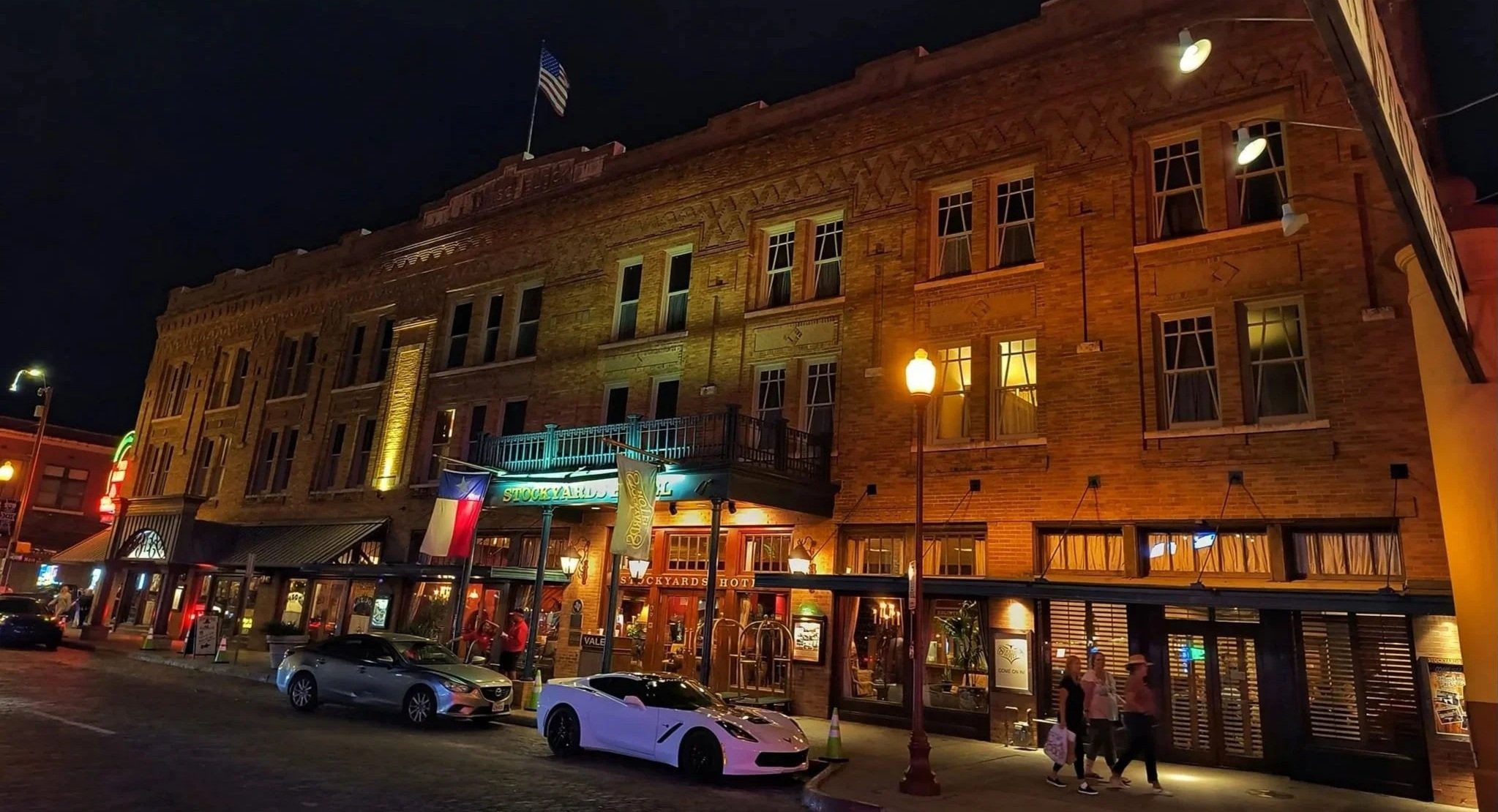
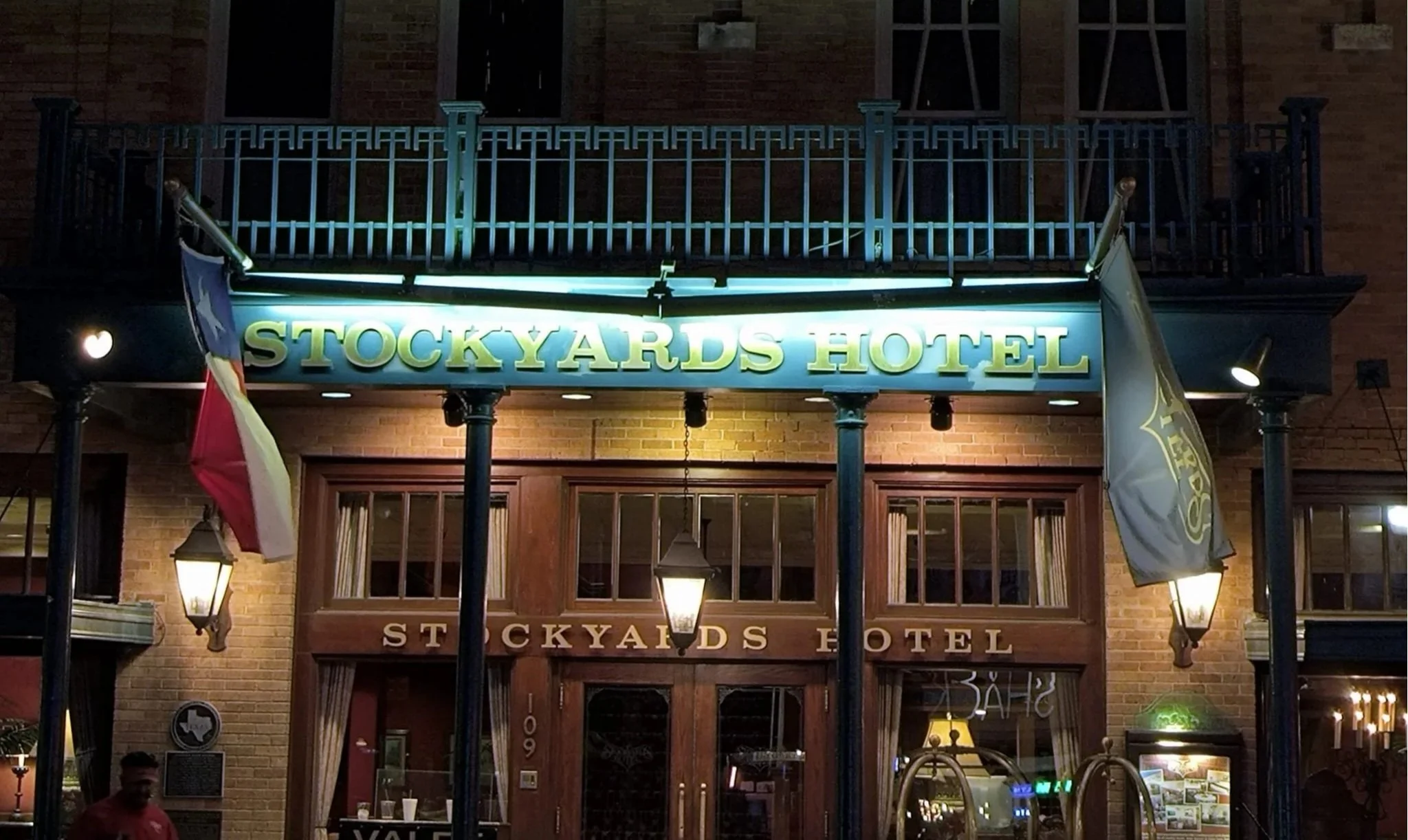
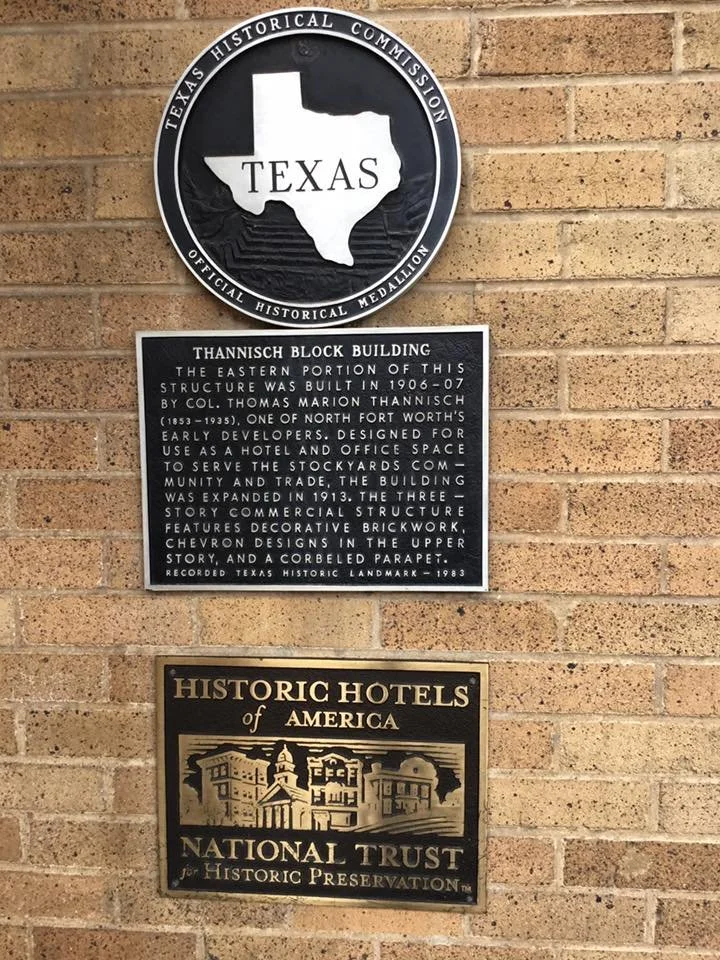
1. Stockyards Hotel (Fort Worth)
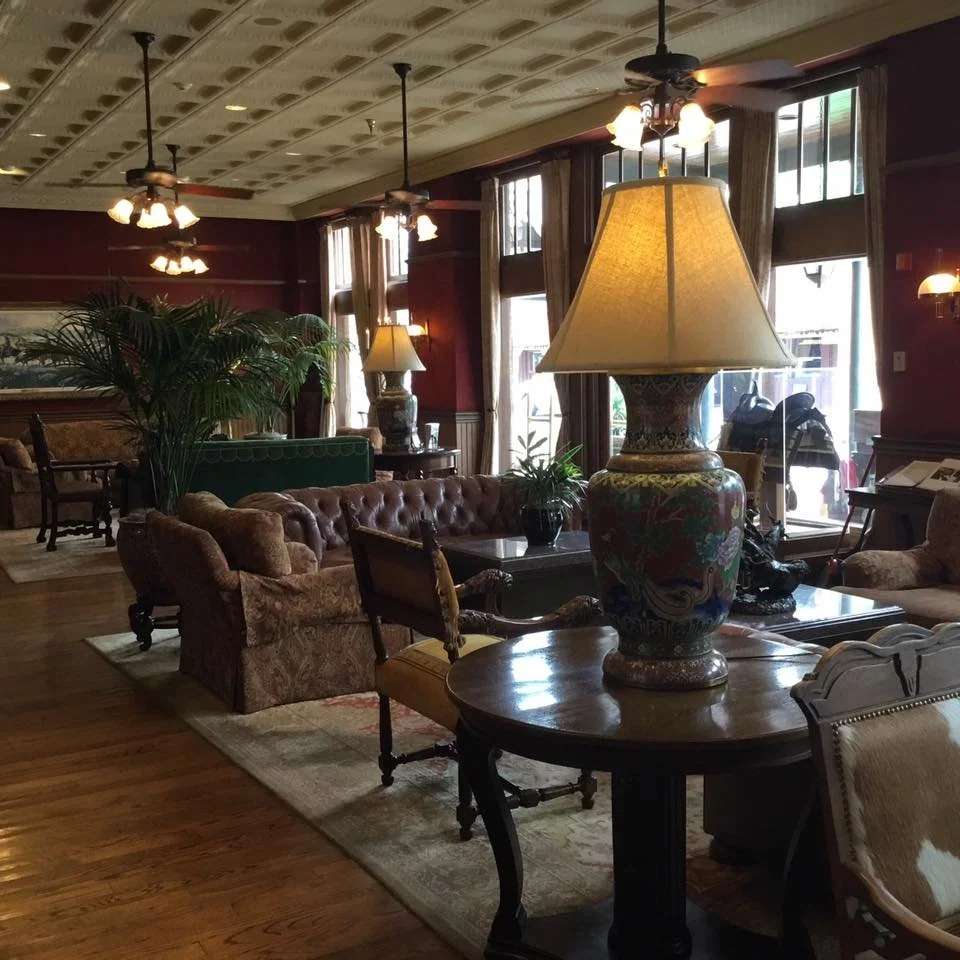
Perhaps the most famous "luxury" hideout, the gang stayed here in 1933. You can actually book Room 305 (the Bonnie and Clyde Suite), which overlooks the intersection where they kept watch for lawmen. The room is decorated with period artifacts, including a poem written by Bonnie.
For travelers and ghost hunters, the hotel is a living artifact: a place where past transgressions still seem to breathe in corners and hang in the air. The Stockyards setting fits the Bonnie and Clyde mythos perfectly — rough, working-class, full of boom-and-bust energy, and threaded with music, grit, and danger.
Guests report cold spots, flickering lights, and the occasional phantom footstep. Whether you believe in ghosts or not, these reports make for excellent late-night storytelling.
The Stockyards Hotel in Fort Worth sits in the heart of the historic Fort Worth Stockyards, a neighborhood built on cattle, cowboy culture, and late-19th/early-20th-century industry. Between the preserved brick streets, nearby livestock pens, and honky-tonks, the hotel’s reputation for hauntings blends local lore, reported sightings, and stories from guests and staff. Here’s a concise guide to the main ghost stories, the locations tied to them, and what visitors commonly report.
Main apparitions and stories
“The Cowboy” — Several guests and employees have reported seeing a male figure in period cowboy attire — hat, boots, sometimes a long coat — wandering the hallways or standing at the foot of beds. Sightings are often described as a full-bodied apparition but sometimes as a shadowy presence. People nearby report the smell of tobacco or leather with these encounters.
“The Chambermaid” — Housekeeping staff and some guests have reported a female figure in old-fashioned maid’s clothing. She’s usually seen moving quickly through corridors or bending over beds as if making them, then vanishing when approached. Reports often include the sensation of being watched while dressing or sudden temperature changes in rooms.
“Soldier/Longshot” — A few witnesses have described a veteran in older military garb, sometimes associated with the hotel’s proximity to Fort Worth’s military history and veterans who’ve passed through the area.
“Cold spots and footsteps” — Many reports center less on specific faces and more on sensations: unexplained cold patches in hallways or rooms, sounds of footsteps in empty corridors, doors opening or closing on their own, and items displaced with no obvious explanation.
“Musical echoes” — Given Fort Worth’s musical heritage, some visitors have reported faint sounds of old-time piano or country music drifting through hallways at odd hours.
Where encounters commonly happen
Hallways and stairwells — Most sightings and sensations are reported in transitional spaces rather than specific guest rooms. Stairwells are often cited for unexplained drafts and movement.
Rooms near the older sections — Guests in rooms that face the Stockyards or are in original/renovated older parts of the building tend to report more unusual experiences.
Lobby and service areas — Staff have told stories of lights flickering, objects moved, and sounds of someone walking in service corridors when no one is there.
What witnesses typically experience
Visual apparitions (brief, sometimes translucent; sometimes solid)
Auditory phenomena (voices, footsteps, music)
Olfactory sensations (smells like tobacco, perfume, or farm smells — leather, hay)
Tactile sensations (sudden chills, the feeling of being touched or watched)
Electrical disturbances (lights flicker, electronics act strangely)
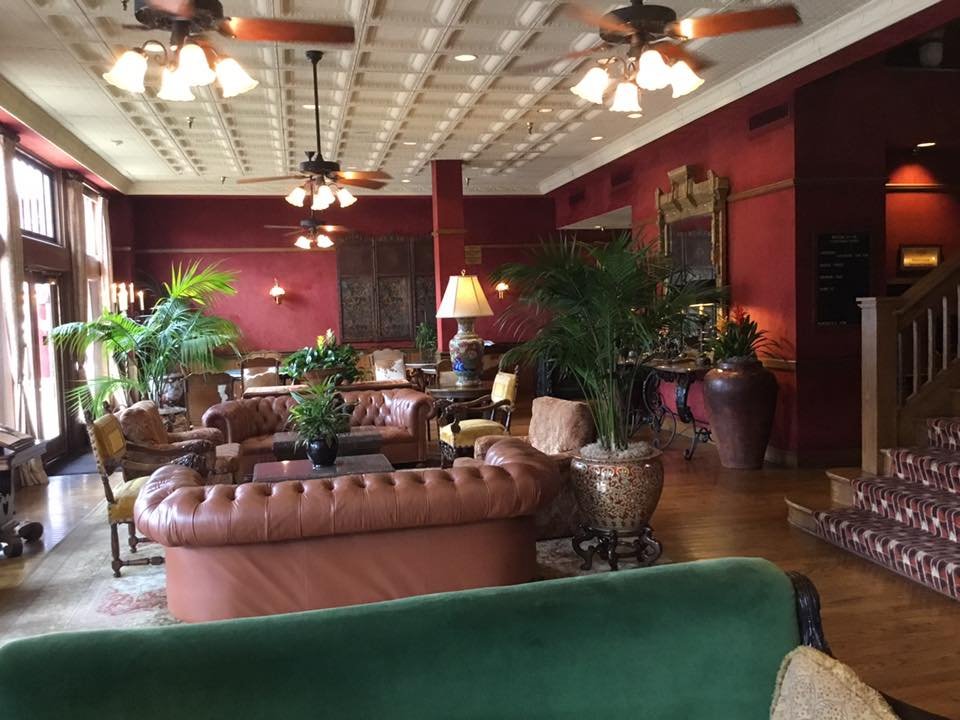
Visiting tips if you want a paranormal experience
Stay in an older-room section and ask staff which rooms have more reported activity.
Walk the Stockyards after dark — ambient sounds and lights heighten the sense of atmosphere.
Bring a logbook to note time, location, and sensory details immediately after any experience.
For group investigation, use controlled listening periods, avoid strong smells/colognes, and respect other guests and staff.
Keep expectations balanced: many guests visit for the vibe of history and cowboy culture, and not everyone will experience something unusual.
Bottom line: The Stockyards Hotel’s hauntings are classic small-city dark tourism fare: evocative characters tied to local history, lots of sensory reports (cold spots, footsteps, smells), and a few striking visual sightings. Whether you interpret them as spirits, memories embedded in place, or great storytelling, the hotel offers a richly atmospheric setting for anyone who enjoys paranormal travel wrapped in cowboy-era Texas charm.
Why the story endures: Bonnie and Clyde’s brief, violent romance and their cinematic deaths made them tabloids’ favorite antiheroes. When you anchor that story to a place like the Stockyards Hotel, the couple stops being just a headline and becomes a human — someone who once laughed at the bar and tucked a pistol under a pillow. That human detail is what draws travelers, ghost hunters, and storytellers back to the same rooms decades later, searching for the heartbeat of history beneath the floorboards.
2. The Dabbs Railroad Hotel (Llano)
This historic 1907 hotel on the Llano River was a favorite stop for the Barrow Gang. Clyde Barrow was reportedly fond of the area because the river and railroad tracks provided multiple escape routes. It still operates as a bed and breakfast today.
Bonnie and Clyde stayed at Dabbs Railroad Hotel — a tiny, timeworn stop that still tastes like cigarette smoke and cheap whiskey, the kind of place movie sets chase but honest history lives in. If you’re into outlaw lore, dark tourism, and the small details that make a story sing, this is a deliciously dirty little footnote in the saga of America’s most notorious couple.
Why it matters
Humanizes the myth: The image of Bonnie and Clyde is larger-than-life — fast cars, bank heists, glamorized danger. Seeing a place they actually used grounds the legend in real, ordinary spaces: train stations, boarding houses, and dusty hotel rooms.
Connects to the era: The Dabbs Railroad Hotel evokes the Depression-era itinerant life that shaped many criminals and travelers then. It’s a snapshot of economic hardship, mobility, and the social fringes they occupied.
Photo ops and atmosphere: The hotel’s wooden porch, creaking stairs, and faded signage make for moody photographs — perfect for storytellers and paranormal-minded travelers who love places that feel haunted by memory.
Tips for dark-travelers
Go during the shoulder season for emptier streets and better photos. Sunsets and blue hour add cinematic grit.
Respect private property. Some historic hotels are still in use; others are fragile. Stick to public areas unless the owner invites you in.
Bring questions, not assumptions. Local memory can challenge the myths you’ve read; that’s part of the thrill.
If you lead a group: balance storytelling with context — discuss the socioeconomic forces of the 1930s, avoid glamorizing violence, and highlight how media shaped their legend.
Quick historical note: Bonnie Parker and Clyde Barrow crisscrossed the central U.S. in the early 1930s. They relied on small inns, boarding houses, and railroad hotels while on the run — places like the Dabbs Railroad Hotel provided short-term refuge and anonymity in a time before mass surveillance and GPS. Specific dates and stays can be murky; much of outlaw history blends documentation with local memory. That ambiguity is part of the draw.
3. The TruCountry Inn (Brady)
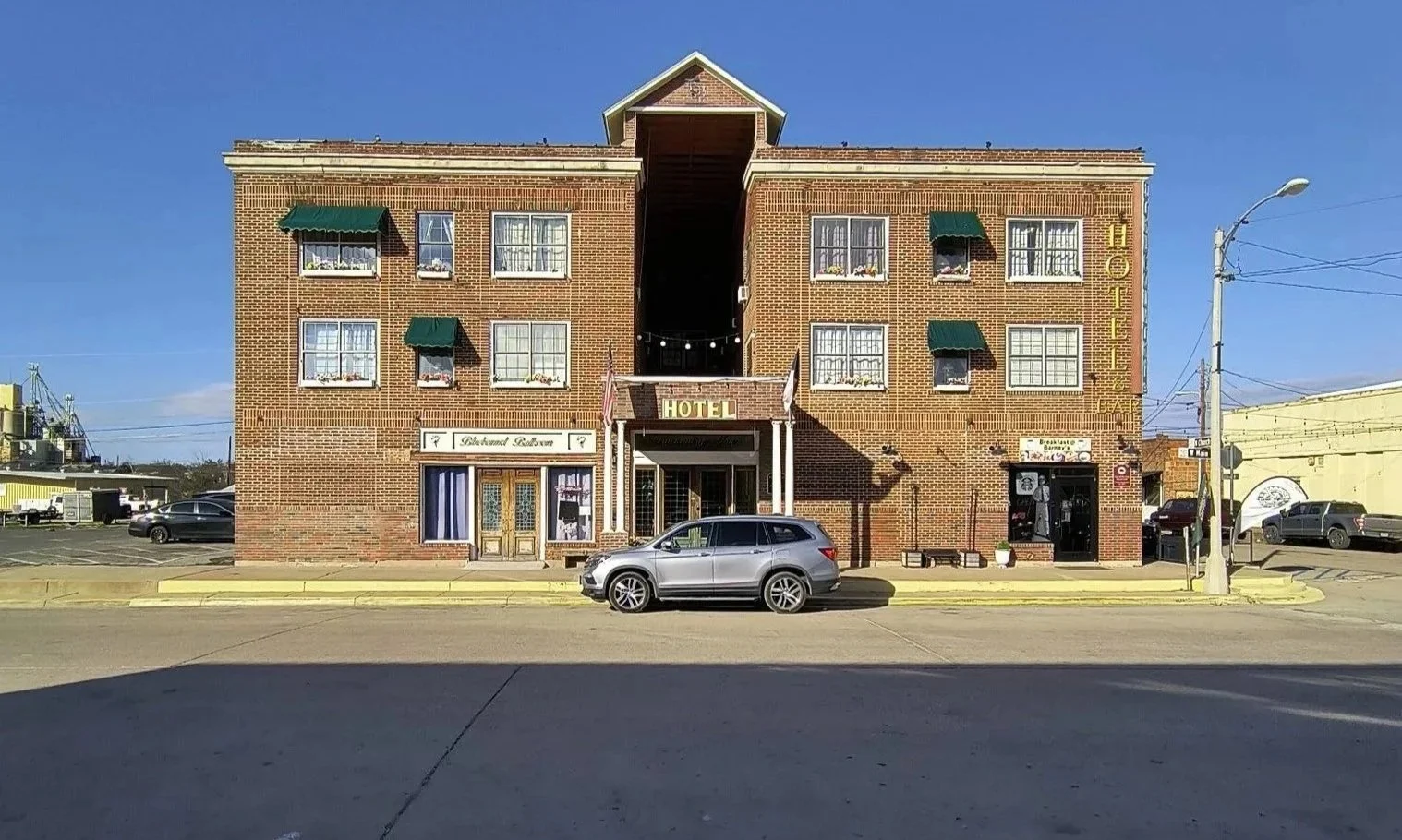
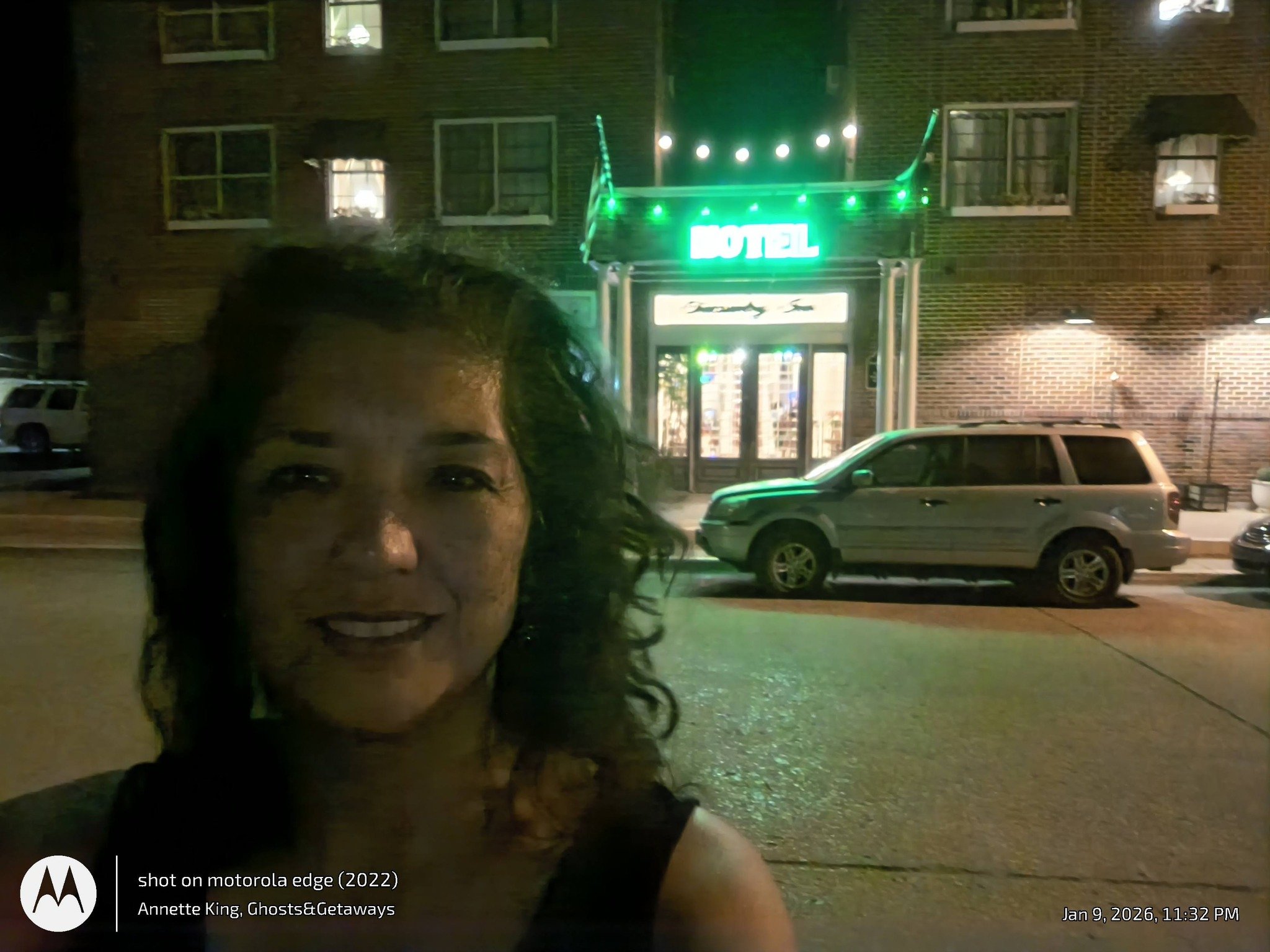
Formerly known as the Hotel Brady, this 1923 hotel has a dedicated "Bonnie and Clyde Room." Legend says they sought refuge here when their car broke down nearby and a local taxi driver—unaware of who they were—dropped them off at the front door.
Bonnie and Clyde stayed at the TruCountry Inn—where the wallpaper remembers gun smoke and the chairs still hold a hint of outlaw swagger. Sleep there if you dare. They say Bonnie and Clyde once checked into the TruCountry Inn—two lovers on the run, weaving charm and danger under the same roof.
Rumor has it Bonnie and Clyde spent a night at the TruCountry Inn, leaving behind a few more stories than receipts. At dusk, the inn’s creaky porches and neon sign feel like a movie set: a perfect backdrop for imagining the couple plotting their next escape or slipping out under the stars. Our TruCountry Inn stop includes a history chat, behind-the-scenes anecdotes, and time to soak in the ambiance—bring comfortable shoes and a healthy sense of curiosity.
Want this adapted for Instagram, a haunted-house-style flyer, or a guided-walking tour script? Tell me which and I’ll tailor it.
Reported Phenomena
Apparitions: Guests and staff have reported seeing fleeting human figures in corridors and near room doors late at night. Descriptions are usually of an older gentleman or a woman in period-style clothing, seen from the corner of the eye and gone when approached.
Cold spots: Sudden localized drops in temperature have been reported in hallways and specific guest rooms, even when the HVAC is running.
Disembodied voices and whispers: Several visitors claim to hear whispers, murmurs, or the sound of someone calling a name from empty rooms or the parking lot.
Unexplained footsteps and knocks: Footsteps in the ceiling or the hallway above occupied rooms, as well as knocks on doors or walls with no visible source, are commonly mentioned.
Objects moved: Guests have left personal items on nightstands only to find them relocated or slightly shifted the next morning.
Electronic anomalies: Cameras and audio recorders sometimes malfunction in specific areas, and some investigators report strange static or EVP (electronic voice phenomenon) captures during overnight stakeouts.
Notable Rooms and Hotspots
Ground-floor rooms near the east stairwell: Multiple accounts point to rooms along the east side of the building where apparitions, cold spots, and footsteps are most frequently reported.
Lobby and vending area: Staff and guests have experienced fleeting sightings and have heard voices late at night after the front desk closes.
Parking lot by the back exit: Several witnesses have reported seeing figures standing near cars or in the dimly lit lot, sometimes vanishing as people get closer.
Investigations and Evidence
Amateur investigations: Local ghost-hunting groups have conducted overnight vigils and collected anecdotal evidence: EVPs, still photos with orbs, and temperature readings showing sudden drops. While intriguing to some, these findings remain inconclusive and contested.
Lack of formal studies: There’s no widely published, peer-reviewed investigation confirming paranormal phenomena at TruCountry Inn. Most evidence is testimonial or from independent paranormal enthusiasts.
Final Take: The TruCountry Inn in Brady, TX, offers a low-key, authentic small-town setting where ordinary motel life mixes with local lore. Reports of apparitions, cold spots, disembodied voices, and electronic anomalies keep the place on the radar for paranormal tourists. While evidence remains anecdotal and explanation often lies in natural causes or expectation bias, the inn provides a fun and spooky stop for travelers exploring the Heart of Texas and its darker stories.
4. The Gardner Hotel & Hostel (El Paso)
The oldest hotel in El Paso, the Gardner was a known low-profile spot for outlaws. While John Dillinger is the most famous guest, historical records and local lore place the Barrow Gang here as they moved toward the border to avoid the Texas Rangers.
What to know
Era: Bonnie and Clyde were active in the early 1930s. Their travels took them across the Southwest, and they occasionally used hotels and rooming houses as temporary hideouts while on the run.
The hotel: The Gardner (sometimes spelled “Gardner Hotel” or known locally under other historic names depending on era and signage) is one of several vintage El Paso buildings tied to Depression-era stories. Period decor, old tile work, and classic lobby architecture make it the kind of place that fits a Bonnie & Clyde backstory.
Evidence: As with many celebrity-criminal legends, documentation is spotty. Local lore, newspaper accounts from the time, police reports, and eyewitness stories often conflict. Some historians accept the claim as plausible; others treat it as part of the folklore that grew up around the pair.
Why it matters to paranormal and dark-travel fans
Atmosphere: Historic hotels hold the sights, sounds, and impressions of their past. Whether or not the couple actually checked in, the Gardner’s period features let you imagine the tension of a pair of fugitives slipping through the lobby at night.
Storytelling: Ghost and outlaw tourism overlap—visitors often want the layered narrative: crime, tragedy, fame, and the human details behind headlines. A stay or a visit lets you connect with that era.
Photo ops and memory-making: Vintage signage, old elevators, and classic hotel nooks make good backgrounds for social posts and group storytelling sessions.
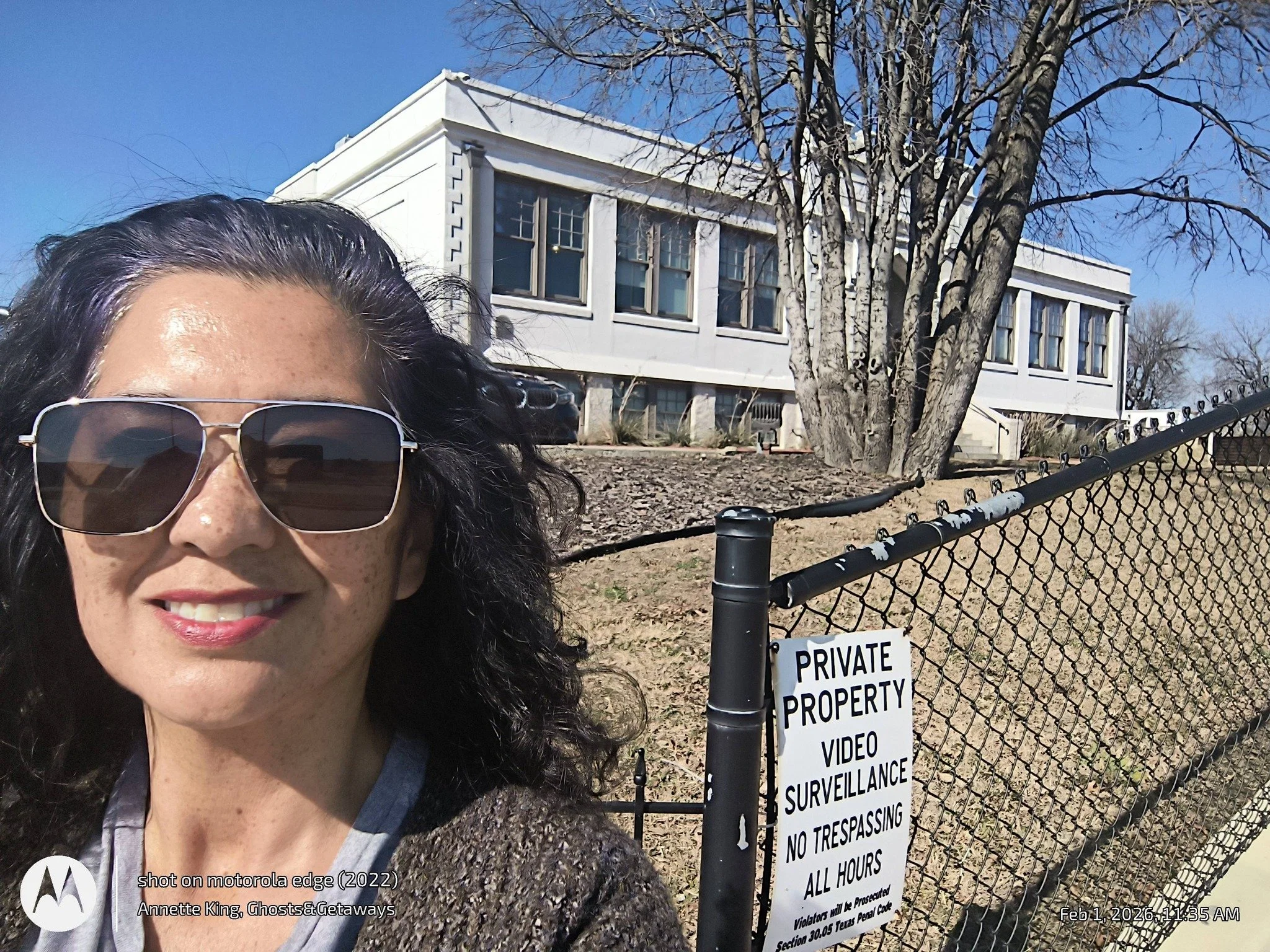
5. Eagle Ford School (Dallas)
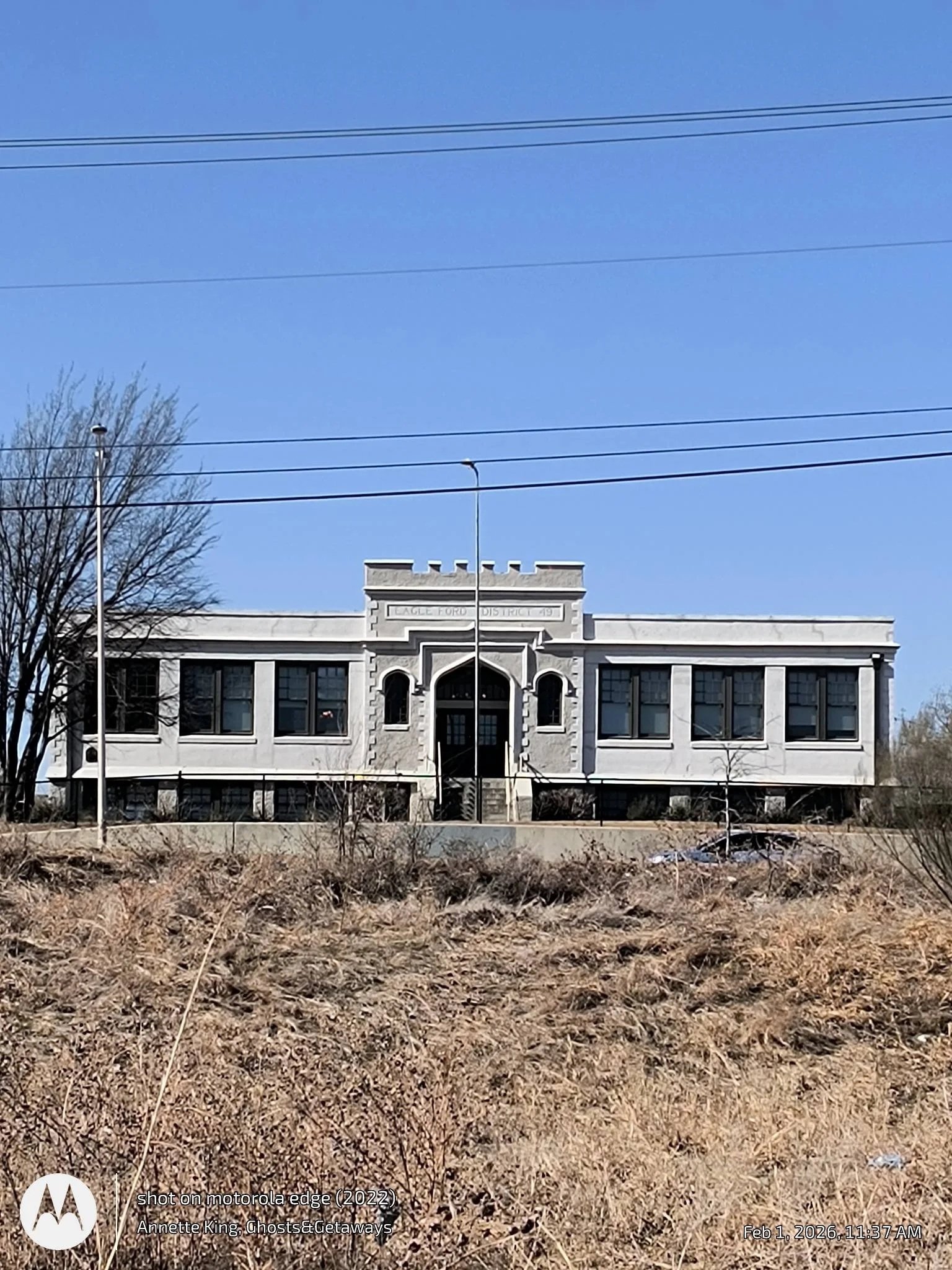
Located at 1601 Chalk Hill Road, this is where Bonnie Parker attended school. While not a "hideout" in the criminal sense, the gang frequently retreated to this West Dallas neighborhood (then an unincorporated "no man's land") to hide among family and friends who wouldn't snitch to the police.
Bonnie Parker attended Eagle Ford School, a small neighborhood school in West Dallas where she spent part of her childhood before becoming notorious as half of the outlaw duo Bonnie and Clyde. Born in 1910 in Rowena, Texas, Bonnie moved with her family to Dallas as a child; the Parker family lived in modest circumstances, and Bonnie attended local schools including Eagle Ford during the 1910s and early 1920s.
Eagle Ford School was one of several elementary schools that served working-class neighborhoods in Dallas at the time. The environment there — combined with Bonnie’s shy, creative personality and early interest in poetry and performance — contrasted sharply with the violent, outlaw life she later led alongside Clyde Barrow. Historical records and biographies note that Bonnie was an average student who enjoyed writing and acting in school plays; these formative experiences at schools like Eagle Ford helped shape the young woman whose image would become legendary in American crime lore.
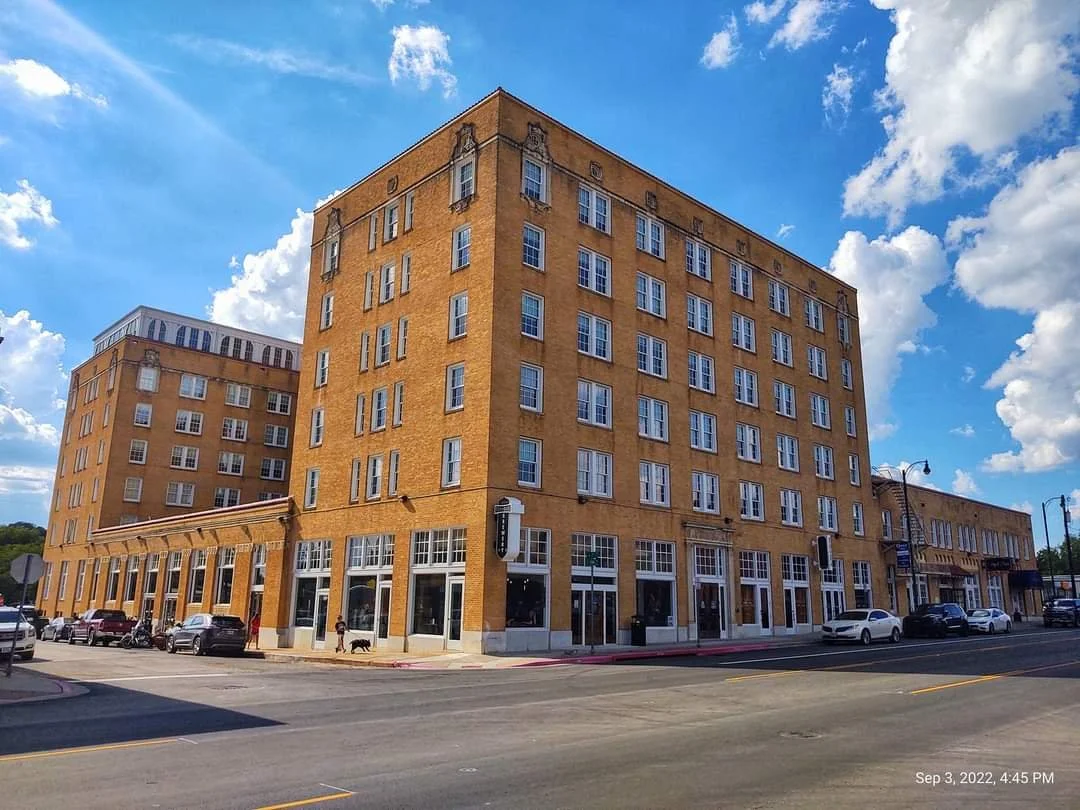
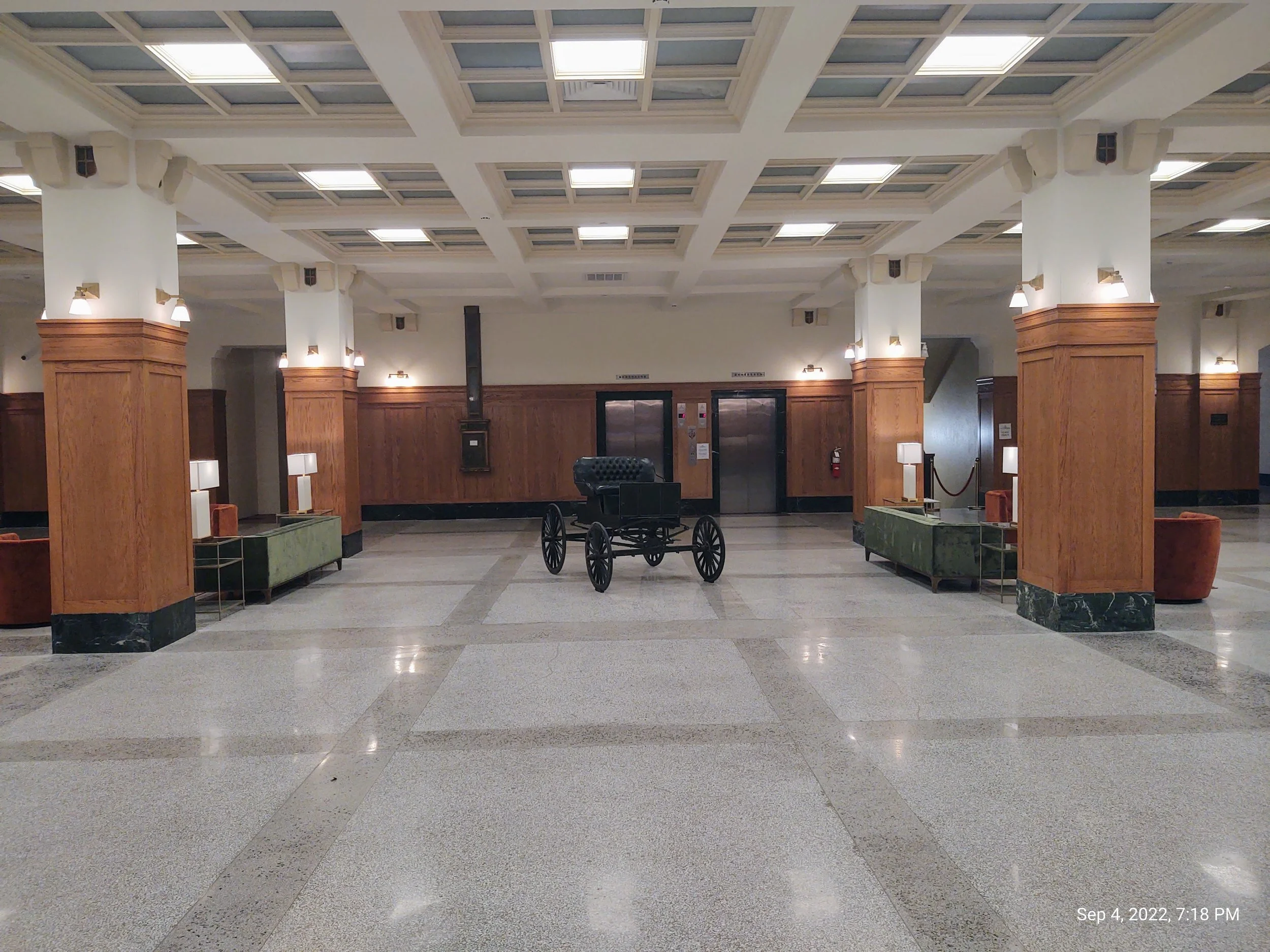
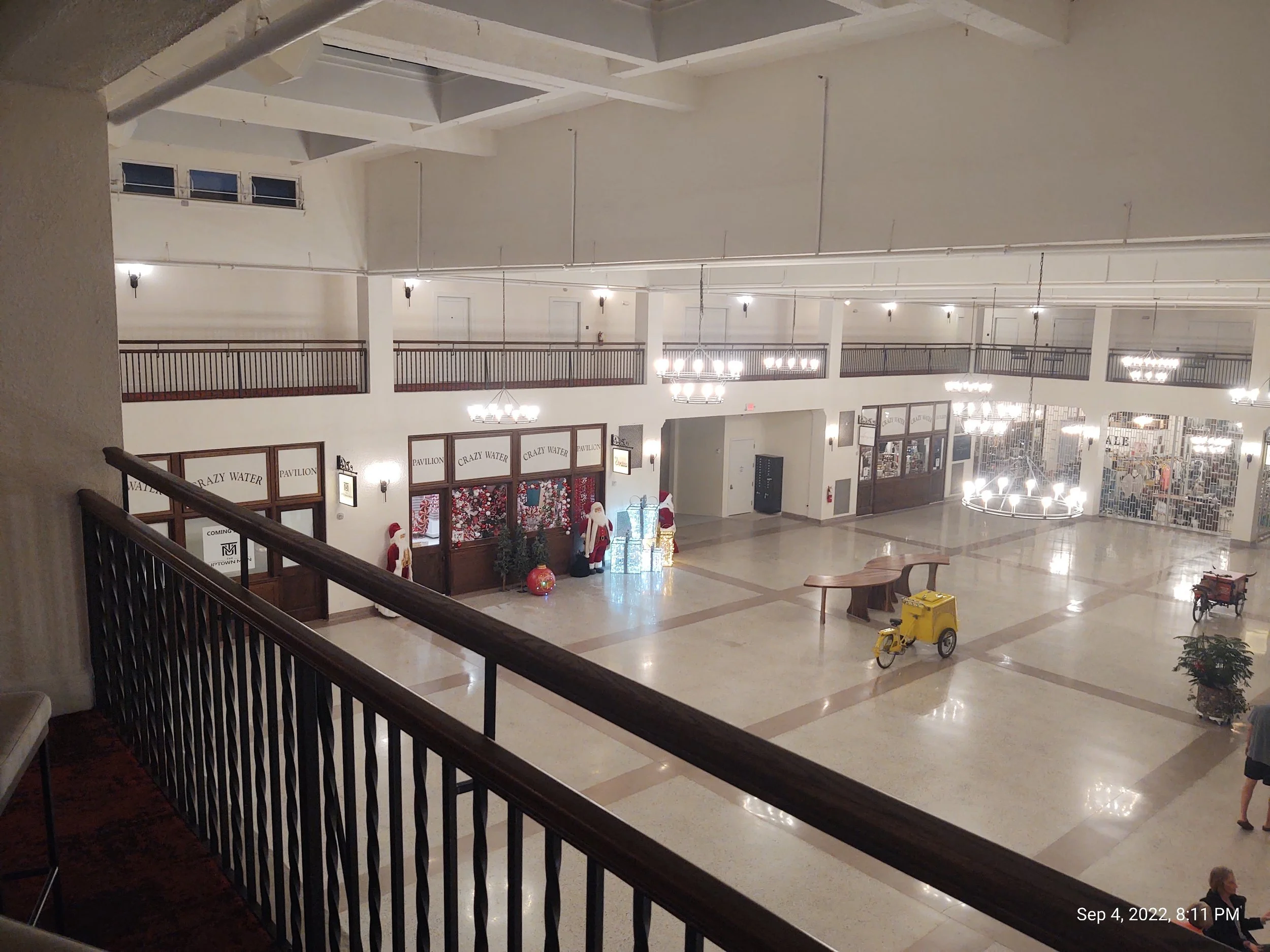
6. The Crazy Water Hotel (Mineral Wells)
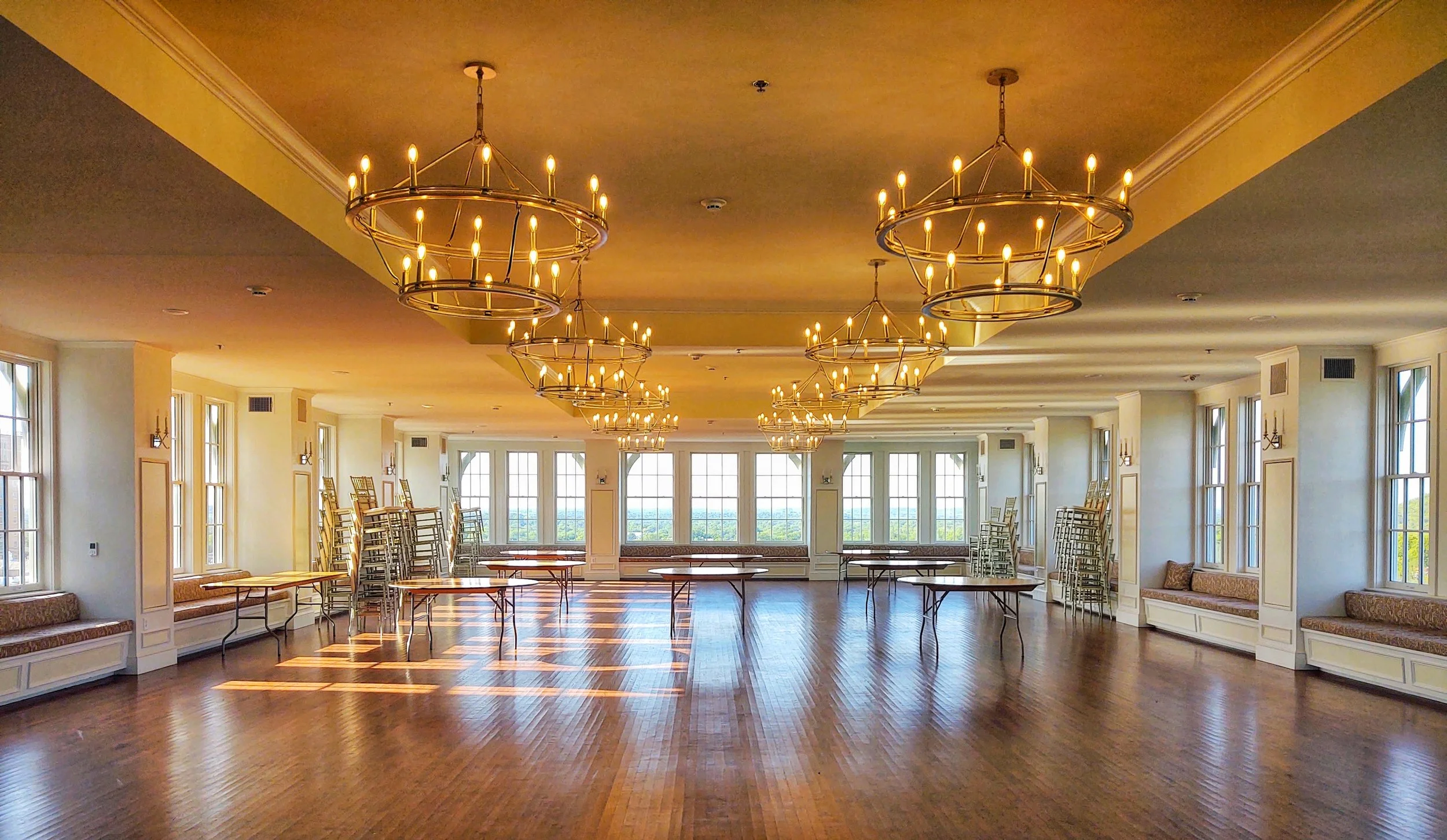
Recently restored, this grand hotel was a hotspot for 1930s outlaws looking to blend in with the crowds visiting the town’s famous mineral springs. The "Crazy Water" provided the perfect cover for the gang to rest between bank robberies.
Crazy Water Hotel still smells faintly of cigarette smoke and cheap perfume if you close your eyes — the kind of place that holds onto echoes. Back in the early 1930s, Bonnie Parker and Clyde Barrow passed through motels, rooming houses, and small-town hotels as they crisscrossed the Southwest. One of the stories locals love to tell is that the infamous duo stayed a night at the Crazy Water Hotel, a weathered brick-and-wood inn on the outskirts of a dusty Texas town. Whether every detail of that claim is true matters less to locals than the way the memory has been woven into the hotel’s identity: a ledger signed by bootleggers, a faded lipstick stain on a pillowcase, and a crooked photograph behind the front desk framed as if it were proof.
What makes a stop like the Crazy Water Hotel interesting to paranormal travelers and dark-tourism fans is the mix of history and myth. Bonnie and Clyde’s lives were violent, romanticized, and very public in the newsreels of the day. A night at a roadside hotel becomes more than a lodging choice — it’s a chapter in a story about desperation, rebellion, and fatal glamour. Guests who come for ghost hunting often report cold spots in the hallway by Room 7, whispers near the stairwell, and the sensation of someone watching from the parking lot, as if the past hasn’t quite let go.
How to experience it like a history-minded ghost hunter:
Check-in with the front desk and ask for the “Bonnie & Clyde room” or Room 7 if they keep the legend alive. Staff lore often contains details not published anywhere.
Bring a small flashlight and a pocket notebook. Walk the corridors at night and note places where the air seems to drop or sounds carry oddly — those are prime spots for EVPs and personal encounters.
Sit in the lobby during the blue hour. The hotel’s faded décor and low light make a good setting for storytelling and reading local newspaper clippings about the Barrow Gang.
Respect the space. These are working hotels with owners, staff, and real guests. Ask permission for late-night investigations and be mindful of privacy and safety.
Pair your visit with local archives or a visitor center to compare hotel lore to documented movements of the Barrow Gang. Legends grow in the retelling; the contrast is part of the fun.
Why it matters: These “Bonnie and Clyde stayed here” claims serve as cultural touchstones. They connect communities to dramatic national stories and let travelers stand physically where history and myth intersect. For paranormal travelers, that intersection is electric — you’re not just chasing cold spots, you’re tracing the emotional geography of a tumultuous era.
7. Pilot Point Town Square
Pilot Point Town Square, TX — the kind of small-town Texas spot that feels frozen in sepia tones: courthouse clock, shaded benches, and a square that could've been a scene out of an old crime journal. For fans of Bonnie and Clyde and those who chase true-crime history, Pilot Point has a curious claim to the Clyde Barrow story: it’s one of the towns connected to Clyde’s early criminal days and the Barrow family’s roots.
What to know
Historical connection: The Barrow family had ties across North Texas; Clyde spent time around Denton County and neighboring communities during his formative years. Pilot Point sits within that regional orbit. Local lore and family histories often link moments of the Barrow brothers’ youth, travels, and early run-ins with the law to nearby towns and crossroads like Pilot Point.
Town Square atmosphere: Pilot Point’s square retains antique storefronts, a classic courthouse vibe, and small-town Texan charm. It’s an ideal place to stand and imagine 1930s getaway cars slipping down country roads, or to read old newspaper clippings and local accounts that color in the Barrow legend.
Points of interest:
Downtown square: Stroll the sidewalks, peek into antique shops, and soak up the period feel. The square is a good starting place for anyone tracing Bonnie and Clyde-era routes across North Texas.
Local historical markers and museums: Check for county historical markers or small museums that collect oral histories and newspaper excerpts referencing local crime stories and notable visitors.
Nearby sites tied to the Barrow family: Denton, Dallas County, and small towns in between hold more concrete markers of the Barrow-Bonnie story—jail cells, courthouse records, and documented arrests. Use Pilot Point as a calm launching point for a regional Bonnie and Clyde driving route.
Best time to visit: Spring and fall—pleasant weather for walking the square and taking scenic drives along the back roads where much of the Barrow family’s life unfolded.
Why it’s worth a stop: Pilot Point isn’t the centerpiece of the Bonnie and Clyde saga, but it offers the intimate, lived-in backdrop that makes the story tangible. The town square helps you picture the era—slow-moving town life intersecting with the roaming, restless lives of Depression-era outlaws. For dark-tourism travelers who care about history, atmosphere, and authentic local stories, Pilot Point is a quietly evocative stop on a Bonnie and Clyde itinerary.
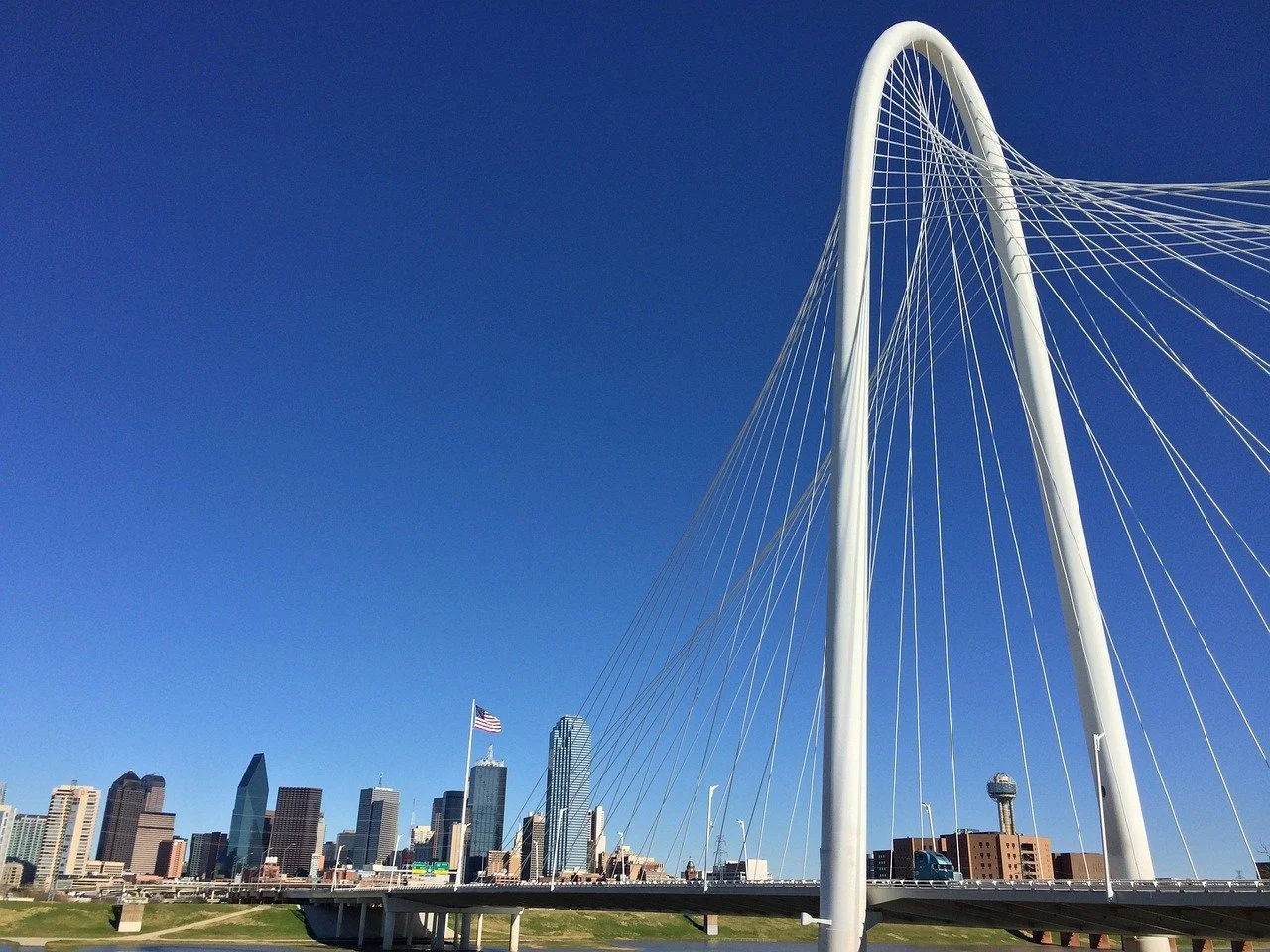
8. The "Devil’s Back Porch" (West Dallas)
If you’re chasing the ghost of outlaw romance, Devil’s Back Porch is one of those spine-tingling stops where folklore, grit, and roadside Americana collide. Tucked into a stretch of the Southwest that smells of diesel, dust, and fried food, the site is whispered about in true-crime and ghost-hunter circles for its Bonnie-and-Clyde lore: an alleged hideout, a last-ditch escape point, and a place where the past refuses to lie down.
What it is
A weathered, mostly abandoned roadside property (think sagging porches, vintage signage, and lots of peeling paint) that local storytellers claim was used by Bonnie Parker and Clyde Barrow during their 1930s crime spree. The exact building and details vary by version, but the vibe is pure Depression-era outlaw drama.
A magnet for dark tourists, amateur sleuths, motorcycle road-trippers, and occult-curious wanderers who love places that feel like a story waiting to be lived.
What you’ll experience
Visuals: Sun-bleached wood, crooked porch rails, hand-painted signage, antique gas pumps (or their rusted frames), and the occasional period car or motorcycle club parked for photos.
Atmosphere: A sense that you’re pausing in a liminal space — the porch, literally a threshold between public road and private refuge, has always felt like a perfect setting for last-minute farewells, whispered plans, and the kind of regret that breeds rumors.
Local storytelling: Expect tall tales. Longtime residents and third-generation café owners will have versions of where Bonnie and Clyde stayed, who tipped them off, and which sheriff came closest. Listen for recurring motifs: a lover’s quarrel, a torn photograph, the rattle of a typewriter that wrote more getaway plans than poetry.
Paranormal flavor: Visitors report cold spots on the porch at dusk, a shadowy figure that vanishes at the treeline, the smell of cigarette smoke when nobody’s smoking, and the faint sound of a jukebox playing a 1930s tune. Take these with a playful grain of salt — they’re part of the folklore that keeps the place alive.
Tips for visiting
Timing: Late afternoon into blue hour is prime — the light flatters the decay and the atmosphere settles in. Weekdays are quieter; weekends attract locals and vintage-car photographers.
Respect the site: Many of these properties are privately owned or fragile. Treat the porch like a historic dinner guest — no loud stomping, no climbing on roofs, and pack out what you bring.
Bring essentials: Comfortable shoes, a flashlight for dusk exploration, a camera with spare batteries, and cash for small donations or a coffee from local shops.
Combine with a route: Make Devil’s Back Porch a stop on a longer outlaw-road trip: add museums, old jails, and cemeteries that tie into 1930s crime, and a late-night screening of a Bonnie and Clyde film at a retro theater or outdoor lot.
9. Kemp, Texas — Kemp City Jail
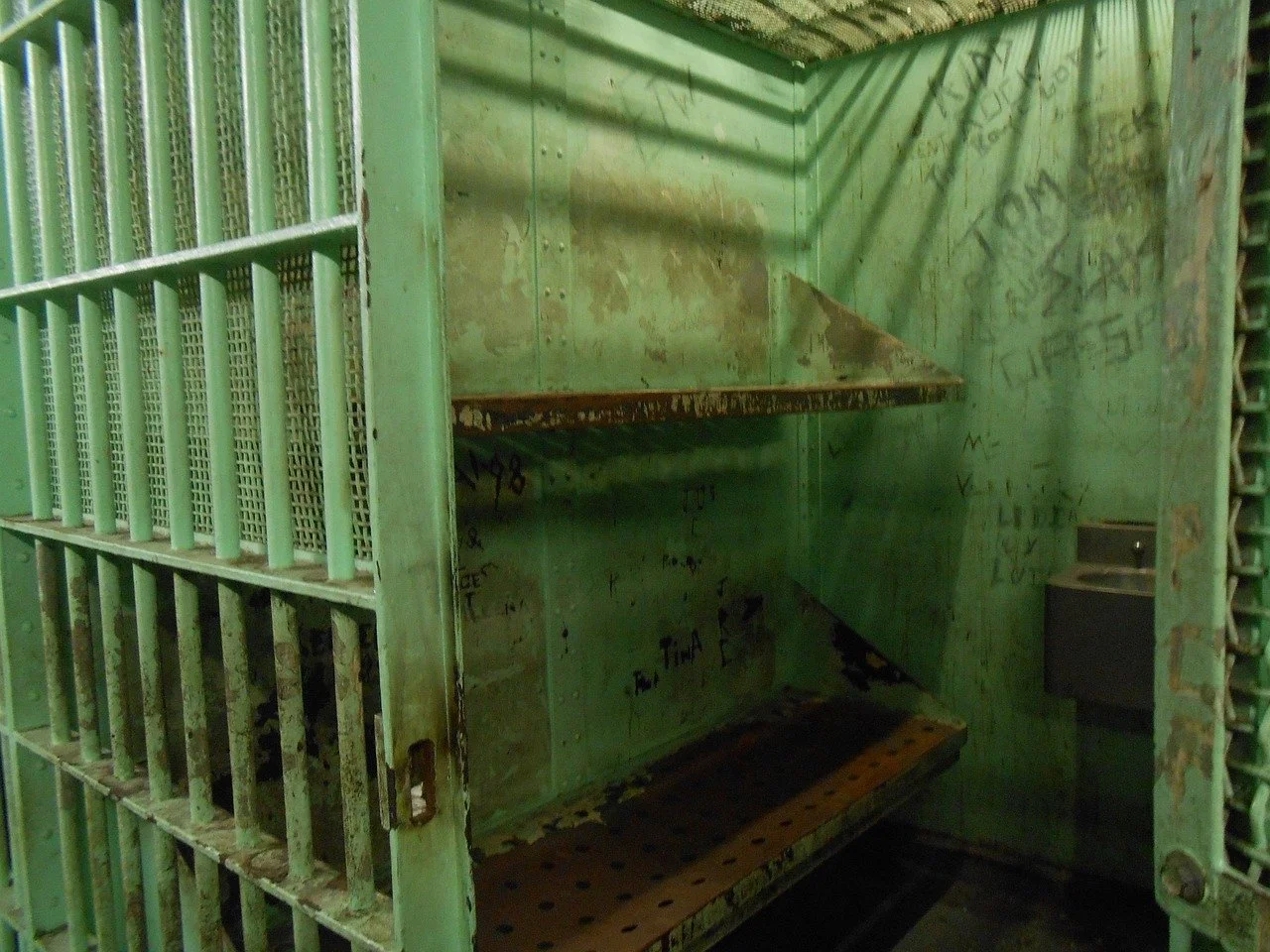
Kemp, Texas is a small North Texas town that occasionally surfaces in Bonnie and Clyde lore. The Kemp City Jail (sometimes called the Kemp Jail or Hunt County outpost depending on era and source) is often noted in regional retellings of the Barrow Gang’s movements during the early 1930s. While Kemp was not a primary hideout like Joplin or a major crime scene like Grapevine or Bienville Parish, it sits in the patchwork of small towns that provided temporary shelter, safe houses, or brief layovers as the gang moved through Texas.
What to know
Historical context: Bonnie Parker and Clyde Barrow traveled widely across Texas and neighboring states. Their network of acquaintances, family members, and sympathizers in rural towns sometimes led to brief stays in or near municipal jails, either because of arrests, local skirmishes, or as fallout from nearby incidents.
Kemp’s role: Records and oral histories vary. Some versions of the story claim members of the Barrow Gang were jailed briefly in small-town lockups like Kemp’s during local dust-ups; other accounts place gang associates in the area or mention the presence of law enforcement activity related to the gang. Documentation is spotty: court records, contemporary newspapers, and police blotters from the era can be inconsistent.
What survives today: The original small-town jails and municipal buildings from the 1920s–30s have often been repurposed, moved, or demolished. If you’re visiting Kemp specifically for Bonnie and Clyde history, check the local historical society or city hall for archival information, photos, or leads on any extant structures tied to that era.
Visiting tips for Bonnie and Clyde enthusiasts
Start local: Stop at Kemp City Hall or the Kemp Historical Museum (or county historical resources) to ask about primary sources, period newspaper clippings, or anecdotal accounts linking the Barrow Gang to Kemp.
Nearby sites: Combine a Kemp visit with larger, better-documented Bonnie and Clyde sites in North Texas and neighboring states—places where murders, shootouts, or major arrests took place—to get the fuller story.
Guided research: If you’re a serious historian or paranormal/dark-tourism traveler, consider hiring a researcher or joining a themed tour that covers multiple small-town jails and criminal-legend spots to compare oral histories and records.
Respect private property: Many purported Bonnie and Clyde locations are on private land or are old municipal properties now in private hands. Always seek permission before entering or photographing.
Why it matters to dark-tourists
Small towns like Kemp capture the texture of the Depression-era landscapes Bonnie and Clyde moved through: local loyalties, tense law enforcement, and the porous boundaries between sympathy and criminality. Even when documentation is thin, the stories themselves—preserved in local memory—offer a vivid window into 1930s Texas and the legend-making around the Barrow Gang.
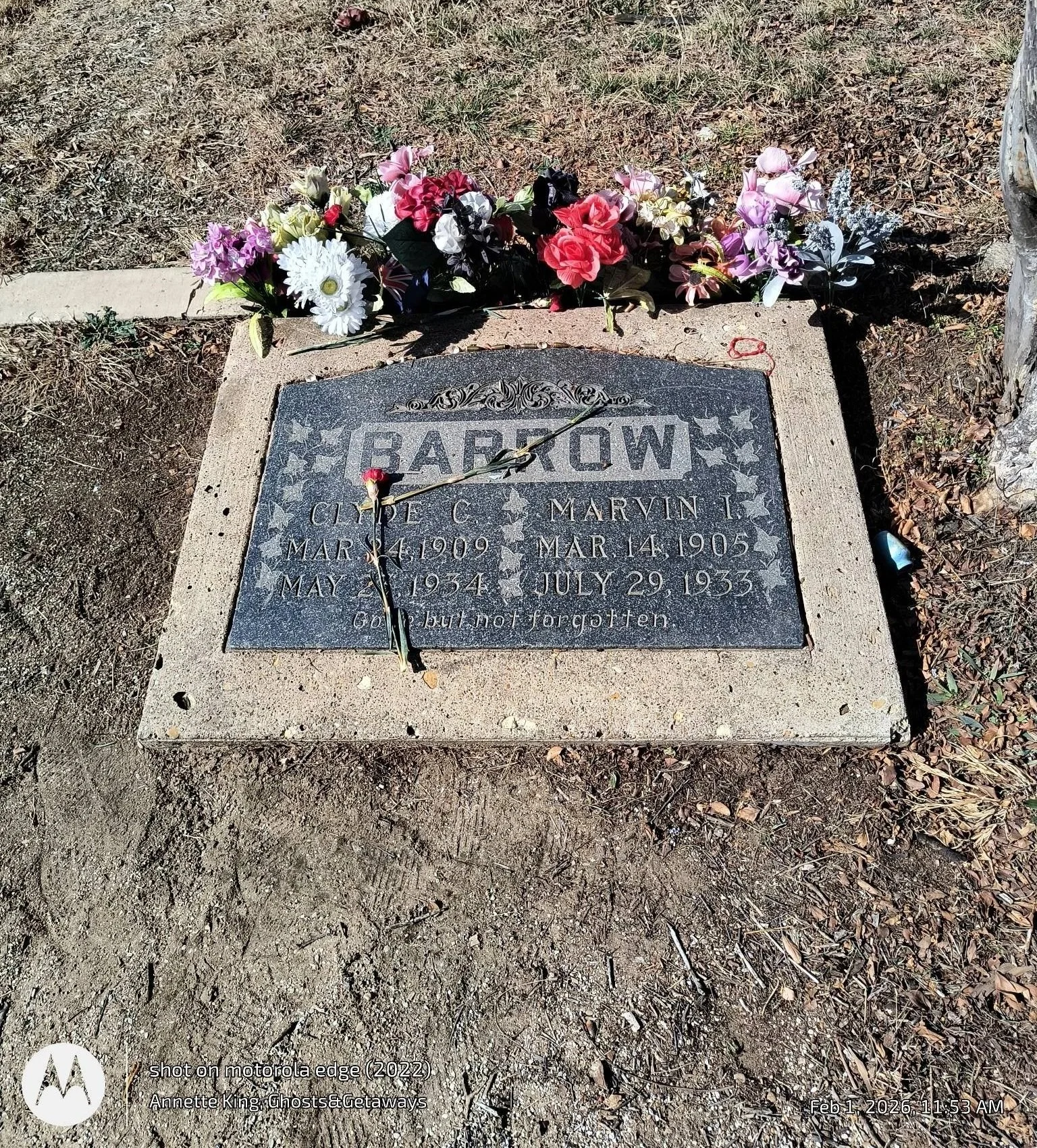
10. Their Final Resting Places
If you want to complete the tour, you can visit their graves (they were denied their wish to be buried together):
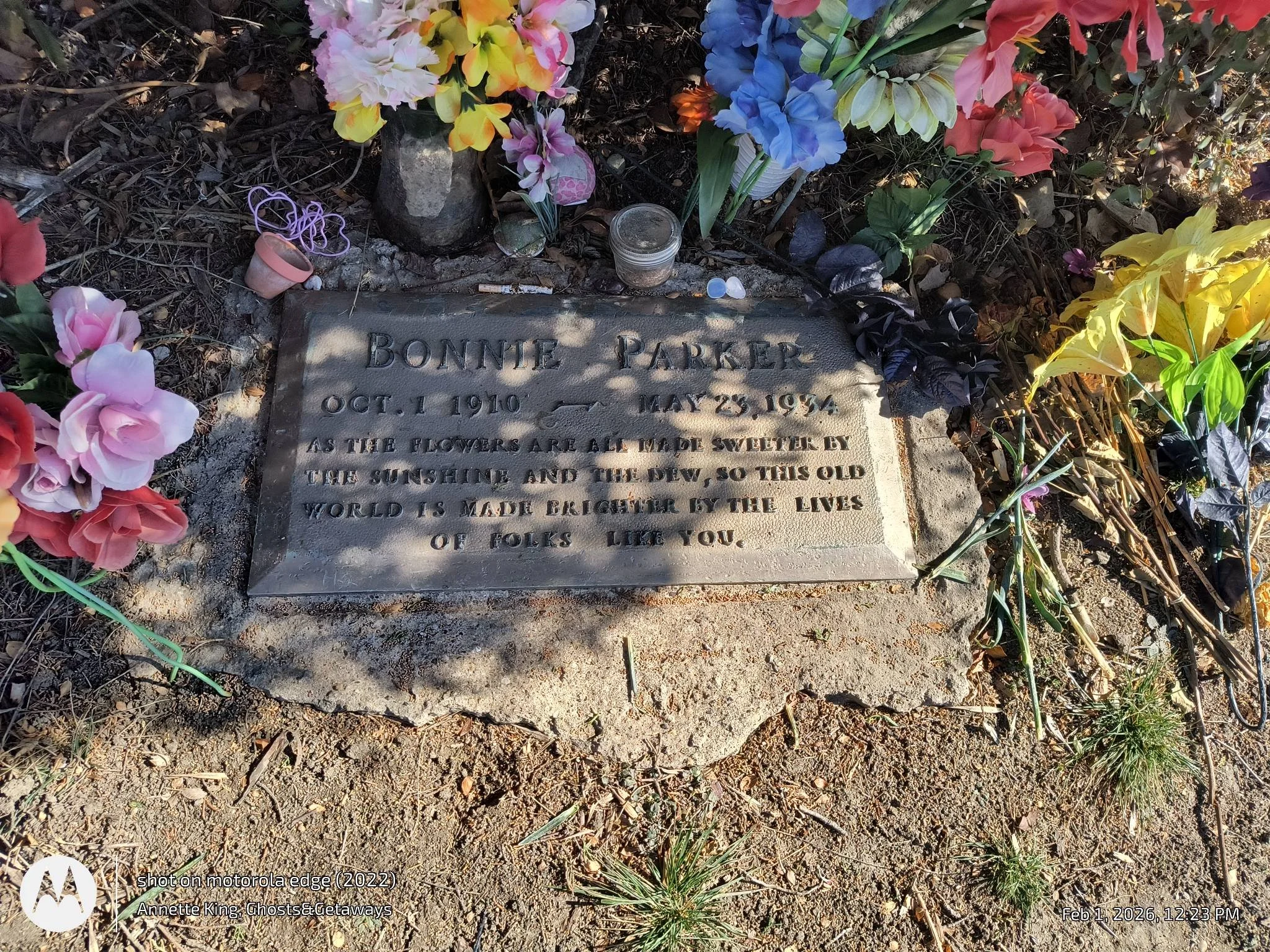
Bonnie Parker: Crown Hill Memorial Park (Dallas).
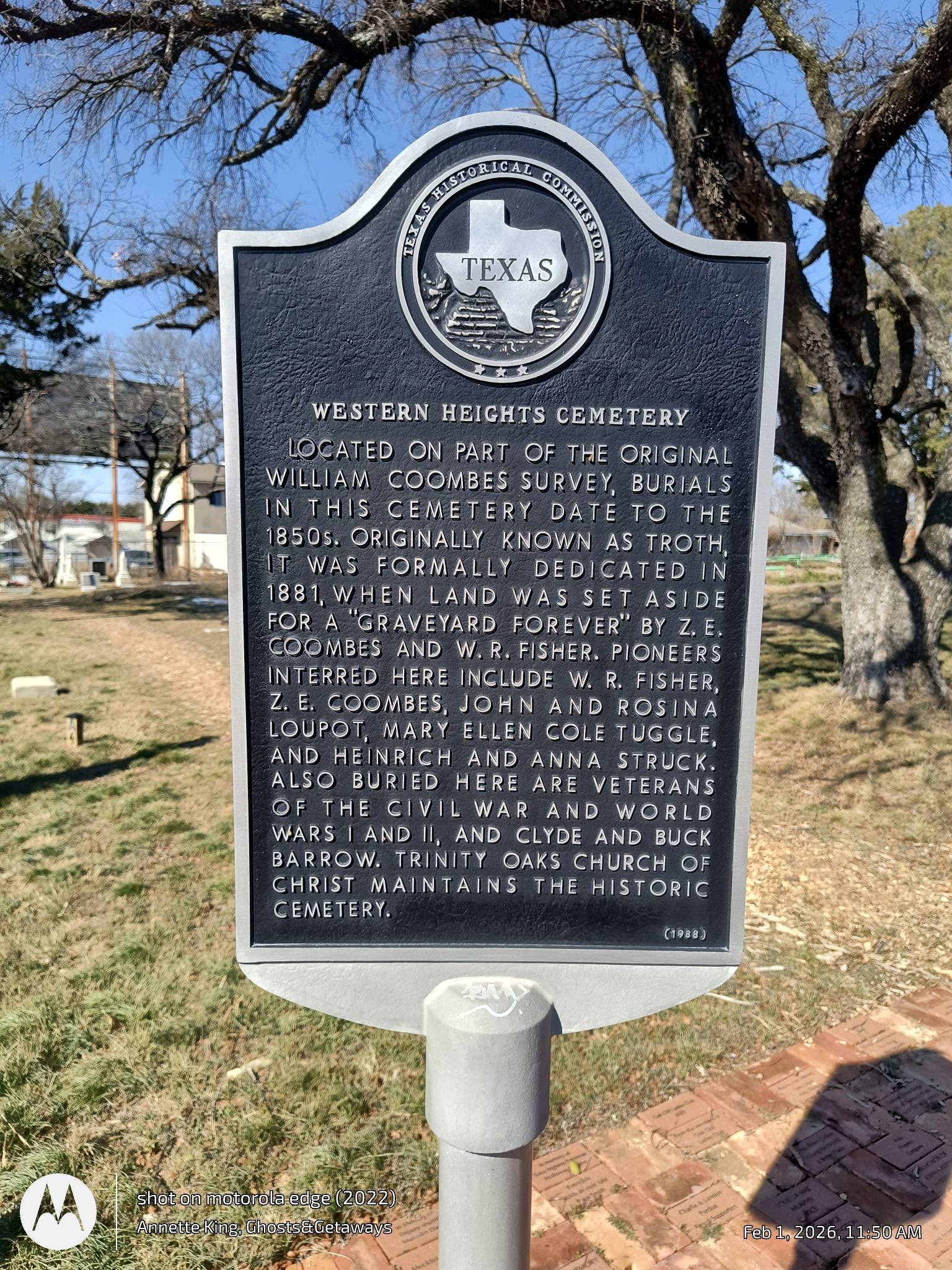
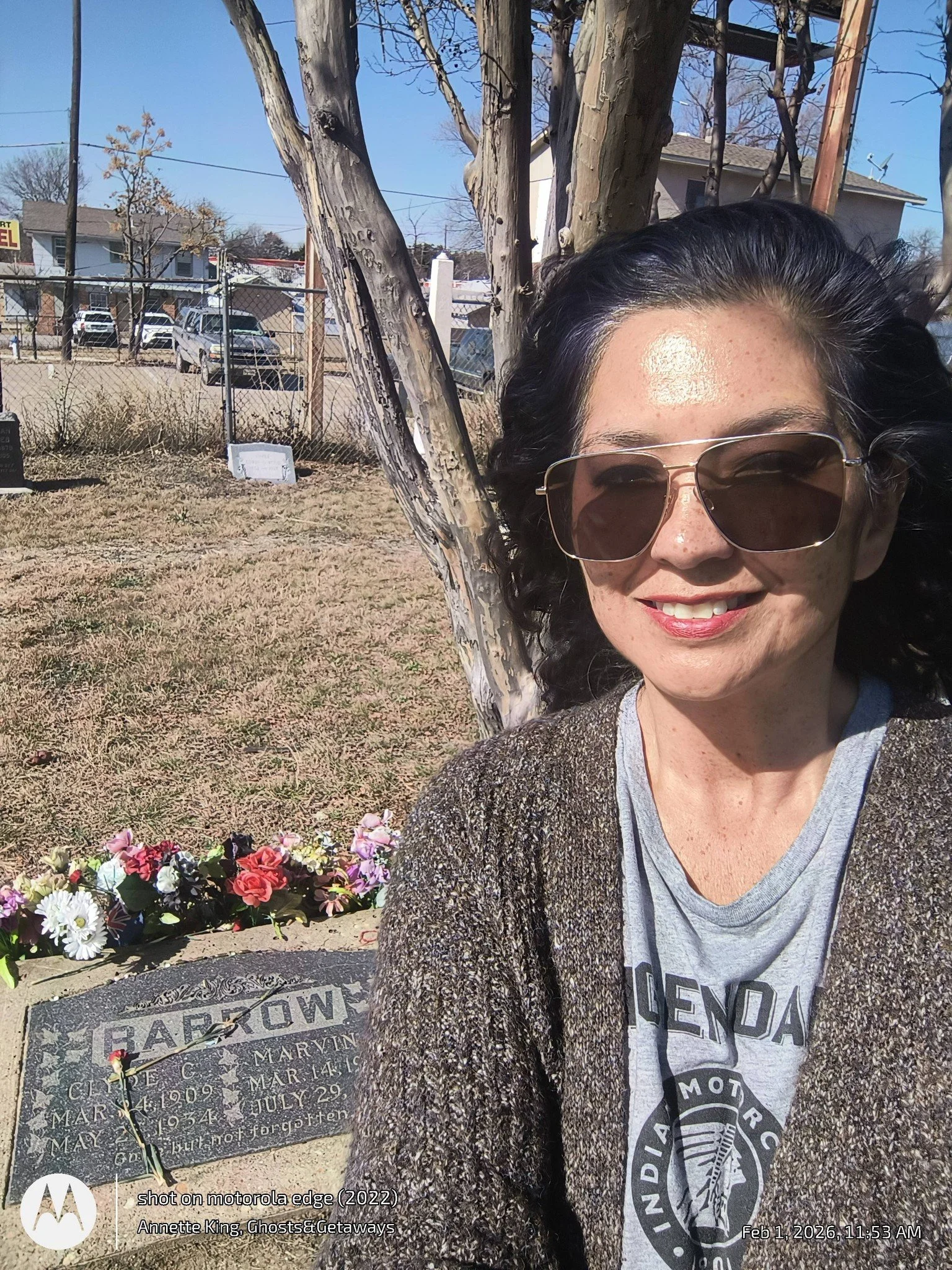
Clyde Barrow: Western Heights Cemetery (Dallas).
Visiting the Graves of Bonnie and Clyde
Why go: For fans of true crime, American history, or dark tourism, visiting the graves of Bonnie Parker and Clyde Barrow is a powerful, slightly eerie way to connect with the Great Depression era outlaws whose crimes and mythos still captivate. The site combines genuine historical weight with folk legend—ideal for travelers who like their history with a side of danger and myth-making.
Where they’re buried:
Bonnie Parker and Clyde Barrow are both buried in the small town cemetery in West Dallas, Texas. Their graves lie in Crown Hill Burial Park (also known as Western Heights Cemetery), where local lore and roadside curiosity often gather.
Note: Over the decades the exact markers and the small plot have experienced vandalism and restoration, so plan for simple, respectful visits rather than a shrine-like spectacle.
What to expect on arrival:
A modest cemetery atmosphere—trees, headstones, benches. Fans sometimes leave small offerings: flowers, coins, photos, or notes. Keep offerings low-impact and legal.
Other nearby historic markers and graves from the same era give context to Dallas during the Depression and the social strains that shaped outlaw legends.
Behavior and etiquette:
This is a real cemetery with living relatives likely nearby. Show respect: no loud behavior, climbing on headstones, or graffiti.
Photographing is typically allowed, but avoid disturbing anyone who is mourning. If unsure, ask cemetery staff or look for posted rules.
Leave nothing that will damage the grounds; biodegradable flowers are preferred over plastic or cellophane-wrapped bouquets.
Combine the visit with nearby attractions:
Dealey Plaza and the Sixth Floor Museum for a broader dose of Dallas history.
Local history museums that cover the Depression, law enforcement, and rural Texas life to contextualize Bonnie and Clyde’s story.
For a darker, themed day: self-guided driving route highlighting other Barrow Gang sites in North Texas (be sure to respect private property).
Context and reflection:
Bonnie and Clyde’s story is complicated: they were criminals responsible for multiple deaths, yet decades of media, films, and pop culture glamorized them. Visiting their graves is a chance to reflect on how society memorializes violence, mythologizes outlaws, and romanticizes rebellion.
Consider reading contemporary accounts and historical sources before you go to separate fact from folklore—this deepens appreciation and curbs sensationalism.
Final note: Visiting Bonnie and Clyde’s graves is both a historical pilgrimage and a lesson in how legends are made. Treat the site with respect, learn the fuller story, and let the visit be part of a thoughtful exploration of American crime, culture, and memory.
Hit the road for a gritty, glamorous crash course in Depression-era crime, romance, and outlaw legend. Bonnie Parker and Clyde Barrow’s story is part true crime, part American folklore—perfect for a darkly romantic trip. Expect small towns, roadside memorials, historic jails, interpretive markers, atmospheric diners, and a few surprisingly charming museum stops.
Make this beautiful day count!
Annette