
Hospitals collect ghost stories since they see so many endings, and Texas has its share: frontier infirmaries, Catholic mission hospitals, Depression-era asylums, and old medical buildings now turned into hotels. This guide covers 12 places you can visit or see, four that are off-limits, and four more that need confirmation. Each entry gives a short history, the most well-known stories, and a clear answer about whether you can visit.
This is important. Many of Texas’s most famous haunted hospitals are on private property, and going into an abandoned building without permission is both trespassing and dangerous. Each place below is marked in one of three ways:
Open: a museum, state site, hotel, or ticketed tour you can book.
Events only: the owners open the building on set dates or by reservation.
View from outside: a public street or campus where you can see the site, but not go in.
Ghost stories are part of local folklore, not proven facts, and I point out when a story is legend instead of documented history. Hours, prices, and tour dates can change, so always check before you go.
North Texas and the Panhandle
There are two stops in this area: a steakhouse inside a former Parkland Hospital building, and an abandoned Panhandle hospital that you can only view from the street.
Nick & Sam's Steakhouse, Dallas
Status: Open (restaurant, reservations advised)
History. Parkland Hospital opened in 1894 on Maple Avenue, and a brick building replaced the wooden original in 1913. The building at 3008 Maple Ave. dates to the 1950s, and the hospital used it in the late 1950s and 1960s as a charnel house for human remains. Another restaurant took over the building in the 1970s, and Nick & Sam's has occupied it since 1999.
Ghost stories. Founding chef Samir Dhurandhar says he didn’t believe in ghosts until a guest who once ran the morgue visited about five or six years after the restaurant opened. He describes the spirits as pranksters who move and drop things. Other staff have seen stranger things. Executive chef John Kleifgen saw a man at the back-door window at 4:30 a.m. in a locked building, and a server saw a man in an Army uniform walk through the dining room toward the kitchen.
Visiting. Make a reservation and ask the staff about the building’s history. This was an outbuilding for the hospital, not the main hospital, so consider it a hospital-adjacent haunt.
Worley Hospital, Pampa
Status: View from outside (private and abandoned; current ownership unconfirmed)
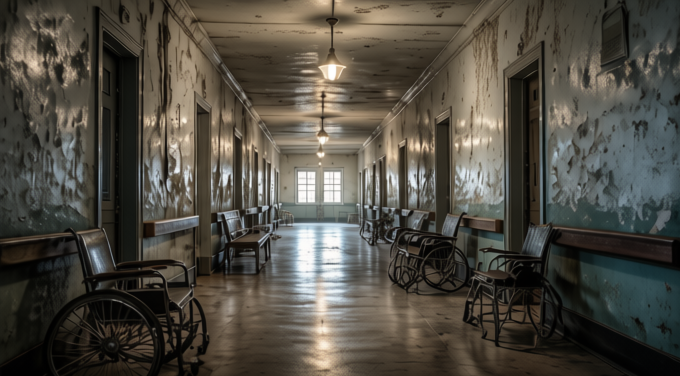
History. Phebe Worley pushed for the hospital after a car accident left her far from help, and it opened sometime between 1928 and 1930 (sources differ) to serve Pampa’s growing oil-boom population. A malpractice case and fewer patients in the 1970s led to its closure, and the building has been empty for decades at Somerville and Francis.
Ghost stories. The TV show Ghost Hunters visited the hospital in its first season, and local stories call it Pampa’s most famous haunted building. People say they see shadowy figures in the windows and feel a strong sense of dread inside. The show also tells the story of a surgical nurse who died by suicide at the hospital, but this is best treated as legend, not fact.
Visiting. Over the years, owners and a local ministry have suggested turning the building into a bed-and-breakfast or a training center. I couldn’t confirm any current plans, so treat it as private property and take photos only from the sidewalk.
Austin, San Antonio and the Crossroads Region
This region has the most stops: two San Antonio hotels that began as medical buildings, a state asylum in Austin, and two abandoned hospitals southeast of San Antonio with their own tour histories.
Austin State Hospital, Austin
Status: View from outside (active hospital, no public entry)
History. The Legislature established the Texas State Lunatic Asylum in 1856, and it admitted a dozen patients in 1861, making it the oldest hospital of its kind in Texas. The campus now covers about 95 acres beside the Hyde Park neighborhood and once held as many as 2,800 patients. Recent construction of a new 240-bed hospital on the grounds uncovered furniture, tools, and clothing dating to 1860.
Ghost stories. Local stories focus on the upper floor of the original building, where peeling paint and boarded windows have made it a popular film location. A crew painting a mural for a Merle Haggard video reportedly left feeling spooked. The hospital also has a potter’s-field graveyard, and legend says there may still be remains buried there.
Visiting. This is an active psychiatric hospital where people live and receive treatment. Only view the historic main building from public streets.
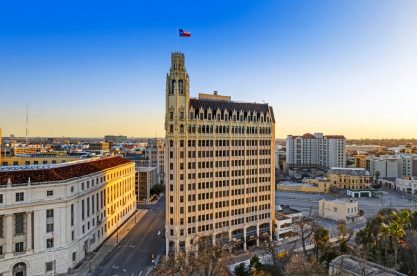
Photo from the Emily Morgan Hotel website
The Emily Morgan Hotel, San Antonio
Status: Open (hotel; book a room)
History. Architect Ralph Cameron designed the Gothic tower in 1924 as the Medical Arts Building, with doctors' offices, a hospital, a psychiatric ward, and a morgue. It stopped serving as medical space in 1976, became offices, and reopened as the Emily Morgan Hotel in 1984. Stone gargoyles on the exterior depict figures suffering from medical ailments.
Ghost stories. Most reports go back to the building’s days as a hospital. Guests say they’ve seen nurses pushing gurneys down the halls, heard hospital carts rattling, and noticed an antiseptic smell on the 14th floor, which is actually the 13th since the hotel skips that number. The seventh, ninth, and fourteenth floors get the most reports. In 2015, USA Today ranked the hotel as the third most haunted in the world.
Visiting. The hotel stands at 705 E. Houston St., across from the Alamo. Staff will talk about guest experiences, and the general manager has written up accounts under the title The Haunted Emily Morgan Hotel.

The Menger Hotel, San Antonio
Status: Open (hotel and bar)
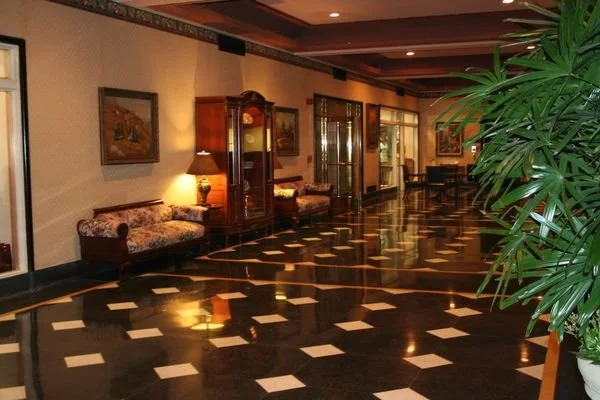
History. William Menger opened the hotel beside the Alamo in 1859. During the Civil War, the building housed Confederate soldiers and offered hospital beds and nursing care for the wounded.
Ghost stories. The most famous spirit is chambermaid Sallie White. Her husband shot her in 1876, and staff and guests say they’ve seen her folding linens and carrying laundry. Some stories say she died in the lobby, while others say she stayed at the hotel, so treat this as legend. Folklorist Kristina Downs from the Texas Folklore Society also says Teddy Roosevelt is rumored to haunt the bar, still recruiting for the Rough Riders.
Visiting. Stay the night or have a drink in the bar. Guided ghost walks in downtown San Antonio include the hotel, so check current schedules.
Yorktown Memorial Hospital, Yorktown
Status: View from outside (tours suspended; confirm before you drive)
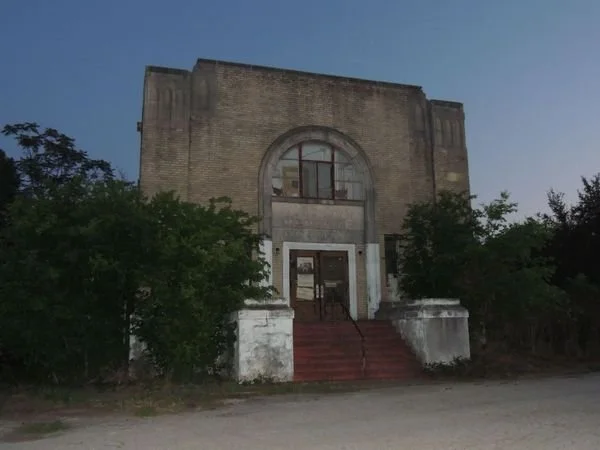
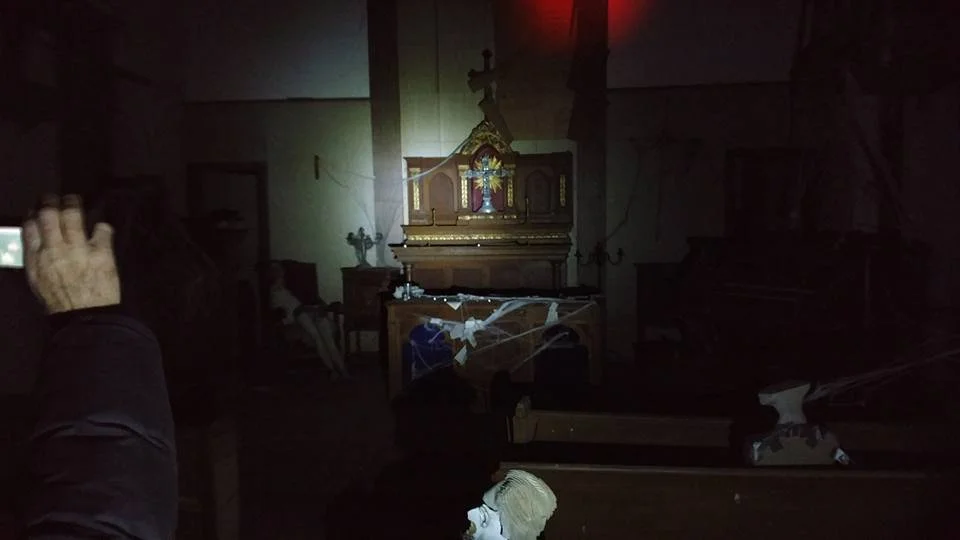
History. The Felician Sisters opened the 30,000-square-foot hospital in 1951. It stopped being a hospital in 1986, then became a drug and alcohol rehab center until the 1990s. Curious Twins Tours & Events bought the property in July 2025 after leading tours there for years. Earlier reports said about 500 people died in the building, but the owners now claim 2,000, even though it never went above 60 percent capacity, so treat this number as a claim.
Ghost stories. Visitors report shadow figures, footsteps, cold spots, and toys and dolls that seem to move in the old nursery. In the chapel, people have reported scratches, often on those with tattoos, which they blame on the nuns' ghosts. The hospital has appeared on Ghost Adventures.
Visiting. Visits must be coordinated with the owners. They offer private and public events you can find online.
Old Yoakum Community Hospital, Yoakum
Status: Events only (occasional sleepovers; confirm dates)
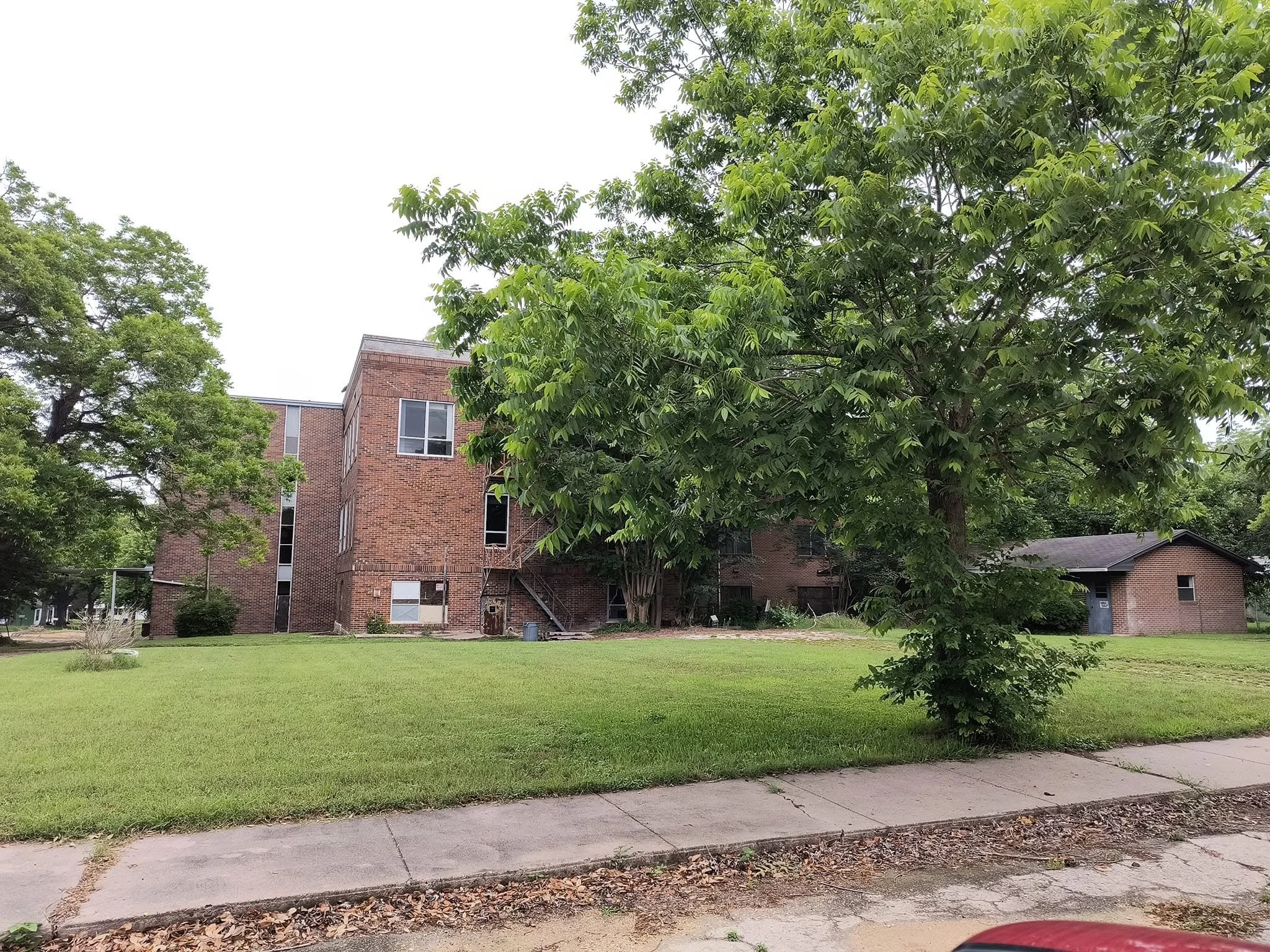
History. The city built Huth Memorial Hospital in 1922 with land and money donated by John Huth. Financial trouble during the Depression led the city to hand management to the Sisters of the Incarnate Word and Blessed Sacrament of Victoria in 1933. The hospital closed in the late 1990s, and the original building has sat abandoned since.
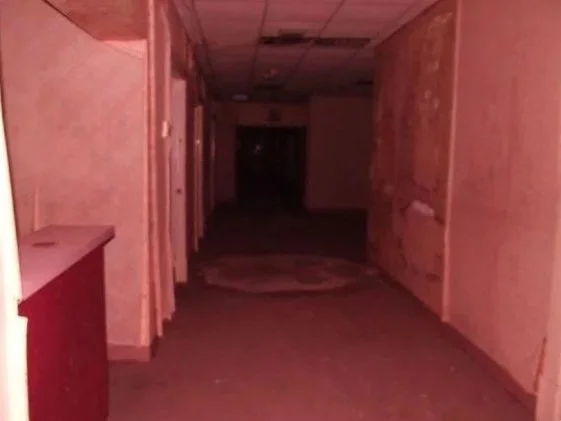
Ghost stories. Local stories mention a "blue nun," shadowy figures in the hallways, and the sounds of children running. KSAT reported that a nurse was killed by her estranged husband in the second-floor waiting area in 1992. A San Antonio investigator told the station that something grabbed him during an audio session in the special care unit and left three scratches on his arm.
Visiting. I drove by early in 2026, but it is still private property, and they do not offer private or public events. You can only take photos from the sidewalk.
Houston and Galveston
You can best view both from the sidewalk, and each shows how legends can grow around a building. Jefferson Davis Hospital (Elder Street Artist Lofts), Houston
Status: View from outside (residential lofts)
History. Houston built the four-story red-brick hospital in 1924 on the site of the city's old municipal cemetery, where thousands were buried, including Confederate soldiers and epidemic victims. The city named it for Jefferson Davis. It opened to patients in 1925 as Houston's first centralized public hospital for poor patients, run jointly by the city and county. Later uses included a psychiatric ward, and the building sat abandoned for decades before reopening in 2005 as the Elder Street Artists Lofts.
Ghost stories. Residents and ghost-tour guides talk about hearing howls, footsteps, voices in the halls, and seeing shadowy figures near the old nurses’ quarters and former psychiatric rooms. Not everyone agrees, though: a Houston Chronicle report cited by a University of Houston-Downtown student paper said residents hadn’t seen anything unusual. Sharing both sides gives a fuller picture.
Visiting. People live here, so admire the building from Elder Street (1101 Elder St.) and leave the residents alone. Houston ghost tours list it as a stop.
West Texas and the Border
There are three stops here: a hospital museum at a frontier fort, a campus hospital at Texas’s first U.S. military post, and a tuberculosis sanatorium that later became a modern hospital.
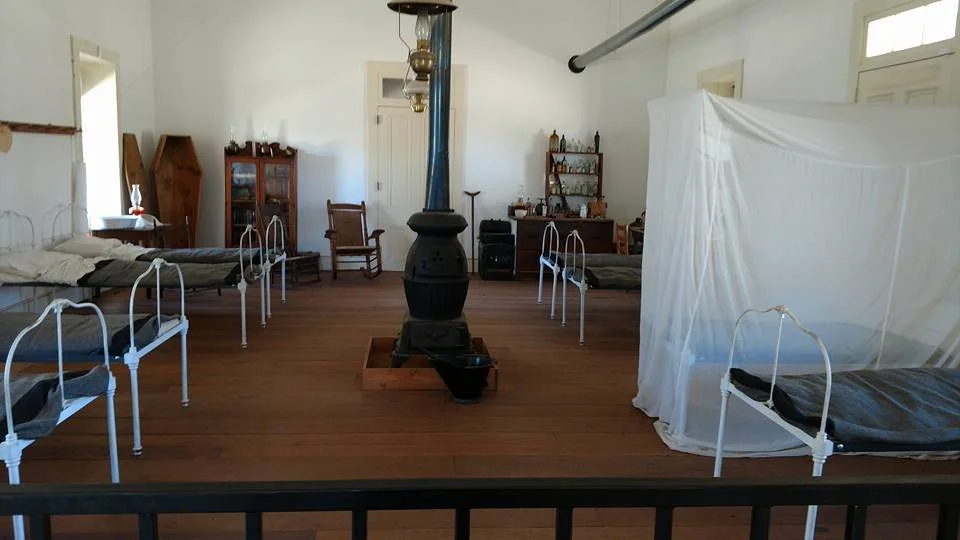
Fort Concho's Post Hospital, San Angelo
Status: Open (museum)
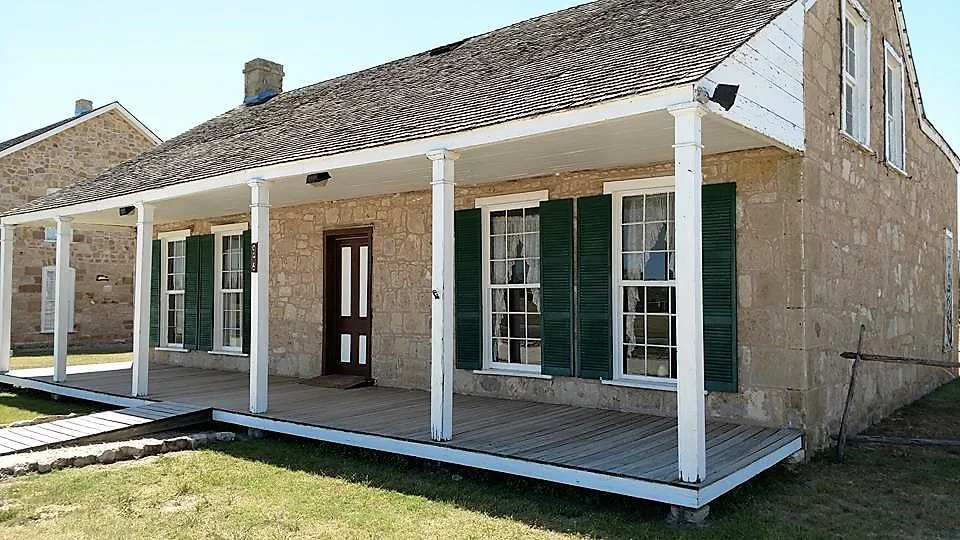
History. The Army established Fort Concho in 1867 and closed it in 1889. San Angelo bought the property in 1935, and it is now a 40-acre National Historic Landmark with 23 original and reconstructed buildings. The post hospital houses the Robert Wood Johnson Museum of Frontier Medicine.
Ghost stories. The hospital’s most famous story is about “Dead Ellis,” a soldier thought to be dead and moved to the hospital’s dead house. When his friends came for a final look, he suddenly sat up, and everyone ran away. Ellis isn’t considered a ghost, but a maintenance worker once said he saw a woman in black leave the old hospital and cross the grounds. The fort’s best-known ghosts are Edith Grierson, a colonel’s daughter who died of illness at age 12 in the officers’ quarters, and Sergeant Cunningham in the barracks.
Visiting. Tour the hospital and museum during regular hours. Night ghost tours have sold out in past years, so call the fort at (325) 657-4444 to confirm availability.
Gorgas Hall at Fort Brown, Brownsville
Status: View from outside (active college campus; seasonal walking tour)
History. The Army founded Fort Brown in 1846 as the first U.S. military post in Texas. Yellow fever and malaria swept the post, and one regional history calls it the Army's deadliest fort. The post hospital, now Gorgas Hall, treated yellow fever patients in the 1880s, and Dr. William Gorgas dissected bodies at the fort morgue while seeking a cure. Today Gorgas Hall is the administration building for Texas Southmost College, and the old morgue serves as office space.
Ghost stories. Staff and visitors say they’ve seen nurses in old-fashioned uniforms drifting along the veranda, Civil War soldiers leaning on walls at 3 a.m., and former patients' faces appearing in window photos but not in person. In the morgue, people report appliances turning on by themselves and a staff member reporting that someone pulled their hair.
Visiting. This is a working campus, so visit during the day and stay on public paths.
Southwestern General Hospital, El Paso
Status: View from outside (now an active rehabilitation hospital)
History. The building at Cotton and Murchison began as the Albert Baldwin Health Resort, a tuberculosis sanatorium built during El Paso's early-1900s TB crisis. Sources disagree on the date: KTSM says it opened in 1905, while an El Paso Museum of History record says first patients arrived in 1907. It later operated as Southwestern General Hospital and today houses a rehabilitation hospital.
Ghost stories. KTSM has reported elevator legends. One story says a worker who avoided the staff elevator and used the public one was pinned between floors. Another says a maintenance worker died in an elevator. Both are local stories, since the station doesn’t give any names or dates.
Visiting. It is permanently closed so you will have to photograph it from the street.
Undetermined Hauntings
St. Anthony's Hospital, Amarillo. Four Sisters of Charity opened the first hospital on the High Plains here in 1901. It sat unused after 2004 and is now being converted to senior housing. Local lists call it haunted, but I found no specific documented accounts.
Fort Richardson Post Hospital, Jacksboro. The state park offers tours of the post hospital and its morgue, which holds a wooden coffin. I found no documented ghost lore however it has been popular with paranormal investigation groups in the past.
Fort Clark, Brackettville. The fort built a stone hospital in 1855, and Fort Clark Springs runs ghostly wagon tours featuring a Lady in White story. I could not tie the hospital to any specific haunting.
Fort Davis Post Hospital. The Friends of Fort Davis are raising money to partly restore the post hospital built in the mid-1870s. The fort's best-known ghost story involves Alice Walpole rather than the hospital.
Visiting Without Trespassing
A few good habits can help keep you safe and help these sites stay open for future visitors.
Confirm access before you drive.
Book official tours and events, and view private sites only from public streets.
Respect active hospitals and homes, like Austin State Hospital, UTMB, the El Paso rehabilitation hospital, and Elder Street.
Skip abandoned buildings. They’re good stories to enjoy from home.
Conclusion
Texas hospitals hold more than medical history. They hold the stories of people who were born, healed, and lost inside them. Some of these places welcome you with a hotel key or a dinner reservation. Others, like Austin State Hospital, the Elder Street Lofts, and the old Fort Brown hospital in Brownsville, are best admired from the sidewalk out of respect for those who live and work there.
Wherever you decide to visit, go with curiosity and leave nothing behind but footprints. Confirm access first, stay out of abandoned buildings, and treat every ghost story as just a story. If you stay long enough, the history may be what haunts you.