
How to Travel Safely to Haunted & Dark Tourism Sites
The best stories in dark tourism usually come from places that are a little off the beaten path: crumbling asylums, the fog draped cemeteries, shuttered prisons, battlefields at dusk. Those places are also where a little preparation matters most. A haunting is a great story, but a sprained ankle, a trespassing citation, or a night stranded in a rural dead zone is a much worse one.
Here's how I plan trips so the only thing that gives me chills is the history.
1. Research the Place Before You Go
Before booking anything, find out whether the site is actually open to visitors. Many “abandoned” places are private property, and many are patrolled.
Check ownership and access. County property records, local historical societies, and the sites official page will tell you who owns it and whether tours exist.
Look for official tours. Ghost tours, historic society events, and after hours investigations give you legal access and often a guide who knows which floors are structurally sound.
Read recent reviews and forum posts. Closures, new security, and hazards change quickly. Information from 5 years ago may be badly out of date.
2. Respect the Law (and the Property)
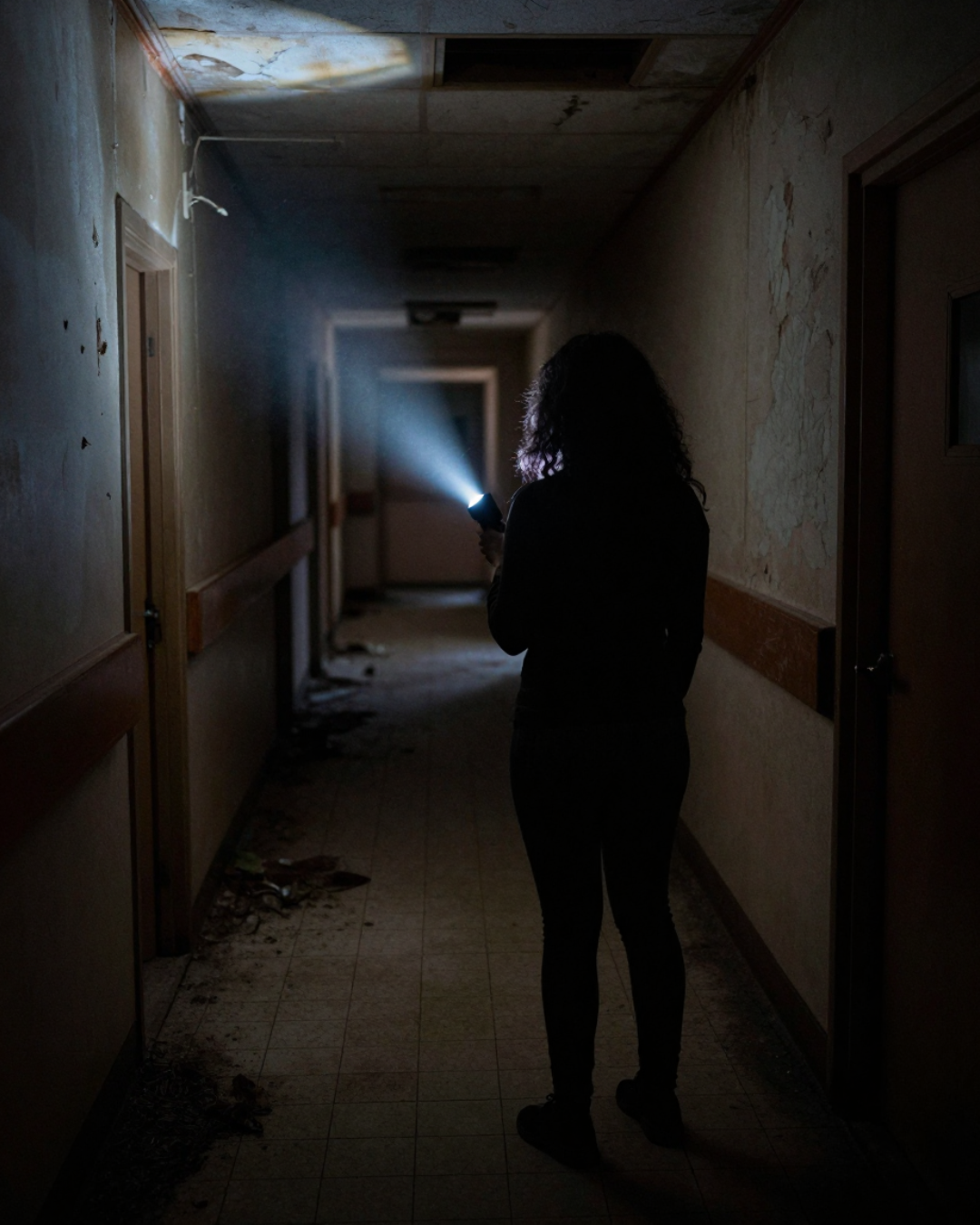
Trespassing is the most common way a spooky adventure goes wrong. No trespassing signs, fences, and posted hours mean what they say, and in many places the penalties are real. Skip the sneaking in approach entirely. Get permission, book a tour, or photograph from public rights of way.
Stay on marked paths at historic sites, and never remove artifacts, souvenirs, or grave offerings. Many sites are protected by law.
3. Know the Physical Hazards
Old buildings are dangerous in ways that have nothing to do with ghosts:
Structural risk: weak floors, unstable stairs, and loose masonry.
Air quality: asbestos, mold, lead paint, and animal droppings. Even on a legal visit, avoid kicking up dust in neglected spaces, and carry a respirator if the site's condition warrants it.
Wildlife: snakes, bats, wasps, and rodents love quiet buildings and overgrown graveyards.
Old infrastructure: open wells, rusted nails, broken glass, and exposed wiring.
Wear sturdy, closed toed boots, long pants, and gloves, and carry a first aid kit and a headlamp (plus spare batteries). Don't rely on your phone's flashlight.
4. Never Go Alone, and Always Tell Someone
Solo travel is wonderful, but exploring remote or ruined sites alone adds risk. If you can, bring a buddy. If you can't, make a plan, someone else knows about:
Share your itinerary, including the exact site, your arrival time, and when you expect to check in.
Share your live location with a trusted person.
Set a firm check-in time, and agree on what they should do if they don't hear from you.
Many haunted locations sit in rural areas with spotty cell service. Download offline maps and keep it portable charger on you.
5. Be Smart About Night Time Visits
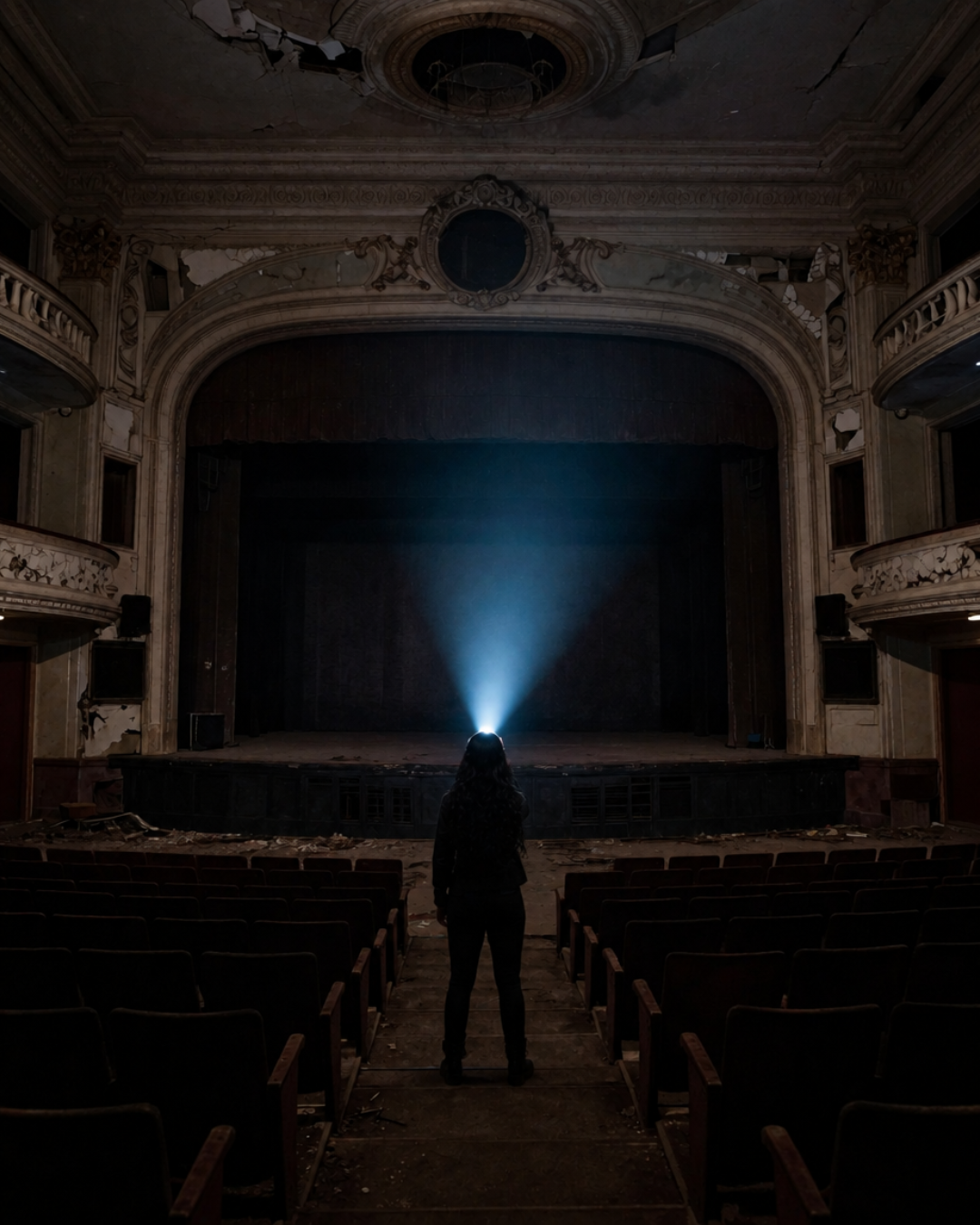
Night adds atmosphere and risk in equal measure. Visit the site in daylight first to learn the layout, exits, and hazards. If you do an after dark visit, make sure it's an authorized event, park in a well-lit, legal spot, and don't leave valuables visible in your car. Trailheads and isolated lots near famous haunts are common break-in targets.
6. Protect Your Health and Your Gear
Travel insurance is worth it for trips with remote sites, flights, or non-refundable lodging.
Pack water and snacks. It's easy to lose track of time when you're deep in research.
Back up your photos and notes to the cloud each night.
Keep your documents safe, with copies of your ID and reservations stored separately from the originals.
7. Stay Alert to Scams and Local Rules
Popular dark tourism destinations attract opportunists. Be wary of unofficial guides who approach you on the street, inflated ticket prices, and tours that can't show a license or reviews. Book through the venue or reputable operator, and check local rules on drones, photography, and filming, since many sites restrict them.
8. Handle the Emotional Weight with Care
Not every dark tourism site is spooky fun. Battlefields, memorials, concentration camp sites, and places of recent tragedy hold real grief for real families. Dress modestly, keep your voice down, skip the jokes and selfie poses, and follow the site's rules about photography. Stay mentally prepared, too. Heavy places can stay with you, so build in downtime and don't schedule too many emotionally intense stops back to back.
9. Trust Your Gut
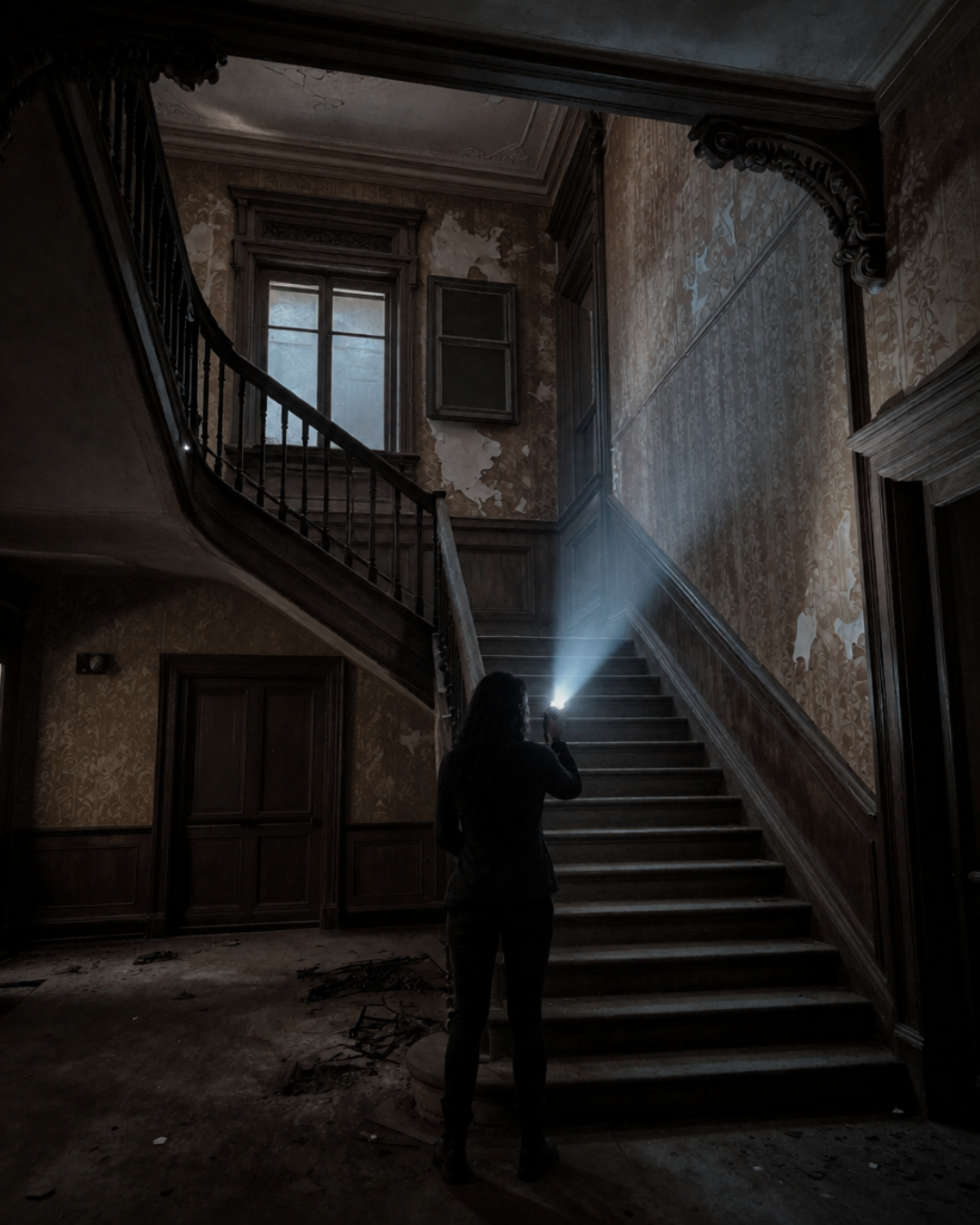
If a building feels unsafe, a stranger seems off, or the weather turns, leave. No photo, EVP recording, or story is worth an injury. The site will be there next time, and you'll be back with better planning.
Quick Pre-trip Safety Checklist
✅ Confirmed legal access or booked a tour
✅ Shared itinerary and check-in time with someone
✅ Offline maps downloaded and power bank packed
✅ Boots, gloves, first aid kit, and headlamp packed
✅ Visited in daylight 1st if possible
✅ Researched local rules, scams, and weather
✅ Travel insurance in place
The Bottom Line
The goal of dark tourism isn't to take risks. It's to connect with history, memory, and mystery in a way that respects both the people and the places involved. Prepare well, tread carefully, and you'll come home with better stories and photos, and all of your fingers and toes.
Where are you headed next? Tell me in the comments, and tell me about the spookiest place you visited legally.
Make this beautiful day count!
Annette