
Where the Devil Joined the Game: Inside Ireland's Hellfire Club
The Hellfire Club, Montpelier Hill, Dublin
The Site
The ruin sits on Montpelier Hill, (also Mount Pelier) in the Dublin mountains above Rathfarnham and Tallaght, at about 383 meters. The summit already had a long history. A Neolithic passage tomb, roughly 5,000 years old, stood there before the lodge was built, and it is a big part of why the place feels cursed in local lore.
History
The lodge (c.1725). William Connolly, Speaker of the Irish House of Commons and one of the richest men in Ireland (he built Castletown House), had a hunting lodge built on the summit. Tradition says he used standing stones and material from the ancient cairn in the construction. Connolly died in 1729, in the lodge passed to his heirs.
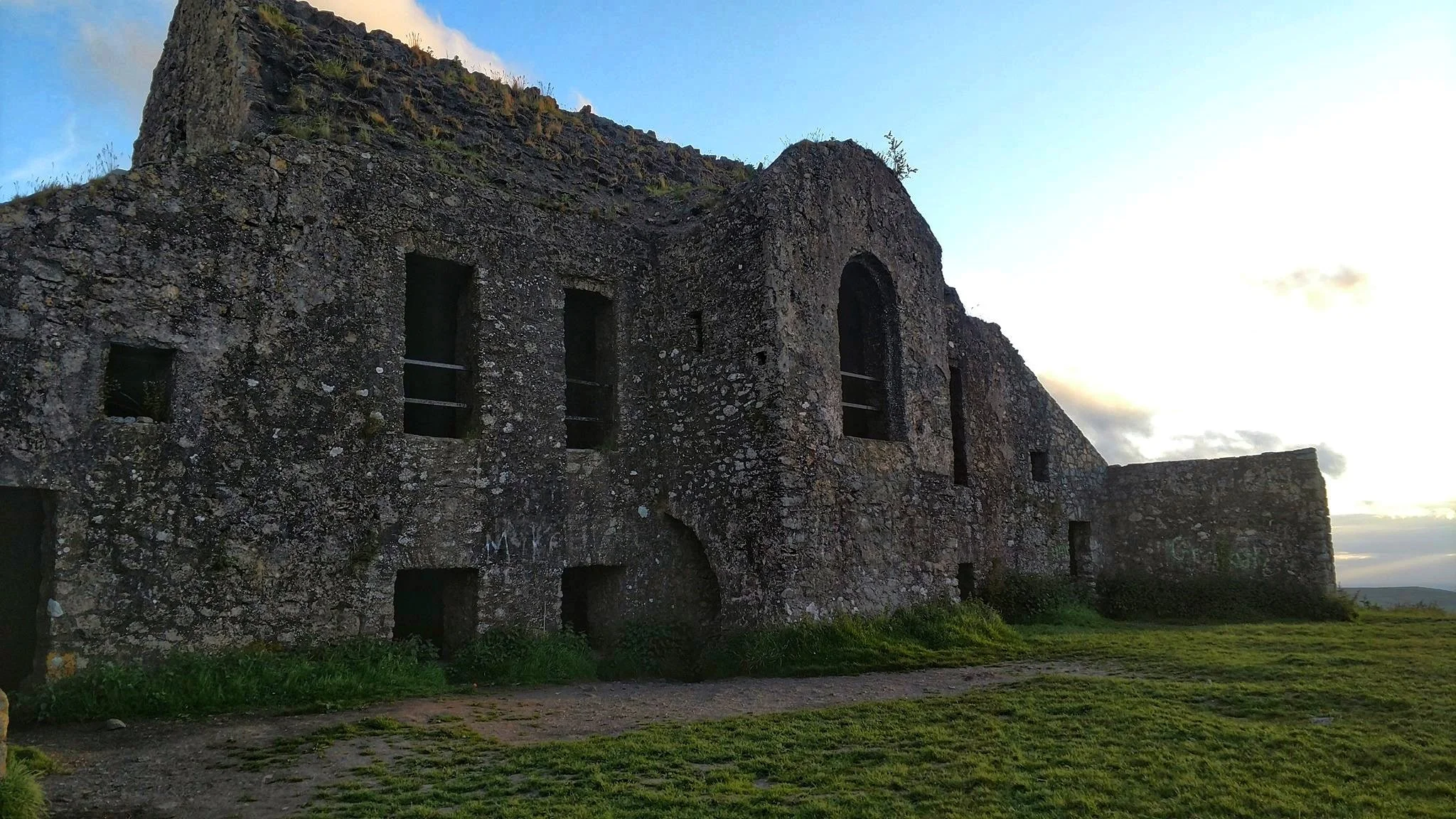
Photo of Hellfire Club from one of my trips to Ireland
The club. The first Dublin Hellfire Club was founded around 1735 by Richard Parsons, 1st Earl of Rosse, and the painter James Worsdale. Early meetings were held at the Eagle Tavern on Cork Hill in the city. It followed London's earlier “hellfire” clubs, which were fashionable societies of aristocratic rakes, mocking religion and propriety. The members were wealthy, young, and often drunk. They are associated with the lodge, though how often they actually met there is less certain than the legend suggests.
Lord Santry. The best-documented scandal belongs to Henry Barry, 4th Baron Barry of Santry, a member who killed a porter named Laughlin Murphy in 1738. He was tried by the Irish House of Lords in 1739 and sentenced to death. He was pardoned by the Crown after a great deal of lobbying and was later restored to his lands.
Later revivals. Hellfire-style clubs continued in Dublin through the 18th century, with later figures like “Buck” Whaley linked to the revived legend. It's worth double-checking those specific attributions before you publish.
The Legends
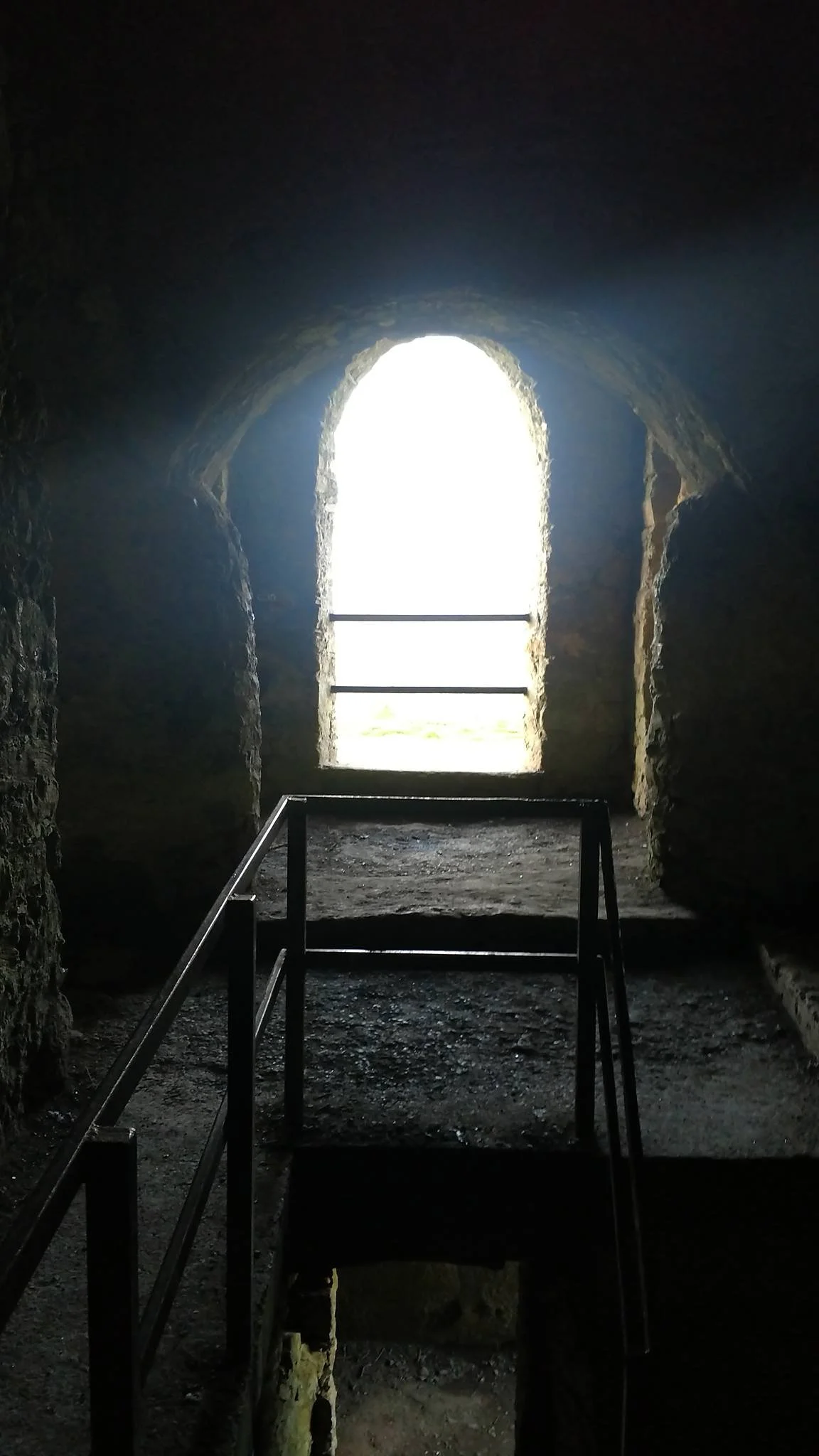
The roof. One story says the lodg's roof was blown off in a storm, taken his punishment for desecrating the car. Connolly then rebuilt it with a heavy Stone vaulted roof, which survived for a long time.
The devil at the card table. The most famous tale: during a stormy night of gambling, a tall stranger in dark clothes joined the game. When a player dropped a card and bent to pick it up, he saw a cloven hoof under the table. The stranger vanished in a flash of fire and sulfur.
The empty chair. The club supposedly kept a place at the table for the Devil.
The burning. The lodge is said to have burned after a party. In the grizzliest version, a servant spilled a drink on a guest and the drunken members doused her in spirits and set her alight. The fire spread and destroyed the building. Some versions blame the fire on the members themselves or on the Devil. Another account says the lodge simply burned in an accident.
The black cat and the priest. A priest, called in to exorcise the lodge, is said to have confronted A huge black cat, said to be the Devil in disguise, which a member had been keeping. Black cats are a recurring motif, along with tales of animals sacrificed during rituals.
The drink. Members supposedly drank “scalteen,” hot whiskey and butter.
Most of this is folklore layered over a real club known mainly for drinking, gambling, and cheerful blasphemy. Satanic rights and human sacrifice are almost certainly later embellishments, which makes for a good fact versus fable angle.
Hauntings
Reports tend to center on the ruin, the cairn, and the surrounding forest:
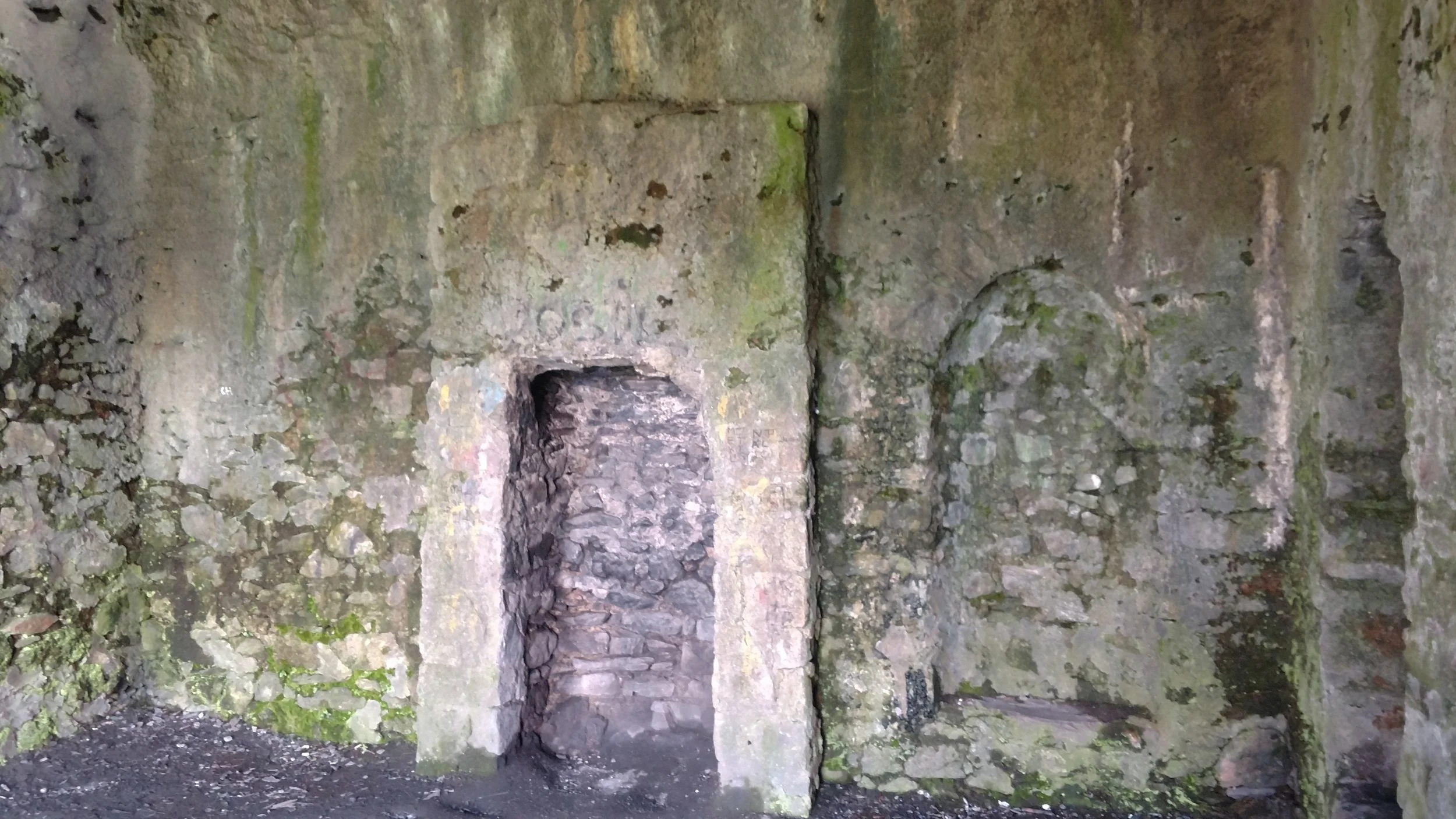
A feeling of dread or being watched, especially in the upper rooms of the ruin
A Large black cat or dogs-like animal, sometimes with glowing eyes, appearing and then vanishing
Strange sounds, cold spots, and unease among hikers, even in daylight
The sense that the Devil's presence lingers because the cairn was desecrated
Nearby: Killakee House. The neighboring Killakee estate has its own reputation, including reports of a monstrous cat-like apparition, a ghostly Lady Massy, and a child’s remains reportedly found in the grounds. The cat stories from there are often merged with Hellfire lore, so with worth verifying the details before attributing anything to a specific location.
Visiting
The ruin is reached by a walk from the Massy's Wood car park along the Dublin Mountains trails. It's free and open, was sweeping views of Dublin and the bay. The cairn and ruin are protected heritage, so visitors should leave it as they find it.
For more info about Hellfire Club, go to Dublin.ie and Our Irish Heritage.
****************
Fact or folklore, the Hellfire Club has earned its reputation. Its ancient cairn, its scandalous members, and a devil said to have joined the game have kept this ruin in Irish legend for nearly three centuries. Visit with respect, stay until the light turns golden, and see whether the hill has anything to tell you.
Have you been? Share your story below.