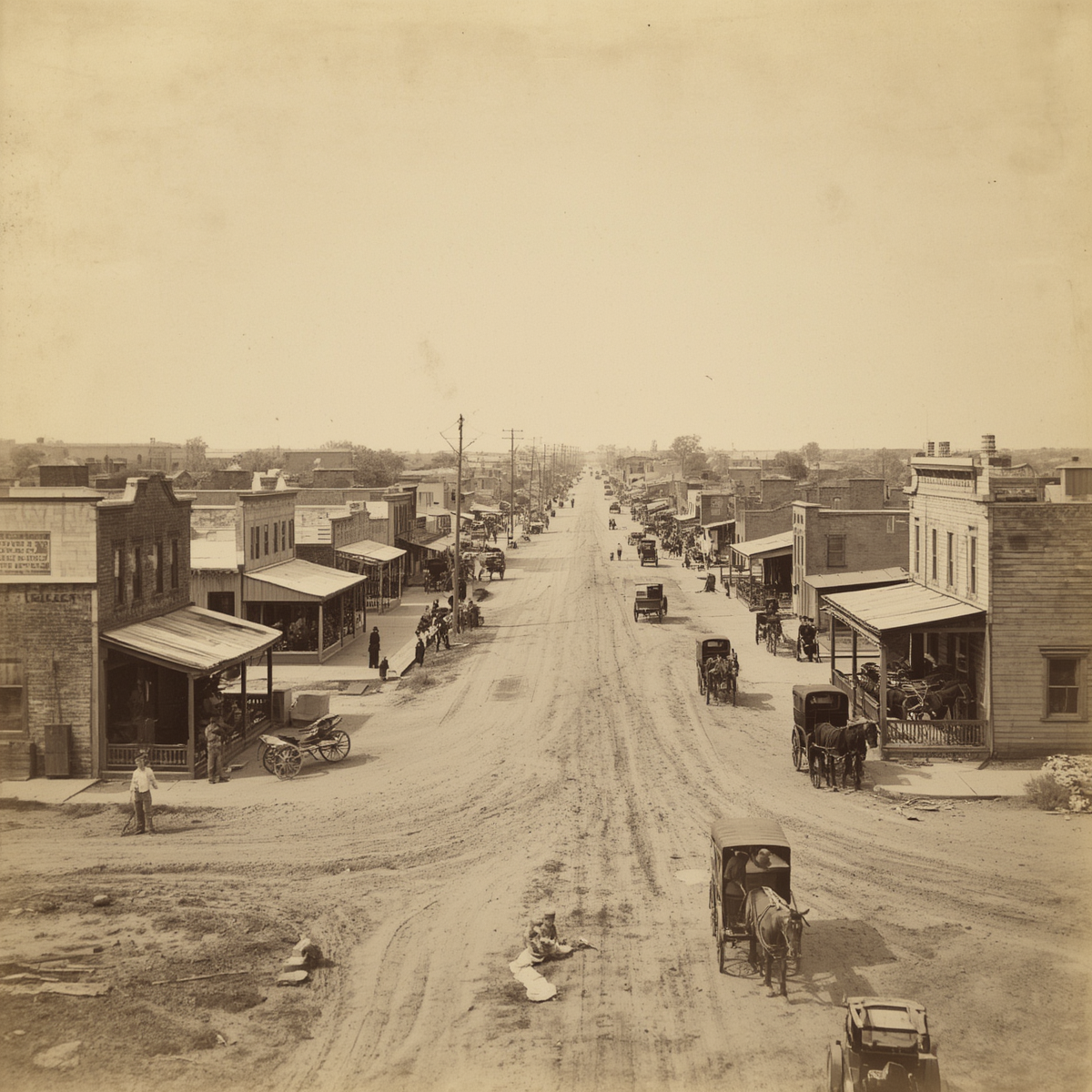
Lawton’s Living History: Frontier Lore & Restless Spirits

Lawton is the fourth-largest city in Oklahoma, located in the southwest part of the state in Comanche County. Lawton sits near the Wichita Mountains about 85 miles southwest of Oklahoma City and has a population of roughly 90,000 people. It is a crossroads of frontier history, military life, Native American culture, and surprising spectral lore. Nestled in the southwest corner of the state at the edge of the Wichita Mountains, Lawton is both a modern city and a place where the past (and some say, its restless dead) remain close to the surface.

Ghost stories and hauntings around Lawton’s mix of military cemeteries, historic buildings, old hospitals, and frontier-era trauma creates rich fodder for ghost lore. Below are some of the local legends, reported hauntings, and hotspots that paranormal travelers often chase.
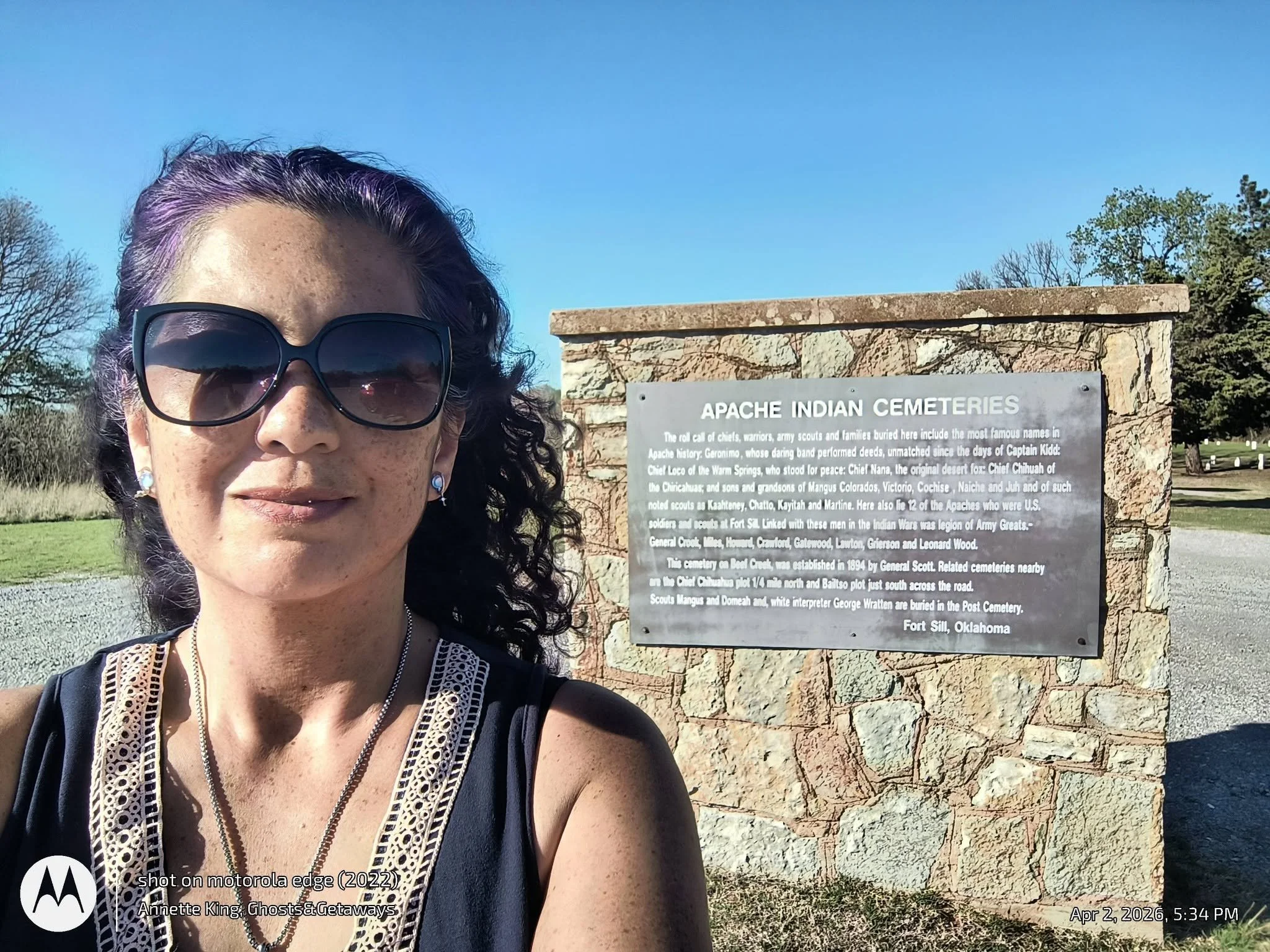
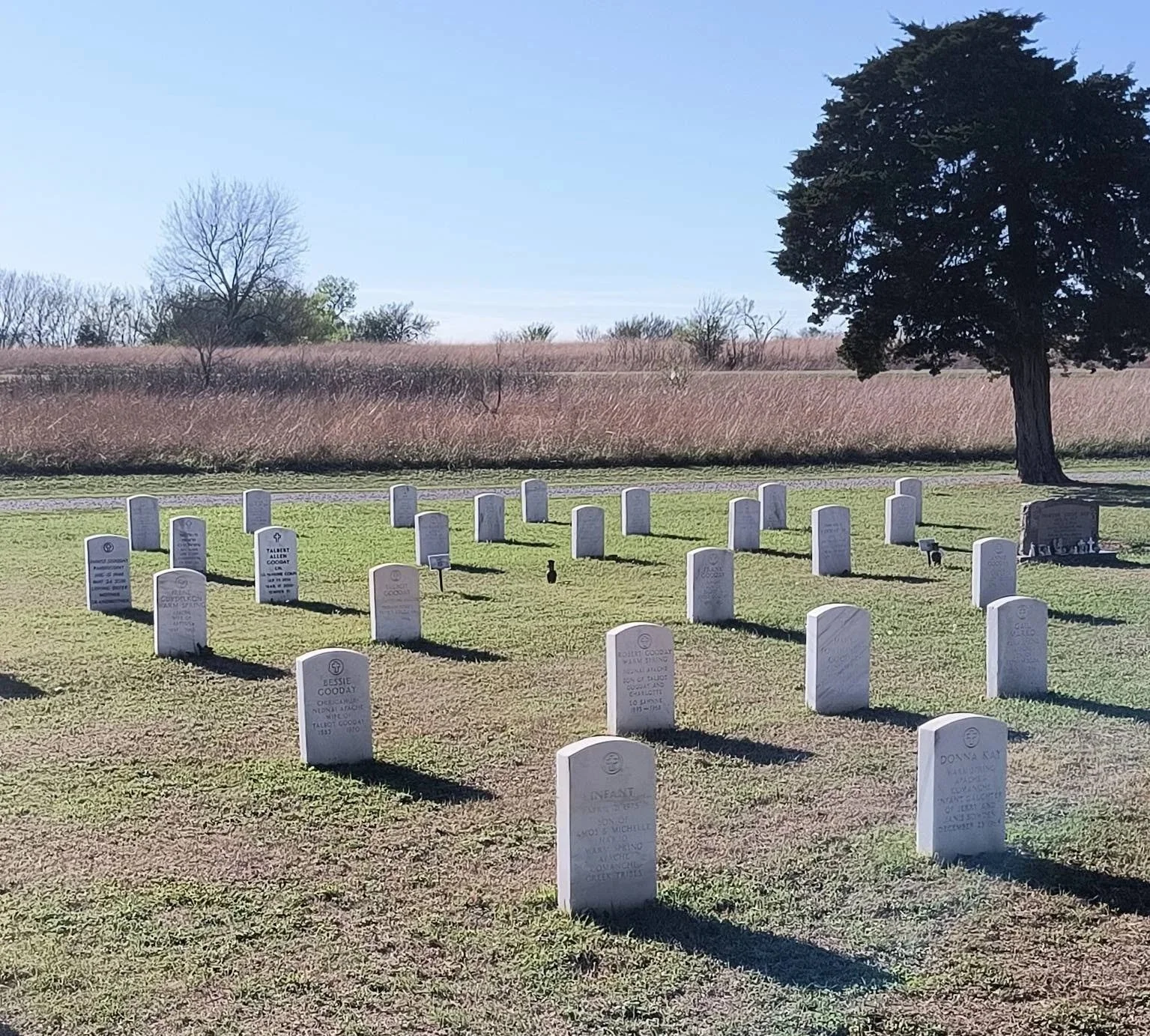
Fort Sill: A Brief History

Fort Sill, located near Lawton, Oklahoma, was established in November 1869 as a U.S. Army post on the southern plains. It was created during the Indian Wars era to control and contain Plains tribes, protect settlers and supply lines, and serve as a base for military campaigns in the region.

Early years and the Indian Wars (1869–1890s)

  • Founding: The fort was founded under the command of Major General Philip H. Sheridan; it was named for Brigadier General Joshua W. Sill, a Civil War officer who died in 1862.

  • Strategic role: Fort Sill guarded the southern plains and the newly constructed military roads. Its presence aimed to stabilize the region after the Red River War (1874–1875) and other conflicts by projecting federal power and sheltering supply trains and settlers.

  • Notable figures: Lieutenant Henry H. Sibley and other officers served at the fort, but the most famous association is with General Nelson A. Miles and, crucially, Apache leader Geronimo—who was held at Fort Sill after his 1886 surrender.

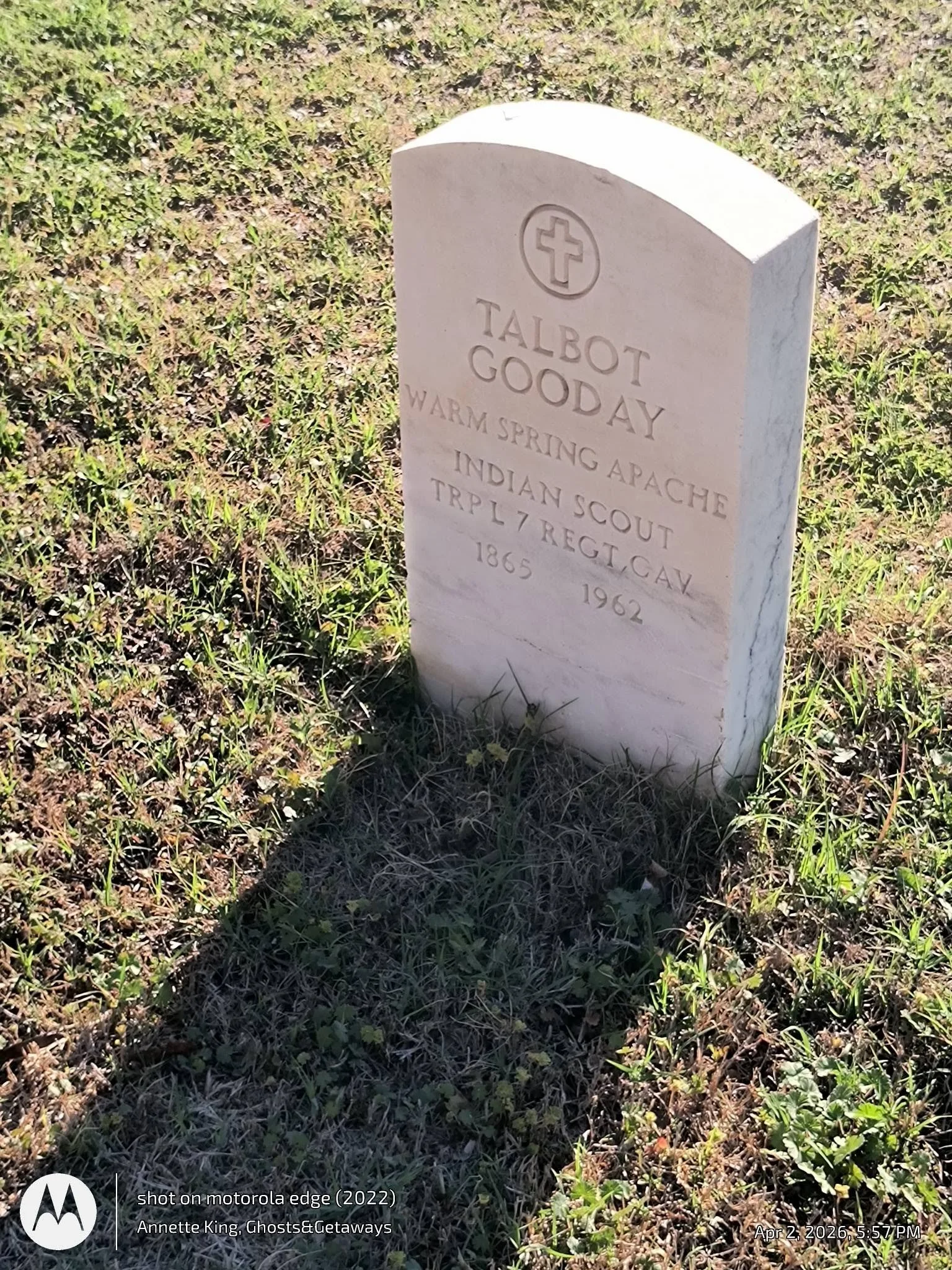
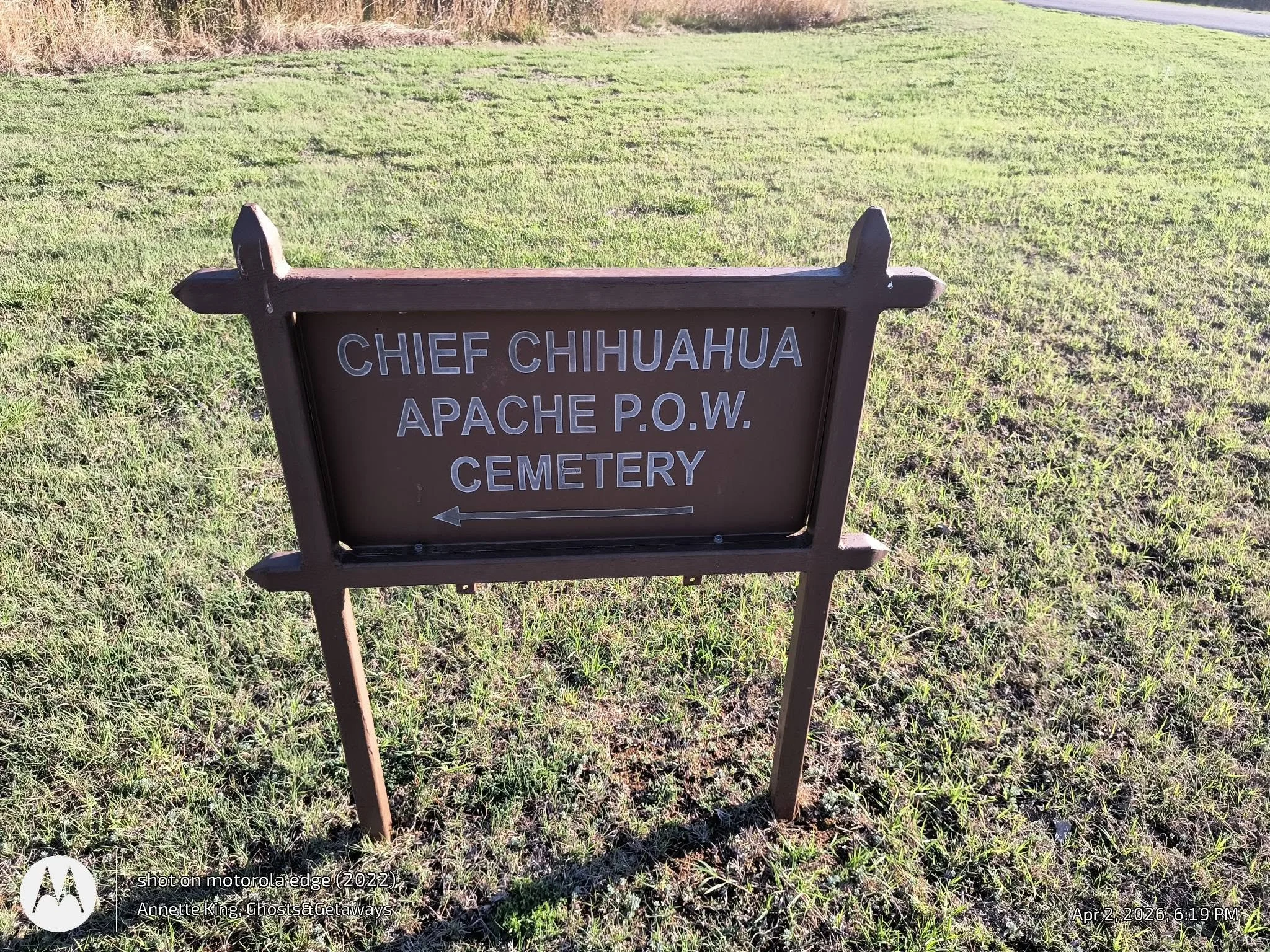
  • Geronimo and the Apache: After Geronimo surrendered to General Miles in 1886, he and other Chiricahua Apache prisoners were transported to Fort Sill. Geronimo lived at Fort Sill until his death in 1909. His gravesite is on the post and has been a site of controversy and pilgrimage.
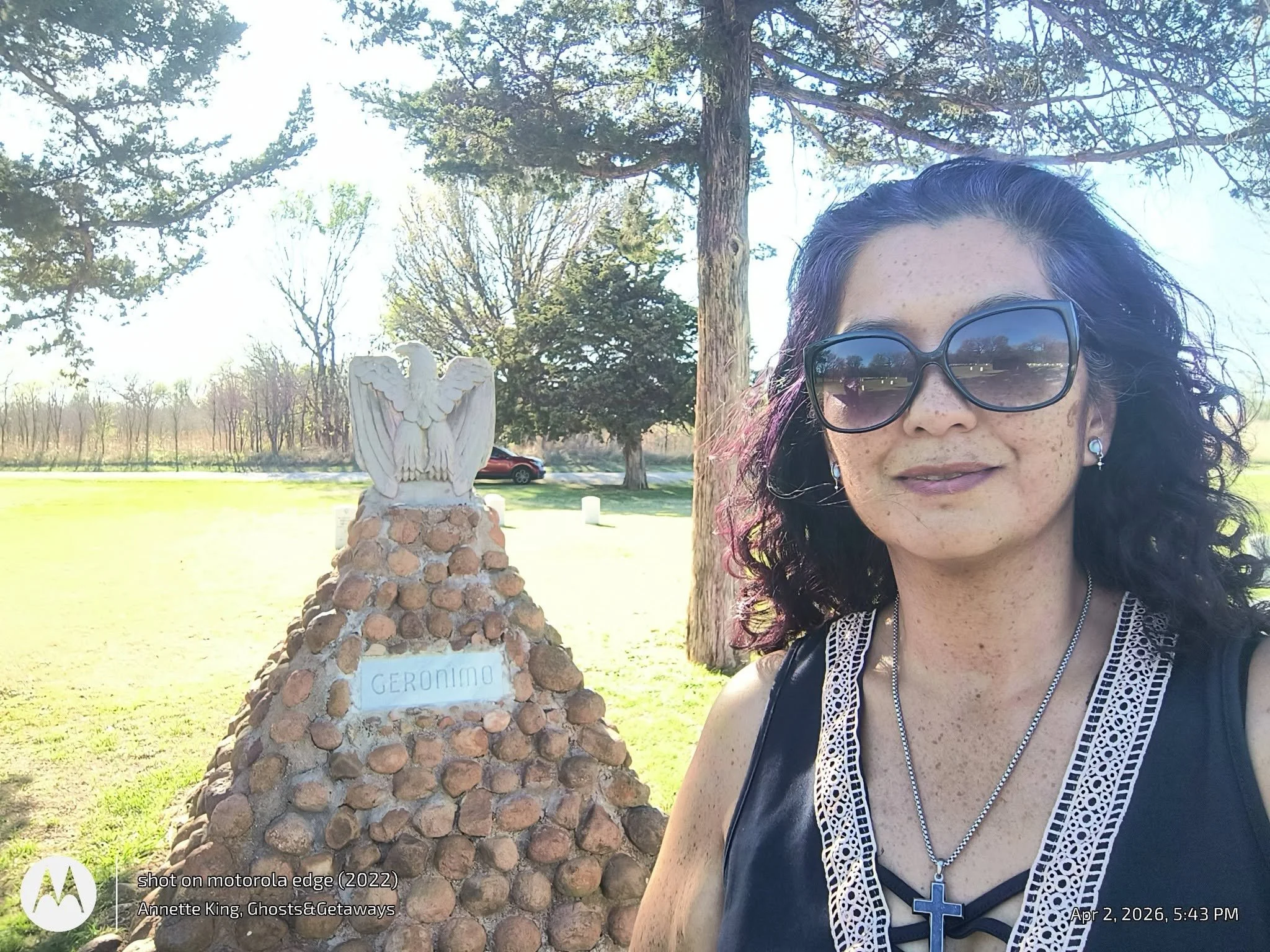
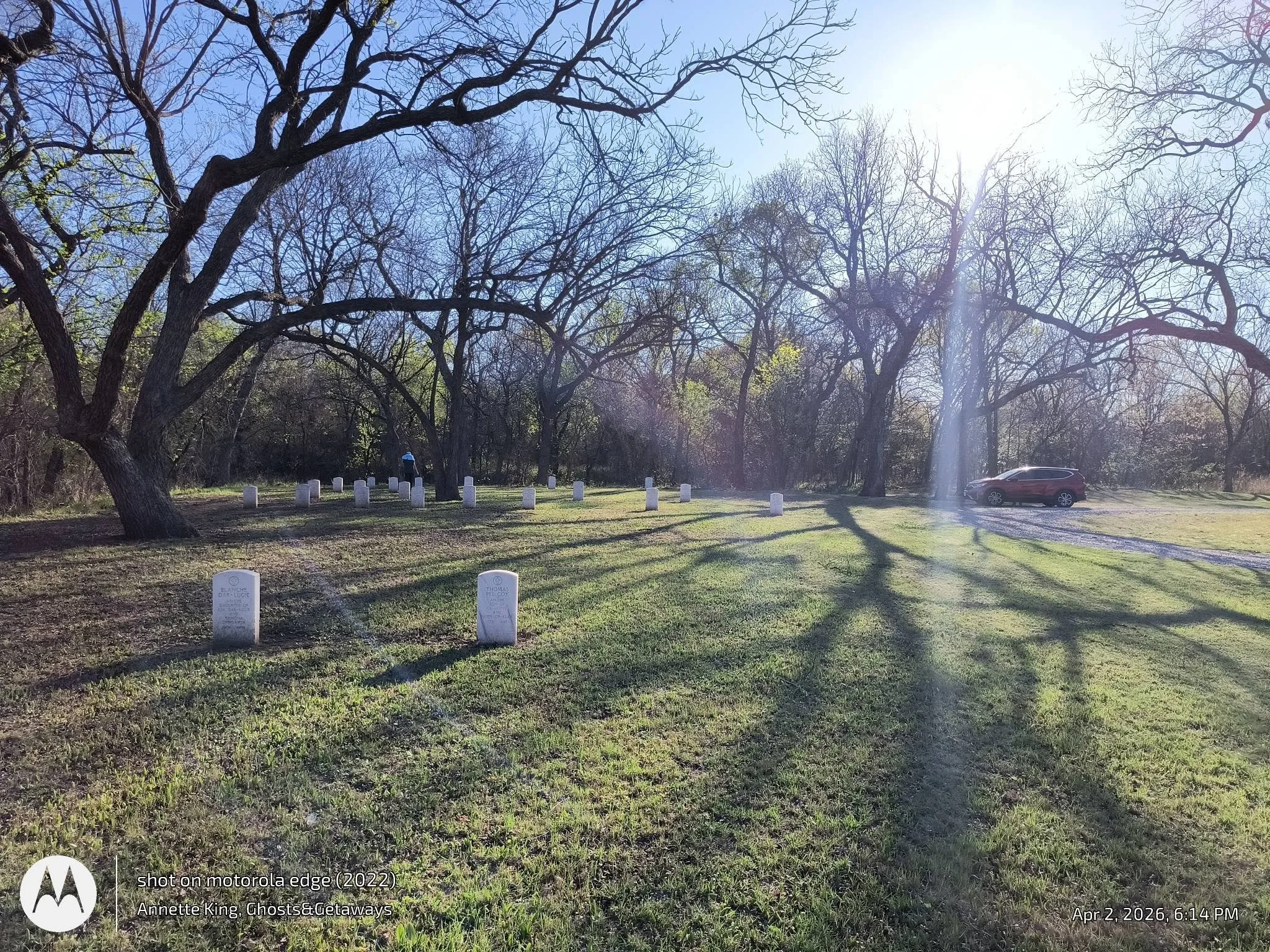
Geronimo’s grave
Buffalo Soldiers and cavalry

  • African American regiments: Fort Sill hosted units of the 10th Cavalry and other “Buffalo Soldier” regiments. These Black soldiers played key roles in frontier duty, scouting, and campaigns against hostile bands, while simultaneously facing segregation and racial discrimination.

  • Cavalry tradition: The fort became a center for cavalry operations on the southern plains, contributing to the Army’s mounted traditions and tactics during the late 19th century.

Transition to a training and artillery center (early 20th century)

  • Artillery development: Fort Sill evolved into the Army’s primary artillery training center. In 1911, the School of Fire for Field Artillery (later the U.S. Army Field Artillery School) was established—cementing Fort Sill’s role in developing artillery doctrine, tactics, and training.

  • World Wars impact: During World War I and World War II, Fort Sill expanded as a training base for artillerymen and support troops. Many soldiers trained there before deploying overseas.

Wider 20th-century uses

  • Prisoner of War camp: During World War II, parts of Fort Sill served as a POW camp for captured Axis soldiers.

  • Aviation and technical training: The post incorporated aviation observation and later technical training elements as artillery became more mechanized and reliant on electronics and aviation support.

  • Cold War and modern era: Fort Sill continued as the home of the Field Artillery School and adapted to modern artillery systems, including rockets and missile-related training and tactics. It remains a major training installation for the U.S. Army.
Hauntings at Fort Sill

  1. Geronimo’s Prison Cell

  • Background: After his 1886 surrender, Geronimo was confined at Fort Sill until his death in 1909. His presence casts a long shadow over the post.

  • Reports: Visitors and staff report a heavy, oppressive atmosphere near the cell area, sudden drops in temperature, and feelings of sadness or anger. Some have reported whispers or soft singing. While many accounts are respectful — sensing the weight of history rather than overt malevolence — the charged emotions tied to his confinement make this a focal point for paranormal interest.

    2. Old Post Cemetery (Henry Post Army Airfield area)

  • Background: The post cemetery contains graves of soldiers and dependents dating back to the 19th century.

  • Reports: Photographers and night visitors sometimes capture orbs and unexplained mists in photos. Witnesses describe shadow figures or a sense of being followed along cemetery paths. Some stories describe a lone rider or horseback apparition glimpsed near the cemetery’s edge — possibly a memory of cavalry days.

    3. Museum and Historic Buildings (Post Headquarters / Battery areas)

  • Background: Fort Sill’s museum buildings were used for offices, barracks, and medical facilities over decades.

  • Reports: Staff and researchers have reported disembodied footsteps in empty hallways, doors opening on their own, and objects moved from their places. Some tell of phantom trumpet calls or bugle notes heard at odd hours, thought to be residual echoes of military life.

    4. Geronimo’s Chapel / Religious Buildings

  • Background: Mission and chapels served the spiritual needs of soldiers and families.

  • Reports: People report cold spots, sudden feelings of being watched, and the sense of someone passing through pews. Some visitors describe hearing indistinct chanting or prayer-like sounds after hours.

    5. Building 12 and Old Barracks

  • Background: Older barracks and officers’ quarters have housed generations of troops.

  • Reports: Accounts include apparitions in period uniforms, unexplained footsteps, and the smell of tobacco or pipe smoke in otherwise empty rooms. Some investigators have recorded EVPs (electronic voice phenomena) that sound like names, short phrases, or murmurs.

Today Fort Sill is an active U.S. Army post serving as the home of the U.S. Army Field Artillery School and several tenant units. It preserves its historical legacy through museums, historic sites, and commemorations while continuing to function as a modern training installation. The site’s layered past—military, Native American, African American Buffalo Soldier service, and frontier expansion—makes it a compelling place for visitors interested in military history, the Indian Wars, and the complex stories of the American West.

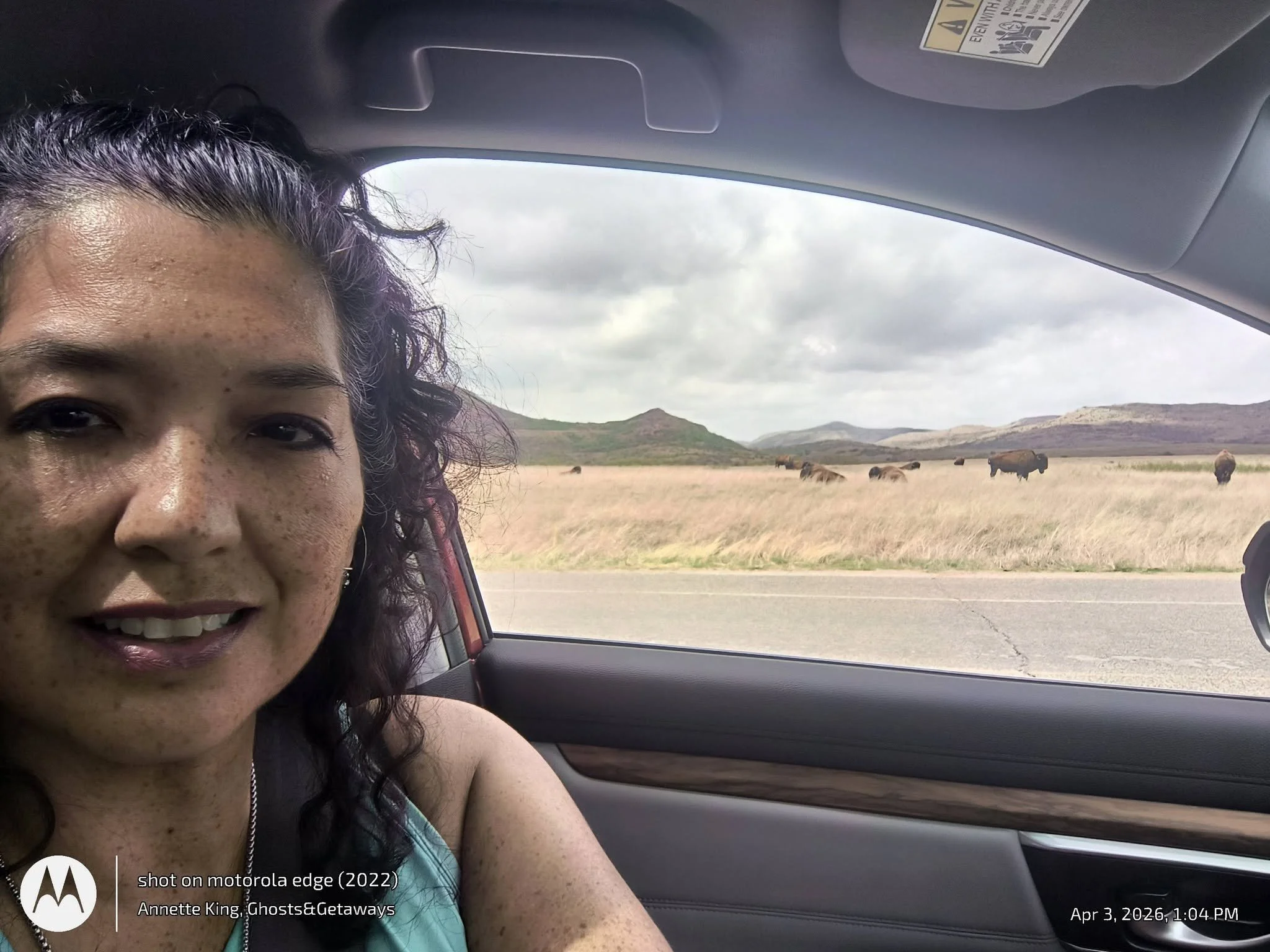
Bison roaming freely
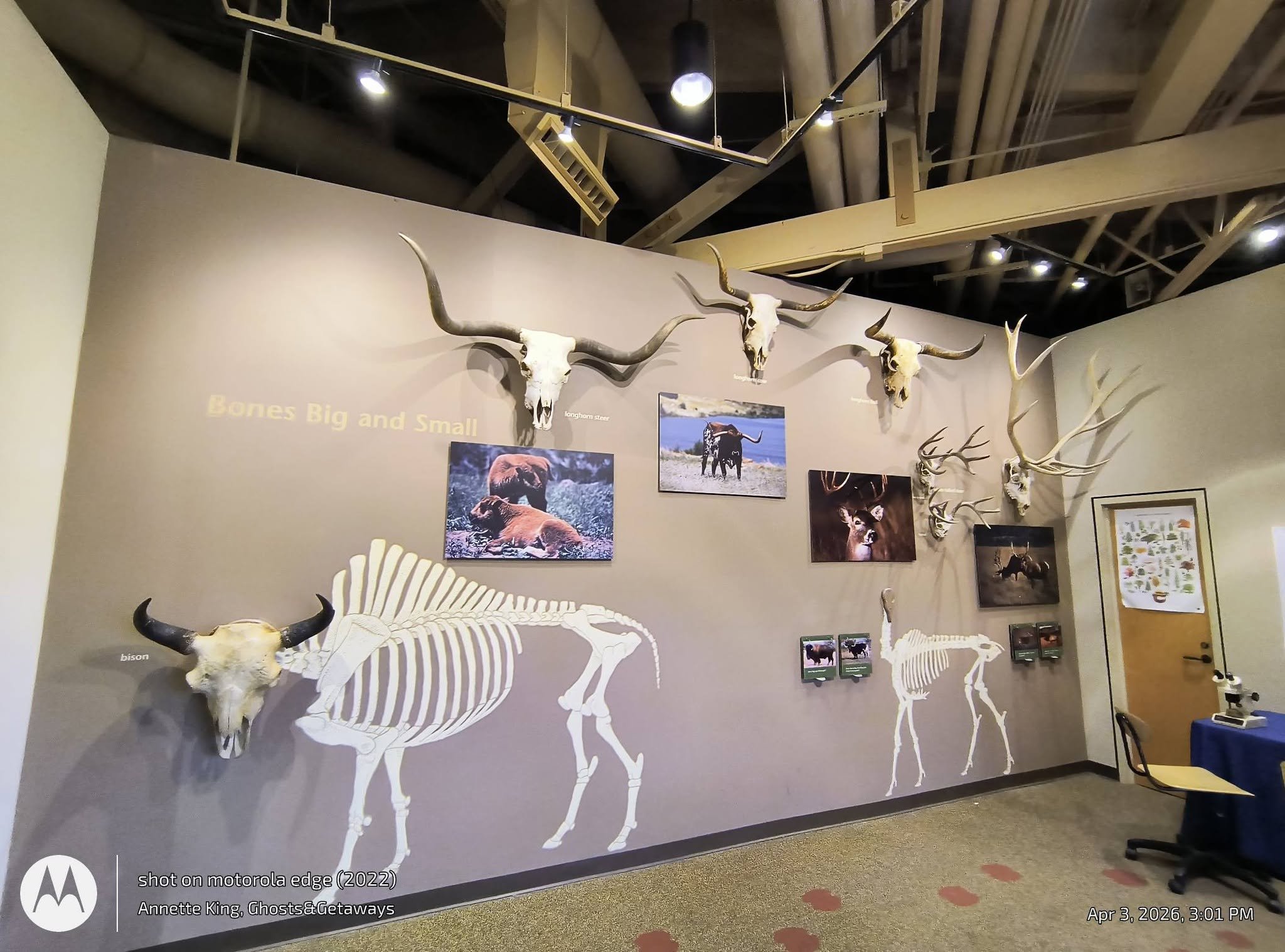
Wildlife Refuge Visitors Center

Wichita Mountains Wildlife Refuge

Just northwest of the city lies this stunning federal refuge — one of the oldest in the U.S. — featuring granite peaks, prairie, and free-roaming bison, longhorn cattle, and elk. It's a popular destination for hiking, rock climbing, and wildlife viewing. The Holy City of the Wichitas can be found by taking a beautiful drive through the refuge. It is the site of an outdoor Easter pageant so plan accordingly if you plan to visit during the Easter season (tours are not always available during that time).

Places to visit and experience

  • Wichita Mountains Wildlife Refuge: The refuge is the crown jewel—open grasslands, granite peaks, lakes, and a free-roaming bison herd. Trails, overlooks, and wildlife viewing are accessible; sunrise from Mount Scott is especially stirring.

  • Mount Scott: A short drive and hike yield panoramic views across the plains. Good spot for photography, quiet reflection, and (for some) a place to feel the area’s spiritual energy.

  • Elk Mountain and Cathedral Mountain: Popular for rock outcrops and vistas, these spots attract hikers and those seeking solitude or ritual moments.

  • Historic sites around Lawton and Fort Sill: Museums and markers provide context on military history, Indigenous removal, and frontier life—necessary background to understand the region’s layered past.

  • Local cemeteries and memorials: Small family or pioneer cemeteries can be powerful sites for history and ghost lore; treat them respectfully.
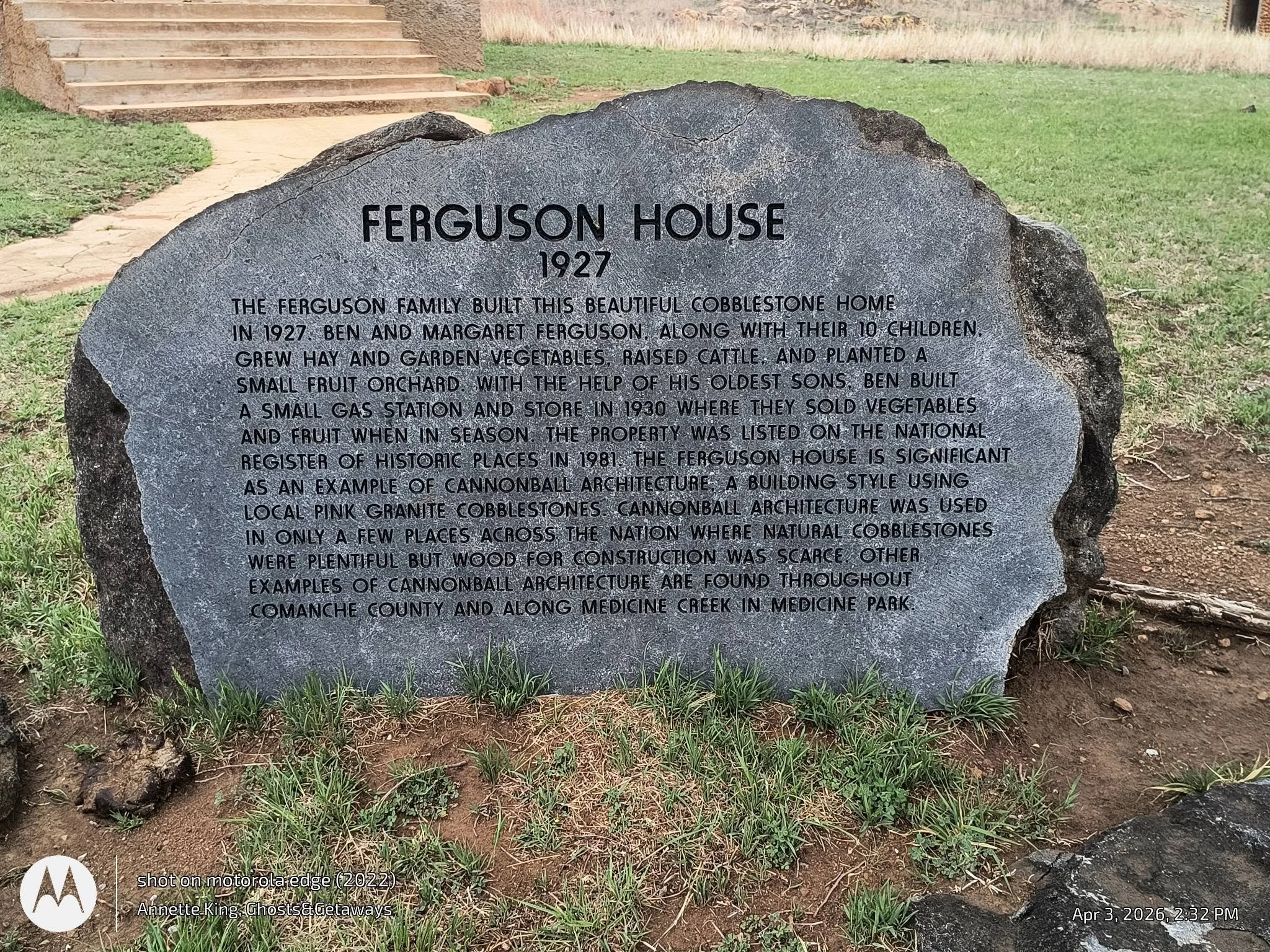
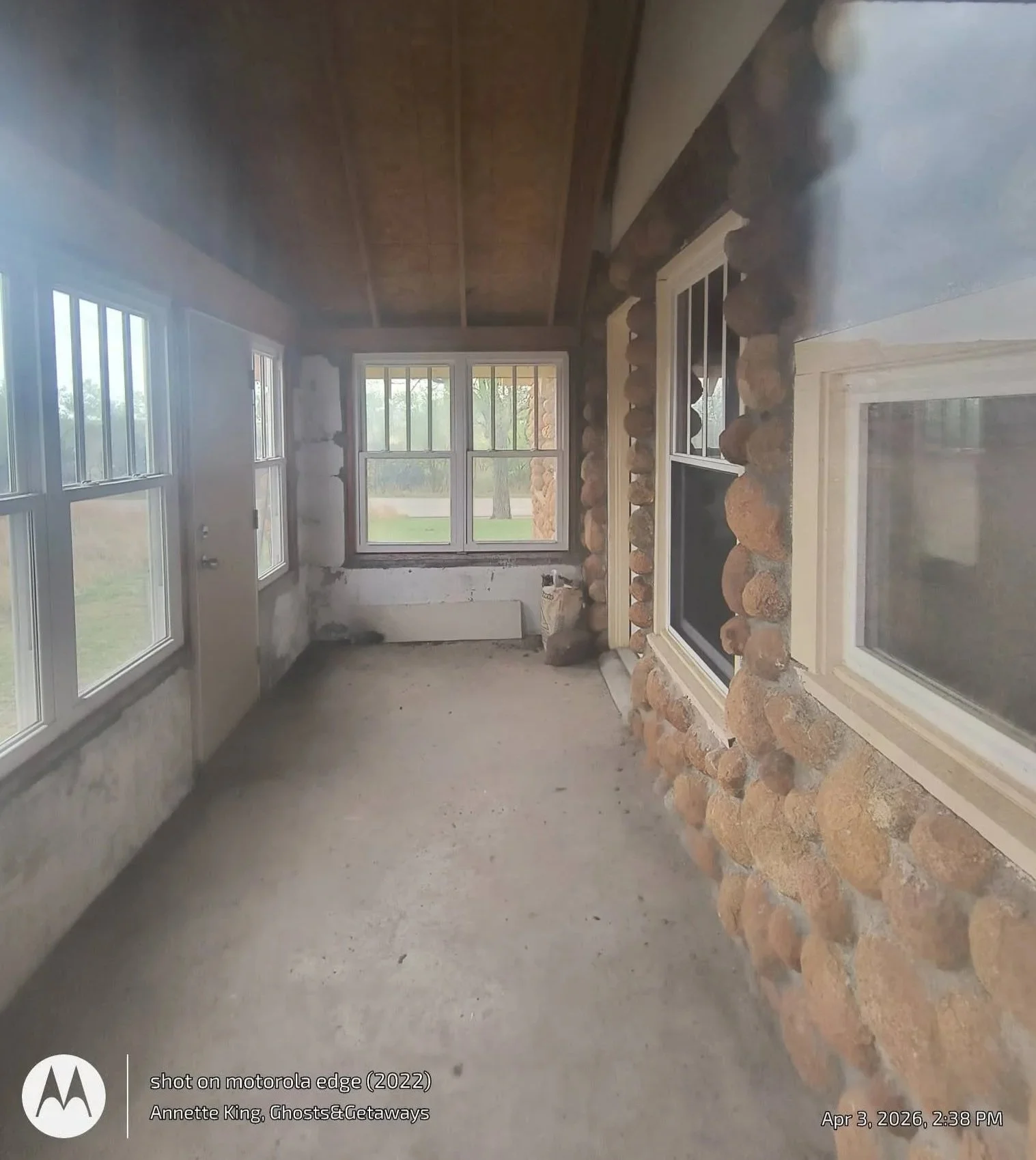
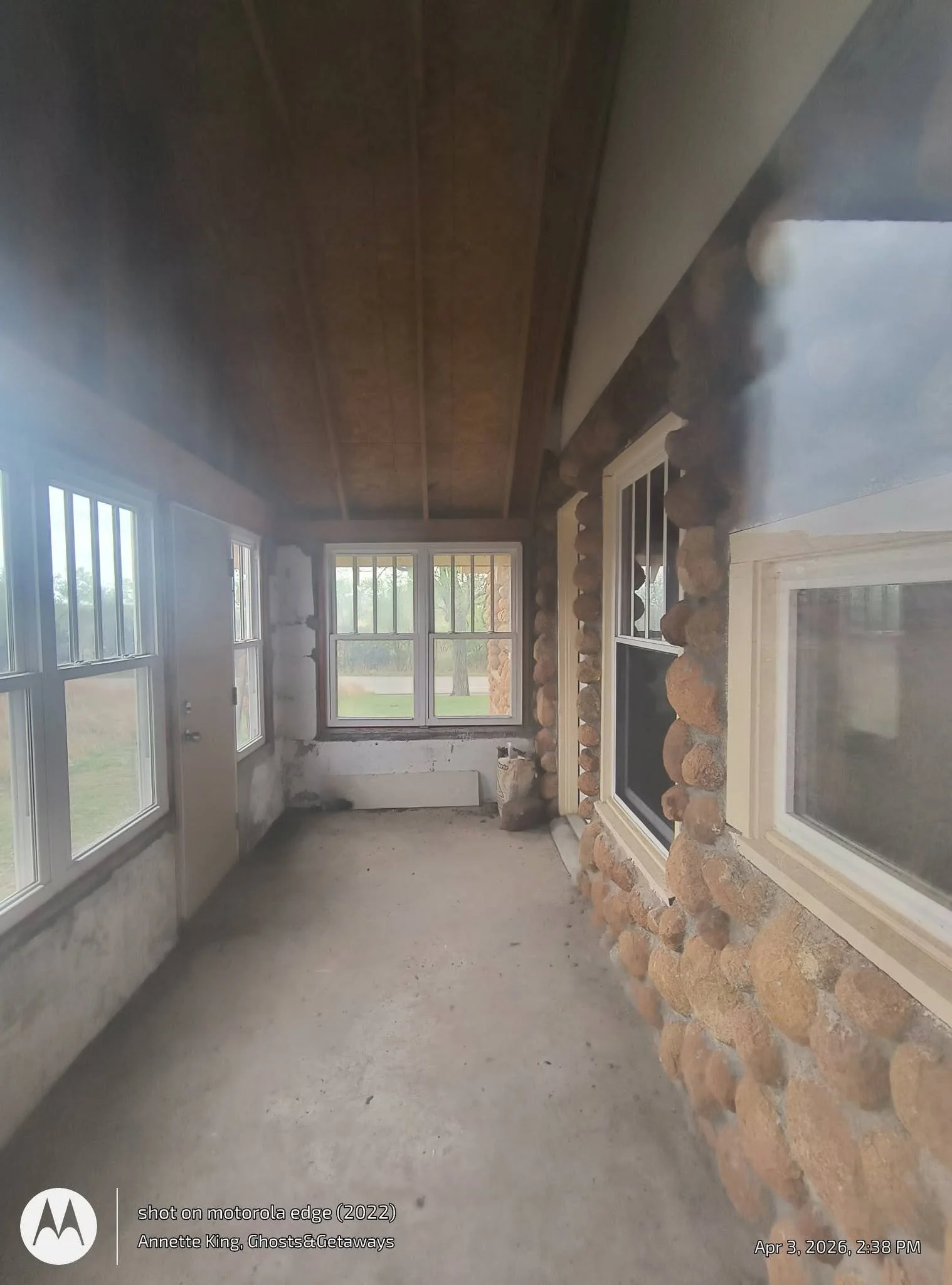
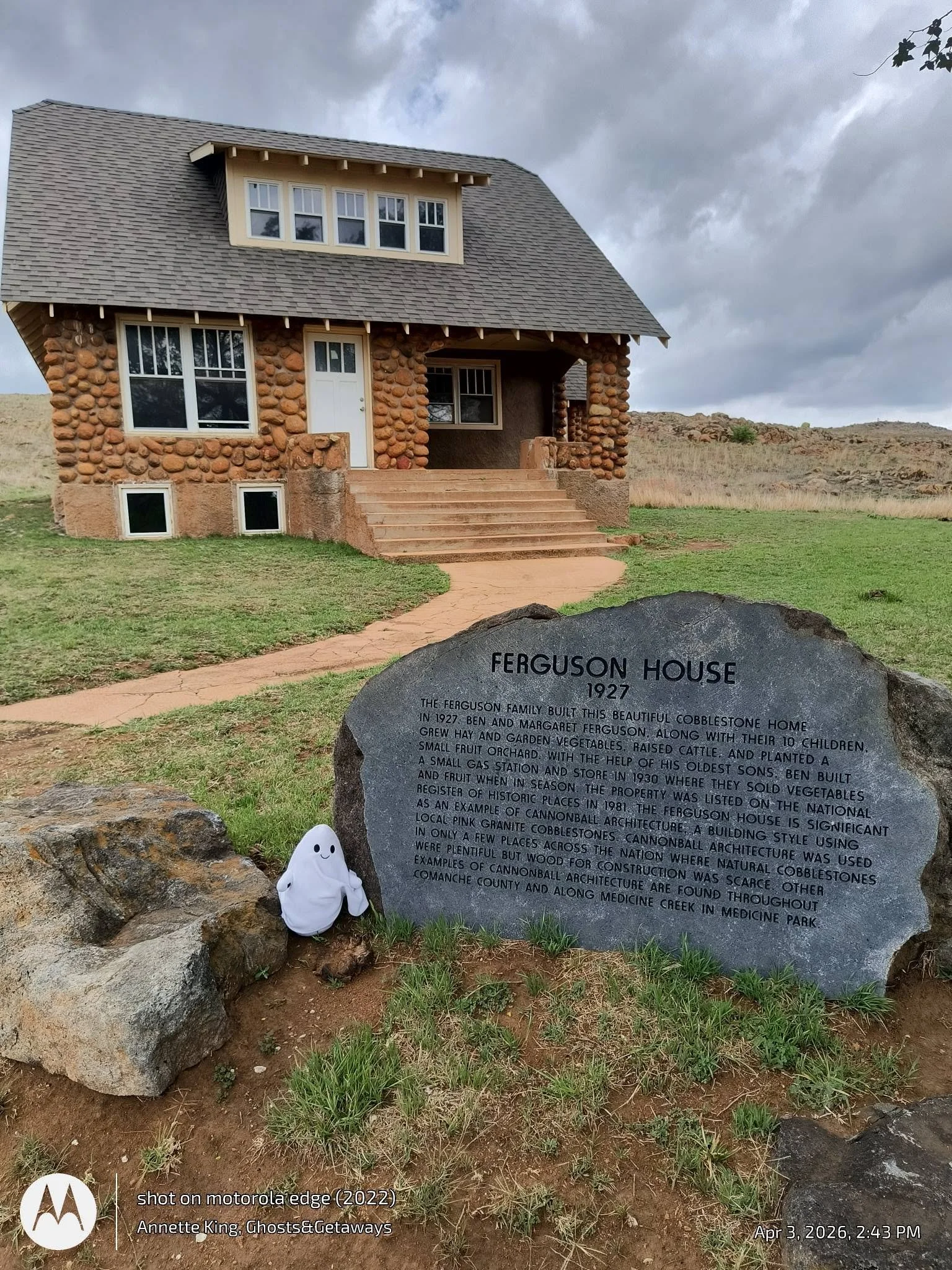
The Ferguson House is one of several historic buildings that sit inside the Wichita Mountains Wildlife Refuge. It reflects early 20th-century settlement, land use, and the human stories layered into this landscape of granite outcrops, mixed grass prairie, and roaming bison.

History and significance

  • Built around the early 1900s by or for homesteading families associated with the Wichita Mountains area, the house is often linked by local historians to the Ferguson family (or families with similar names) who lived, worked, and adapted to life on the plains. Exact construction dates and full family histories can vary by source, but the building is representative of rural domestic architecture from that era.

  • Structures like the Ferguson House help tell the story of early ranching/homesteading life, showing how families sheltered, stored goods, and managed everyday living in a semi-remote landscape.

Architecture and condition

  • The house is modest and utilitarian in design: wood-frame construction, simple rectangular plan, gable roof, and porches or outbuildings typical of working rural homes. Materials and workmanship reflect what was locally available and practical for the time.

  • Over the decades, exposure to weather and occasional vandalism have affected many refuge structures. Some are stabilized or preserved for historical interpretation; others remain in a fragile, picturesque ruin state. The Ferguson House often reads as an evocative relic — photogenic, rustic, and a visible marker of human presence amid wild surroundings.

  • Located within the refuge, the house is accessible by refuge roads and trails.
Paranormal and folklore notes

  • As with many isolated historic houses, local lore sometimes attributes ghost stories or strange sightings to former occupants or to the weight of history. While the house is not widely considered haunted, the surrounding region is steeped in spooky local folklore, the cobblestone house itself is famous for its history, architecture, and tragic displacement, rather than paranormal activity.

  • If you’re visiting with paranormal curiosity, treat the site respectfully: it’s primarily a cultural/historical resource inside a federally managed wildlife area.

Practical tips

  • Visit during daylight; cell reception can be spotty.

  • Combine a stop at the Ferguson House with hikes nearby (e.g., around Mount Scott, the Baldy Point area) and wildlife viewing opportunities.

Local Area Hauntings

  • The Old Plantation Restaurant in Medicine Park, Oklahoma, sits in a rustic stone building that dates back to the early 20th century, when the resort town grew around a man-made cobblestone bridge and mineral springs; the eatery has long been a local hub for Southern-style comfort food and community gatherings. Over the years patrons and staff have spun tales of lingering echoes from the past: a sorrowful woman in an old dress who appears at closing time, footsteps in the empty dining room, and the occasional collapsed chair or swinging light that seems to happen after midnight. Employees report unexplained cold spots near the kitchen door, silverware that shifts overnight, and the sensation of being watched while cleaning—stories locals attribute to a former owner who insisted the restaurant remain open through hard times and, some say, never truly left. Whether you chalk it up to creaky floorboards and town lore or something more spectral, the Old Plantation keeps serving up history with a side of the uncanny.

  • The Mattie Beal House in Lawton, Oklahoma, is a striking early-20th-century Colonial Revival home built in 1908 for Mattie Beal, a famed young Oklahoma landowner who won a lot in the 1901 Land Run and later became a socialite and civic leader; the house has served as a private residence and a historic house museum preserving period furnishings and local history. Local lore says Mattie’s restless spirit and that of other early residents linger in the parlor and upstairs bedrooms—visitors report cold spots, the soft scent of lavender (said to be her favorite), doors opening on their own, and the sound of a woman humming or the patter of footsteps when no one is there. A few tour guides and guests claim to have seen a faint female figure in turn-of-the-century dress peering from the windows or gliding along the hall, while others simply feel an inexplicable sense of being watched; these stories have made the Mattie Beal House a small but popular stop for ghost-hunters and history buffs exploring Lawton’s haunted past.

  • Central Mall in Lawton, Oklahoma, opened in 1979 as a regional shopping hub anchored by major department stores and became a mid-sized focal point for commerce and community events through the 1980s and 1990s; after years of retail decline and anchor closures it has seen redevelopment efforts and a shifting mix of tenants. Locals whisper that the old east wing—once home to a dime store and a bustling arcade—harbors restless echoes: shoppers report flickering lights with no electrical cause, cold spots near an abandoned service corridor, and the faint sound of children’s laughter after hours, attributed by some to a tragic accident in the mall’s early days. Security staff have reported doors opening on their own and the sensation of being watched on the second-floor catwalk; whether urban legend or something more, the mall’s quieter corners lend themselves easily to stories that keep both history buffs and ghost hunters intrigued.

  • Parallel Forest in Lawton, Oklahoma, is a compact but eerie stand of trees wedged between neighborhoods, rumored to have been set aside in the early 20th century when land parcels followed old property lines and utility easements; locals say the grove gained its name because the trunks form unnaturally straight, parallel rows. Over the decades the forest accumulated whispers: teenagers tell of a child in a faded dress who appears at the tree line before vanishing, and a spectral figure who walks the narrow path at midnight carrying a lantern that never dims. Sightings also include disembodied footsteps, cold spots under the canopy, and the persistent sensation of being watched—enough that some residents avoid the patch after dark and claim their dogs bark at nothing. Whether haunted by a tragic accident, a lost wanderer, or the town’s old boundary ghosts, Parallel Forest keeps a quiet, restless presence in Lawton lore.

***********************

Lawton, Oklahoma is a compact city with a big personality: rich military history, Native American culture, outdoor adventure, and a growing food and music scene. It’s ideal for travelers who love hands-on history, scenic hikes, and authentic local diners—plus it’s an easy base for day trips to Fort Sill, Medicine Park, and nearby small towns. Visit Lawton for the mix: solid outdoor adventures, living Native American and military history, friendly folks, good local eats, and an accessible, authentic haunt-hopping scene that satisfies both the history buff and the ghost chaser.

Make this beautiful day count!

Annette


Next
Next

Stone Walls and Restless Souls: The Hauntings of Fort McKavett