
Shamrocks and Shadows: The Restless Spirits of Dublin, Texas
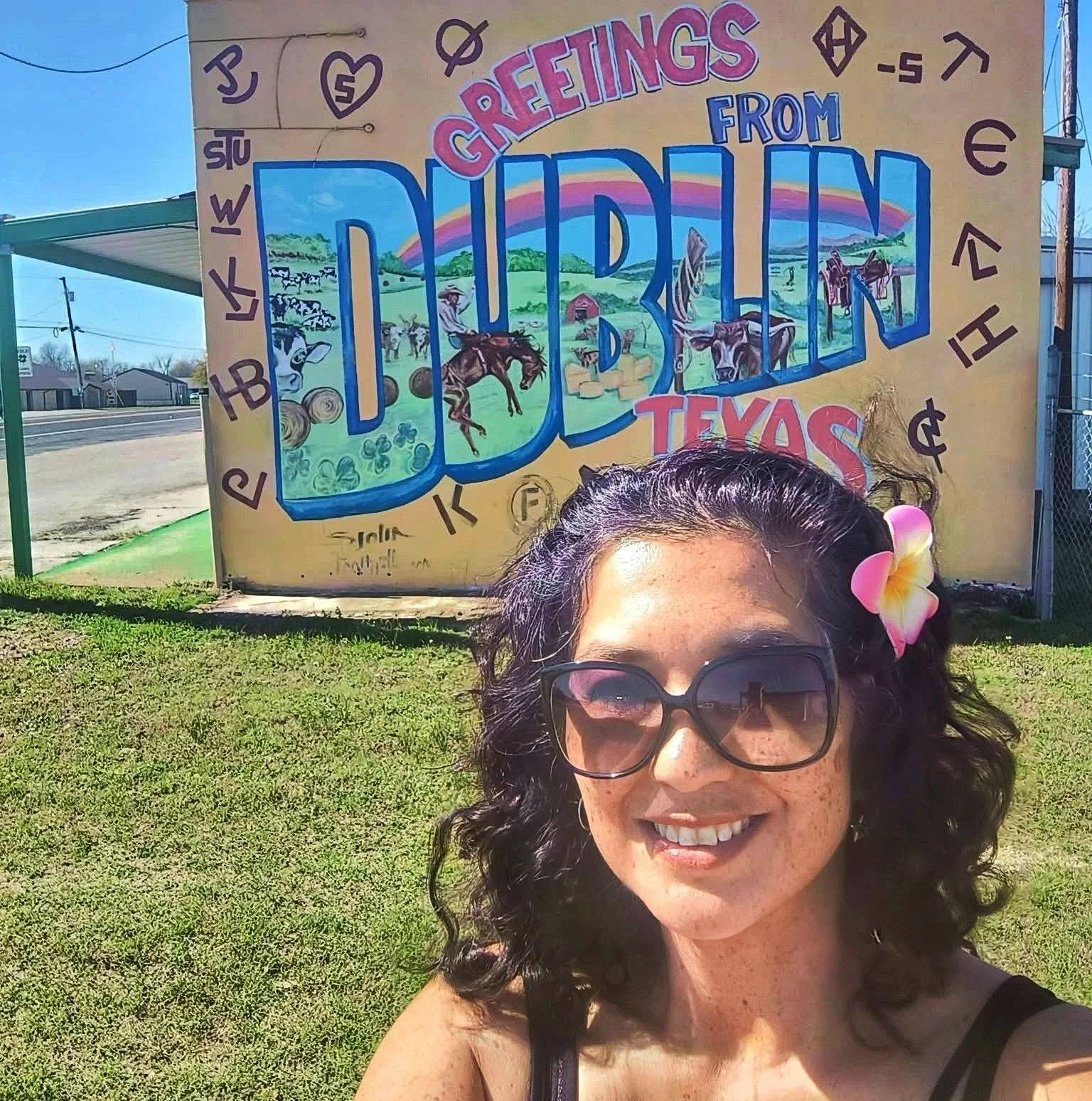
The Historic (and Haunted) Streets of Dublin, Texas
Welcome back! Today I want to take you to a small town in Erath County that punches way above its weight when it comes to history: Dublin, Texas. It's about 100 miles southwest of Fort Worth, and if you've ever cracked open an ice-cold Dr Pepper and wondered where that whole tradition really started, this is the town. But Dublin is about way more than soda — it's got pioneer forts, a golf legend's childhood blacksmith shop, a historic cemetery, and a handful of landmark buildings the locals will tell you never quite emptied out. Grab your travel journal, because this one's got a little bit of everything: history, hauntings, and a few stories that fall somewhere in between.
A Brief History of Dublin
Dublin's story starts in 1854, when A. H. Dobkins and family settled in a fertile area of Erath County. The Dobkins place did double duty as a home and a waystation on the Fort Worth-to-Yuma stage line. That dual purpose may be exactly where the town's name comes from — nobody agrees on the origin story. Some say it's a nod to Dublin, Ireland. Still others say it comes from the double-log cabins the earliest settlers built. By 1860 the settlement was known as "Doublin," and it kept that spelling for decades before settling into "Dublin."
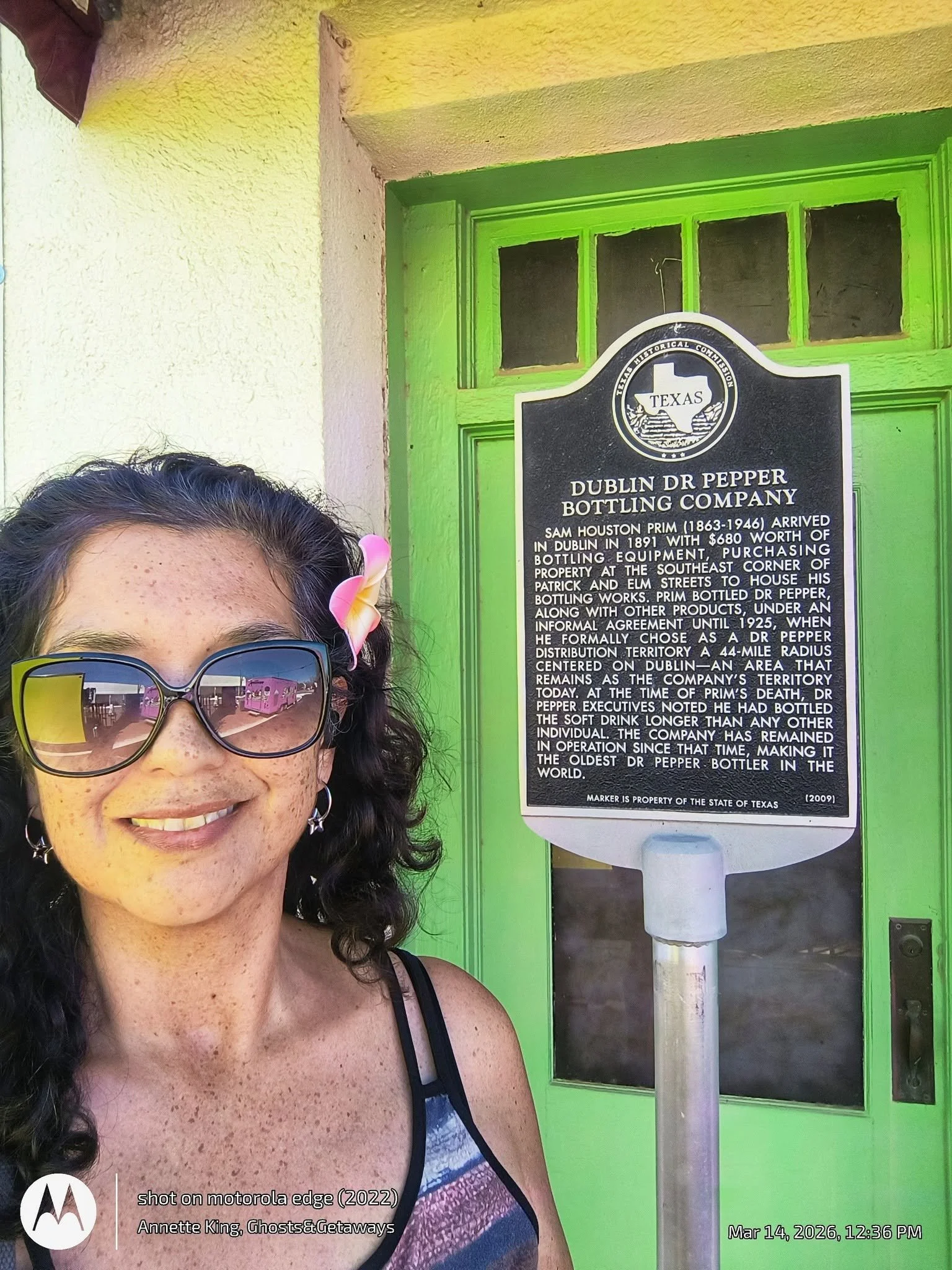
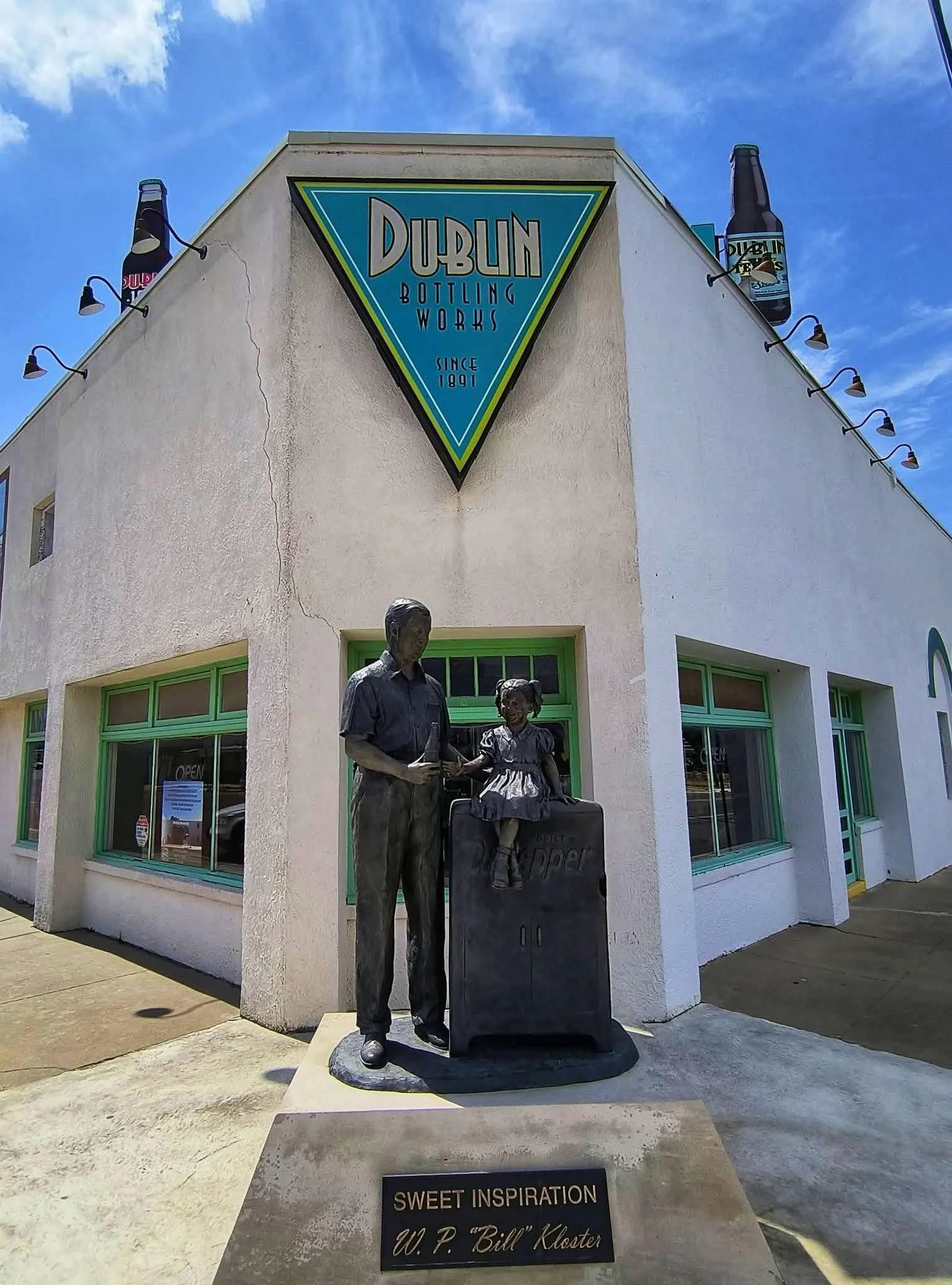
Cotton, cattle, and grain built Dublin's early economy, but it's a soda for which the town is known. In 1891, Sam Houston Prim arrived with $680 worth of bottling equipment and set up shop at Patrick and Elm Streets. For the next 135-plus years, Dublin was home to the oldest Dr Pepper bottling plant in the world, and the only place making the drink with pure cane sugar instead of corn syrup — people really did drive for hours just to taste it. A 2012 legal dispute ended that, but the original building lives on today as Dublin Bottling Works, still turning out cane-sugar sodas.
Historic Landmarks Worth a Stop
Before we get to the ghost stories, here's where to point your car if you want to see Dublin's history in person.
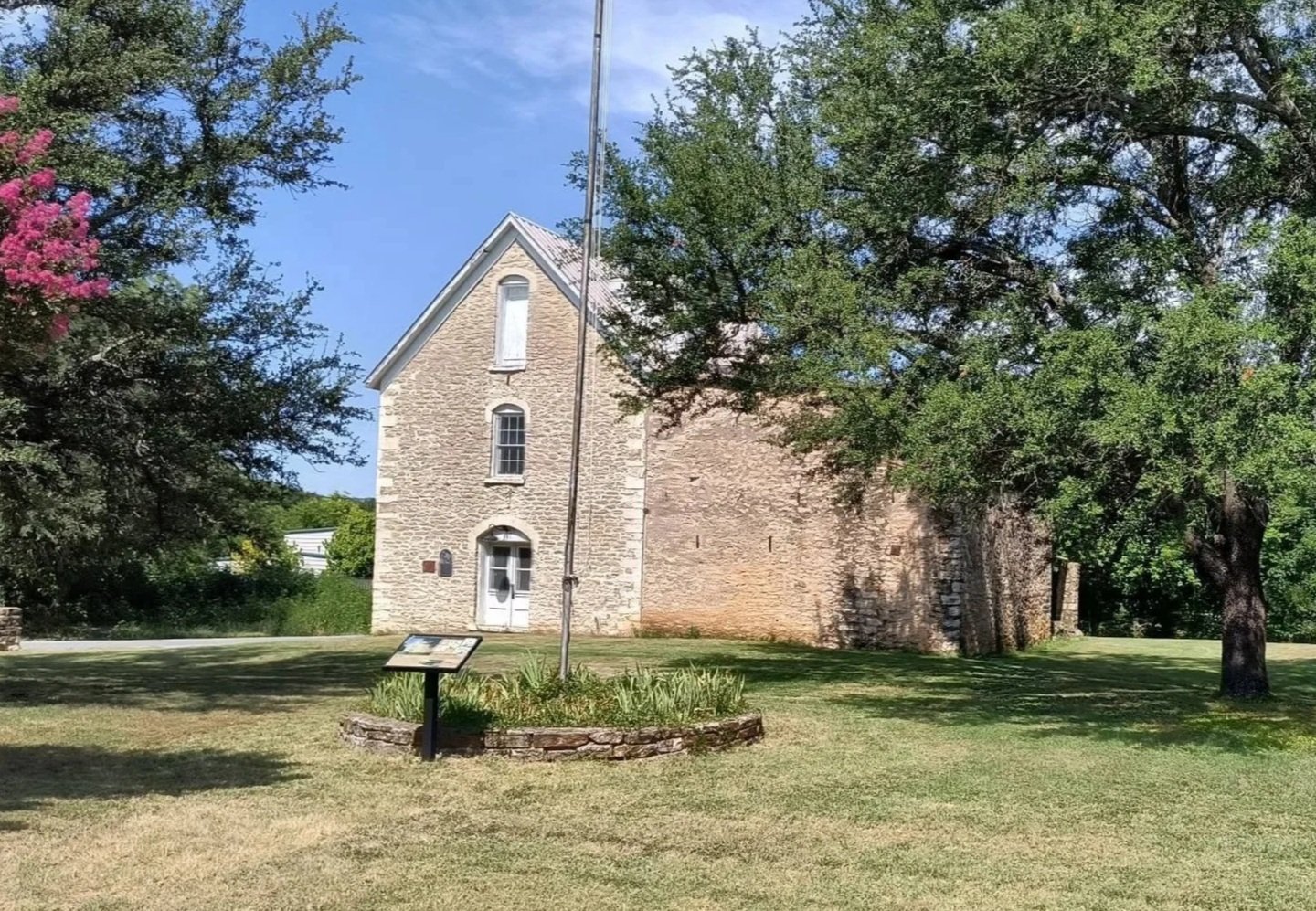
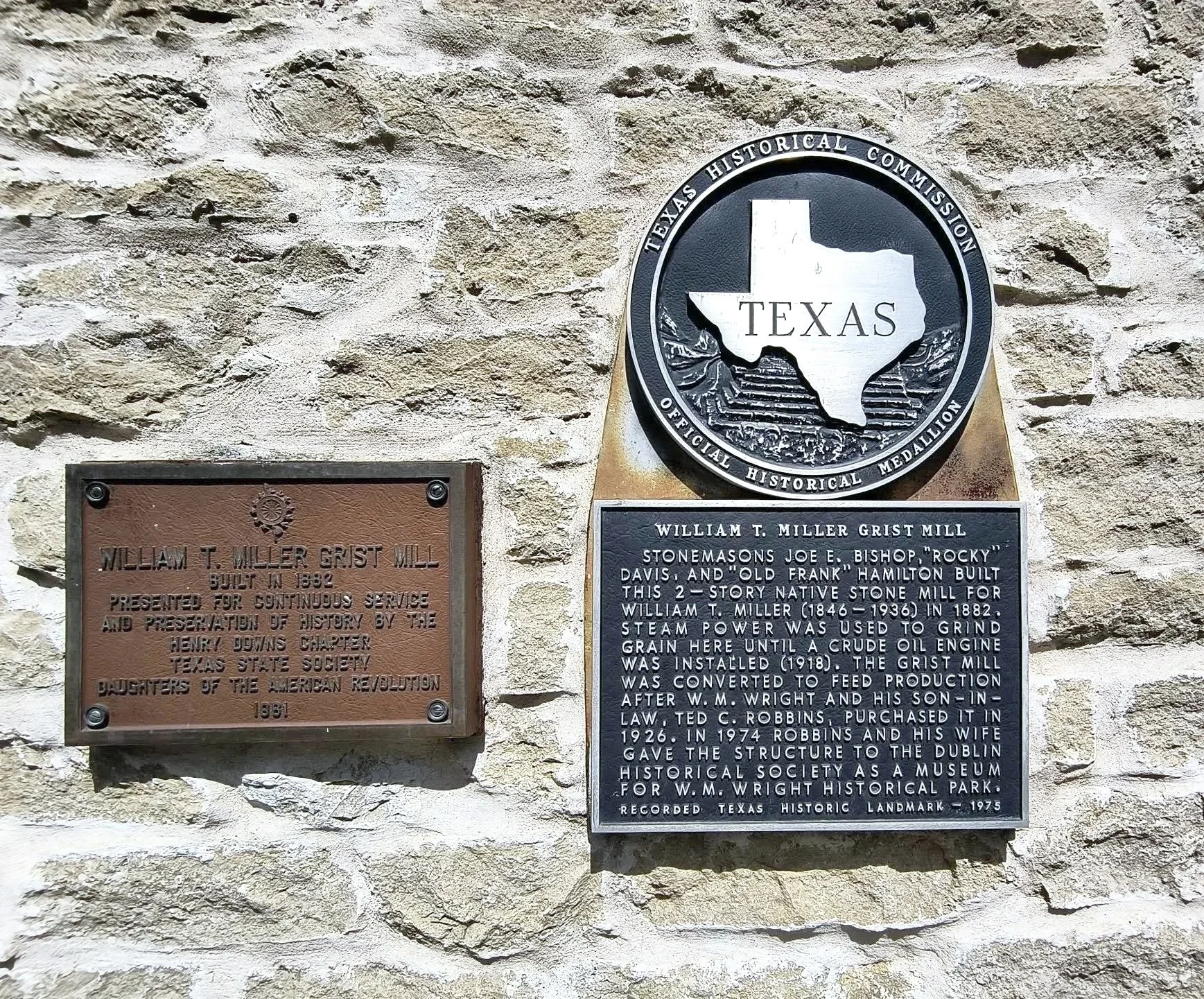
W. T. Miller Grist Mill (1882). This two-story native stone mill was the first rock building in downtown Dublin. Steam power ground the grain here until 1918 when a crude oil engine took over. You can visit the restored mill today at W. M. Wright Historical Park.
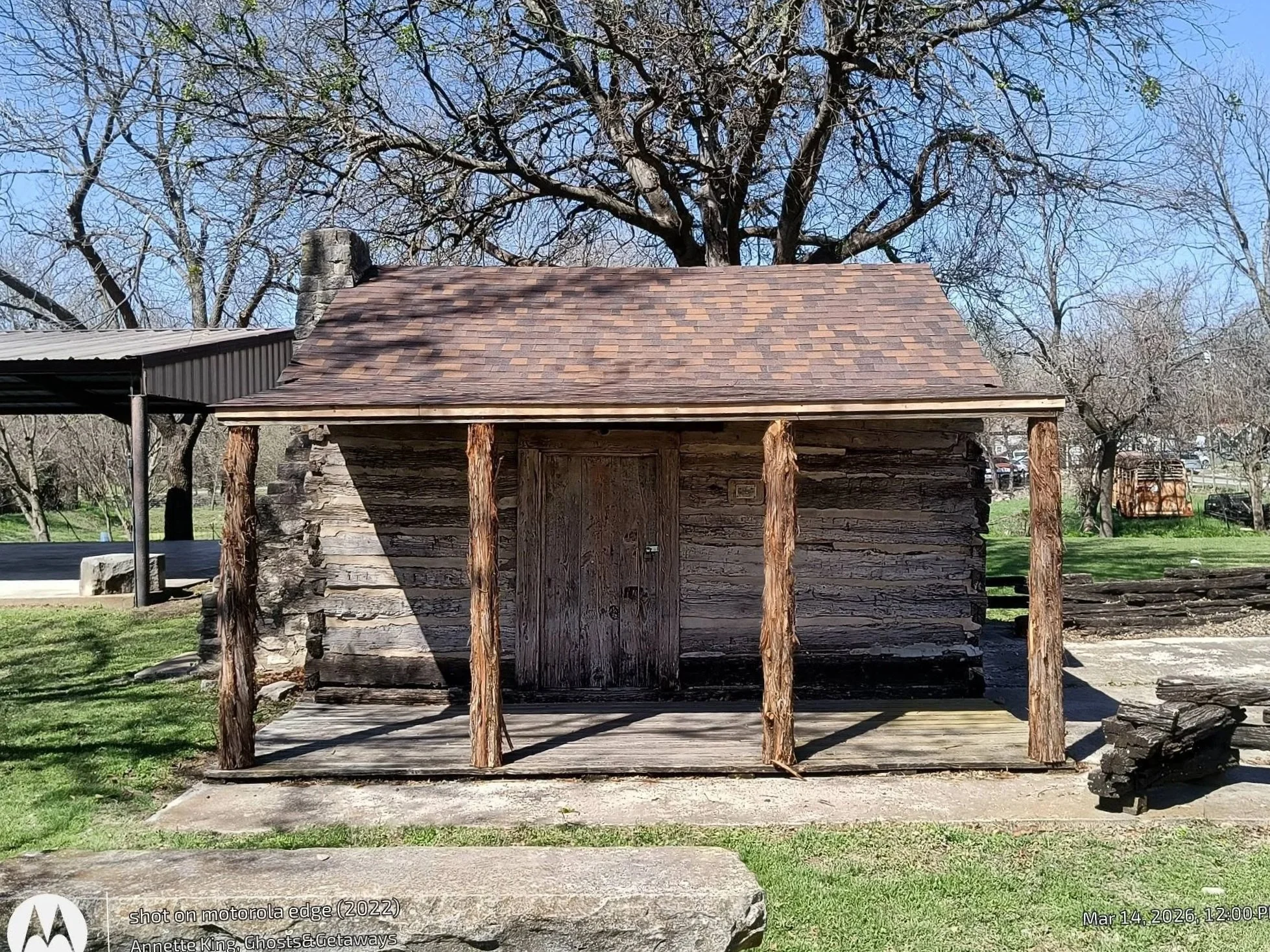
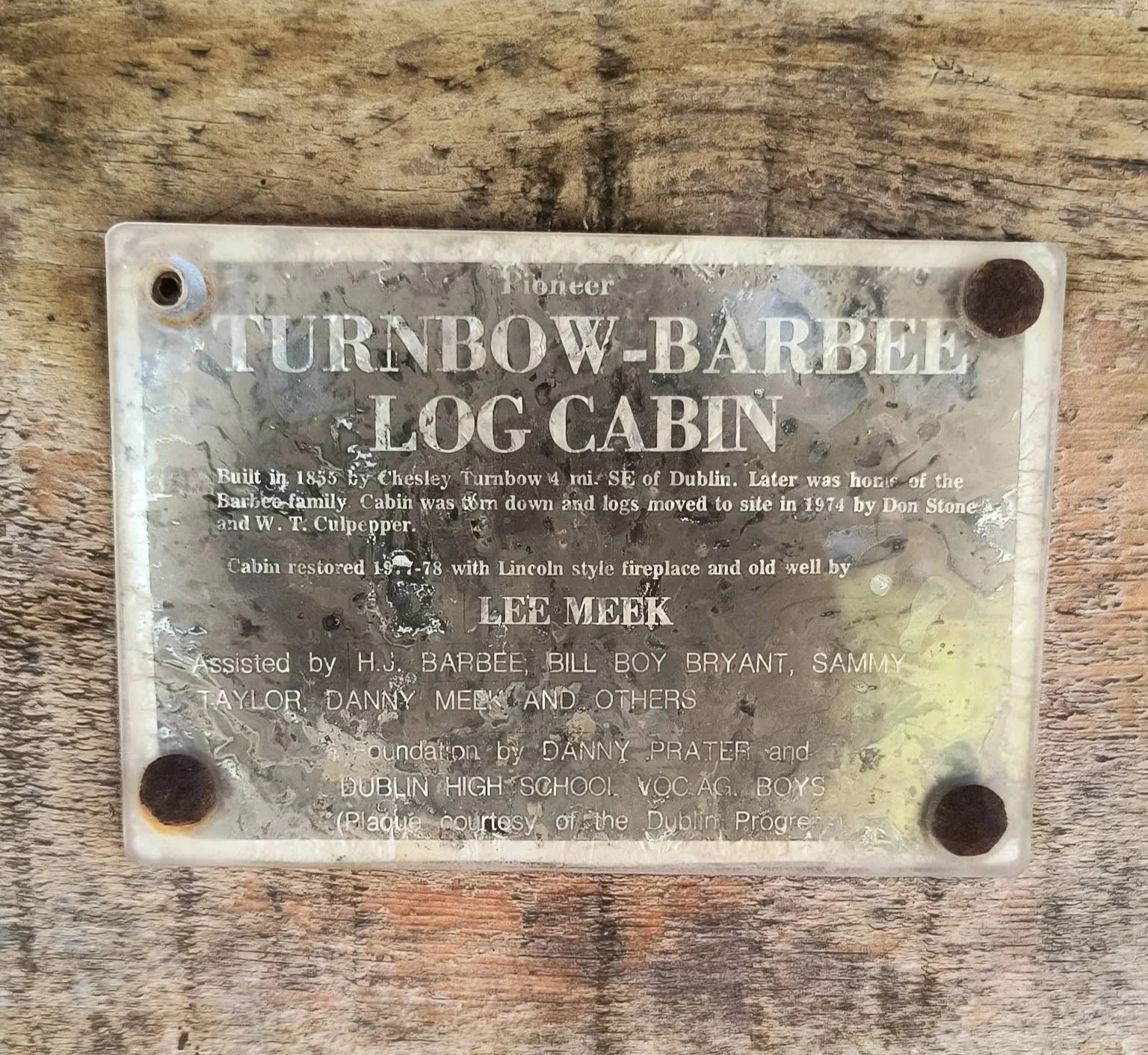
The Turnbow-Barbee Log Cabin (1855). Built four miles southeast of town by Chesley Turnbow and later home to the Barbee family, this cabin was carefully disassembled, moved, and reassembled at W. M. Wright Historical Park in the late 1970s.
The Doublin Inn site. This is where it all started — A. H. Dobkins's original home, stage stop, and community fort. A historical marker on the site tells the story of those early, dangerous years before 1870. Today you can stop by and enjoy some live music.
The Early Commercial Building (c. 1880). Built by Joseph E. Bishop, this wood-frame building got a native stone veneer in 1895 and has quietly housed banks, medical clinics, and other businesses ever since.
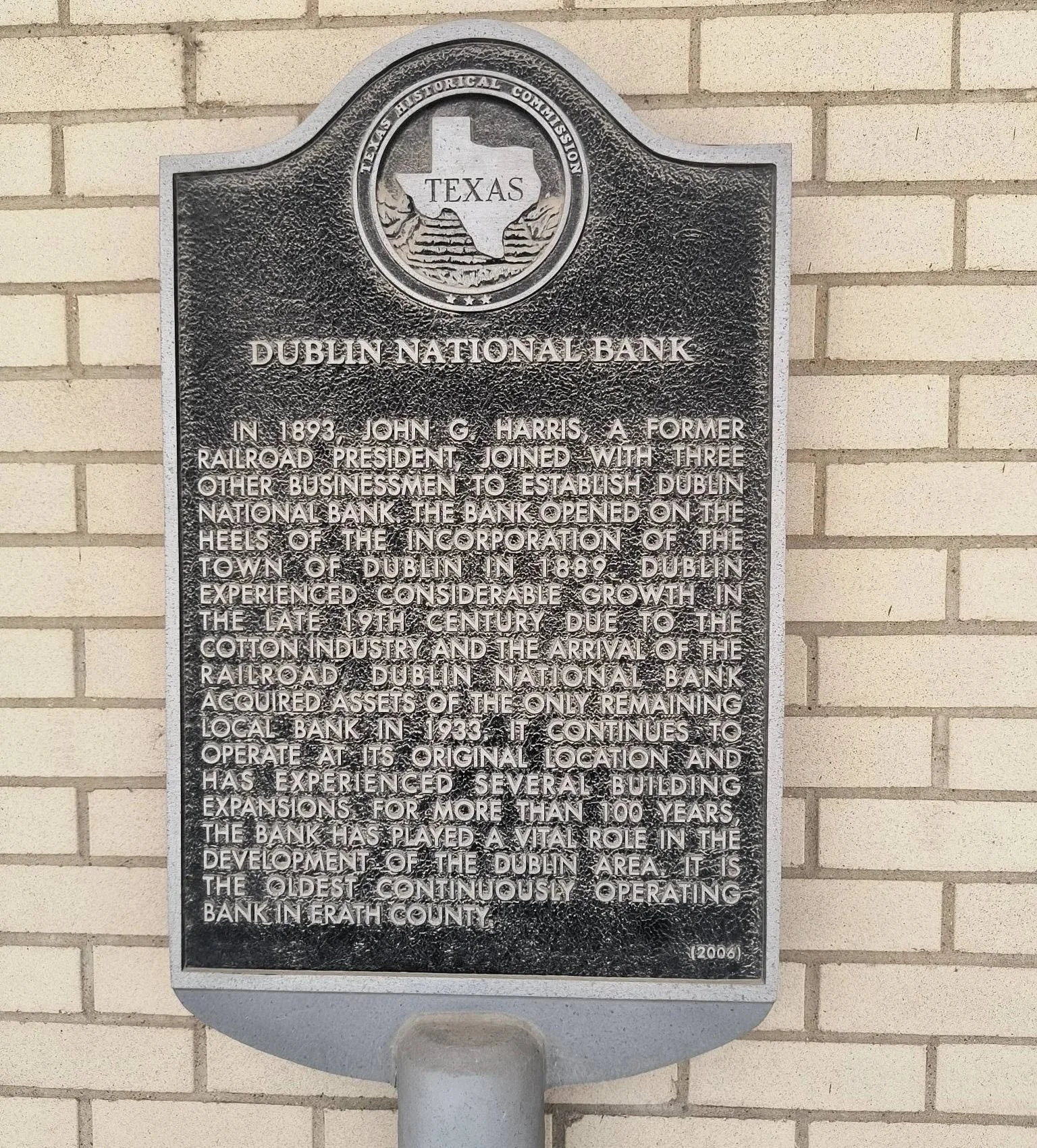
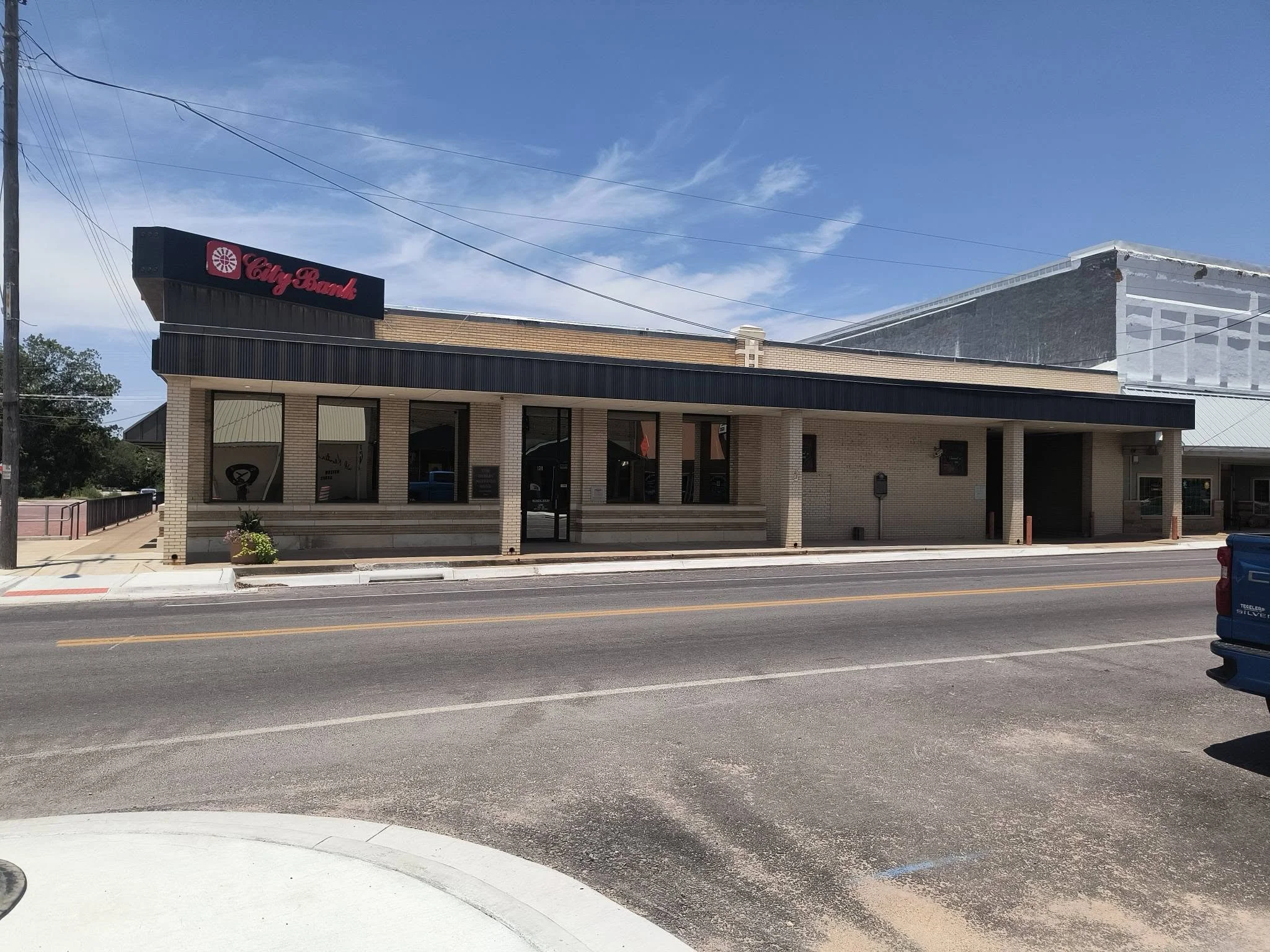
Dublin National Bank (1893). Founded by former railroad president John G. Harris and three partners, the bank opened just as the newly incorporated town was booming.
The Hogan Blacksmith Shop site. William Hogan, a Civil War cavalry blacksmith, opened this shop on Elm Street after moving his family from Mississippi. His grandson, a shy, polite boy who liked calming the horses waiting to be shoed, grew up to be golf legend Ben Hogan.
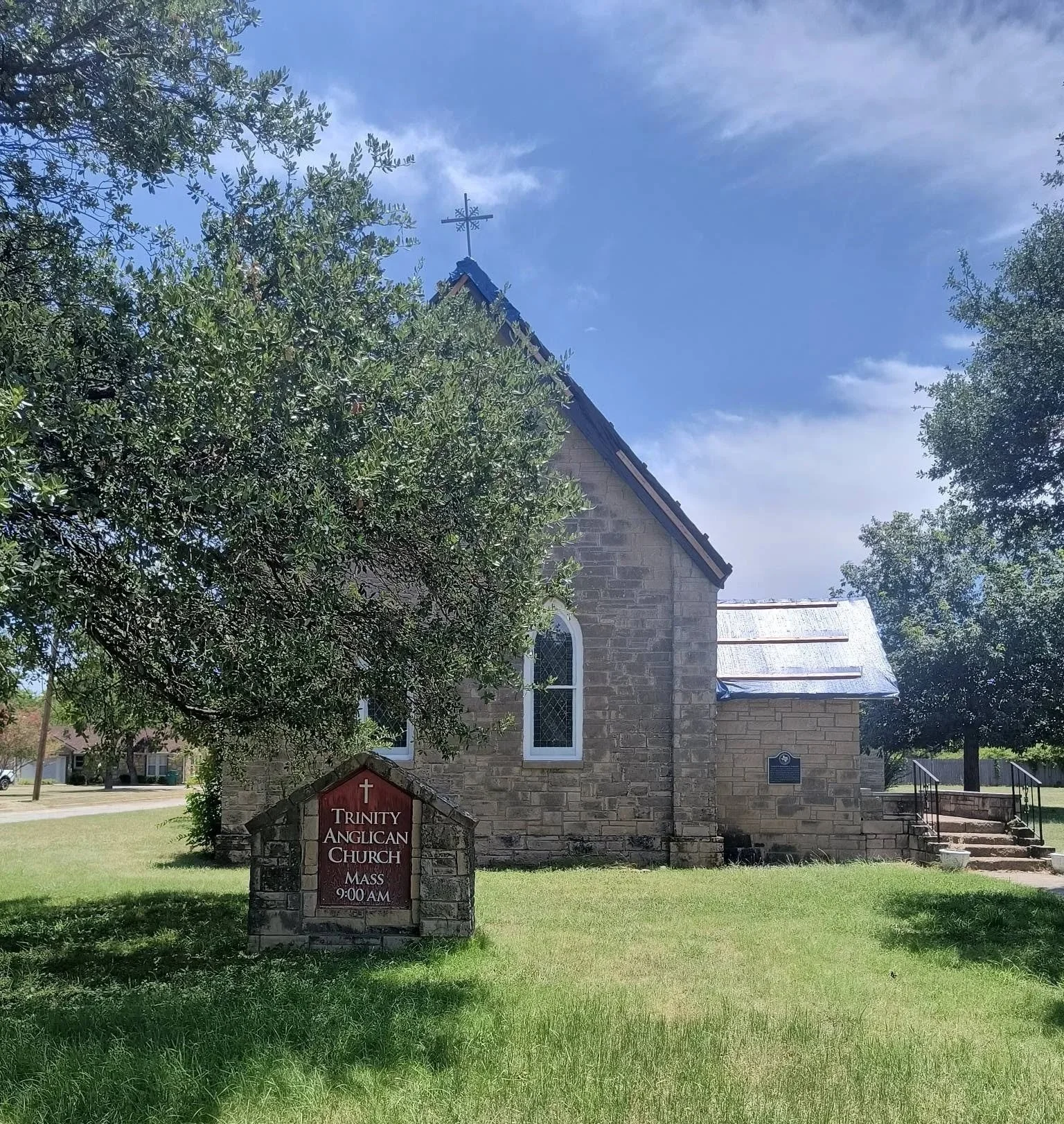
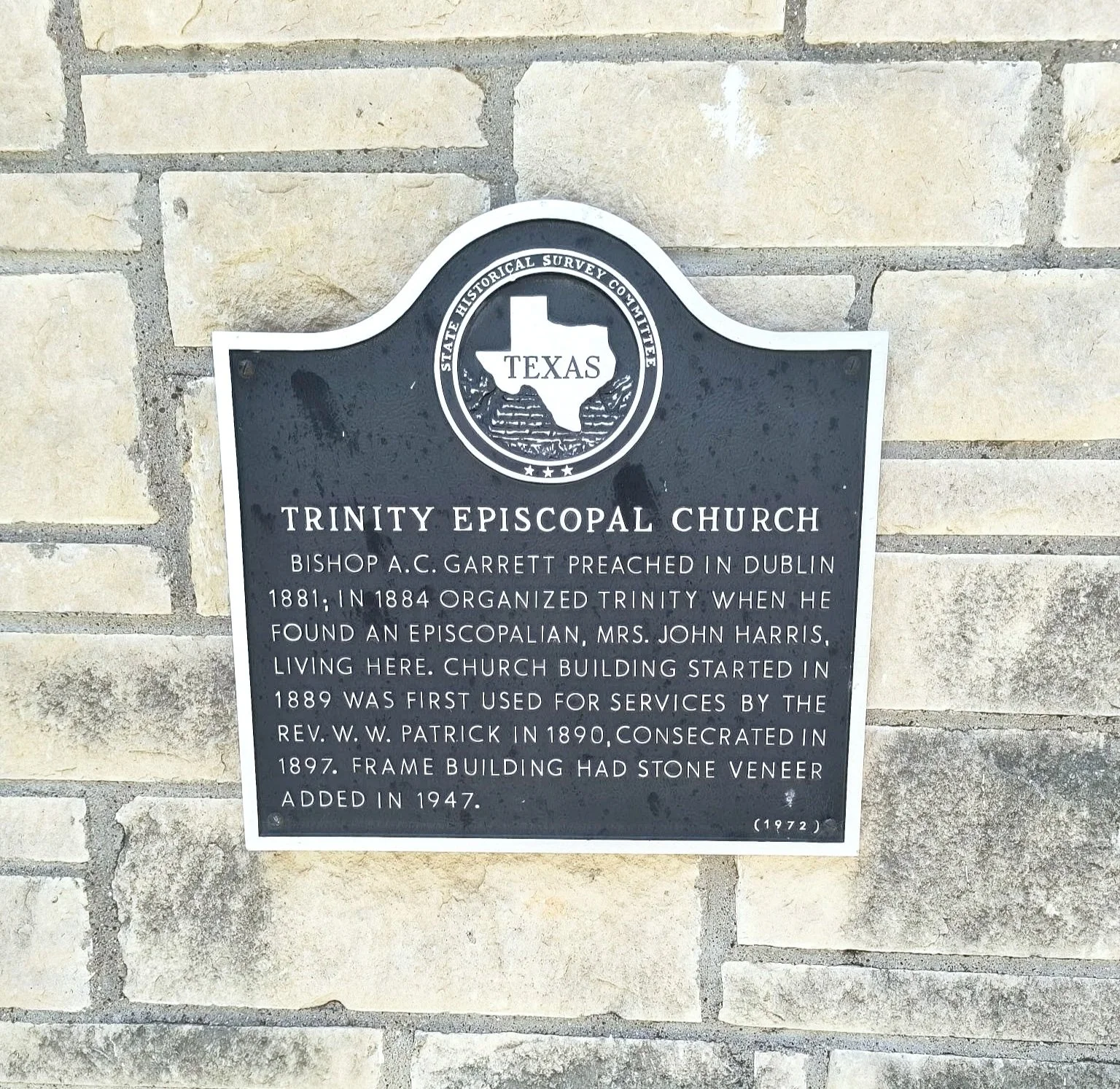
Trinity Episcopal Church (1889–1890). Organized in 1884 after Bishop A. C. Garrett discovered a lone Episcopalian living in Dublin, the church building was consecrated in 1897 and is still standing.
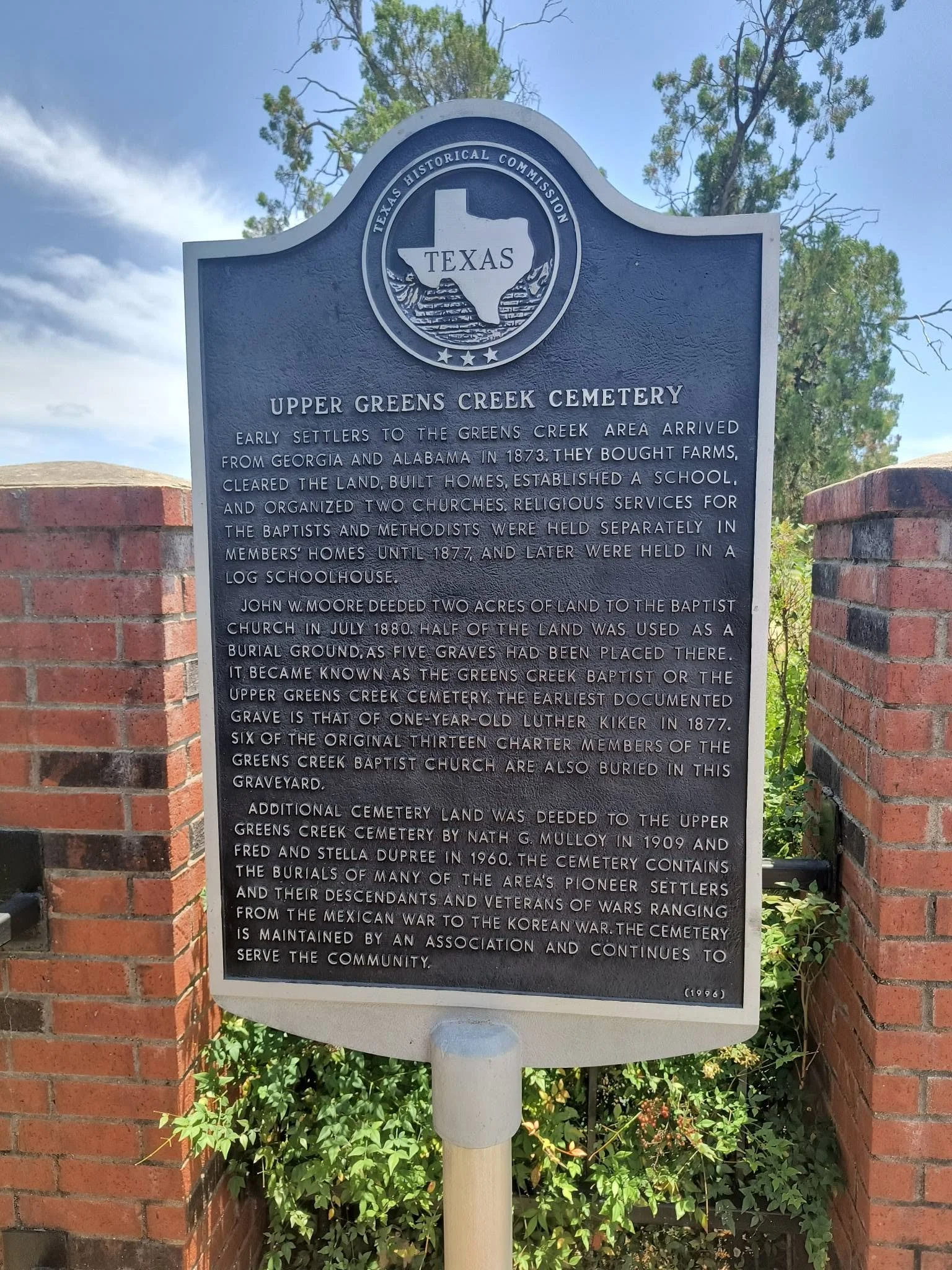
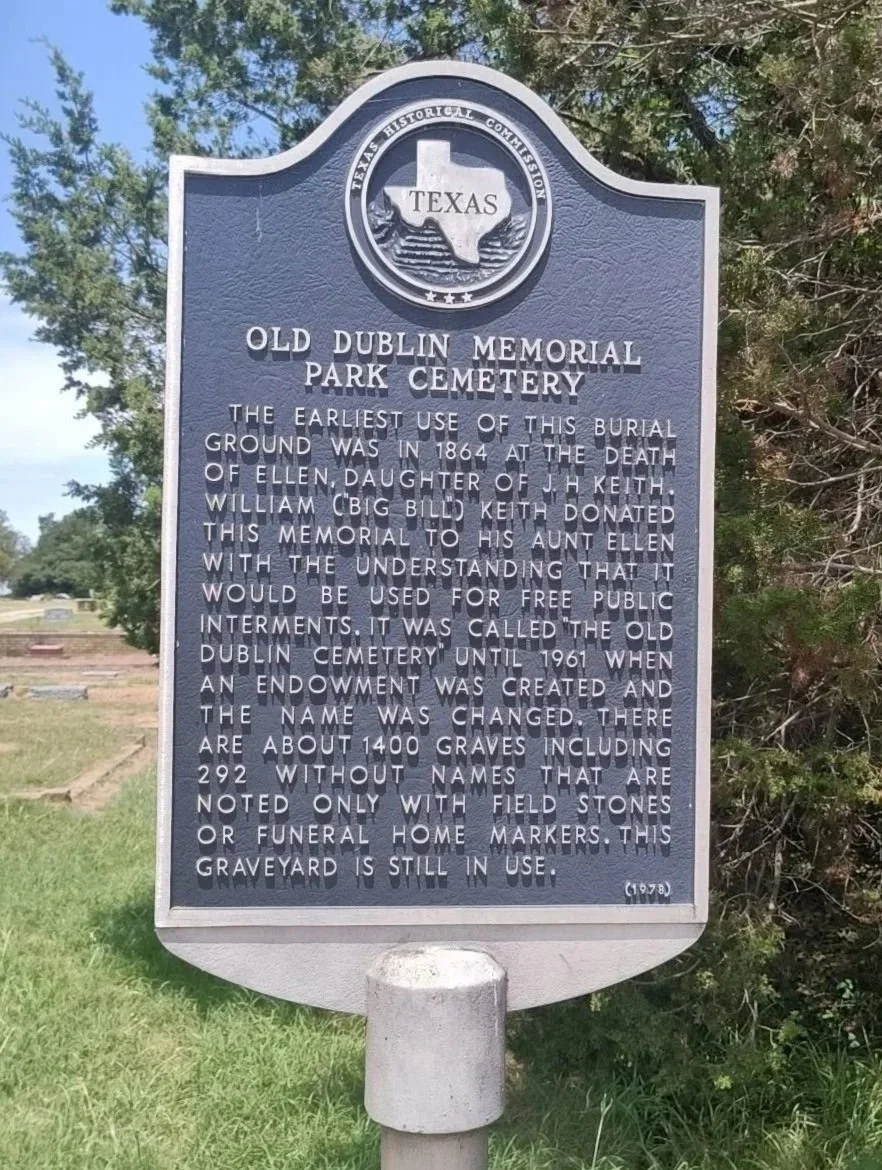
Old Dublin Memorial Park Cemetery. The oldest burials here date to 1864 — a full 25 years before Dublin was even incorporated. It was donated by William "Big Bill" Keith in memory of his young niece Ellen, with the condition that it always serve as free public burial ground.
Dublin Historical Museum. Run by the Dublin Historical Society, this is the place to see the town's memorabilia collected in one spot, from Dr Pepper artifacts to pioneer relics.
Haunted Dublin: Ghost Stories & Local Legends
Now for the part you've really been waiting for. Dublin doesn't have a big, famous "haunted hotel" the way some Texas towns do — its hauntings are quieter, tucked into ordinary-looking buildings that happen to have extraordinary histories. As always, take these as the local legends they are: passed down, retold, and probably embellished a little around the edges. That's half the fun.
The Old Weather Bureau Building (1909). Before Dublin's weather services moved out to the local airport, this building was the town's official weather bureau. As the story goes, the bureau's chief meteorologist was climbing the stairs during a violent storm one night, headed up to retrieve a weather chart, when he fell to his death. Locals say he never finished the job — footsteps and an unexplained presence on the staircase are still reported by people who've spent time in the building since.
McDow Hole (on Highway 6 between Dublin and Alexander in Erath County) is a well-known Texas ghost story. The legend centers on Jenny Papworth, a settler's wife murdered there in the 1870s along with baby by a man named Brownlow. At first he tried tried to blame the local Comanches before confessing. Her ghost — and sometimes her daughter's — is said to still appear along the creek at night. Locals have described a presence strong enough that people still tell stories about "the McDow Ghost" generations later. t's not in Dublin proper, but it's close enough — and old enough — that it's practically part of the same folklore.
Planning Your Visit
Dublin is an easy day trip or a nice stop on a longer Central Texas loop, and it rewards slow exploring — most of what's interesting here is a short walk from downtown. Bring your camera for the historical markers, save room for a cane-sugar soda at Dublin Bottling Works, and if you happen to strike up a conversation with a local about Annie, the meteorologist, or the red-bearded man, let them talk. In a town this old, everybody seems to have their own version of the story.
That's exactly the kind of place worth putting on your travel journal's next-stop list.
Make this beautiful day count!
Annette