
The Ghosts of Hot Springs, AR
Welcome, ghost enthusiasts and thrill-seekers! Today, we venture into the mysterious and haunted realm of Hot Springs, Arkansas. Known for its therapeutic thermal waters and charming Victorian-style architecture, this enchanting city also holds a dark secret. Join us as we uncover the haunted tales behind some of the most notorious locations in Hot Springs.
Dare to Explore the Haunted Hot Springs
If you're seeking a blend of history, mystery, and hair-raising encounters, Hot Springs, Arkansas, is a mecca for all things haunted. From the luxurious but eerie Arlington Hotel to the captivating Gangster Museum of America, these haunted hotspots promise an unforgettable experience for those daring enough to explore them. So pack your bags, ready your senses, and embark on an otherworldly adventure in the supernatural realm of Hot Springs, AR!
Remember……….while the tales of these haunted hotspots may send shivers down your spine, they also provide a glimpse into the vivid past that continues to echo within the present.
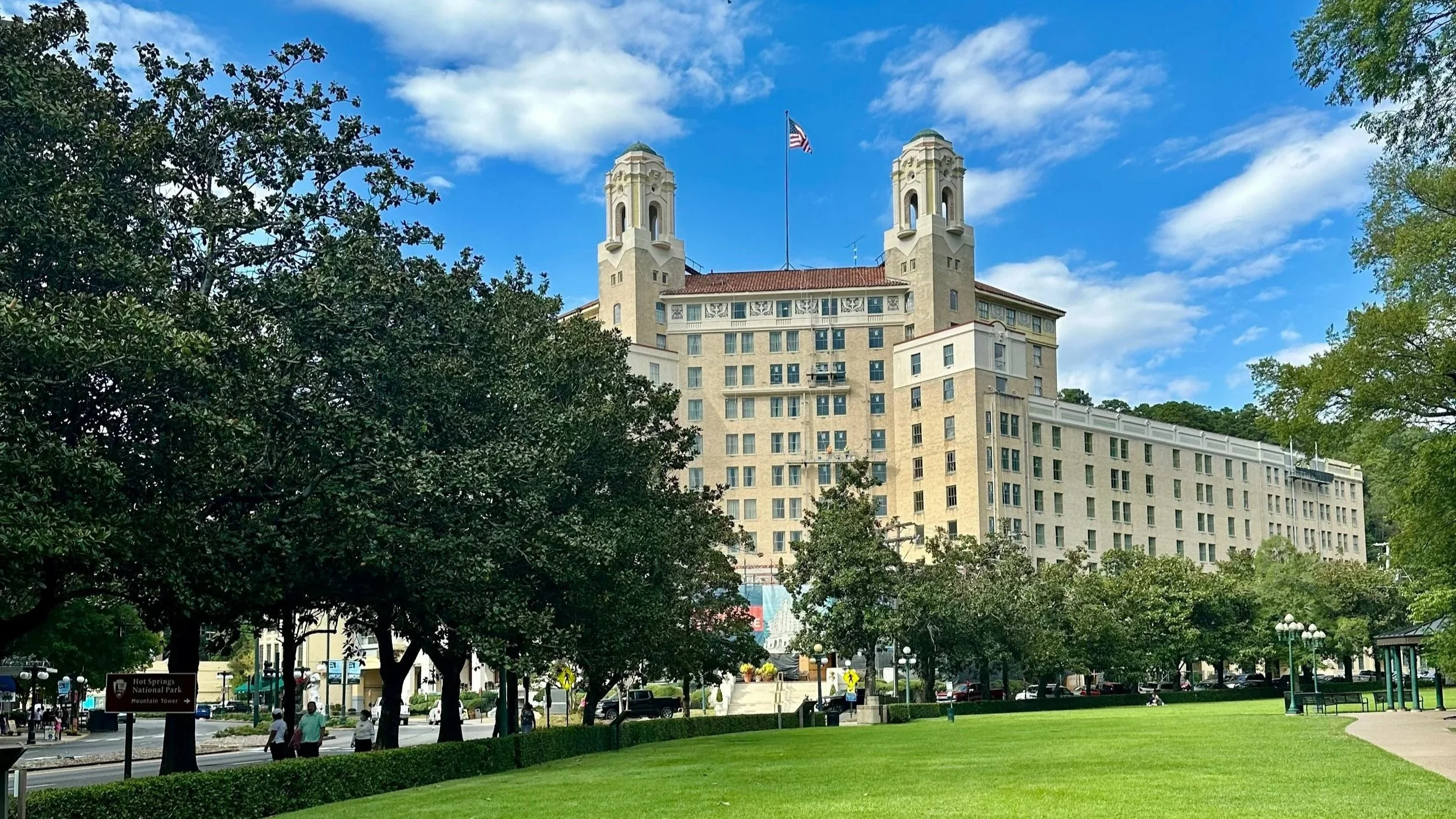
The Arlington Hotel
The Arlington Hotel is one of Hot Springs’ best-known landmarks. Opened in 1875 and rebuilt multiple times, the Arlington sits at the edge of Bathhouse Row and has been central to the city’s identity as a spa town, a playground for the wealthy and famous, and a hub of colorful — sometimes illicit — activity. Its mix of Gilded Age grandeur, turn-of-the-century remodels, and Mid‑Century adaptations tells the story of Hot Springs’ evolving role in American leisure and culture.
Quick timeline
1875: Original Arlington opens as a grand resort hotel, capitalizing on the therapeutic hot springs that drew visitors for the reputed healing properties of the waters.
Late 1800s–early 1900s: Hot Springs booms. The Arlington hosts wealthy vacationers, socialites and political figures. Bathhouse culture, gambling, and nightlife grow in the city.
1920s–1930s: Prohibition, the rise of organized gambling, and Hot Springs’ relaxed enforcement create a reputation for vice; the Arlington is part of the resort mix frequented by gamblers and entertainers.
Mid 20th century: The Arlington continues as a classic resort while undergoing renovations to meet modern expectations.
Late 20th–21st century: Preservation efforts and renewed interest in historic hotels keep the Arlington a focal point for visitors who want vintage elegance alongside Hot Springs’ natural attractions.
Notable guests and events Over the decades the Arlington attracted celebrities, politicians, and athletes. Hot Springs itself drew figures such as Babe Ruth and Al Capone to its baths and gambling halls; the Arlington, as a prominent hotel, intersected with that circle. Political meetings, society balls, and entertainment-filled evenings at the hotel reflect Hot Springs’ status as both a spa and a playground.
The darker side: gambling, corruption, and scandal Hot Springs’ tolerant approach to gambling and its role as a regional vice center are essential to understanding the Arlington’s context. Organized crime figures used Hot Springs as a retreat where gambling flourished in private clubs and some resort spaces. While the Arlington was a legitimate, upscale establishment, it coexisted with and catered to visitors who took part in the city’s seedier attractions. That mix of polished hospitality and shadowy nightlife contributes to modern interest in the hotel’s stories and reported supernatural activity.
Ghost stories and paranormal reputation The Arlington has drawn paranormal curiosity, though it’s less famous for hauntings than some other regional properties. Reported phenomena from visitors and staff over the years include:
Unexplained footsteps and doors opening or closing.
The feeling of being watched in quiet corridors or in former servant or staff areas.
Apparitions or shadow figures seen out of the corner of the eye, especially late at night.
Cold spots and sudden temperature changes in older parts of the building.
Reported hauntings and phenomena
The woman in white: Multiple guests and staff have reported sightings of a woman in period dress wandering the halls or pausing on stair landings. She’s usually described as melancholy and vanishing when approached.
Staircase activity: Footsteps on the grand staircase and the echo of someone descending or ascending when no one is there are common reports from guests and tour guides.
Disembodied voices and whispers: Guests, particularly late at night, have reported hearing faint talking, laughter, or whispering coming from empty corridors or locking areas.
Cold spots and sudden drops in temperature: People report localized chills in certain hallways and near older sections of the building, often accompanied by a heavy, uncomfortable feeling.
Moving objects and lights: Staff and guests have reported lights turning on or off, doors opening or closing, and small objects relocated with no clear explanation.
Apparitions linked to past tragedies: Folks connect some sightings to specific historical events — illnesses treated at the baths, deaths from the early 20th century, or the hotel’s fire history — though such links are mostly speculative.
Notable ghost stories (local flavor)
The “ballroom dancer”: During evening events, some report seeing shadowy dancers glide across the ballroom floor when no event is scheduled. The sighting often carries music just out of hearing range.
Servant or bellhop presence: Staff working overnight frequently talk about feeling watched, receiving knocks or tugs on carts, or hearing tools and luggage move on their own — often in the service corridors near the kitchens and service elevators.
The Roosevelt connection: Guests staying in rooms associated with famous visitors sometimes report a presence that people half-joke is presidential — courteous, unobtrusive, and slightly formal.
**************
Superior Bathhouse (now a brewery)
The Superior Bathhouse is one of the historic bathhouses that line Bathhouse Row in Hot Springs, Arkansas. Located in Hot Springs National Park, these bathhouses grew from the 19th- and early-20th-century spa culture built around the natural thermal springs. Superior Bathhouse itself has a layered history: a place of healing, socializing, architecture, and later preservation and reuse.
Hot Springs' thermal springs have been used for centuries by Indigenous peoples of the Ouachita Mountains for therapeutic and ceremonial purposes. European-American development around the springs accelerated in the 19th century as visitors came seeking cures and relief for a range of ailments. By the mid-1800s, private bathhouses and commercial enterprises clustered around the springs. Bathhouse Row along Central Avenue in Hot Springs became the focal point. Mass tourism boomed after the arrival of rail service; by the late 19th and early 20th centuries Hot Springs was one of America’s premier spa destinations.
The current Superior Bathhouse dates to the early 20th century. It is one of the smaller, more intimate facilities on Bathhouse Row. Architecturally, buildings on Bathhouse Row represent styles from Romanesque Revival to Neoclassical and Mission Revival. Superior’s design reflects the era’s preference for solid, dignified masonry, practical interior layouts for bathing and treatment, and porches or windows that connected patrons to the springs and the street life of Hot Springs. Inside, bathhouses were organized with private tubs, steam rooms, plunge pools fed by spring water, massage and physical therapy areas, and communal spaces for socializing.
Bathhouses were multiuse spaces: medical treatment centers, social clubs, and tourist attractions. Wealthy visitors, celebrities, and everyday people mingled in the spas. Hot Springs attracted politicians, gangsters, entertainers, and ordinary families — contributing to the town’s colorful reputation. The bathhouses often catered to a broad clientele: those seeking medical treatments, relaxation, or simply the social scene. Advances in medicine, changing leisure habits, and economic shifts reduced the popularity of traditional spa bathing through mid-century. Many bathhouses fell into disuse, were repurposed, or threatened with demolition. Urban renewal and economic pressures in the mid-1900s left several Bathhouse Row structures vacant or deteriorating.
Hot Springs National Park, established to protect the springs and surrounding landscape, and local preservation efforts helped save much of Bathhouse Row. Several bathhouses have been adaptively reused as museums, visitor centers, shops, or modern spa facilities that honor historic architecture while offering contemporary services. Superior Bathhouse has been part of that preservation story, recognized as contributing to the historic district that tells the park’s social and architectural history. The building is now integrated into the Hot Springs National Park experience, contributing to Bathhouse Row’s historic character. Depending on specific use changes over time, former bathhouse buildings along the row house modern spa operations, park visitor services, artistic spaces, and small museums that interpret the site’s history.
Contemporary visitors can still experience the springs through operating hot springs spas and public facilities nearby, while interpretive materials and historic structures like Superior help explain the evolution of spa culture in America. Superior Bathhouse and Bathhouse Row are physical reminders of American leisure, health fads, the intersection of medicine and tourism, and architectural trends from the late 19th and early 20th centuries. The site also embodies layers of history—from Indigenous use of the springs to the commercialization of natural resources—and the modern movement to preserve and reinterpret historic places for new generations.
Check National Park visitor information for current hours and which buildings on Bathhouse Row are open to the public. Combine a stroll along Central Avenue with a soak at one of the operating bathhouses or a visit to the park’s visitor center to get the full historical context. Bring comfortable shoes and an appetite: Hot Springs pairs architecture and history with lively local restaurants and music venues.
If you love historic architecture, steamy mineral baths, and a side of spectral company, the Superior Bathhouse in Hot Springs, Arkansas is a must-visit. Housed in a grand 1916 National Register–listed building right on Central Avenue in Hot Springs National Park, the Superior is celebrated as the nation’s only hot spring–fed bathhouse turned working spa. But beyond the warm water and period charm, it’s also one of the city’s best-known haunted spots.
Why it’s spooky (and fun)
Historic crossroads: For well over a century, the bathhouse drew travelers, locals, gamblers, politicians, and performers. That long continuity of human activity—especially in a place associated with healing, secrets, and late-night socializing—creates fertile ground for ghost stories.
Fourth-floor boiler room and attic: Staff and visitors have reported cold spots, unexplained footsteps, and the feeling of being watched in upper levels and service corridors that were once off-limits to guests.
Voices and whispers: Several accounts describe whispers and muffled voices in empty treatment rooms and dressing areas, sometimes answering questions or following visitors down hallways.
Apparitions and presences: Some employees and long-time locals claim to have seen shadow people or the vague outline of a man in early 20th-century clothing near the original tubs and corridors.
Photographic anomalies: Visitors have taken photos with orbs and layered anomalies in spaces where light and steam already make photography tricky—some interpret these as otherworldly, others as dust and mineral particles reacting with flash.
Overlapping histories: The building sits in a town where gambling, organized crime, famous convalescents, and hush-hush medical “cures” all intersected in the early and mid-1900s. Stories about a few tragic deaths, unrecorded burials, and people who came to Hot Springs to die or vanish add to the lore.
Notable stories and claims
The lady on the stairs: Multiple visitors describe seeing a woman on the stair landing in period dress, then turning a corner that leads to no accessible room—some say she’s searching for a lost loved one.
Locker room whispers: Patrons have heard cloth-like rustling and whispers from empty locker rows. Staff sometimes report personal items moved or towels left unfolded when they were certain they’d been put away.
The “therapist” who stays late: Massage therapists and therapists working late hours tell of feeling a presence when they’re alone in treatment rooms—sometimes a gentle pressure on the table as if someone sat down.
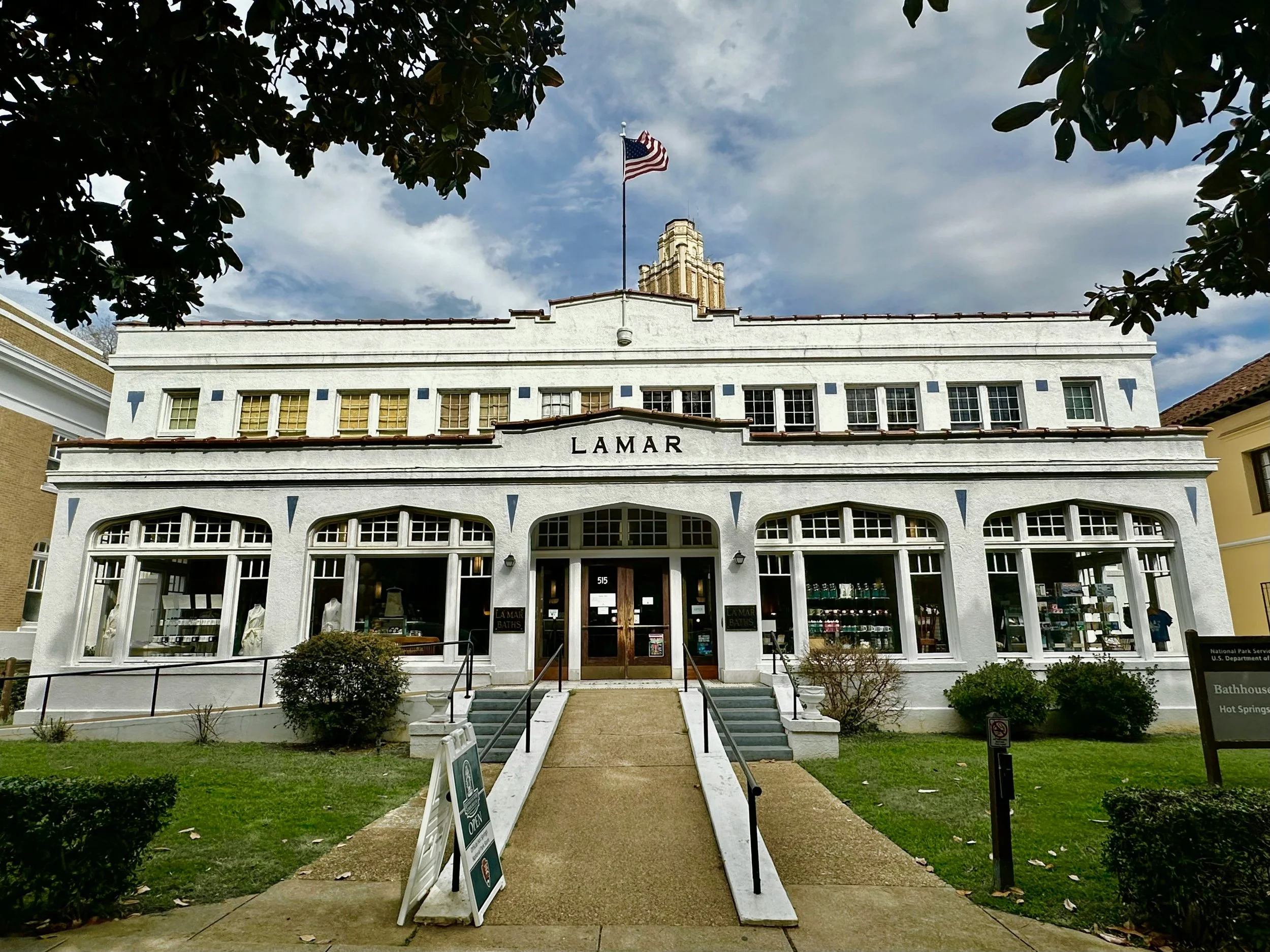
Hot Springs National Park Headquarters and Bathhouse Row Grounds
Why it’s haunted: The park has centuries of Indigenous history, early settlers, and Victorian tourism layered on the land — a mix that produces many unexplained experiences.
What you might experience: Strange lights, figures on the park trails after dark, and an uncanny feeling near certain springs and historic markers.
Tip: Night walks on the park trails are atmospheric; go with a group and a flashlight, and respect natural areas.
Hot Springs National Park Headquarters and Bathhouse Row Grounds — Hot Springs, Arkansas
Hot Springs has been a cultural crossroads for centuries, where geology, Indigenous traditions, frontier baths, Gilded Age leisure, and modern conservation collide in steamy, often theatrical fashion. The Hot Springs National Park Headquarters and the Bathhouse Row grounds are the heart of that story: a compact, walkable district where water, architecture, and social history layer into a singular American phenomenon.
Natural fountainhead: The thermal springs that define Hot Springs are the product of rainwater that percolates deep into the earth, heats along its descent, and returns to the surface at about 143°F in dozens of vents. For millennia Indigenous peoples recognized these waters as special for healing and community. By the early 19th century the springs drew American settlers, entrepreneurs, tourists, and the curious. federally protected urban park: In 1832 Congress set aside the area around the springs as reservation land, a rare early federal step to protect a natural resource; that reservation evolved into Hot Springs National Park in 1921. Unlike most national parks, Hot Springs preserves a built environment — bathhouses, hotels, and commercial streets — as much as a landscape.
Cultural crossroads: Bathhouse Row became a social stage for medicine, leisure, and showmanship. Doctors promoted therapeutic immersion; proprietors offered massages, steam rooms, and elaborate parlors; later the row hosted celebrities, gamblers, organized crime patrons, and everyday Americans seeking cure or comfort.
Housed in a handsome Colonial Revival structure near the center of the historic district, the headquarters functions as the park’s visitor contact point and administrative hub. It’s where you can pick up maps, learn about ranger-led tours, and get oriented to the overlapping stories: geology, Native American use, 19th-century sanitariums, and urban park planning.
A sequence of eight restored turn-of-the-century bathhouses stretches in a unified row along the eastern edge of Central Avenue. Each bathhouse reflects prevailing tastes and commercial competition:
Buckstaff (1904): One of the few bathhouses to operate continuously for decades, known for its straightforward communal baths and historic equipment.
Lamar (1923), Hale (1915), Fordyce (1904), Maurice (1912), Ozark (1912), among others: styles range from Neoclassical to Mission Revival. The Fordyce, with its ornate terra-cotta and marble interiors, now houses the park’s visitor center and exhibits about the springs’ geology and social history.
Hot spring outlets and bathhouse grounds: Behind the ornate facades are courtyards, walking paths, stone springhouses, and the visible plumbing of a city that built infrastructure to harvest and market thermal waters. The grounds include stonework, signage explaining spring flow and temperatures, and spots where you can see cooler runoff or concrete spring enclosures.
Historic features in and near the district: Central Avenue’s commercial corridor, the Arlington and other grand hotels (some repurposed), the old bathhouse mechanical rooms, and nearby Garland County landmarks contribute to the layered historic fabric.
Notable locations and reported phenomena
Fordyce Bathhouse (now visitor center)
Who: Some reports mention a dignified older woman in early 20th-century dress and a young man in worker’s attire.
What: Staff and visitors have heard footsteps in the upstairs rooms after hours, the sound of chairs scraping, and faint music like a piano or gramophone drifting from closed rooms.
Why it’s eerie: The building’s current role as the park’s visitor center means staff encounter inexplicable activity in what’s otherwise quiet office space — papers moved, doors ajar, and brief temperature drops near displays about the bathhouse past.
Buckstaff Bathhouse (operational bathhouse)
Who: Patrons and employees occasionally describe a presence they assume is a former bather or attendant.
What: Soft murmurs, whispers, and the feeling of someone passing by in a narrow corridor. In one account, a towel was found neatly folded where no one had placed it.
Why it’s eerie: Since Buckstaff still operates as a working bathhouse, the boundary between legitimate sounds and the uncanny can be hard to parse, heightening tension.
Ozark Bathhouse (now cultural venue)
Who: Accounts vary but sometimes include a male figure in period clothing and a woman in a long dress.
What: Cold spots, flickering lights, and the sensation of being watched by someone standing at the end of a hallway. Musicians performing on the lawn have reported unexplained applause and instruments retuning themselves.
Why it’s eerie: The building’s repurposed public events mean many people hear or see things in a social setting, creating memorable shared stories.
Lamar Bathhouse and Plaza area
Who: A few stories single out transient figures and shadow-people near the fountain and colonnades.
What: Late-night walkers have reported footsteps echoing on the plaza, whispers carried on the steam, and the occasional glimpse of a silhouette disappearing behind a column.
Why it’s eerie: Open spaces normally feel safe; here the steam and architecture make even casual noises feel like a staged encounter.
Specific ghost stories and local lore
The Phantom Bather: Several decades of anecdotal reports describe a fleeting figure wrapped in a towel, usually seen near service entrances or stairwells. Sightings are brief — a passing glimpse, a shadow moving — but common enough that staff have given it a nickname.
The Policeman’s Watch: Rumors tie occasional sightings near the park headquarters to a late-19th/early-20th-century lawman who patrolled the baths. People report the smell of pipe tobacco and the faint clack of a boot heel where no person stands.
Night Music: Musicians and visitors sometimes claim to hear ragtime or parlor piano music spilling from empty rooms after hours. Recordings made during informal investigations often capture low-frequency hums or indistinct tonalities that people interpret as period music.
Displaced Objects: Curators and employees have reported small, inexplicable relocations — a pamphlet misplaced, a towel folded differently, a tool left in one spot found somewhere else. While mundane explanations exist, the repetition feeds the supernatural narrative.
Eyewitness types and credibility
Staff: Longtime park and bathhouse employees provide the most consistent accounts. Their repeated, low-drama storytelling makes their reports compelling.
Visitors/tourists: Some sightings are atmospheric and brief — the kind of thing a camera or phone might miss. These reports often mix wonder with nerves.
Paranormal investigators: Local ghost-hunting groups have recorded EVPs (electronic voice phenomena), temperature fluctuations, and intermittent EMF spikes during overnight sessions.
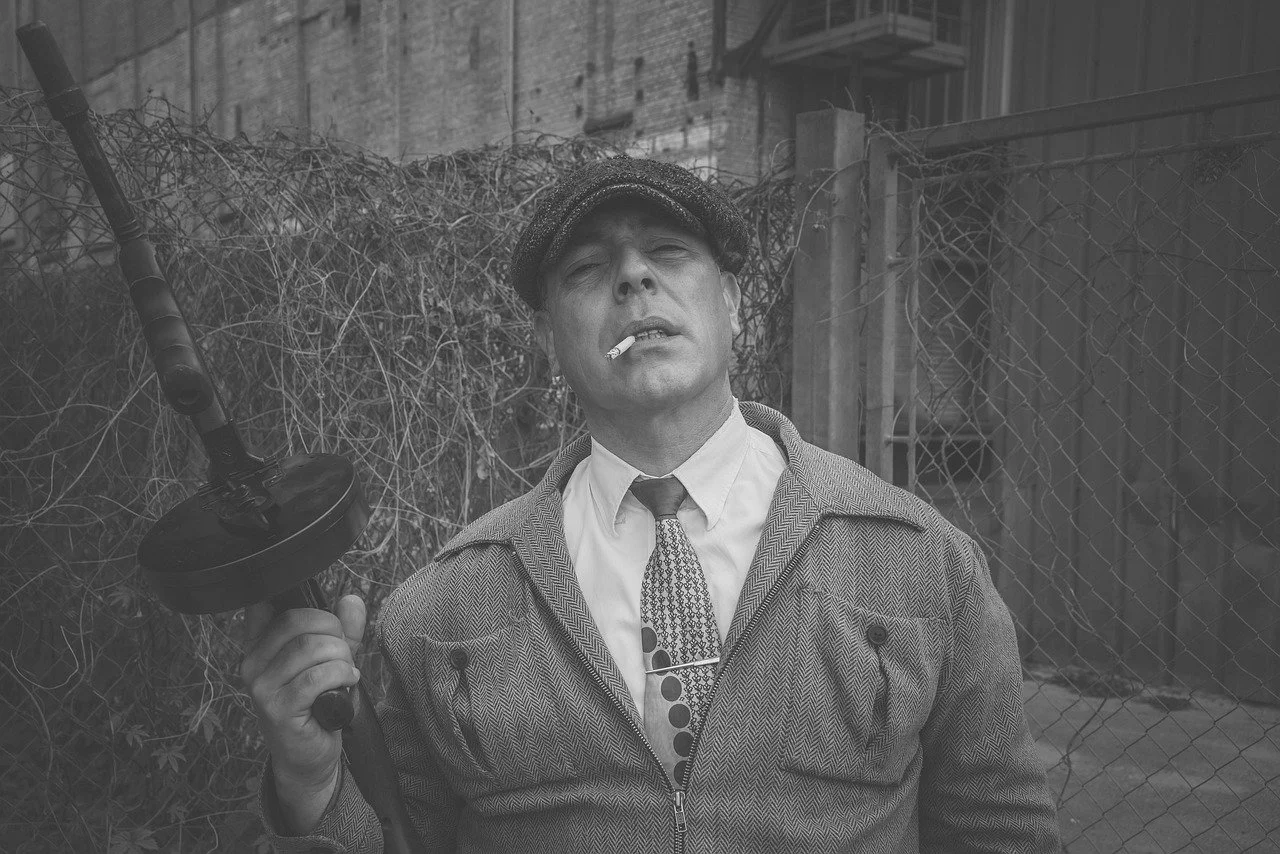
The Gangster Museum of America
Our final stop brings us to the captivating Gangster Museum of America, located in the heart of Hot Springs. This unique museum delves into the city's illicit past, chronicling the era when notorious gangsters sought refuge in its thermal waters. However, it seems that some spirits refuse to let go of their criminal enterprises, forever remaining attached to the place they once considered their territory.
Visitors to the museum have reported unexplained occurrences, such as sudden drops in temperature and the distinct feeling of being watched. The apparitions of gangsters, such as Al Capone and Bugsy Siegel, are believed to wander within the exhibits, their presence palpable to those with a keen sense of the supernatural. It's an eerie reminder of Hot Springs' hidden history, providing a window into a time when the town's streets were ruled by the lawless.
The Gangster Museum of America — Hot Springs, Arkansas: History, Highlights, and Haunted Flavor
Why Hot Springs? Hot Springs, Arkansas, earned its gangster reputation because of three irresistible draws: natural thermal springs, a compact resort town vibe, and lax local enforcement in the early 20th century. Combine that with the nationwide chaos of Prohibition (1920–1933), and you get a magnet for gamblers, bootleggers, and mob bosses who wanted to hide in plain sight while enjoying baths, gambling, and relative anonymity.
Origins of the Town’s Notoriety
The springs themselves attracted visitors long before the 20th century; Native American tribes regarded the waters as sacred. By the late 1800s Hot Springs had become a health and leisure destination, with bathhouses, hotels, and a booming tourism economy.
As gambling and organized crime expanded across America, Hot Springs’ small size and focus on leisure made it a natural hub. Local authorities often turned a blind eye, and many businesses were run or controlled by underworld figures.
The town’s location — not too close to major cities but not isolated — allowed gangsters to travel discreetly between Chicago, New York, Memphis, and New Orleans.
Notable Figures and Events
Owney “The Killer” Madden: A New York mobster who relocated to Hot Springs in the 1920s and opened the famous Flamingo Club. Madden used Hot Springs as a getaway and staging ground for various enterprises.
Al Capone: While based primarily in Chicago, Capone and his associates frequently visited Hot Springs to gamble, relax at the baths, and meet business partners away from prying eyes.
Lucky Luciano and other national figures were known to pass through. Hot Springs’ clubs and illegal gaming joints made it a crossroads for underworld networking.
Local operators: A network of operators, corrupt officials, and business owners kept the town’s illegal economy humming. Local police and politicians were often complicit, which allowed organized crime to flourish.
The Gangster Museum of America: The Concept
Founded to preserve and present Hot Springs’ unique role in organized crime history, the Gangster Museum of America offers artifacts, stories, and exhibits focused on the Prohibition era through mid-20th century.
The museum’s approach is a mix of historical interpretation, pop-culture storytelling, and immersive displays — think period recreations, photos, newspaper clippings, and replica casino and speakeasy scenes.
It aims to show both the glamour and the grit: the luxury nights at clubs and the violence, corruption, and human cost that accompanied the underworld economy.
Haunted and Paranormal Angle
For paranormal travelers: Hot Springs’ gangster past feeds local folklore. Sites associated with violence, betrayal, or sudden deaths often become focal points for ghost stories.
The combination of old bathhouses, underground rooms, and dense historical memory makes Hot Springs a favorite for ghost tours and after-dark explorations.
The Gangster Museum experience can be paired with local ghost walks, historic cemeteries, and haunted spa tours to create a full dark-tourism itinerary.
Visitors often report cold spots, fleeting silhouettes, and the sense of being watched amid recreated speakeasy rooms and display cases of contraband, as if the bootleggers, mobsters, and lawmen who once prowled Bathhouse Row never entirely left. Guided tours highlight true-crime artifacts alongside tales of unexplained footsteps, disembodied whispers, and a persistent presence near exhibits dedicated to infamous figures, making the museum a pulsing node in Hot Springs’ haunted circuit. For paranormal travelers who relish history with a spectral twist, the museum blends curated gangster lore and eerie atmosphere into an experience that feels equal parts museum tour and ghost hunt.
*********************
Travel has become my sanctuary—places whispered with stories and secrets, where the past lingers in the air like a comforting embrace. Ghostly legends and haunted histories aren’t just thrilling tales; they’re a way to connect with life’s mysteries and my own resilience. Each journey is a step toward reclaiming joy, curiosity, and a sense of wonder.
Make this beautiful day count!
Annette