
The Ghosts of San Antonio, TX
San Antonio is a top haunted destination because it mixes deep history, rich culture, and atmospheric places that practically beg for ghost stories. Spanish missions, the Mexican–American era, the Civil War, and frontier and immigrant stories all overlap. That historical density means plenty of unresolved lives and dramatic backstories—prime fodder for hauntings.
Even beyond the battlefield’s national fame, the Alamo’s tragic past and intense emotional legacy make it a focal point for legend, tour anecdotes, and nighttime atmosphere. The King William District, La Villita, and downtown’s old hotels and theaters offer late-19th to early-20th-century architecture, candlelit balconies, and narrow alleys—settings that heighten creep factor and photographic drama.
Sites such as former military hospitals, the historic Bexar County Jail, and other institutional buildings attract investigators looking for EVP, cold spots, and residual energy. San Antonio’s historic hotels and atmospheric bars (many with live music and long human histories) blend nightlife with legends—perfect for combining a ghost hunt with good food and music.
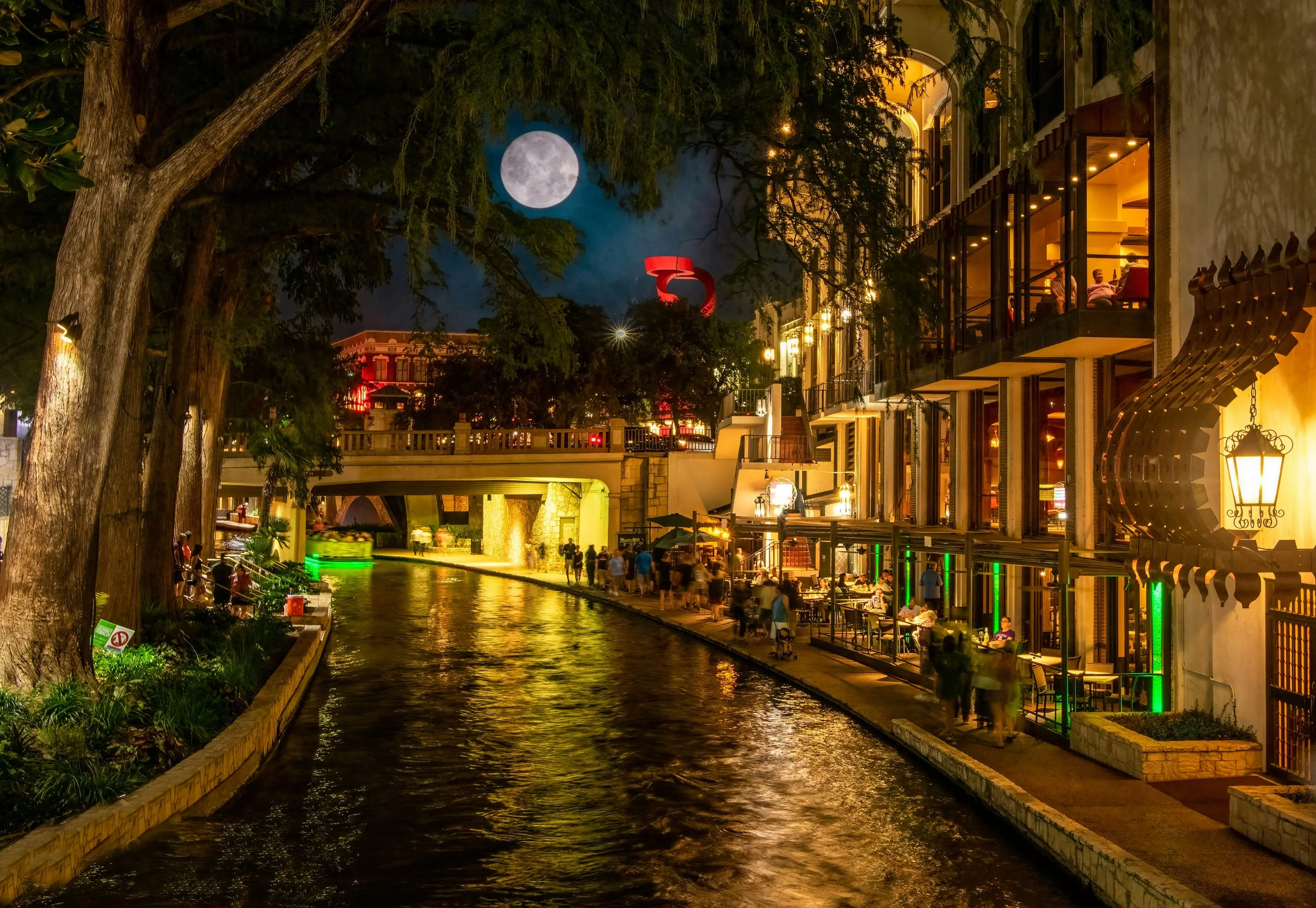
The Menger Hotel
Located in the heart of downtown San Antonio, The Menger Hotel is not only famous for its luxurious accommodations but also for its rich history and paranormal activity. Built in 1859, the hotel has played host to some remarkable historical figures, including Theodore Roosevelt and General Robert E. Lee.
Guests and staff members have reported several ghostly encounters throughout the years. It is said that the spirit of Sallie White, a chambermaid who was murdered in the hotel, still roams the halls searching for justice. Other guests have reported hearing strange voices and witnessing apparitions in Victorian-era clothing.
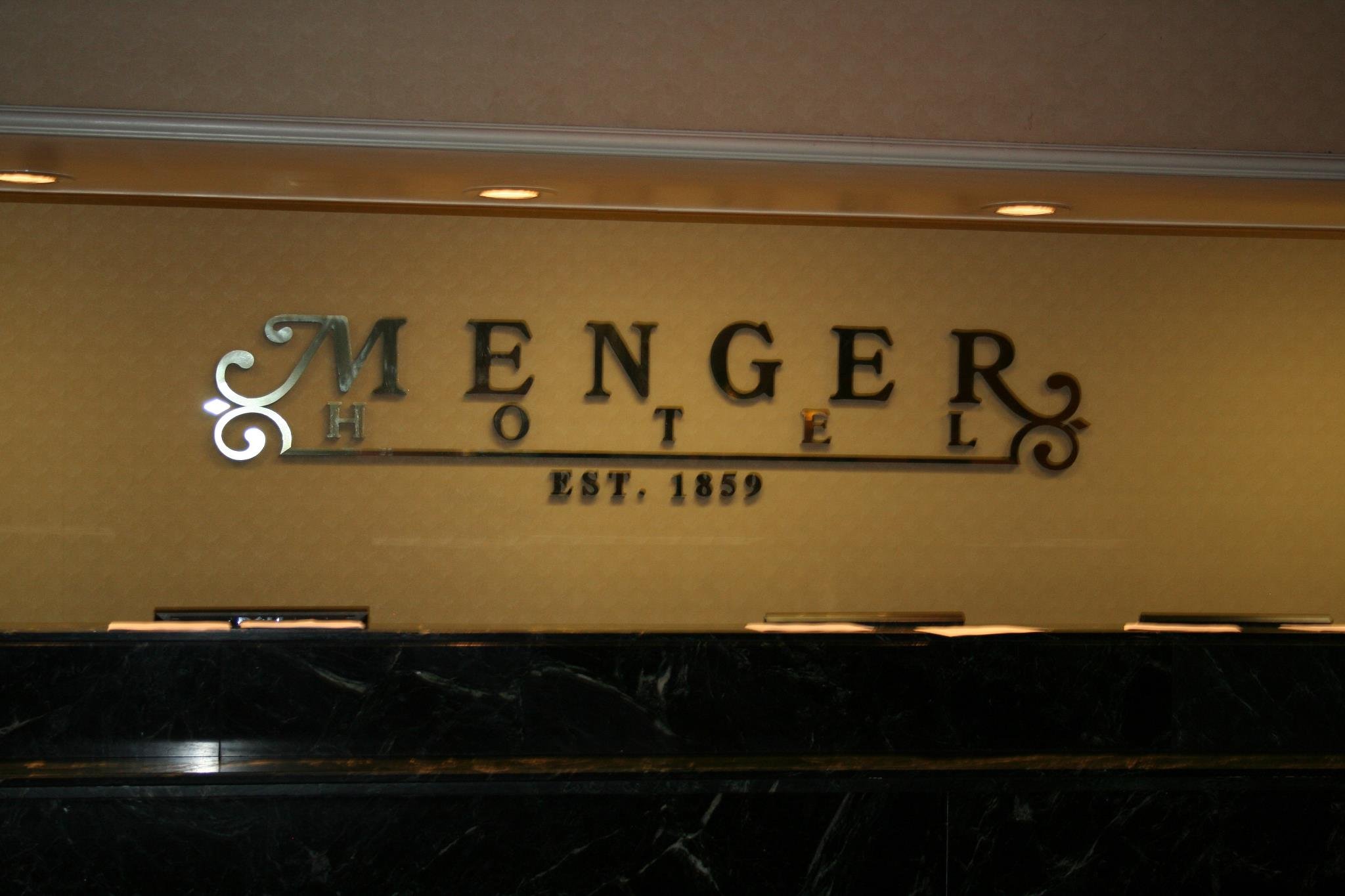
Front desk
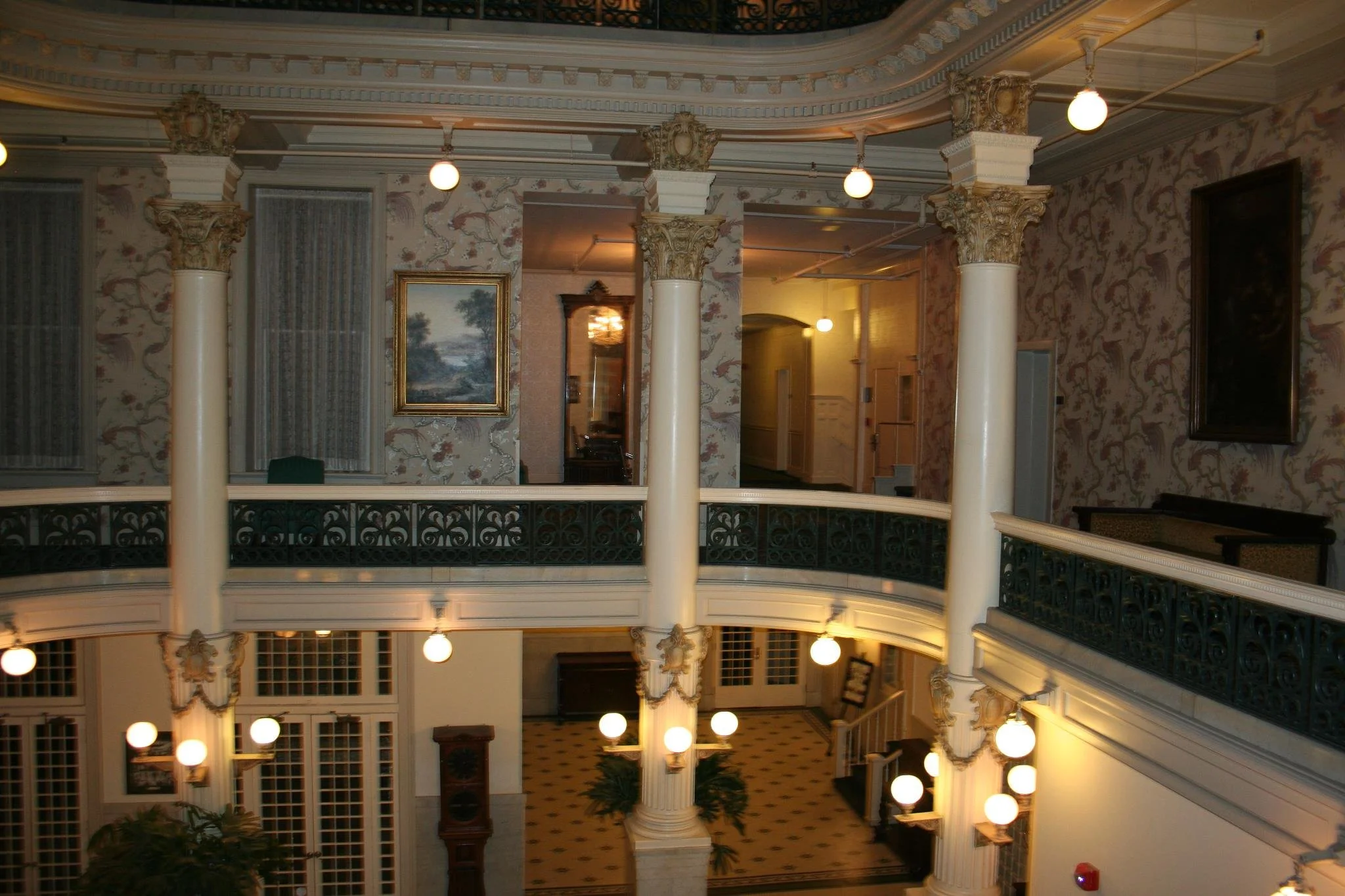
Hotel interior
Quick historical timeline
1859: William Menger opens the Menger Hotel as a boarding house and saloon to serve businessmen, stagecoach passengers, and soldiers stationed at nearby Fort Sam Houston and the Alamo garrison.
1886–1900s: The hotel expanded and modernized with updated public rooms, gas and later electric lighting, and ornate furnishings typical of Victorian-era luxury.
Early 20th century: The Menger solidified its reputation for high-end service and became a social hub for San Antonio’s upper classes and visiting dignitaries.
Mid–late 20th century: Preservation efforts helped keep the Menger’s original rooms, furnishings, and colonial-style bar intact even as San Antonio modernized around it.
Today: The hotel functions as a historic luxury property that embraces its past — including its ghost stories — as part of its charm.
Architecture and notable features
Victorian and Second Empire influences with elaborate plasterwork, carved wood details, and period furnishings.
The Menger Bar: A historic saloon that once hosted Teddy Roosevelt and his Rough Riders; the bar itself is a focal point for both history and hauntings.
Proximity to the Alamo: The hotel’s location places it in the middle of historic San Antonio, so many guests are drawn by both the Alamo and the Menger’s storied past.
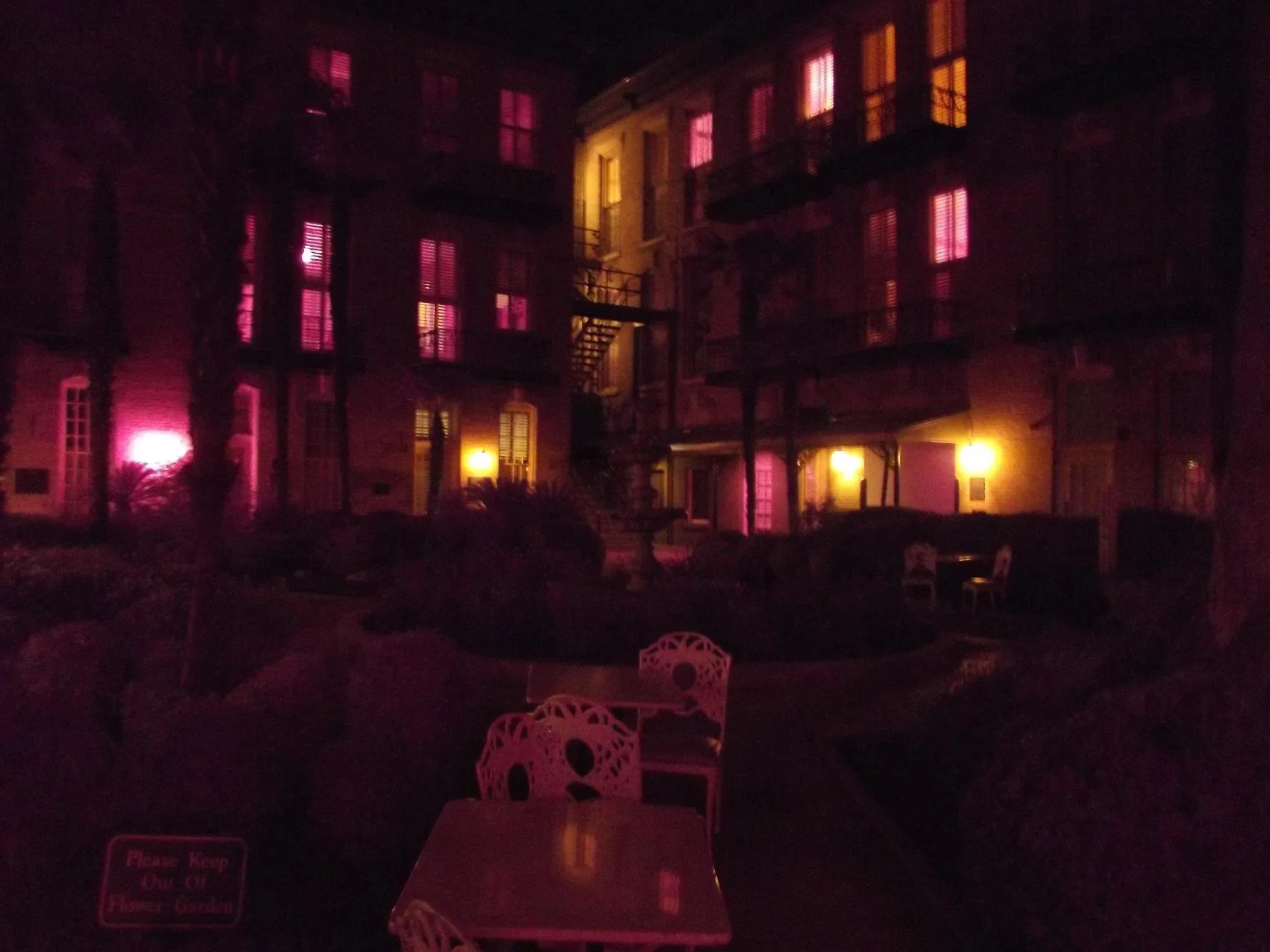
Famous guests and historical associations
Theodore “Teddy” Roosevelt and the Rough Riders reportedly used the hotel as a recruiting and socializing hub; Roosevelt is a central figure in the hotel’s ghost lore.
Numerous U.S. presidents, military officers, writers, and celebrities have stayed at the Menger over its many decades of operation.
Hauntings and ghost stories The Menger’s long history produces a rich catalog of paranormal lore. Stories vary between guests, staff, and paranormal investigators, but several names and recurring themes appear.
Theodore Roosevelt
The most famous ghost associated with the Menger is Theodore Roosevelt. Legend says Roosevelt organized and socialized with volunteers here while recruiting for the Rough Riders prior to the Spanish-American War. Staff and guests have reported sightings of a robust, mustachioed man in late-19th/early-20th-century attire — often described as energetic and friendly — who vanishes when approached. Theorized evidence includes cold spots, unexplained footsteps, and the feeling of being watched in and around the Menger Bar and certain guest rooms.
2. A grieving woman
Multiple reports describe the apparition of a tearful woman in Victorian dress wandering or standing in the hallways or glass-walled staircases. She’s sometimes seen peering from the second-floor windows toward the Alamo. Stories differ on her backstory; some say she’s a jilted lover or a grieving wife of a soldier, others more generally call her “a lady of the hotel.” Encounters often involve the smell of perfume with no source, sudden drops in temperature, and a sense of melancholy.
3. The “boy” who plays with toys
Accounts exist of a young-boy apparition or sounds of unseen children in some guest rooms and corridors. Guests have reported toys, music, or laughter that can’t be explained. A common anecdote: guests find small objects moved or hear pattering footsteps when no children are present. Staff sometimes interpret these as residual energies from the hotel’s busy past.
4. Staff and bellboy phenomena
mployees report poltergeist-like activity in the older sections: doors opening and closing, lights switching off, items being moved, and the sensation of hands touching luggage or shoulders. Because the Menger has maintained many original service routines, the overlap of old staff roles and historic uniforms is often part of the lore (guests sometimes report seeing a bellboy in period attire).
The Alamo
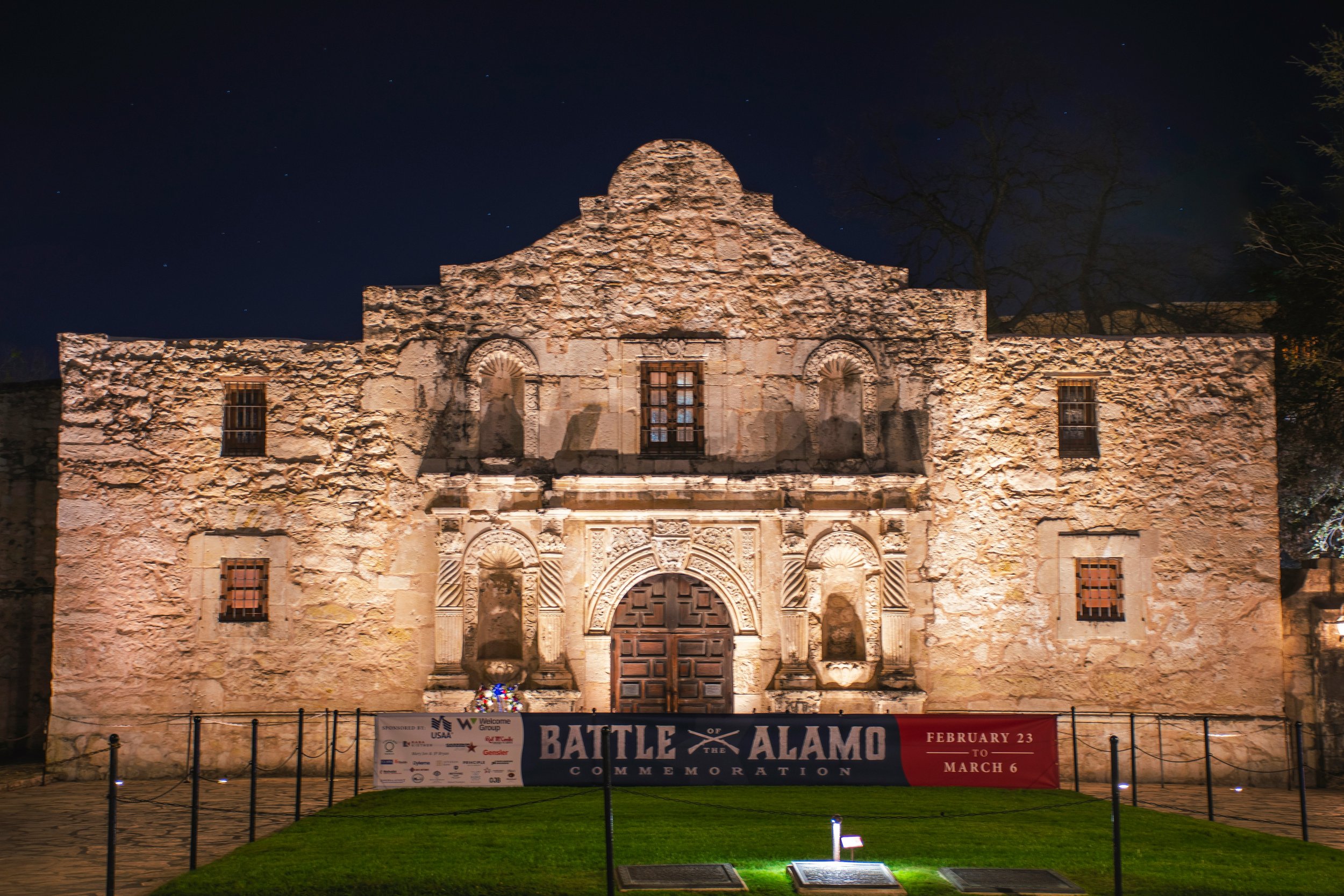
Undoubtedly the most famous haunted location in San Antonio, The Alamo is not only a historical landmark but also a hotspot for paranormal activities. The site of the famous Battle of the Alamo in 1836, it is home to many restless spirits.
Visitors have reported witnessing apparitions of soldiers and hearing gunshots and battle cries echoing through the night. Some ghost hunters claim to have captured chilling EVP (Electronic Voice Phenomena) recordings inside the chapel.
The Alamo (Mission San Antonio de Valero) began in the early 18th century as a Spanish mission founded in 1718 to convert and serve local Coahuiltecan peoples. The mission complex that became the Alamo was established at its present location in 1724. In 1793 the mission secularized and later became a military outpost; by the early 19th century it was known as the Alamo, named after the nearby Alamo de Parras company that once garrisoned it.
Its most famous moment came in 1836 during the Texas Revolution. From February 23 to March 6, a roughly 200–250 Texian defenders, including names like James Bowie, William B. Travis, and Davy Crockett, held the mission against a Mexican force commanded by General Antonio López de Santa Anna. After a 13-day siege the Mexican army overran the Alamo; nearly all defenders were killed. The battle became a rallying cry — "Remember the Alamo" — fueling Texian forces that defeated Santa Anna later that year and secured Texas independence. Over the following decades the Alamo’s buildings were altered, partially demolished, restored, and preserved as an American shrine and museum; it’s a National Historic Landmark and a focal point of Texas identity.
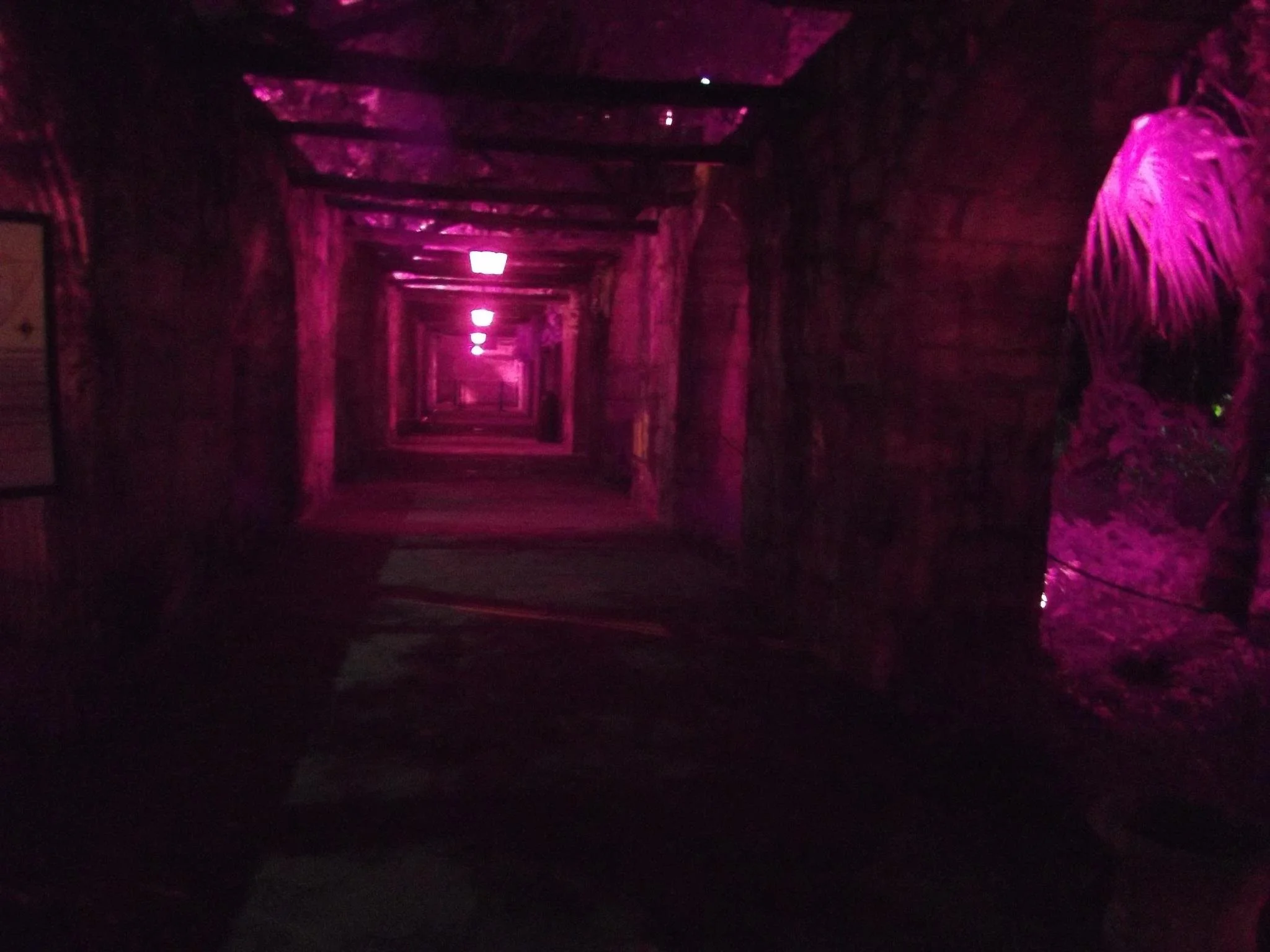
Alamo grounds
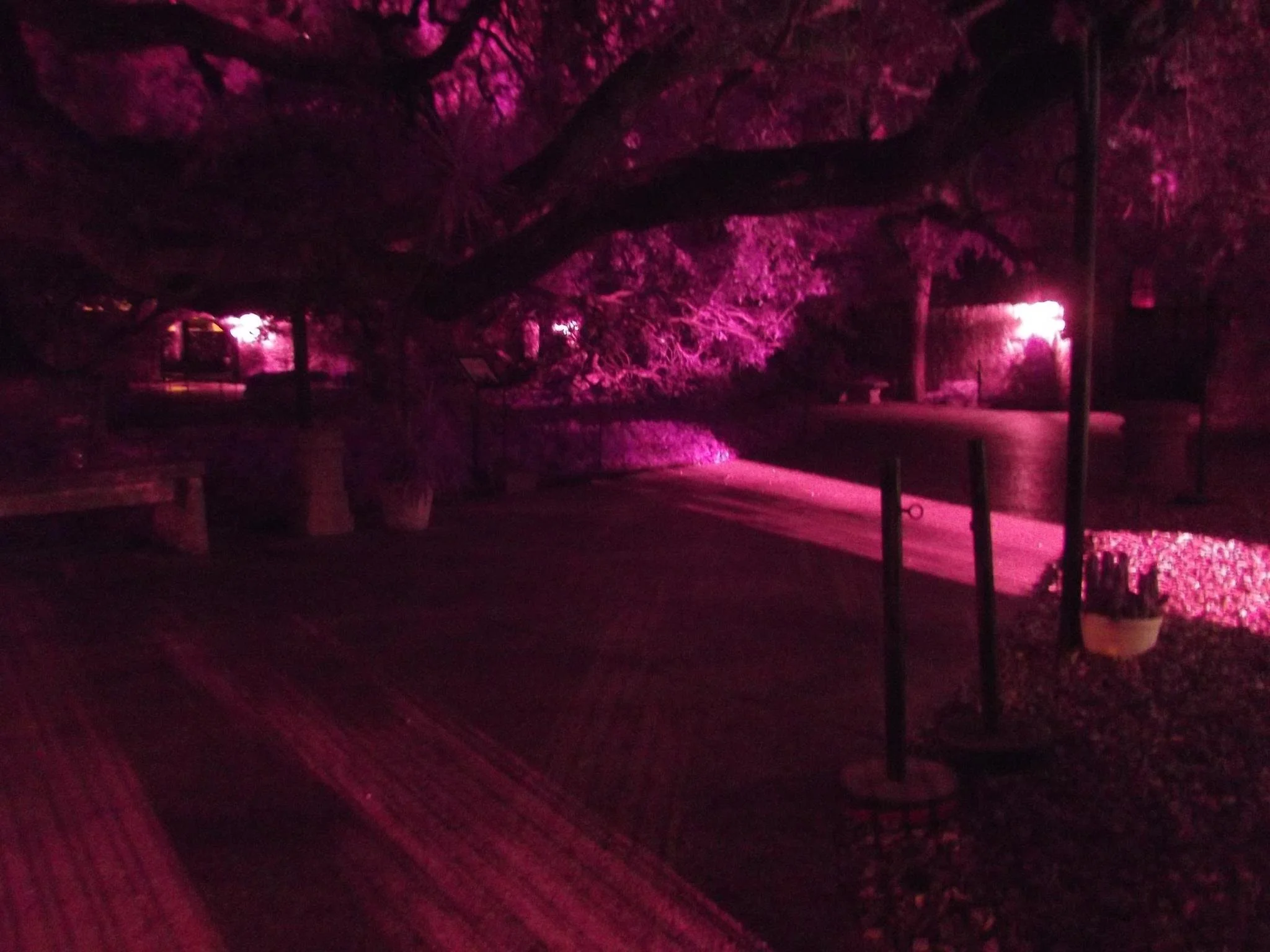
Alamo grounds
Hauntings and ghost stories
General atmosphere: The Alamo’s long history of conflict, death, and layered uses (mission, fortress, barracks, burial site) has made it a centerpiece of Texas ghost lore. Visit reports and local tradition mix historical facts with legend; many tales focus on the emotional weight of the 1836 battle and the memory of those who died there.
Soldiers’ apparitions: Numerous witnesses—tourists, staff, and paranormal investigators—have reported seeing ghostly figures in period military dress, walking the grounds, standing on the chapel roofline, or appearing in doorways. These specters are often described as shadowy, translucent, or briefly solid, sometimes vanishing into walls.
Sounds from the past: People have reported hearing phantom musket fire, bugle calls, marching, whispered commands, and distant cries—especially at night or in quiet hours. Some say these auditory phenomena intensify around the anniversary of the battle (early March).
Cold spots and sudden temperature changes: Common in many haunted sites, visitors have noted localized cold spots inside rooms or along corridors of the Alamo complex, as well as sudden drops in temperature without obvious cause.
Disembodied voices and footsteps: Staff and visitors have described footsteps in empty chambers, doors opening and closing, and indistinct voices that resemble orders or lamentations, sometimes captured in audio recordings by investigators.
Shadow people and moving objects: Accounts include fleeting shadow figures, flashes of movement in peripheral vision, and small objects reportedly shifting slightly on display tables—phenomena often attributed to residual or intelligent spirits.
Specific legends:
Chapel watchers: Some tales place ghostly defenders on the chapel roof or at the chapel’s door, as if guarding the site or reenacting their final stand.
Sentry at Night: A recurring story describes a lone sentry seen pacing the grounds after hours, vanishing when approached or when lights are turned on.
Cottonwoods and graves: The grounds once included burial sites and scattered death in the years following the siege; locals have linked the ancient cottonwood trees and quiet corners to feelings of sorrowful presence.
Context and caution
Separation of history and legend: Many reported phenomena are part of folklore shaped by the Alamo’s status as a symbol. Some stories grew from eyewitness reports; others developed through retellings, tours, and media. Paranormal claims are notoriously difficult to verify; environmental factors (acoustics, lighting, building settling, rodents, nearby traffic) and suggestibility can produce strong subjective experiences.
Preservation and access: The Alamo is an actively preserved historic site and museum with guided tours, exhibits, and annual commemorations. After-dark access is limited; many haunting stories come from late-night investigators, employees, or special events rather than everyday visitors.
Please note: paranormal investigations are not permitted at the Alamo. If you choose to carry an audio recorder on you or something while visiting, be respectful and discreet about it.
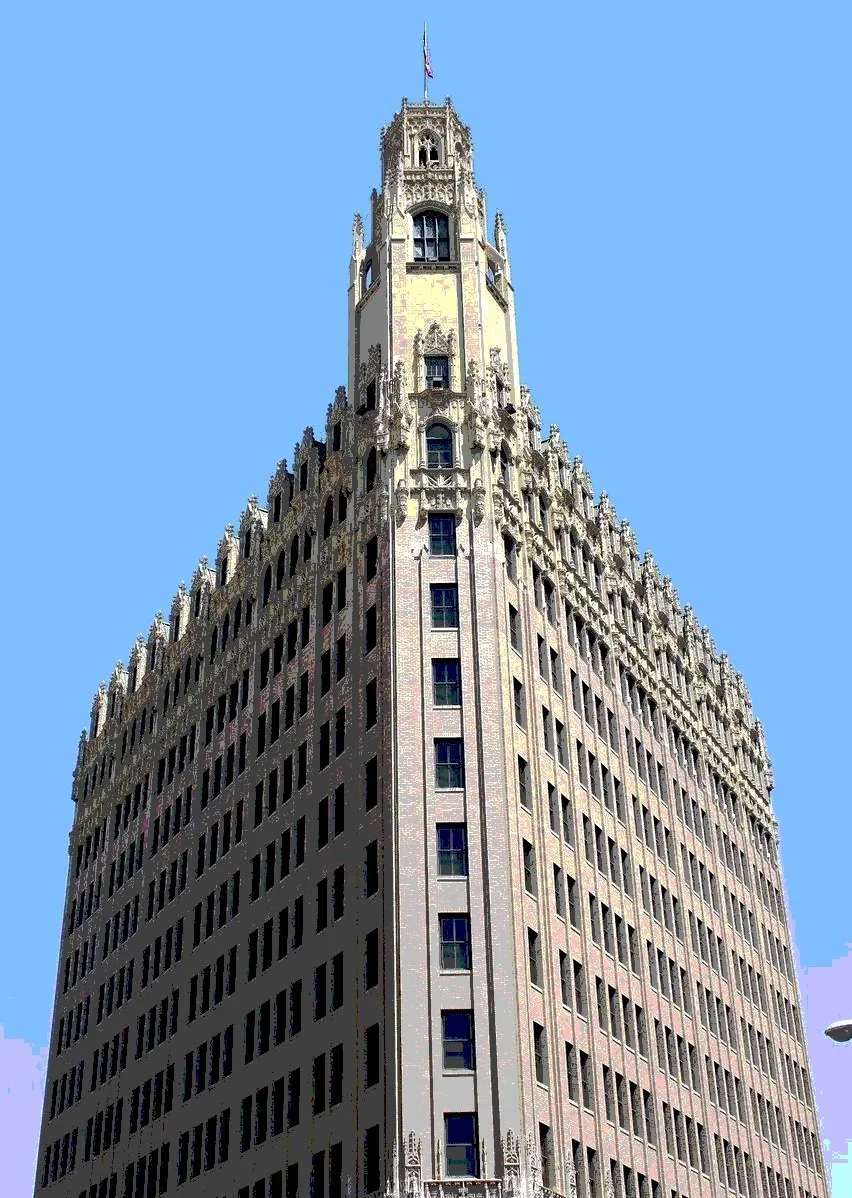
The Emily Morgan Hotel
The building that’s now the Emily Morgan Hotel sits at 705 E. Houston Street, directly across from the Alamo. Its layers of history — medical, civic, and commercial — as well as its Gothic Revival architecture and dramatic location, have made it one of San Antonio’s most storied and famously haunted landmarks. Formerly a medical facility known as "The Medical Arts Building," the Emily Morgan Hotel is now a luxurious haunt for both living and spiritual guests. The building's history as a hospital during the Mexican Revolution and World War II has left a lasting imprint on the spirits that allegedly reside within its walls.
Visitors have reported seeing apparitions, hearing disembodied voices, and feeling strange sensations throughout the hotel. Room 525 is believed to be the most haunted, with guests experiencing unexplained flickering lights, sudden drops in temperature, and feeling as if they are being watched.
A short historical timeline
1887–1924: The site originally housed the Emily D. West / Emily Morgan residence and later other structures; the connection to the “Yellow Rose of Texas” legend is part of local lore but not directly tied to the existing building.
1924–1936: Construction of the Medical Arts Building began in the 1920s and the structure opened in 1924 as a medical office building. Designed in a Gothic Revival/Art Deco hybrid, it was built to house physicians and related services, featuring ornate terra cotta, Gothic pinnacles, and a vertical, castle-like silhouette meant to convey permanence and civic pride.
1936–1970s: The building continued as a medical center, with doctors’ offices, laboratories, and clinical services occupying multiple floors. Over decades it became associated with hospital activity in downtown San Antonio.
1970s–1996: As downtown evolved, the building saw diminished medical use and some vacancies. Plans began forming to repurpose the historic Medical Arts Building into hospitality space.
1996–2002: Major renovation and adaptive reuse transformed the old Medical Arts Building into the Emily Morgan Hotel, a boutique property leveraging its prime location across from the Alamo and its dramatic façade. The hotel opened in the late 1990s / early 2000s, embracing Gothic design elements and a historic motif.
2000s–present: The Emily Morgan Hotel has operated as a prominent downtown hotel and event space. Its proximity to the Alamo, visible Gothic silhouette, and long history have made it a magnet for tourists, history buffs, and paranormal enthusiasts.
Why it’s called the Emily Morgan Hotel The hotel’s name references Emily D. West, popularly remembered in Texas folklore as the “Yellow Rose of Texas.” Legends describe her as a free woman of color whose reputed relationship with a British officer distracted foes during the Texas Revolution, aiding Sam Houston’s victory at the Battle of San Jacinto. Historical accuracy is debated; the direct connection between the real Emily West and the San Antonio site is tenuous. The name was chosen more for its evocative local legend and marketing resonance than documented local ties.
Architecture and atmosphere The building’s Gothic Revival features — pointed arches, decorative terra cotta, and a fortress-like verticality — contribute to its haunting aesthetic. Narrow corridors, tall stairwells, and period features retained during conversion to a hotel enhance senses of atmosphere and, for some guests, the impression of otherworldly presence.
Hauntings, reported phenomena, and ghost stories The Emily Morgan is widely regarded as one of San Antonio’s most haunted hotels. Reports come from guests, staff, investigators, and tour guides; stories vary in detail but share recurring themes.
Apparitions and figures
Female apparition: Multiple accounts describe a woman in period attire — often said to be a nurse or an old-time patient — seen in hallways or at the foot of beds. Witnesses report seeing her briefly or watching her disappear into walls or furniture.
Shadow people and indistinct figures: Guests have reported shadowy forms moving just out of clear sight in corridors and stairwells.
The “long-haired” woman: Some versions describe a woman with long dark hair, sometimes localized to certain rooms or hallways.
Disembodied sounds and voices
Voices and murmurs: Guests and employees have heard whispers, conversational snippets, and indistinct voices in empty hallways and rooms.
Footsteps: Recurring reports of footsteps on staircases or in upper corridors when no one else is present.
Piano or music: Occasional reports of music or piano tones when no instrument is nearby.
Physical interactions and sensations
Cold spots: Sudden drops in temperature in hallways and specific rooms.
Touches and brushing: Guests report being lightly touched, hair tugged, or pressure on beds.
Objects moving or misplaced: Reports include lights flickering, televisions turning on/off, and personal items shifting position.
Room-specific stories
Several rooms and suites have reputations for activity. While room numbers and tales vary over time and by storyteller, some guests have refused to stay in certain rooms after hearing their histories, and staff identify particular areas as “hot spots.
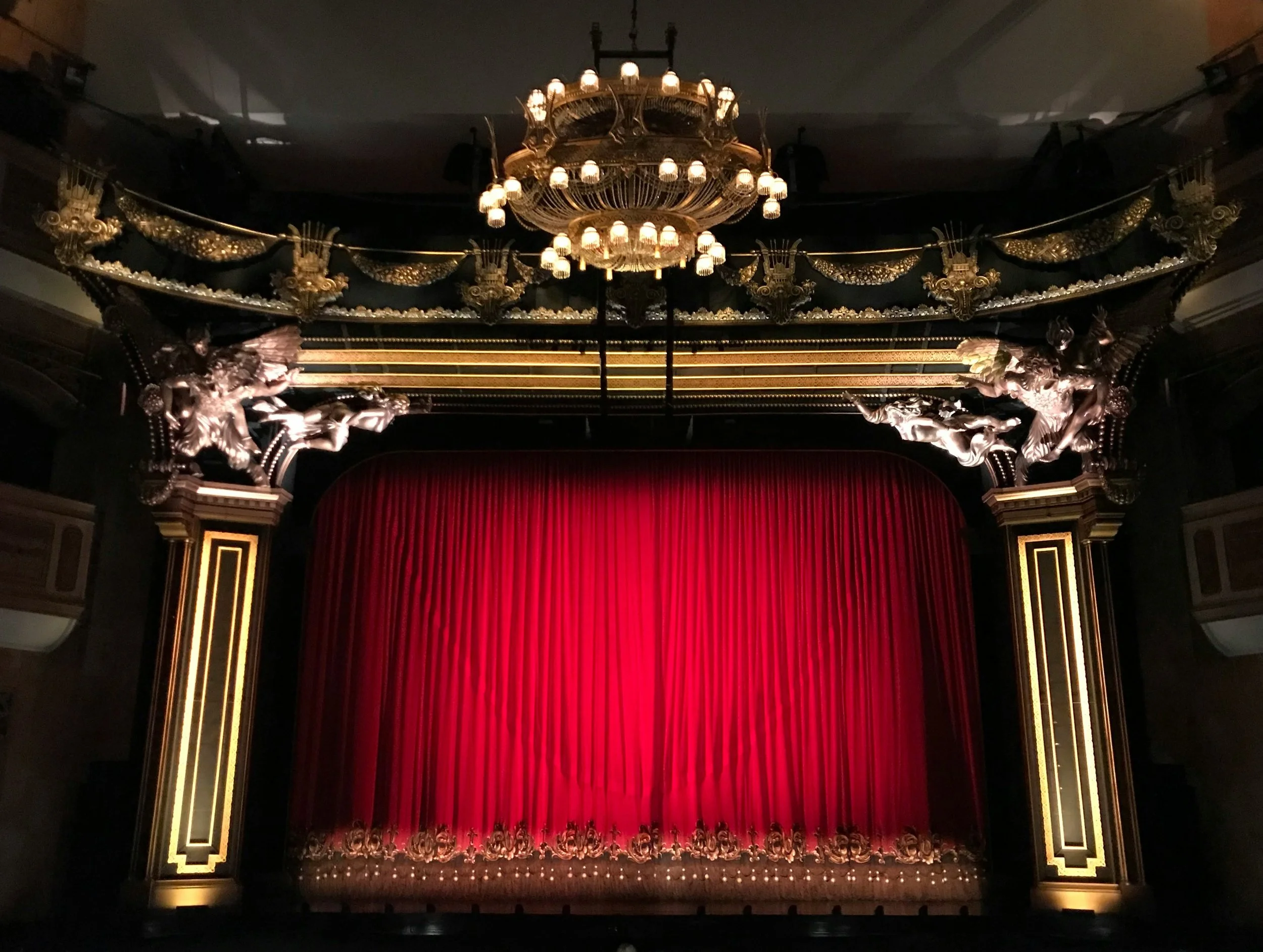
The Aztec Theatre
Situated in downtown San Antonio, the Aztec Theatre is not only a beautifully restored historic movie palace but also a well-known paranormal hotspot. Built in 1926, the theater has seen countless performances and is said to be haunted by the spirits of actors and patrons from the past.
Visitors have reported hearing phantom applause, seeing shadowy figures wandering the balconies, and feeling a heavy, eerie atmosphere within the theater. Ghost tours and investigations are offered, allowing brave souls to explore the paranormal side of this magnificent landmark.
History
Movie palace and vaudeville era: From its 1926 opening the Aztec operated as a single-screen movie palace and a venue for vaudeville acts and stage shows. Like other grand theaters of the era, it had a lavish auditorium, a balcony, and a sizeable stage and fly tower to handle touring productions. It was a key cultural hub for downtown San Antonio through the 1930s–1950s.
Mid-century changes and decline: By the 1960s–70s, multiplexing and suburbanization hurt downtown movie palaces. The Aztec went through ownership changes, occasional periods of closure, and was repurposed for different entertainment uses. Despite decline, its ornate lobby and auditorium remained iconic to locals.
Restoration and revival: In the late 20th and early 21st centuries, interest in historic theaters and downtown revitalization led to restoration efforts and the Aztec’s reinvention as a live-music and events venue. It has hosted concerts, comedy, film screenings, and private events. Restoration work sought to preserve the lavish decorative scheme while updating lighting, sound, and safety systems for contemporary performances.
Present-day use: Today the Aztec is a mid-size performance hall in San Antonio’s theater district and remains a must-see building for architecture lovers, live-music fans, and those drawn to theatrical history. Its mix of opulent décor and layered history makes it a natural magnet for ghost stories.
Hauntings and ghost stories
The Aztec Theatre is one of San Antonio’s most frequently mentioned “haunted” performance spaces. Reports are largely anecdotal and come from employees, performers, venue staff, and paranormal investigators. Common themes include unexplained sounds, apparitions, moving objects, and the sensation of being watched. Notable stories and claims:
The “dressed-in-white” apparition: Multiple staffers and performers have reported seeing a pale figure — often described as a woman in white or light clothing — moving through the balcony or backstage corridors. Accounts vary: some say it vanishes into walls, others report it watching silently from a seat before disappearing. No consistent identification (name, era) has been attached to this figure.
Phantom footsteps and voices: Backstage areas, dressing rooms, and the catwalks above the stage are frequent sites for reports of footsteps when no one is present, whispering and indistinct voices, and occasional knocks or slams. Performers preparing for shows sometimes report hearing their name called from empty wings.
Dressing-room anomalies: Musicians and actors have described props or small items being moved, makeup palettes left open, costume hangers swinging when no draft should exist, and sudden cold spots in specific dressing rooms. Some long-time employees claim certain dressing rooms have a heavy, watchful energy that makes performers uneasy before shows.
Old projection booth presence: The projection booth and the mezzanine area are sometimes singled out for a “presence” — a feeling of being observed and short, inexplicable bursts of static on sound equipment. Because the projection booth is associated with the theater’s film history, storytellers sometimes link the phenomenon to projectionists or late-shift workers from earlier decades.
The balcony sitter story: A recurring tale says that if the theater isn’t busy, staffers sometimes hear the creak of the balcony springs as if someone were settling into a seat, or see a lone silhouette sitting in the balcony — only to find it empty when checked. In local tellings this presence is treated as protective or melancholic rather than malevolent.
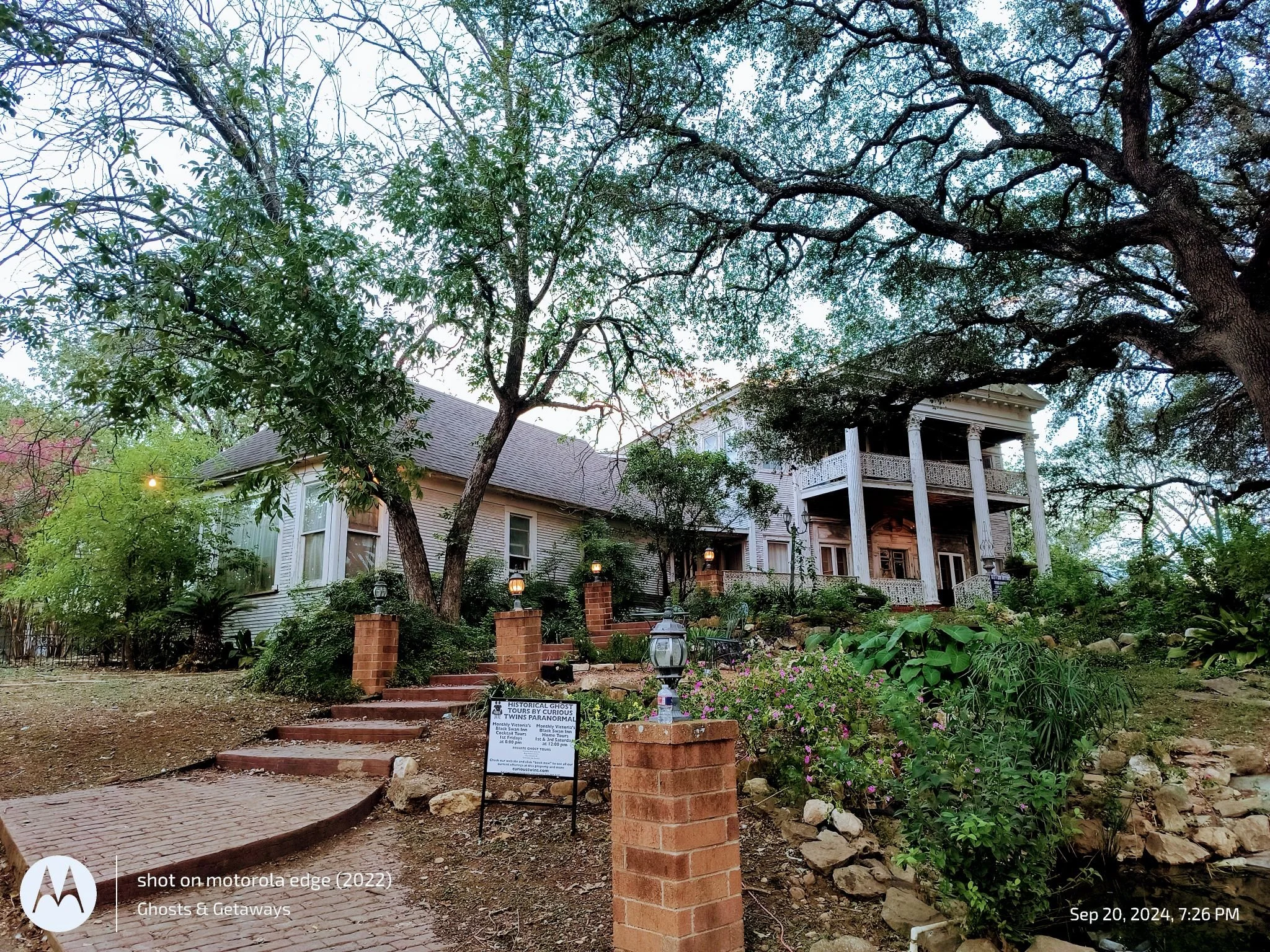
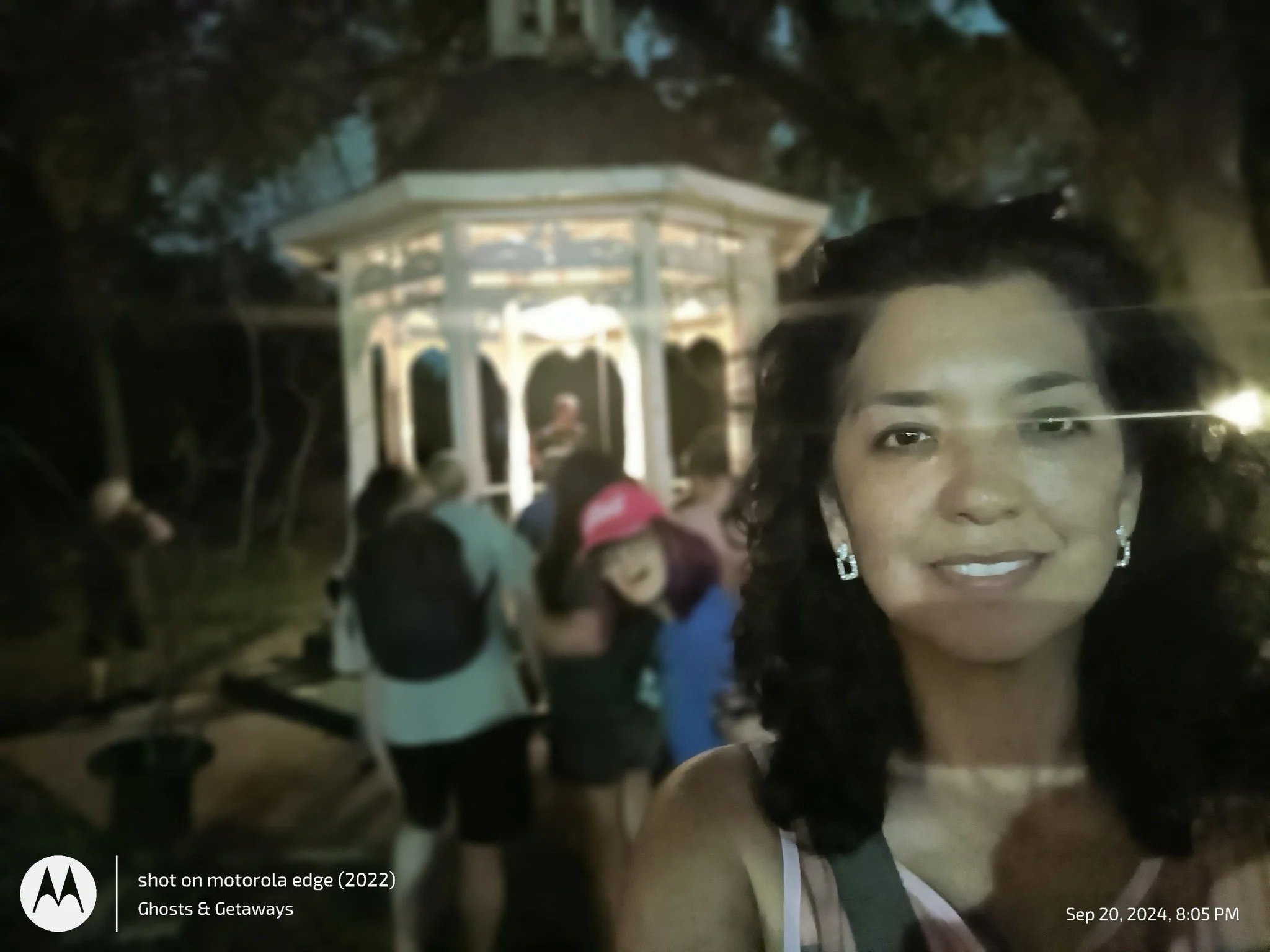
Victoria's Black Swan Inn
Located on the outskirts of San Antonio, The Victoria's Black Swan Inn is a historic location known for its supernatural happenings. This former stagecoach stop and hotel is said to be haunted by various spirits, including children, soldiers, and a lady in white.
Guests have reported hearing phantom footsteps, witnessing objects move by themselves, and feeling an eerie presence in certain rooms. Paranormal investigations have captured EVP recordings and electromagnetic anomalies, solidifying the inn's reputation as one of the most haunted places in San Antonio.
History
Early years (mid-1800s to early 1900s): The building that houses the Black Swan Inn dates to the mid-19th century, part of Victoria’s rapid growth after the Gold Rush and the influx of settlers. Government Street became a commercial spine for the city; the structure originally served as commercial premises and boarding house space common to the era.
Establishment as an inn: The property evolved into a public house/inn in the late 1800s or early 1900s. Over decades it changed hands several times, adapting to Victoria’s maturing tourism industry and the city’s popularity as a Pacific Northwest port and colonial administrative center.
Preservation and modern era: The Black Swan embraced heritage preservation while updating amenities. The inn retains period features—dark woodwork, narrow staircases, and small, character-filled rooms—contributing to its antique atmosphere. Its location near the Empress Hotel, Inner Harbour, and other heritage sites places it at the heart of Victoria’s historic district, making it a convenient base for visitors drawn to the city’s past and its ghost lore.
The Street Family Tragedy: In the 1950s, the home was purchased by the Woods and Street families. Tragedy struck when Joline Woods Street died of cancer at age 38. Her husband, Hall "Park" Street, was found hanged in his bedroom in 1965. While ruled a suicide, local legend persists that it may have been murder over a hidden treasure.
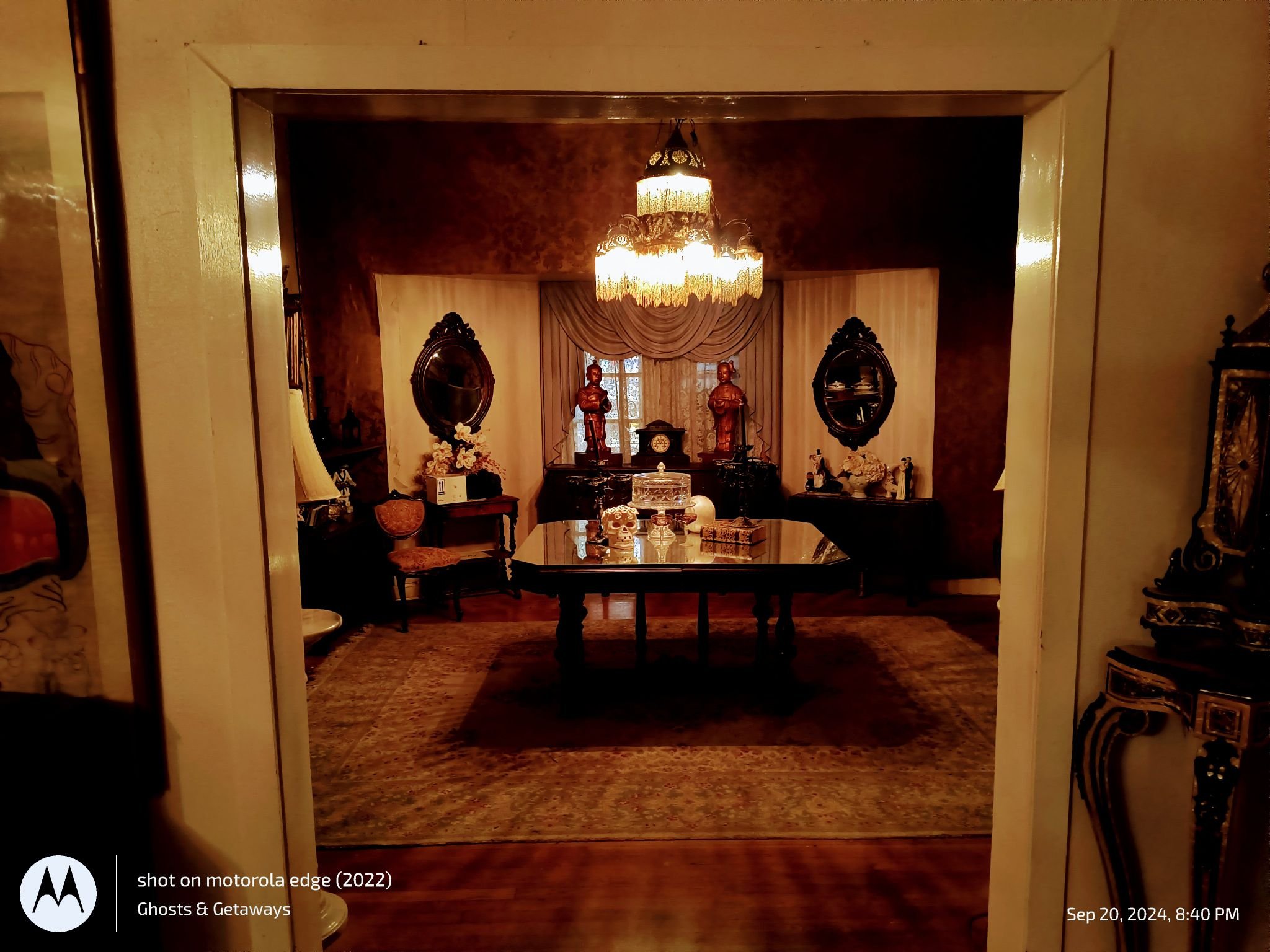
Black Swan Inn interior
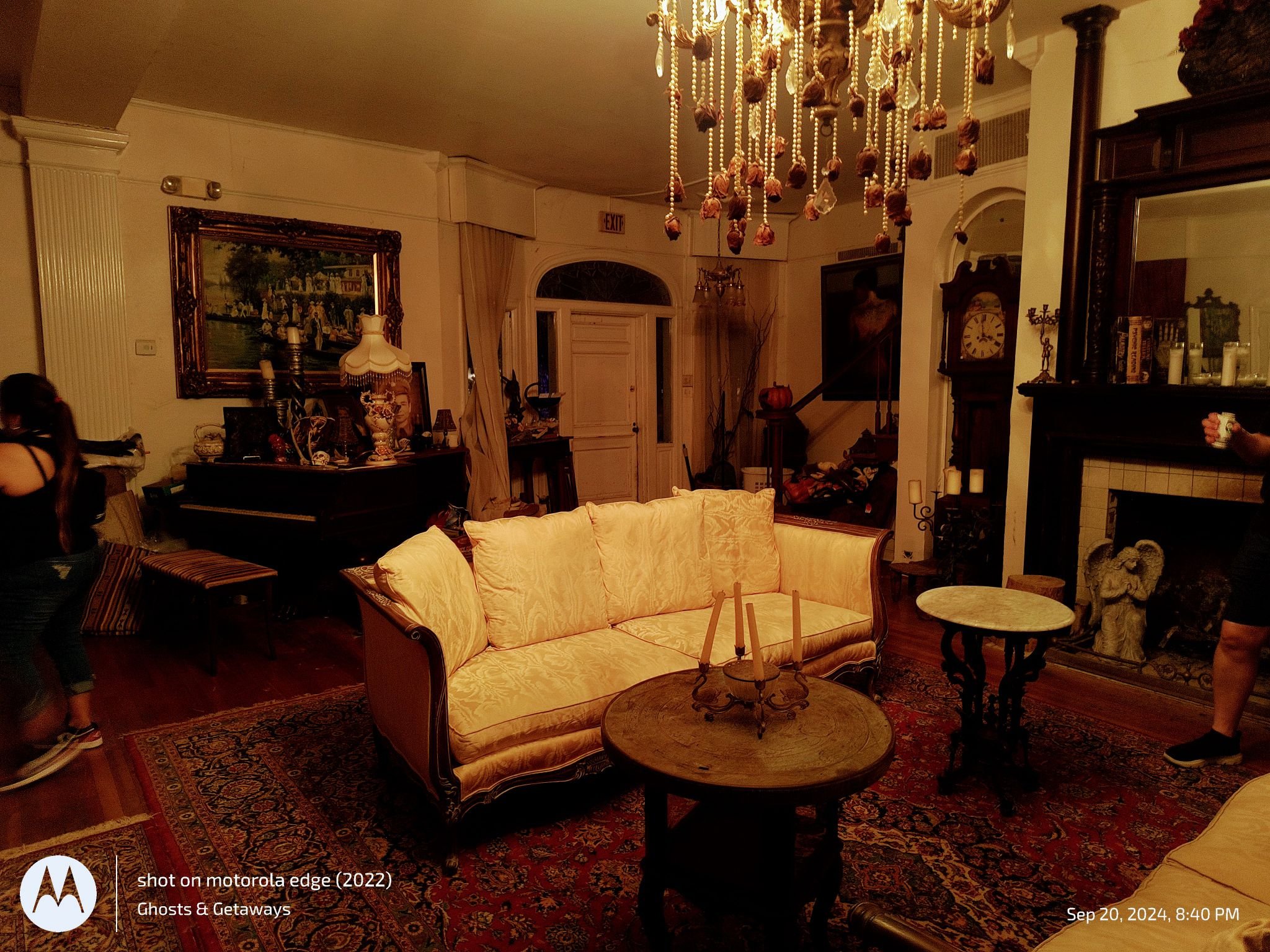
Hauntings and ghost stories The Black Swan’s compact layout, age, and long history of guests and staff have produced recurring ghost reports. Stories tend to center on certain rooms, hallways, and the inn’s pub area. Common themes include cold spots, unexplained noises, and apparitions.
“The Lady in White” (guest room apparition) Many accounts tell of a woman in period dress—often described as white or pale clothing—seen briefly in corridors or the doorway to one of the upper-floor rooms. Witnesses describe her as translucent, moving silently, and vanishing when approached. Some guests claim she seems melancholy rather than hostile. Speculation among staff and locals links the figure to a grief-stricken traveler or a long-ago resident who died while staying at the property, though no specific historical death has been definitively tied to the sighting.
Footsteps and late-night sounds Staff and overnight guests frequently report the sound of footsteps, soft murmurs, or the creak of doors when the halls are empty. These noises often occur between late evening and pre-dawn hours and are most commonly reported on the upper floors. Because the inn’s floors and staircases are narrow and old, ordinary settling and building noises can be loud, but some episodes include distinct, rhythmic footsteps ascending or descending when no one is present on-camera or via staff checks.
Unexplained cold spots and physical sensations Visitors sometimes describe sudden, localized drops in temperature—cold spots—especially in certain rooms and the hallway outside them. Along with cold air, a number of people have reported the sensation of being watched, an unexplained weight on the bed, or the feeling of a hand brushing their hair at night. These experiences are typical of many haunted inns and lend a classic ghost-story atmosphere to overnight stays.
Electromagnetic and device anomalies Paranormal investigators visiting the Black Swan have recorded occasional spikes in electromagnetic readings and unexplained battery drain or camera malfunctions localized to specific areas. These technical anomalies are cited by investigators as suggestive—though not conclusive—evidence of paranormal activity.
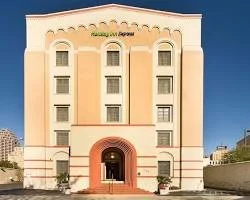
Photo from hotel website

Photo from hotel website
The Old Bexar County Jail
Located at 120 Camaron Street in San Antonio, is a formidable five-story structure with a dark and violent history. Built in 1878, it served as the county's primary detention facility until 1962. Today, the building has been repurposed as the Holiday Inn Express San Antonio N-Riverwalk Area, but it still retains much of its original "big house" architecture, including bars on the windows.
The jail's history is defined by overcrowding, public executions, and a notorious indoor gallows.
Expansion and the "Indoor Gallows": Originally a two-story limestone building, it was expanded upward in 1912 and 1926 due to the city's growing population and zoning laws. Because there was no outdoor space for executions in the downtown setting, architects built a trap-door gallows between the floors.
The Final Hanging: The most infamous event in the jail’s history occurred in 1923 during the execution of Clemente Apolinar, who had been convicted of a brutal murder. Apolinar requested to be hanged without the customary hood. The drop was miscalculated, and he was unintentionally decapitated in front of a gathered crowd, reportedly spraying blood onto the onlookers.
Prisoner Riots: In 1962, just before the jail closed, inmates on the upper floors rioted over the repetitive food menu (specifically demanding fried eggs instead of stew). The riot involved inmates setting fire to mattresses and only ended when the sheriff used fire hoses and wax bullets to quell the disturbance.
Given the decades of executions and despair, the building is considered one of San Antonio’s most active paranormal hotspots.
The Hanging Spirits: Guests staying on the third and fifth floors—where the gallows and execution chambers were located—have reported seeing dark figures that appear to be hanging from the ceiling.
Basement Shadows: The basement, which once held solitary confinement cells, is said to be haunted by shadowy figures and sudden, extreme drops in temperature.
Poltergeist Activity: Hotel staff and guests have reported classic haunting phenomena, such as:
Unmaking beds: Sheets being pulled back or undone immediately after a room has been cleaned.
Whispered voices: Disembodied whispers and the sound of footsteps in empty corridors.
Apparitions: A former inmate in period clothing is frequently seen wandering the hallways before vanishing into walls.
**********************
Mexican, Tejano, immigrant, and Native histories supply unique folklore, mythic figures, and personal stories—giving haunted tours depth beyond generic tales. Professional ghost tours, specialized night walks, and local investigators make it easy for visitors to join guided investigations or find expert insight.
In short: San Antonio pairs real historical weight, atmospheric architecture, rich cultural lore, and a lively tourist scene—making it both spooky and delightfully accessible for paranormal travelers. Pack a jacket for the night breezes, a recorder if you like EVPs, and an appetite for both ghost stories and good food.
Make this beautiful day count!
Annette