
The Haunted Jail Trail: A Road Trip Through Texas’s Spookiest Cells
Texas is home to a wealth of "haunted" history, particularly within its old county jails, many of which have been preserved as museums. Here are 15 historic Texas jails you can visit, featuring their gritty histories and reported paranormal activity.
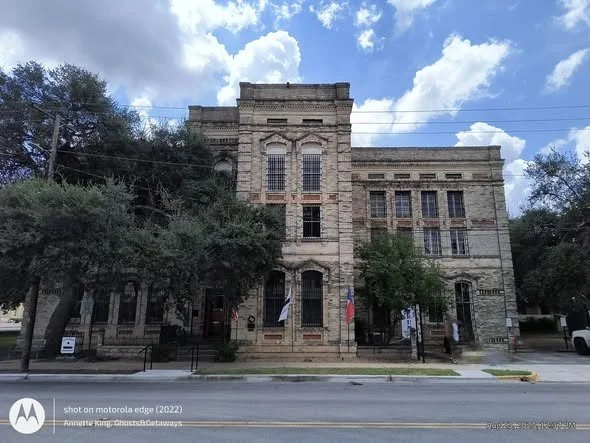
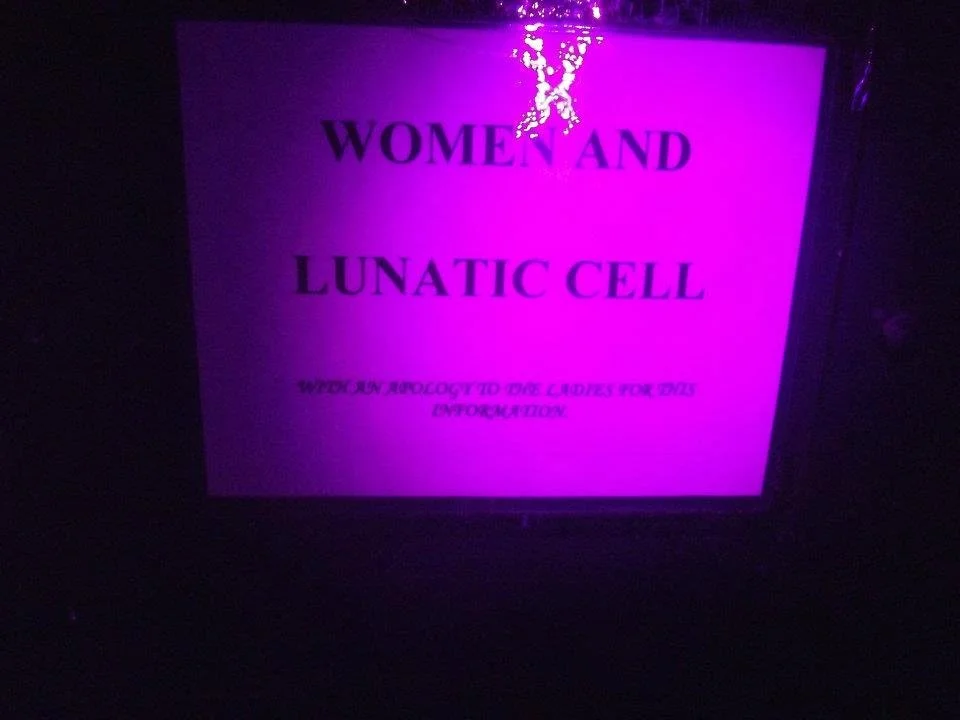
1. Gonzales County Jail Museum (Gonzales)
History: Built in 1885, this jail features a "dungeon" and a reproduction of the gallows used for executions until 1921. The first floor contains a "dungeon"—a pitch-black, windowless room where the only air came from small holes above the door. It was used for the jail’s most unruly or dangerous prisoners. Like many jails of the era, the sheriff’s family lived on the first floor. The current museum director actually spent a decade of her childhood living in those quarters during the 1950s and 60s, while her mother cooked two meals a day for the inmates upstairs.
Hauntings: It is famous for the "Curse of the Courthouse Clock." An inmate named Albert Howard, who proclaimed his innocence, allegedly cursed the clock before his hanging, saying its four faces would never tell the same time again. Visitors also report shadows, hair pulling, and doors slamming. Visitors frequently report "shadow figures" standing in the cells and the sound of heavy metal doors slamming on their own. Some have even reported seeing the apparition of a man near the gallows area, believed by some to be Howard himself. Many people describe the jail not as malevolent, but as "heavy," with the feeling that history is "whispering" to them as they walk through the steel-clad corridors. We had a quiet night when we investigated but we want to return again soon.
2. Old Gillespie County Jail (Fredericksburg)
History: This was actually the county’s fourth jail. The first two were inadequate log structures, and the third burned down in 1870. The 1885 version was built specifically to be "escape-proof" using thick limestone blocks. The ground floor was used for female inmates and as a general "holding tank," while the second floor housed two massive steel-clad cells for maximum-security prisoners. It remained the county's primary lockup for over 50 years.
Hauntings: Visitors frequently report a "vibe" or a heavy, watchful energy on the second floor. Many describe feeling a cold draft or a sudden sense of dread near the far east wall where the steel-clad cells are located. A heavy, unsettling energy is frequently reported in the upper-level cell blocks.
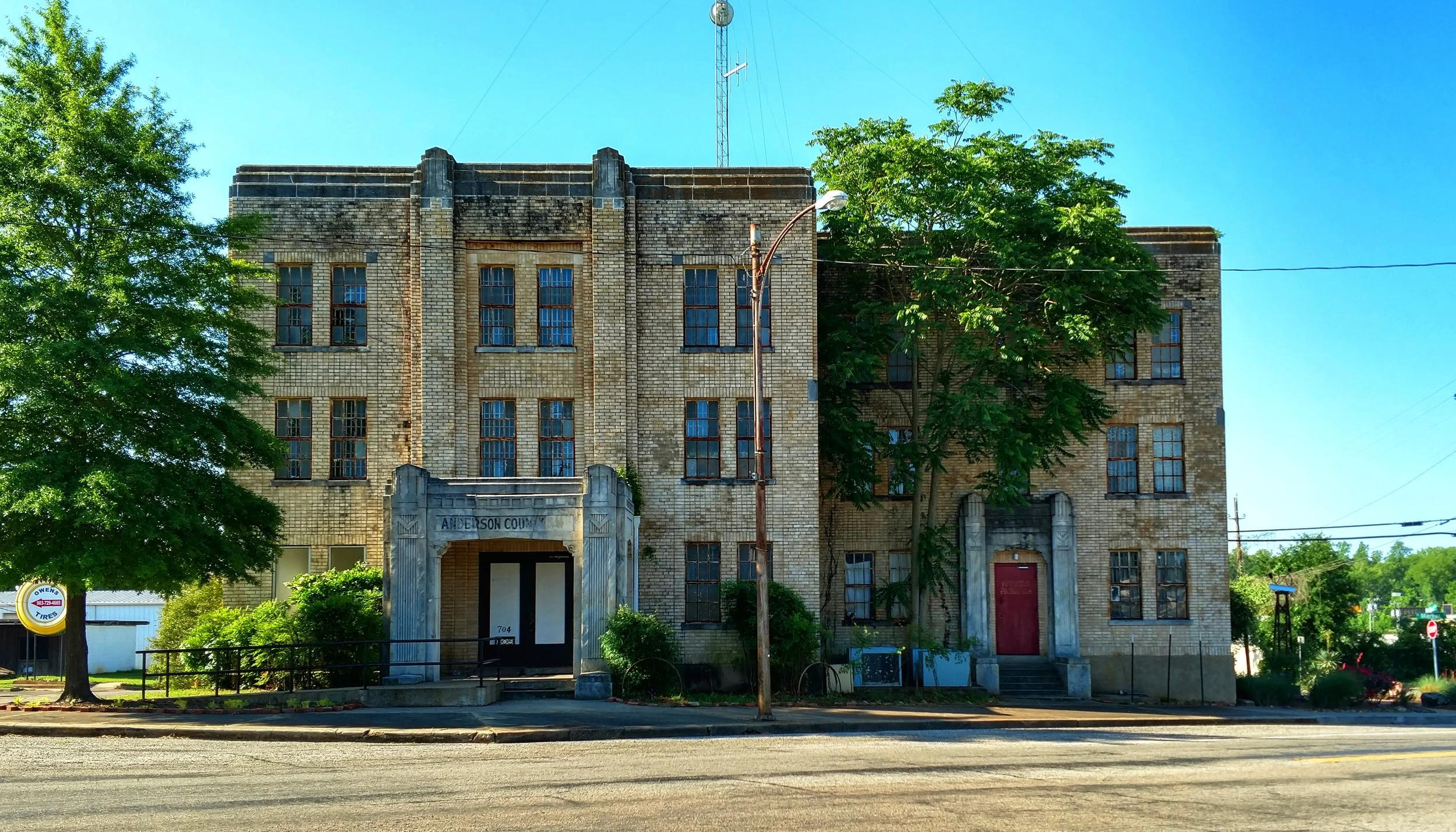
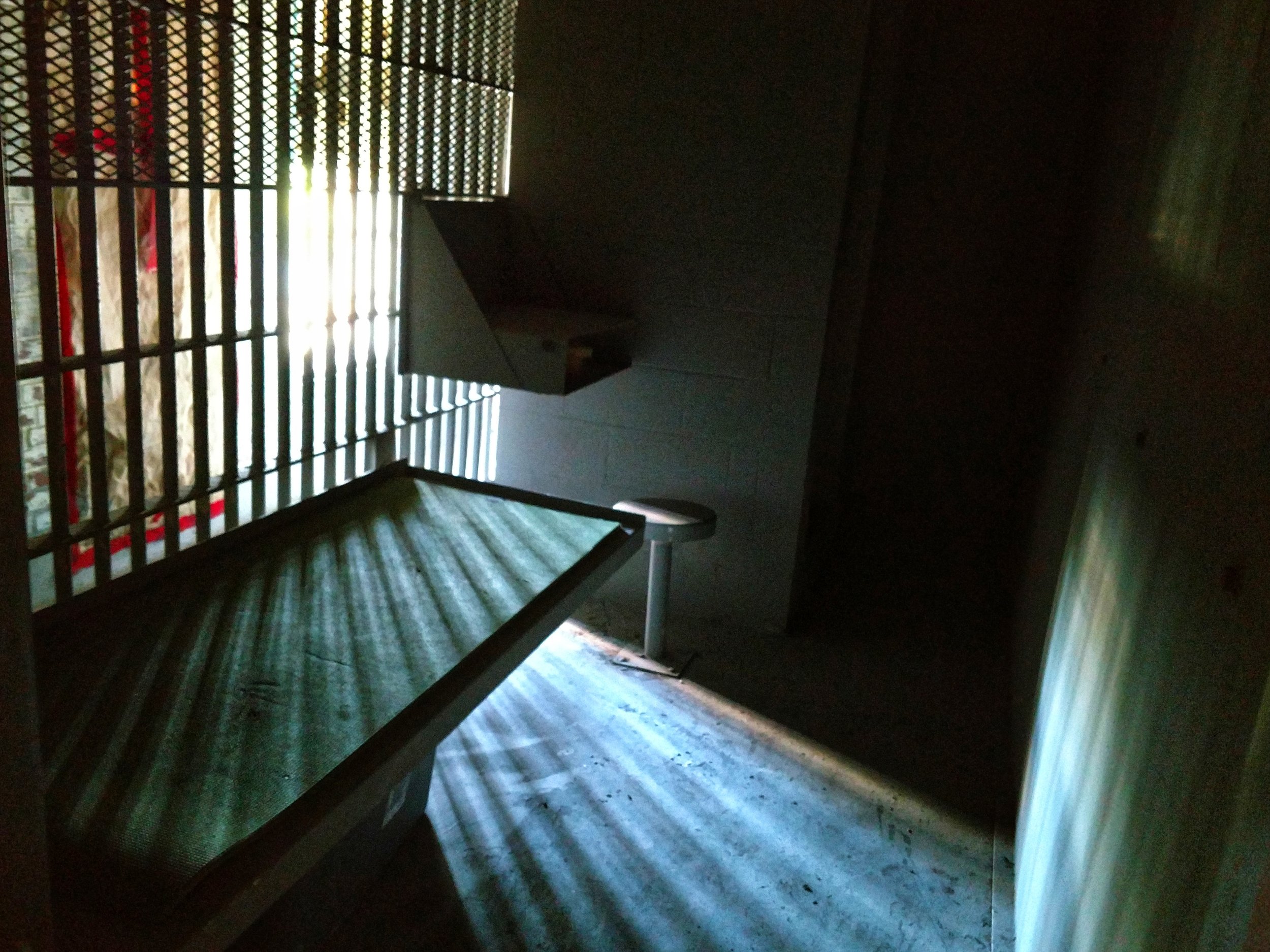
3. Historic Anderson County Jail (Palestine)
History: Known as the "Texas Jailhouse," this 1931 Art Deco building replaced an older 1880s structure. Long before the current building, the site was home to the first county jail in the mid-1800s and a second, clock-towered jail built in 1880. It served as the county’s primary lockup for nearly 55 years before being decommissioned. After sitting empty for a period, it was purchased in 2012 by private owners who transformed it into an event venue and museum.
Hauntings: Numerous visitors and investigators have reported seeing dark, humanoid "shadow people" darting between the cells on the second and third floors. These figures are often described as being taller than an average human and remarkably solid. Some sensitive visitors report a "heavy, malicious" energy upon entering the upper cell blocks. One common experience involves being surrounded by glowing orbs that are visible to the naked eye but often fail to show up on camera, adding to the site's eerie reputation. Recorded EVPs frequently capture disembodied voices, heavy metal doors slamming, and rhythmic banging on the pipes. To provoke responses, investigators often use "trigger objects" like cigarettes or old-fashioned playing cards that inmates would have valued. It is not uncommon for guests to report being touched, having their hair pulled, or feeling a cold breath against their ear while standing in the solitary confinement cells. We had great success using a SLS camera. We saw a couple of figures on the SLS BUT we did get something I consider a false positive when we were recording near one of the columns on the third floor. Away from the columns, we had better luck with observing figures.
4. Old Bexar County Jail (San Antonio)
Originally a two-story limestone facility, the building was expanded in 1912 and again in 1926 to five stories to keep up with the city’s booming population. It served as the county's primary lockup until 1962. The most notorious feature was the execution chamber. Because there was no room for outdoor gallows in downtown San Antonio, a trapdoor system was built between the floors. Inmates were hanged on the upper floor, and their bodies would drop two stories through a "chute" to the ground level. When the building was converted into a hotel in 2002, the original iron bars were kept and remain on many of the windows. Guests today look through the same bars that once held San Antonio's most dangerous criminals.
Hauntings: The most terrifying reports come from guests staying on the third floor (near the former gallows). Some have reported seeing a dark figure dangled by a rope in their room, while others have seen shadowy forms "falling" through the floor or walls where the execution chute once stood. Guests frequently report the sounds of heavy boots pacing the hallways, muffled shouting, and the distinct, metallic clanging of cell doors—despite the fact that the original heavy doors were replaced with standard hotel doors decades ago. Local lore identifies a specific spirit often felt in Room 103. Some believe this is the spirit of the last man executed in the jail, while others describe a general sense of being watched or having their blankets pulled during the night. We spent a weekend in the two rooms that included the gallows but it was a quiet night. We will return for a follow up investigation again sometime soon.
5. Caldwell County Jail (Lockhart)
History: This towering five-story building (built in 1908) looks more like a castle than a prison. The building functioned as the county jail for over 70 years before being retired. In 1986, it was reopened as a museum managed by the Caldwell County Historical Commission.
Hauntings: One of the most common reports involves a dark, humanoid shadow seen lurking in the solitary confinement area. Unlike other "residual" hauntings, this figure is often described as "watchful" and aware of the living. Researchers have reported recording multiple instances of Electronic Voice Phenomena (EVP). One notable account describes a man's voice calling out in a forlorn manner. We had a quiet night when we visited but I am anxious to return for a follow up investigation.
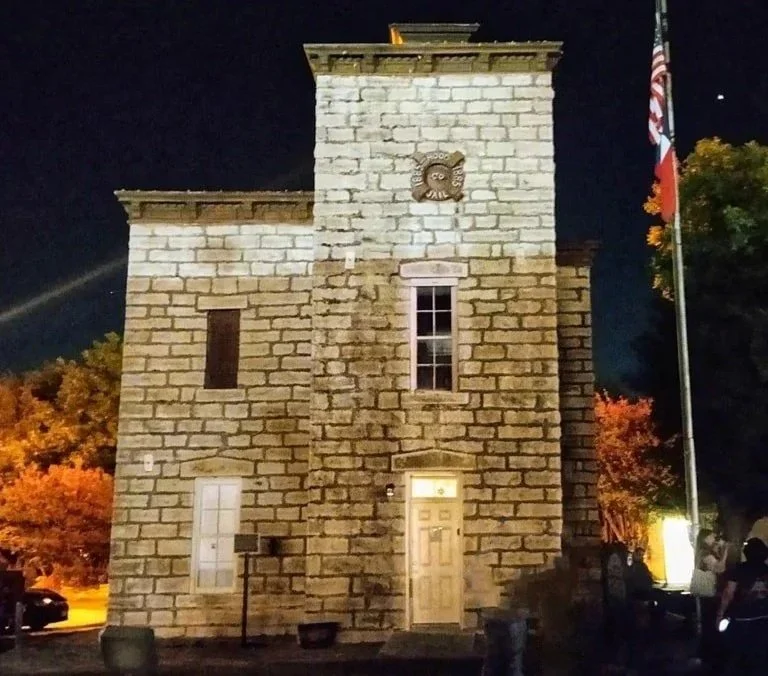
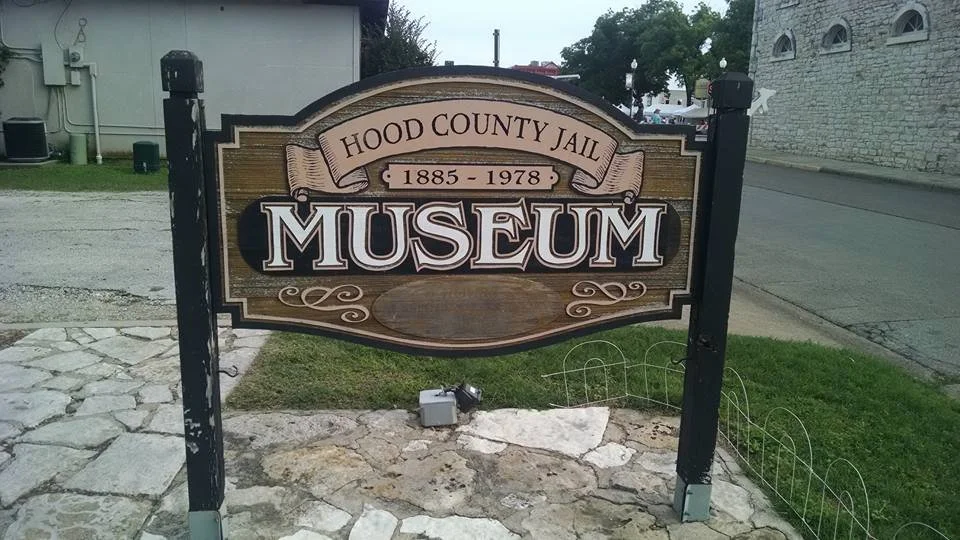
6. Old Hood County Jail Museum (Granbury)
History: Built in 1885, it housed prisoners until 1978. It features an "unfinished gallows" tower. The original log cabin jail was deemed insufficient for the growing town, leading to the construction of this two-story stone structure in 1885. One of its most famous features is the internal gallows. While many counties preferred public executions, this jail was built with a permanent scaffold inside. Interestingly, local records suggest the gallows were never officially used for a state-sanctioned hanging, though the "menacing" energy of the unused trapdoor remains. The first floor served as the home for the sheriff and his family. The juxtaposition of a family eating dinner downstairs while prisoners paced directly overhead is a hallmark of this building's history.
Hauntings: Multiple paranormal investigation teams have recorded a deep, guttural growl coming from the corners of the upper cell blocks. This entity is often described as aggressive and territorial, particularly toward male visitors. One of the most famous EVPs (Electronic Voice Phenomena) captured in the building is a clear, feminine voice shouting "Leave!" at a group of investigators. Some believe this could be the spirit of a former sheriff's wife who is tired of "intruders" in her home. A specific cell on the second floor is reported to house a "shadow person." Visitors describe a dark mass that detaches itself from the wall and moves across the room, disappearing into the solid limestone. Visitors frequently report "icy" patches of air that move through the rooms. More unsettling are the reports of people having their clothing tugged or feeling a cold hand brush against their neck while standing near the gallows. I personally saw a small figure crouching in the corner (using night vision goggles) on the second floor.
7. Old Lavaca County Jail (Hallettsville)
History: Built in 1885, it is one of the oldest standing jails in the state. The Old Lavaca County Jail sits in the heart of Hallettsville, Texas, a small but historically rich county seat. This red-brick jail served as the county’s primary detention facility and sheriff’s office for decades before being replaced by a modern facility in 2005.
Hauntings: Because the jail housed the "worst of the worst" for over a century, the hauntings are often associated with the spirits of violent inmates. Visitors report feeling an overwhelming sense of being watched or followed through the narrow hallways. This is one of the few Texas jails where visitors frequently report being pushed or scratched. People have specifically reported being shoved while walking down the stairs. Even with no draft, the heavy iron cell doors are known to open and slam shut on their own. Investigators have captured numerous photos and videos of a tall, dark shadow figure that roams the second-floor cell block. This entity is often accompanied by clear EVPs (Electronic Voice Phenomena) of growls or aggressive whispers. My group has had multiple experiences that include hearing shuffling and seeing a shadow figure. We will continue to visit the jail from time to time.
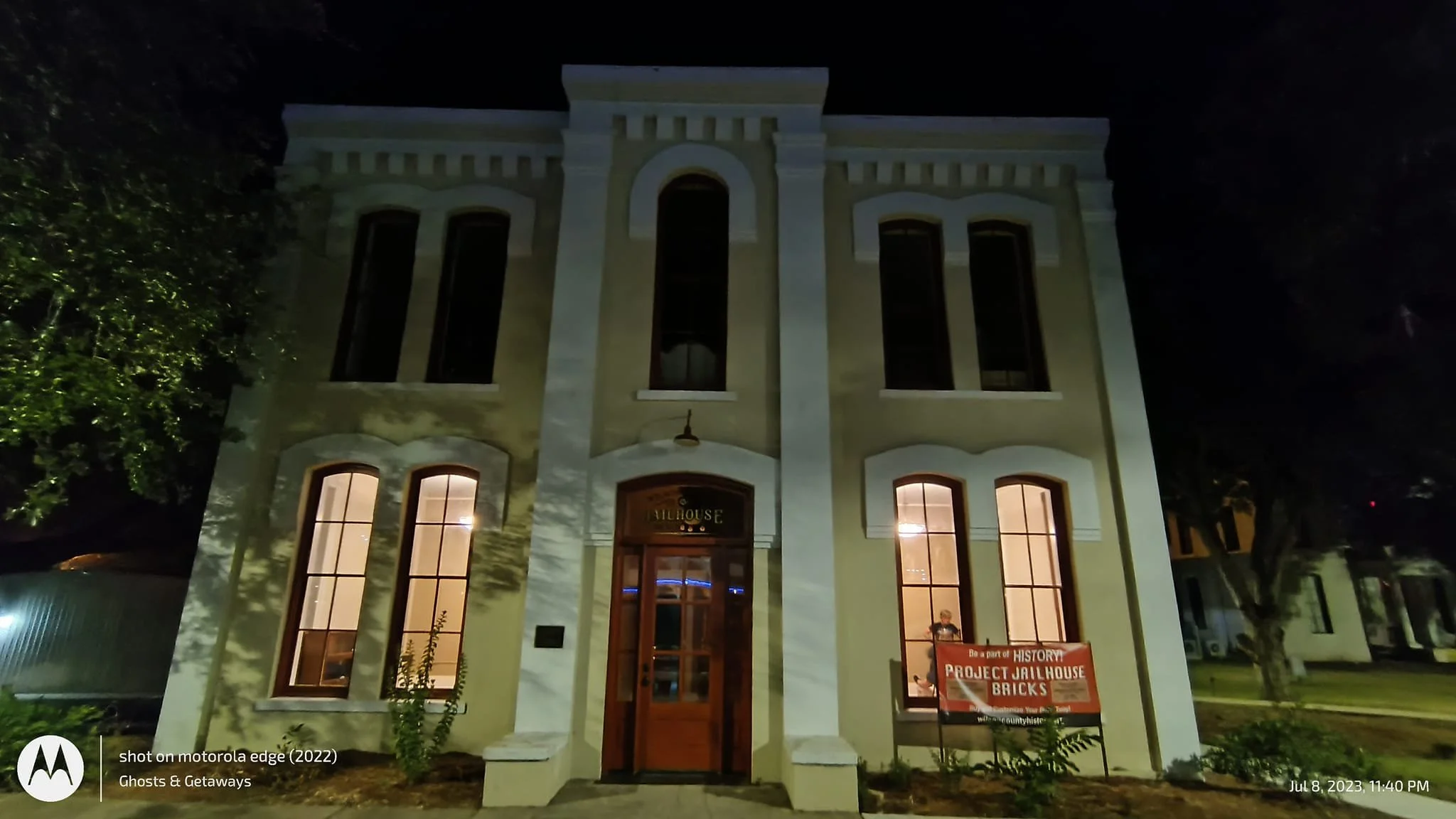
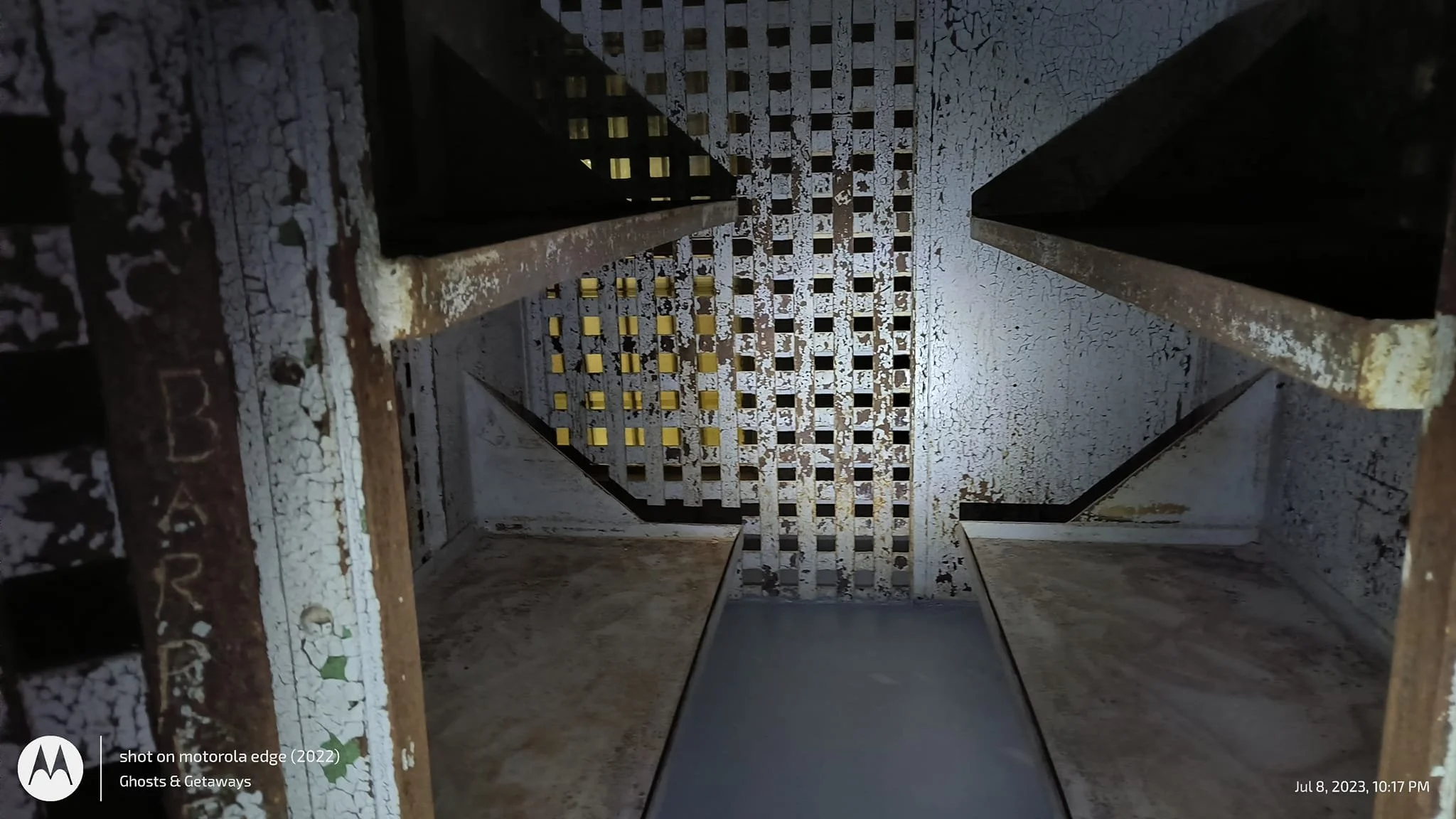
8. Wilson County Jailhouse Museum (Floresville)
History: The jail was designed by the famous San Antonio architect James Riely Gordon, who is best known for designing many of the most beautiful courthouses in Texas. It was built using "first-class" white brick at a cost of $14,000. The ground floor and front section of the second floor served as the sheriff’s residence. It wasn't uncommon for the sheriff’s wife to prepare three meals a day for the inmates, meaning children were often raised just a single iron door away from dangerous outlaws. The back of the building contains two levels of cell blocks featuring high-tech iron cages from the Pauly Jail Building Co. A permanent hanging trap door was installed at the top of the metal stairs. However, historical records state the mechanism was poorly designed and functioned improperly; it was reportedly only used for one legal execution before being abandoned in favor of other methods. The jail remained in continuous use until 1974, making it a relatively "modern" historical site compared to many others that closed in the 1920s.
Hauntings: The most persistent legend involves the sounds of dragging leg irons. Many visitors and paranormal investigators have recorded audio of heavy metal clinking against the concrete floors and stairs, specifically in the rear cell block area where the gallows are located. "Shadow people" are frequently reported in the solitary confinement cells on the east side of the upper level. These figures are often seen standing near the bars, appearing to watch visitors as they walk through the museum. Some museum volunteers believe a former lawman still keeps watch over the property. There have been reports of a "commanding" male presence in the former living quarters, often accompanied by the faint smell of old tobacco or leather. During investigations, people have reported hearing their names called or hearing muffled "arguments" echoing from the cells when no one else is in the building. My group and I had multiple experiences that included hearing a man’s voice, hearing footsteps and shuffling, and feeling dread.
9. Old Red Top Jail (Llano)
History: Built in 1895 for approximately $11,000, the jail was constructed using locally quarried Llano granite and brick. It was designed in the Romanesque Revival style, common for Texas jails of that era to project a sense of "unshakeable" law and order. This jail gets its name from its distinctive red roof. The first floor served as the sheriff’s residence, where his wife often cooked meals for the prisoners. The second and third floors housed the cell blocks, including a "dungeon" for the most dangerous offenders and an internal gallows located in the tower. While the gallows were built into the structure, they were only used for one legal execution. In 1937, the jail was retired when a newer facility was built, and it sat abandoned and deteriorating for decades until preservation efforts began.
Hauntings: The most famous spirit isn't a criminal, but a little girl often seen playing on the first floor (the former sheriff's quarters). She is described as being around 6 or 7 years old, wearing a period-accurate dress. Some believe she may have been a child of a former jailer who died of illness within the walls. The walls of the upper cells are still covered in the original graffiti carved by inmates over a century ago. Paranormal investigators claim that touching or reading this graffiti can trigger "residual playback," where the sounds of the men who wrote them—crying, shouting, or pacing—can be heard echoing in the silence. The area around the gallows is the most avoided part of the building. Visitors report a sudden, crushing feeling of anxiety and "heavy air." Shadowy figures are frequently seen darting behind the support beams of the execution chamber. During guided tours, guests have reported hearing their names whispered or hearing the sound of metal cups dragging across bars, a classic sound of prisoner protest that hasn't physically happened in the building for nearly 90 years.
10. Old Hidalgo County Jail (Edinburg)
History: Now part of the Museum of South Texas History, this 1910 jail saw its share of border-town violence. The jail was constructed shortly after the county seat was moved from Hidalgo to Edinburg (then known as Chapin). It was designed by the San Antonio architectural firm Atlee B. Ayres, featuring a unique Spanish-Moorish style with crenelated parapets that give it a fortress-like appearance. The building served as the county jail and the sheriff’s office for several decades. It was designed to be modern for its era, but it saw its fair share of border-town violence and high-profile incarcerations during the early development of the Valley. The building was saved from demolition and transformed into the Hidalgo County Historical Museum, which later expanded to become The Museum of South Texas History. Today, it stands as one of the best-preserved historic jails in the state.
Hauntings: The most famous resident ghost is believed to be Abram Ortiz, an inmate from 1913. According to local lore and museum records, Ortiz has been "seen" wandering the upper floors. Staff members have reported the distinct smell of tobacco smoke in areas where no one is smoking, often attributed to Ortiz. A recurring auditory phenomenon at the jail is the sound of dragging chains or heavy metallic clanking echoing through the hallways. This is often heard in the quiet hours after the museum has closed to the public. Paranormal investigators and visitors have reported hearing muffled conversations and whispers coming from the empty cell blocks. Some have even captured Electronic Voice Phenomena (EVPs) of male voices calling out to them. Some visitors describe a feeling of being watched or followed as they move through the narrow stairwells. This "watchful" presence is generally described as somber rather than aggressive, as if a spectral guard is still making his rounds.
11. Austin County Jailhouse Museum (Bellville)
History: Built in 1896, this three-story brick structure was considered state-of-the-art for its time. It replaced a series of earlier, less secure wooden jails. One of the most chilling features of the building is the fourth-floor gallows tower. Unlike many jails that used temporary outdoor scaffolds, this jail was designed with a permanent, internal execution chamber to provide more "private" and controlled hangings. The gallows were used for the last time in 1901 for the execution of Gus Davis, who was convicted of murder. Shortly after, Texas law changed, and all executions were moved to the state penitentiary in Huntsville.
Hauntings: The most famous haunting is attributed to Gus Davis. Visitors and museum staff have reported a heavy, mournful presence on the fourth floor near the gallows. It is said that he lingers there, perhaps because he was the last man to meet his end within those specific walls. Many visitors describe a distinct feeling of being watched as they walk through the narrow corridors and iron-bar cells. This is often accompanied by sudden, localized drops in temperature, even on hot Texas afternoons. There have been numerous reports of "disembodied sounds," including the faint sound of footsteps on the metal stairs and the muffled clanging of cell doors, despite the building being empty. Paranormal investigators have frequently captured strange orbs and light streaks in photographs taken within the cell blocks, particularly in the areas where the most dangerous inmates were once housed.
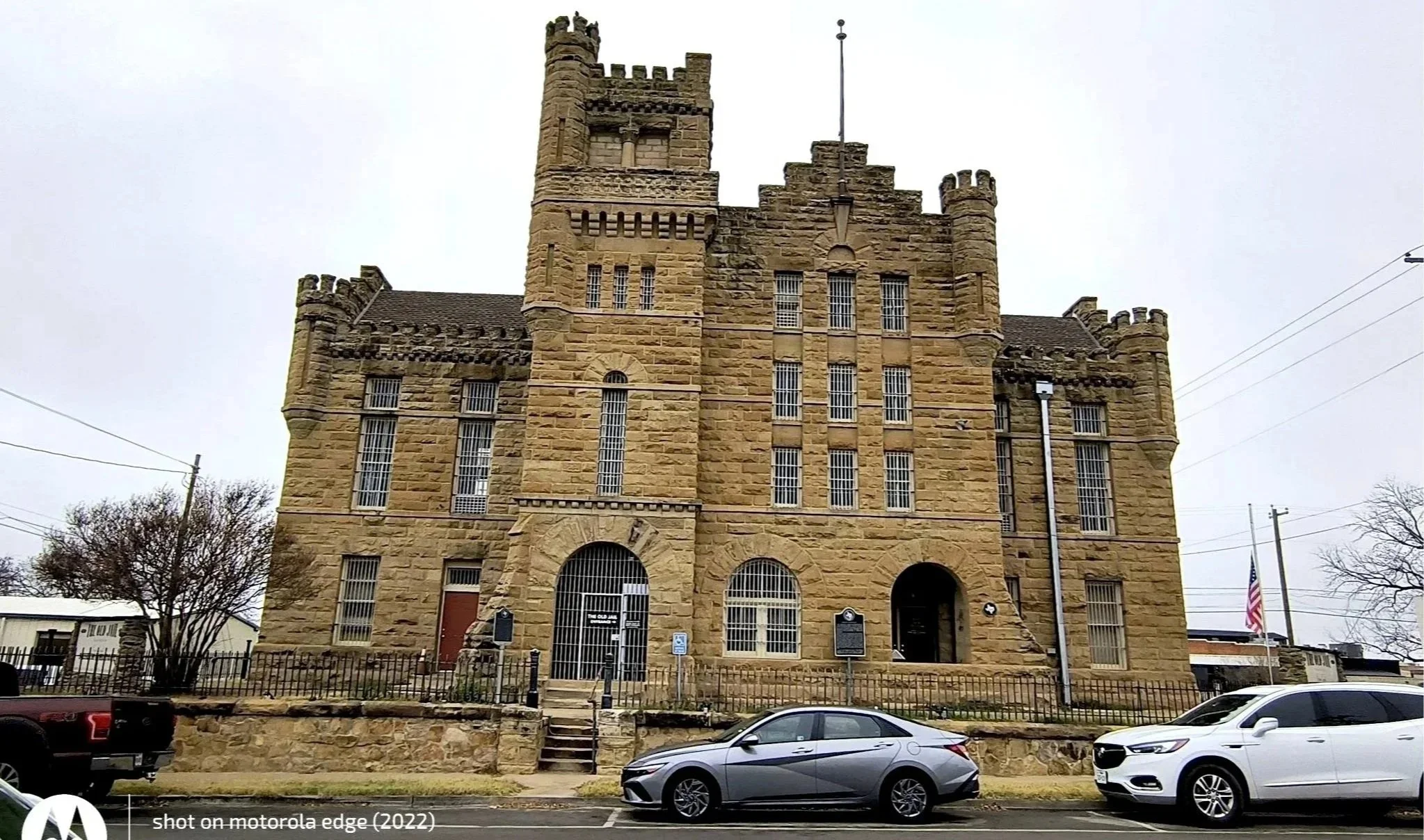
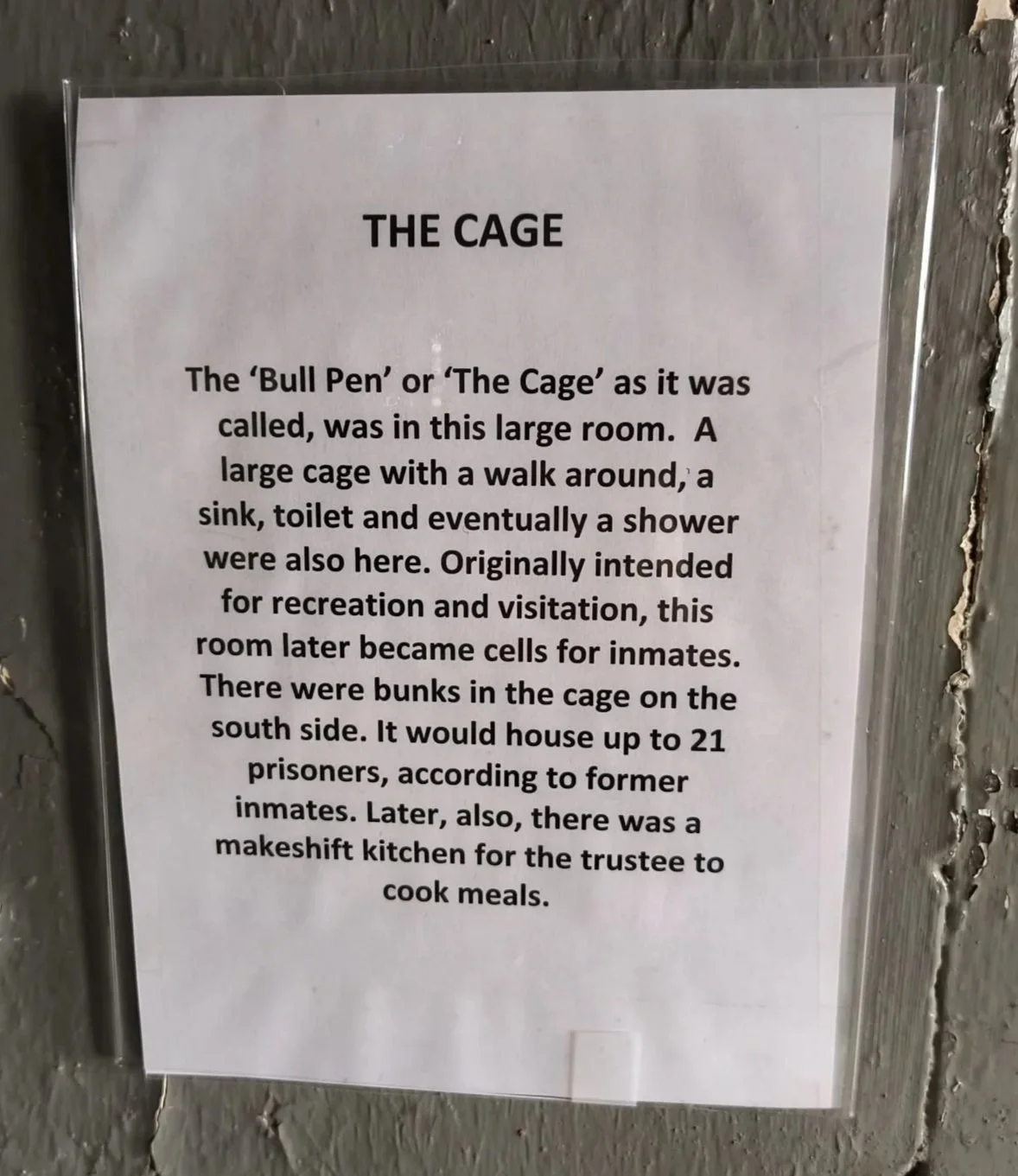
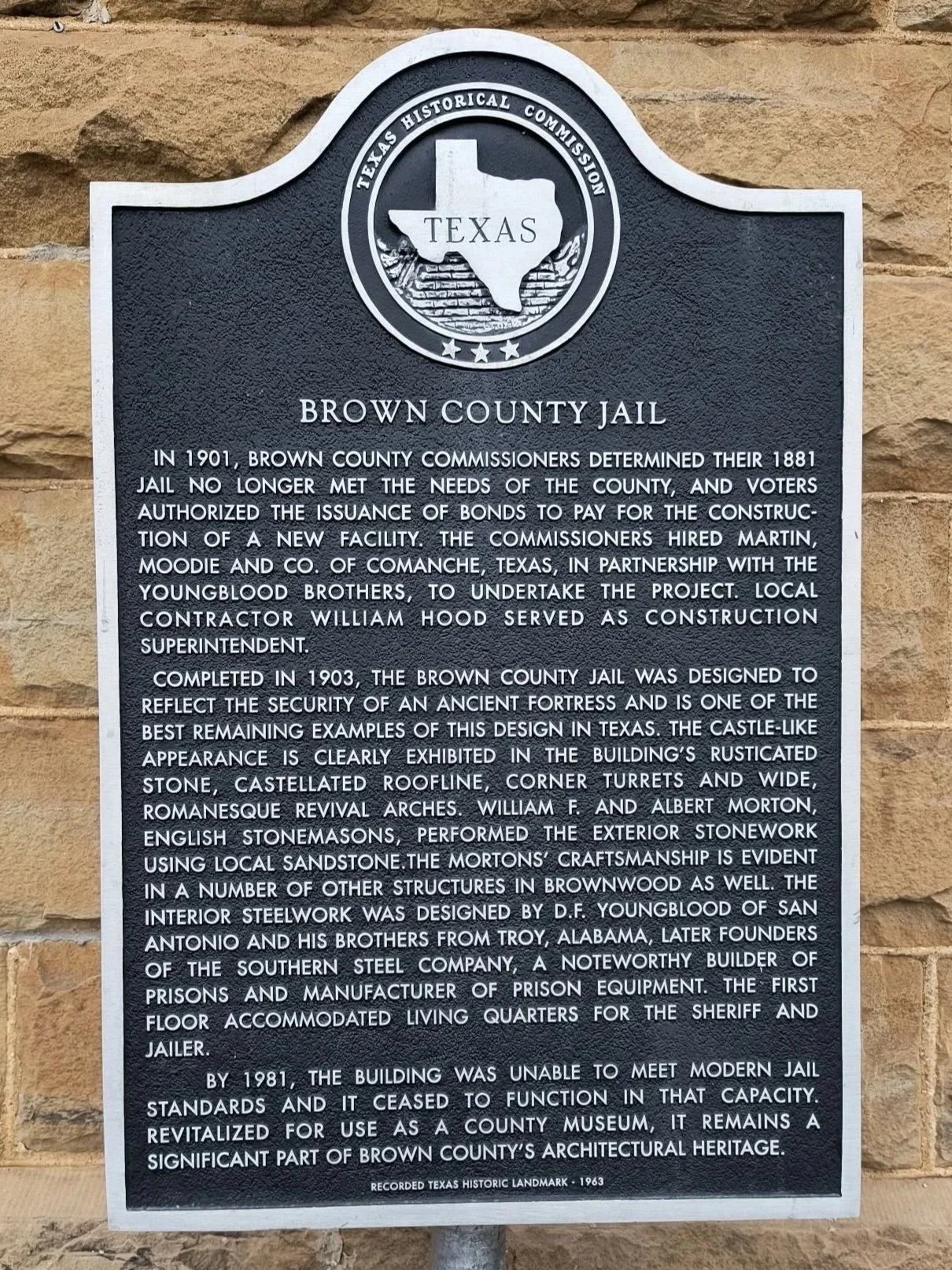
12. Brown County Museum of History / Old Jail (Brownwood)
History: Built in 1903, the jail was designed to look like a European castle, featuring red brick and medieval-style battlements. This was intended to project a sense of unshakeable authority and permanence in the early 20th-century frontier. Visitors can still tour the original four-man cells. The interior was designed for maximum security and efficiency, reflecting the harsh correctional standards of the era. After decades of service, the building was eventually retired as a jail and repurposed. It now serves as the Brown County Museum of History, featuring exhibits on everything from prehistoric life to the World War II era at Camp Bowie.
Hauntings: One of the most frequent reports involves "shadow people" seen moving through the inmate quarters. These dark, humanoid shapes are often spotted out of the corner of the eye, darting between the bars of the old cells. Auditory phenomena are common here. Visitors have reported hearing "things that go bump in the night," including the sound of heavy metal doors dragging or slamming, disembodied footsteps on the upper floors, and muffled whispers echoing in the corridors when the building is otherwise empty. I visited the jail during the day and didn’t experience anything BUT I will be taking a group for an investigation very soon.
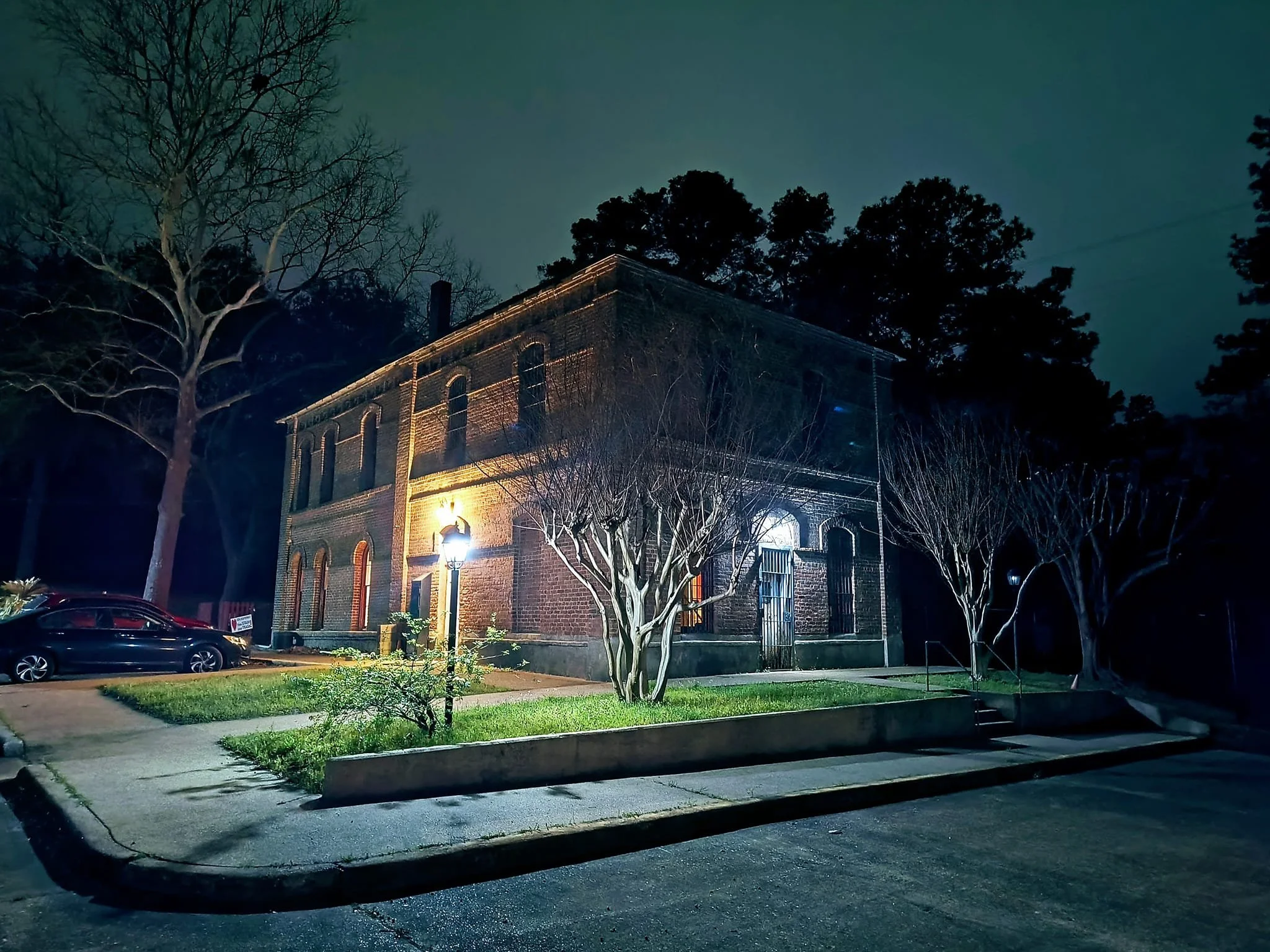
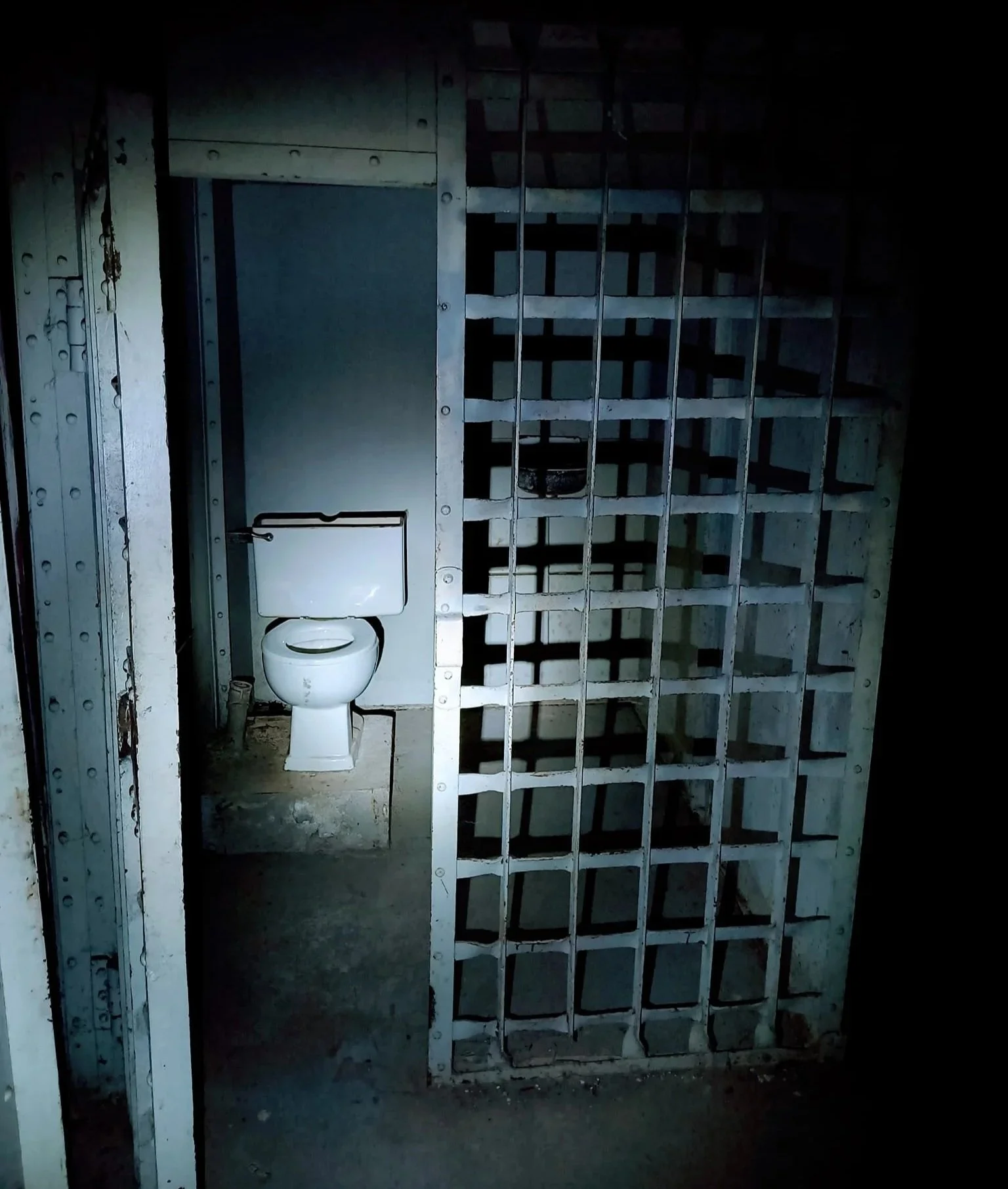
13. Old San Jacinto County Jail (Coldspring)
History: Often called the Old Jail Museum, is the last surviving public structure from the original 1880s townsite of Coldspring. It stands as a silent witness to a time when the town center shifted following a devastating fire, leaving the jail behind as a "monument to frontier justice." Constructed in 1887 for a growing county, the jail was built with yellow-pink bricks made from local clay right on the site. It was initially a square structure but was doubled in size in 1911 to include a foyer and living quarters for the jailer and his family.
Hauntings: Visitors have reported hearing the sounds of heavy breathing in the cells closest to the old gallows. Also reported is a persistent presence in the downstairs bedroom, where a figure was seen rising from the bed. Based on early reports, the figure of a small, hunched girl known as "Lurching Lily" has become part of the jail's folklore. Visitors often report a sudden, heavy feeling of being watched by something small tucked into the corners of the lower rooms. On the second floor, where the iron-bar cells remain, investigators have captured "blood-curdling" EVPs (Electronic Voice Phenomena) and recordings of heavy metal doors slamming when no one is near. I personally heard something that mimicked my motion sensors on the second floor while I had them all with me on the ground floor. I also experienced a feeling of hostility in the schoolhouse that is on the grounds near the jail.
14. Frio Pioneer Jail Museum (Pearsall)
History: Built in 1884, it is the oldest building in Pearsall. It once stored confiscated bootleg liquor in its cells during Prohibition. The jail was constructed for $11,000 shortly after Pearsall became the county seat, drawing life away from the nearby "Frio Town" (now a ghost town). It remained an active lockup until 1967. The first floor served as the living quarters for the sheriff and his family. Today, it houses museum artifacts, including 1910 opera house playbills and a "pear burner" used to singe needles off cacti during droughts. The second floor contains four cells for men and two for women or juveniles. One of these cells was famously used to store confiscated bootleg liquor during Prohibition.
Hauntings: The most frequent sighting is that of a "Woman in White." Museum volunteers and visitors have reported seeing her figure drifting through the building or standing near the former female cell blocks. Some visitors have described a sense of dread or a feeling heaviness upon entering the upstairs cell area. Much like the jail in Henrietta, people often report the sounds of the past: metallic banging on the cell walls, the rhythmic sound of heavy footsteps on the metal stairs, and muffled, disembodied voices echoing in empty rooms.
15. Old Clay County 1890 Jail Museum (Henrietta)
History: This 1890 redbrick jail includes the original sheriff’s living quarters and inmate cells. Once the seat of justice for a massive territory stretching all the way to the New Mexico border, this redbrick-and-sandstone building now serves as a museum and heritage center dedicated to preserving North Texas history. One of the most significant features of the building is its original, unused internal gallows. While many jails of the era used outdoor hanging trees or temporary scaffolds, this permanent structure remains a chilling reminder of the harsh realities of the Old West. Like many 19th-century jails, the building includes the sheriff’s living quarters. You can tour the refurbished rooms to see how the sheriff’s family lived—often separated from dangerous outlaws by only a few feet of brick and iron.
Hauntings: Visitors have reported several recurring experiences within the redbrick and sandstone walls. It is known for residual energy, where the sounds of the past—shuffled feet and metal doors creaking—re-play for lucky (or unlucky) visitors. You might also experience heavy, metallic clanging of cell doors closing, and muffled, distant conversations coming from empty corridors. Some have reported sightings of "shadow people" moving through the inmate quarters or seen peering out from the narrow, barred windows at night.
********************
Texas jails—old, stone, iron-barred, and steeped in grim histories—are prime sites for ghost hunters and history lovers. These buildings bear the weight of executions, riots, injustice, and small tragedies that leave lingering energy. Visit for the architecture, the stories, and the possibility of a chilly whisper on the back of your neck.
Make this beautiful day count!