
5 Haunted National Military Battlefields in the USA (Part 2)
If you love history with a side of goosebumps, touring America’s national battlefields is a perfect blend of solemn remembrance and spine-tingling legend. These landscapes hold the echoes of conflict—soldiers’ boots, cannon smoke, whispered orders—and some say those echoes don’t always fade. Below is a curated list of must-visit haunted national battlefields, what you might experience, and tips for planning a respectful, memorable paranormal pilgrimage. Check out the list below of haunted national battlefields you can visit. If you missed out on the first list of battlefields, you can read it HERE.
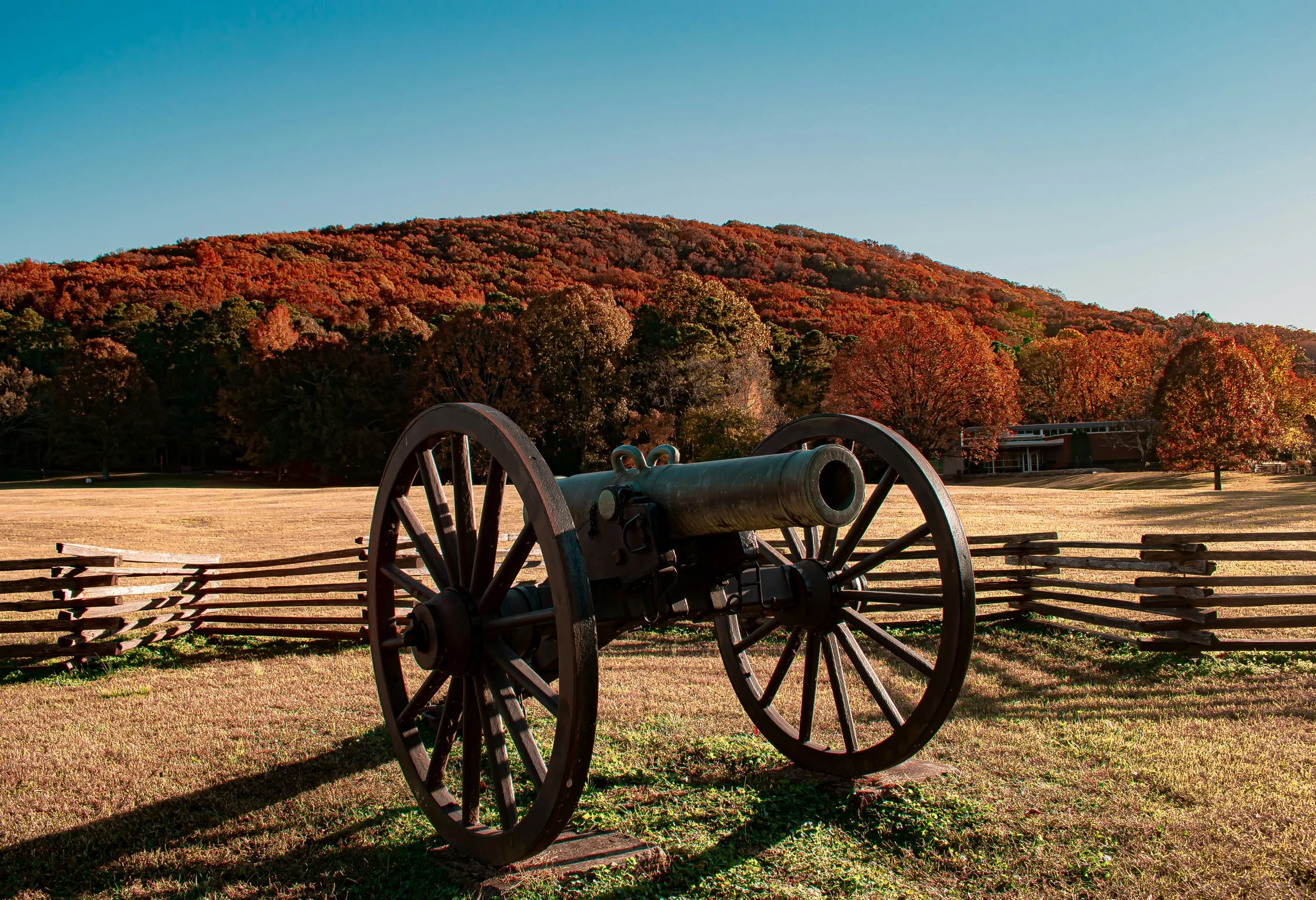
The Little Bighorn Battlefield National Monument (often referred to as the Little Bighorn National Battlefield) is one of the most storied and eerie locations in the American West. Located in southeastern Montana, it marks the site of "Custer’s Last Stand," a place where history and legend are inextricably linked.
The History: "Custer’s Last Stand"
The battle took place on June 25–26, 1876, near the Little Bighorn River. It was a pivotal moment in the Great Sioux War of 1876. On one side was the 7th Cavalry Regiment of the U.S. Army, led by Lt. Col. George Armstrong Custer. On the other was a massive coalition of Lakota Sioux, Northern Cheyenne, and Arapaho warriors, led by figures like Sitting Bull and Crazy Horse.
Within an hour, Custer and every man in his immediate battalion were killed. It was the most decisive Native American victory and the most crushing U.S. Army defeat of the Plains Indian Wars. However, the victory was short-lived; the U.S. government responded with overwhelming force, eventually forcing the tribes onto reservations.
The "Ghost Herder" and the Stone House
The battlefield has a long-standing reputation for being haunted, particularly centered around the Stone House, built in 1894 as the superintendent's residence.
The Ghost Herder: Local Crow tribes traditionally referred to the early superintendents as "Ghost Herders." They believed that when the superintendent lowered the American flag at sunset, the spirits of the fallen were released to roam the grounds. When the flag was raised in the morning, the spirits returned to their graves.
The Stone House Hauntings: Staff and residents of the Stone House have reported:
Phantom Footsteps: The sound of heavy boots walking on the second floor when the house is empty.
The Headless Soldier: In 1986, a ranger reportedly saw a figure in his bedroom that appeared to be a soldier missing his head and legs.
Lt. Benjamin Hodgson: A woman working at the site in 1983 reported seeing a man with a long mustache sitting at a table. She later identified him from a photograph as Lt. Benjamin Hodgson, who died in the battle.
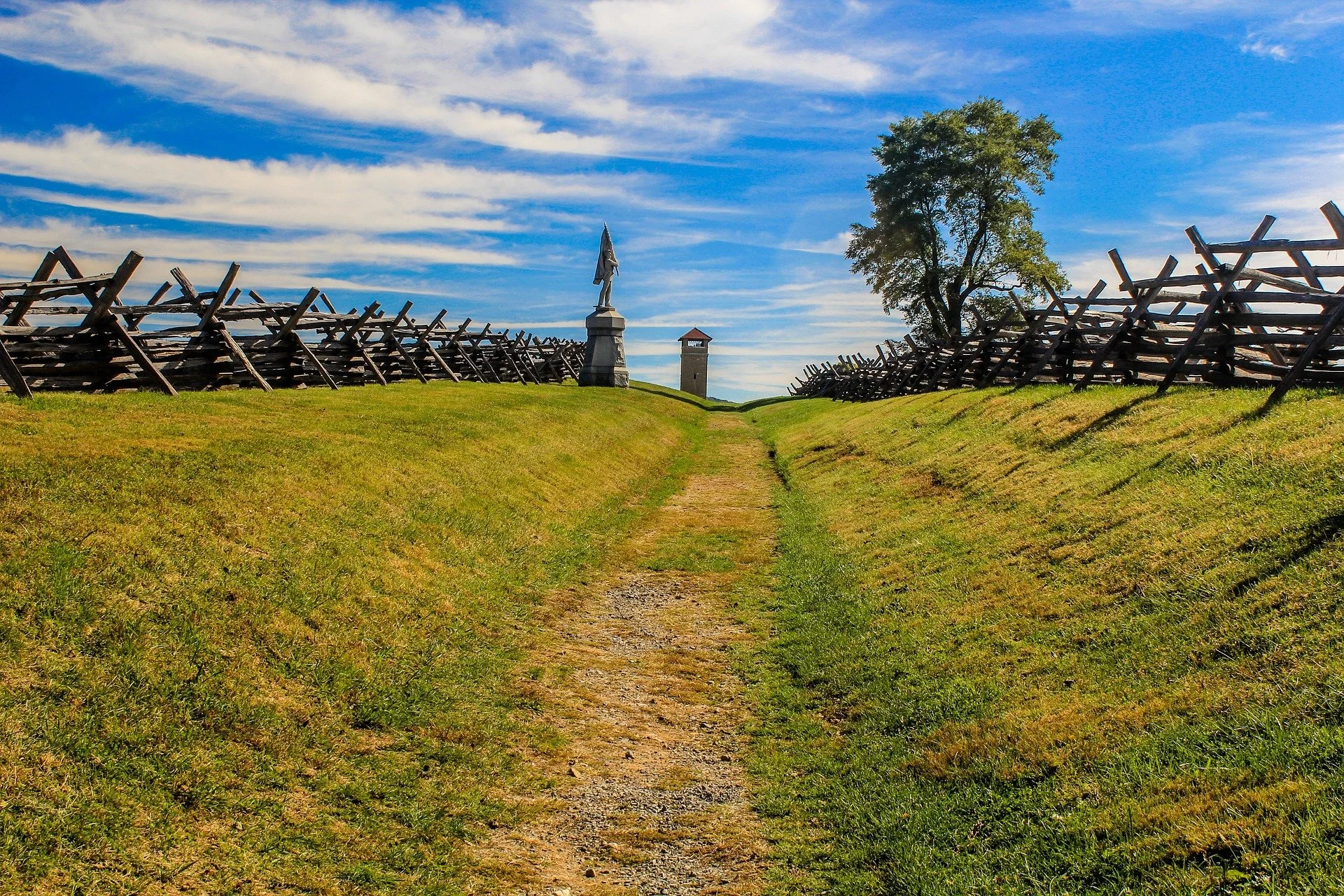
Other Famous Hauntings
Beyond the Stone House, the entire 765-acre park is considered a "thin place" where the past and present seem to overlap.
Custer in the Museum: Some visitors and employees have claimed to see George Armstrong Custer himself roaming the hallways of the battlefield museum late at night, dressed in his buckskins.
The Sounds of Battle: On quiet evenings, visitors have reported hearing the distant, terrifying sounds of the 1876 conflict—screams, the thunder of charging horses, and the faint pop of gunfire—coming from the ravines and ridges.
Time Slips: There are rare accounts of "time slips" where visitors claim to have been momentarily transported back to 1876, seeing the hillside covered in white smoke and warriors in the heat of combat before the scene suddenly snaps back to the modern day.
The Cemetery: Cold spots and a feeling of "being watched" are frequently reported in the Custer National Cemetery, which serves as the final resting place for over 5,000 veterans.
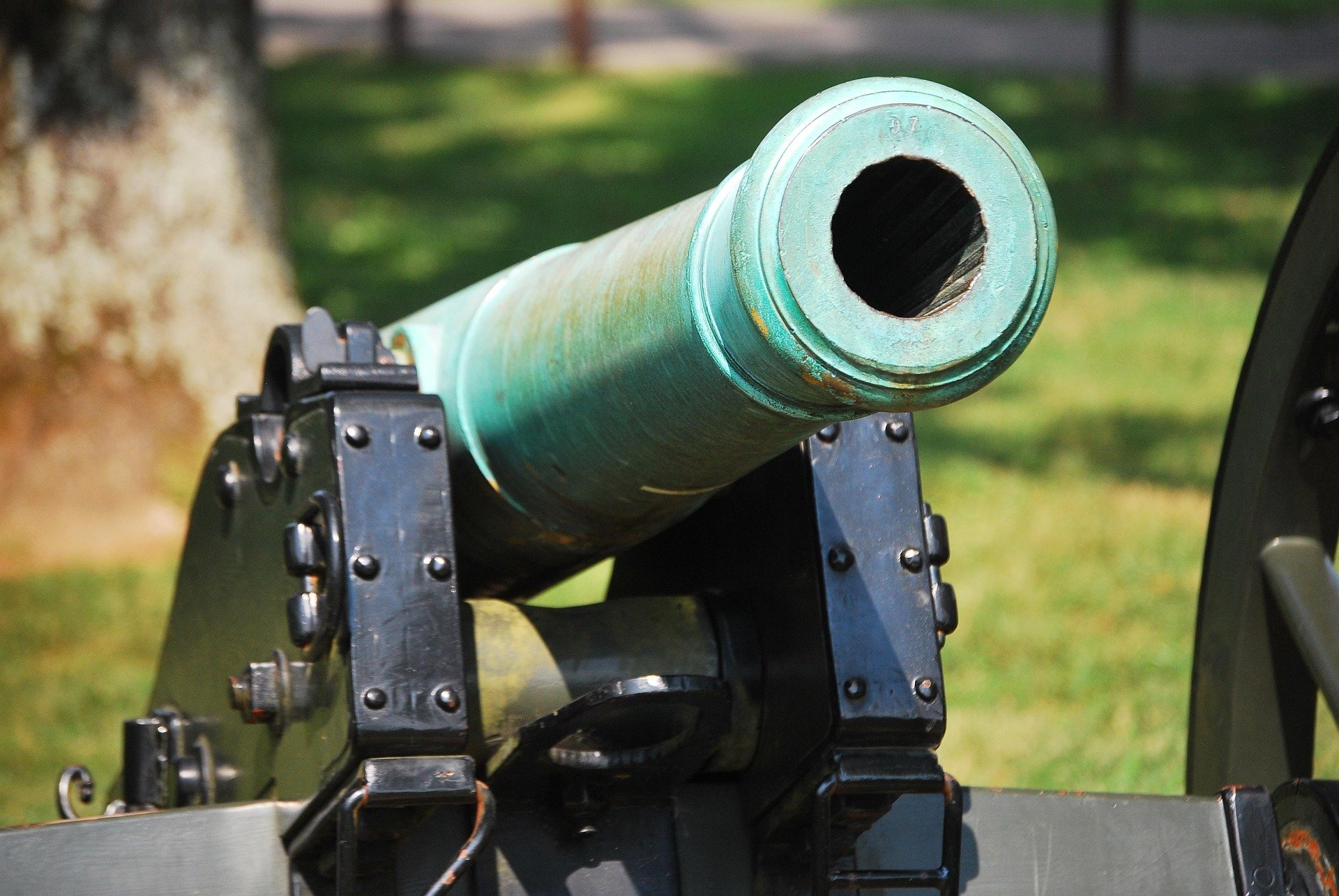
Manassas National Battlefield — where Civil War thunder met sleepy Virginia fields — is equal parts history lesson and ghost story incubator. Located near Manassas, Virginia, it preserves the sites of the First and Second Battles of Bull Run (First and Second Manassas). For travelers who love history, eerie atmospheres, and stories that linger like gun smoke, this park delivers.
History at a glance
First Battle of Bull Run (First Manassas), July 21, 1861: The first major land battle of the Civil War. Union forces under Brig. Gen. Irvin McDowell aimed to strike quickly and crush Confederate troops before they could fully organize. The Confederates, reinforced by troops under Brig. Gen. Thomas “Stonewall” Jackson and others, turned the tide. A chaotic Union retreat turned into a rout. The shock of the battle shattered optimistic ideas that the war would be short.
Second Battle of Bull Run (Second Manassas), August 28–30, 1862: A larger, bloodier engagement. Confederate Gen. Robert E. Lee’s aggressive campaign, with generals like James Longstreet and Stonewall Jackson, enveloped Union Maj. Gen. John Pope’s army. The Confederates won decisively, opening the way for Lee’s Maryland campaign.
What to see and do
Visitor Center and exhibits: Start here for maps, artifacts, and orientation. The exhibits cover the battles, troop movements, and civilian experiences.
Henry Hill and Stone Bridge: Key action points during the First Battle. Henry Hill was the site of intense fighting and the famous stand by “Stonewall” Jackson. Stone Bridge (near the old Manassas Battlefield rail line) played roles in troop movements.
Driving and walking tours: The park has driving routes that follow troop lines and markers. Trails lead to preserved earthworks, monuments, and interpretive signs.
Historic structures and markers: Look for preserved farmhouses, cannon emplacements, and monuments to units and commanders.

Ghost stories and hauntings The battlefield’s history of blood, confusion, and sudden death has seeded local lore. Ghost stories here are a blend of battlefield tradition (lost soldiers, phantom campfires) and haunted-house vibes around the old homes and taverns nearby.
Phantom soldiers and sounds:
Visitors and locals have reported hearing distant drumbeats, marching, and the rattle of musketry on quiet evenings, especially near Henry Hill and along old troop avenues. These sounds are often described as faint, disembodied, and suddenly vanishing.
People occasionally report glimpses of figures in period uniforms watching from tree lines or moving across fields at twilight — described as translucent or as fleeting silhouettes.
Luminous forms and phantom campfires:
Small, blue-white lights seen bobbing over low fields or behind ridges are sometimes interpreted as spirit campfires or lanterns. These are mostly reported by people walking or driving the battlefield roads after dark.
Some accounts mention camp-like smells — wood smoke, leather, or vinegar — when there is no visible source.
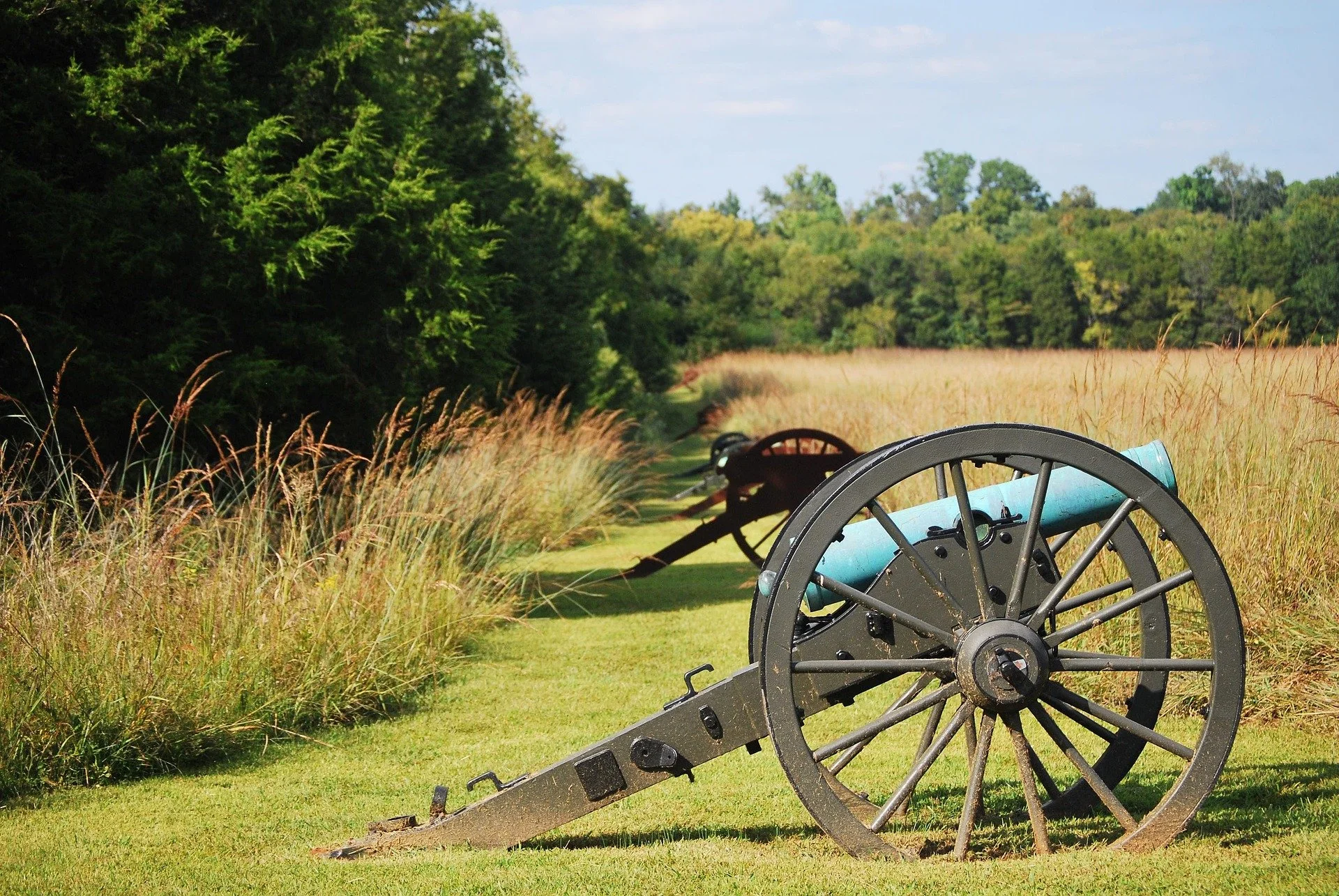
Historic homes and personal hauntings:
Houses and farm buildings around the battlefield have their own tales: apparitions in upstairs windows, shadowy figures moving through rooms, or the feeling of being watched. These stories are typical of places that served as hospitals, makeshift morgues, or headquarters during battles.
The Wren House and other period structures nearby have neighborhood legends of odd footsteps, cold spots, and sudden emotional heaviness linked to wartime suffering.
Emotional residue and “battlefield whispering”:
Many people describe a sense of melancholy, heaviness, or a sudden drop in mood while standing on certain spots of the battlefield, particularly near mass grave areas or key positions. Some interpret this as an imprint of past trauma rather than active haunting.
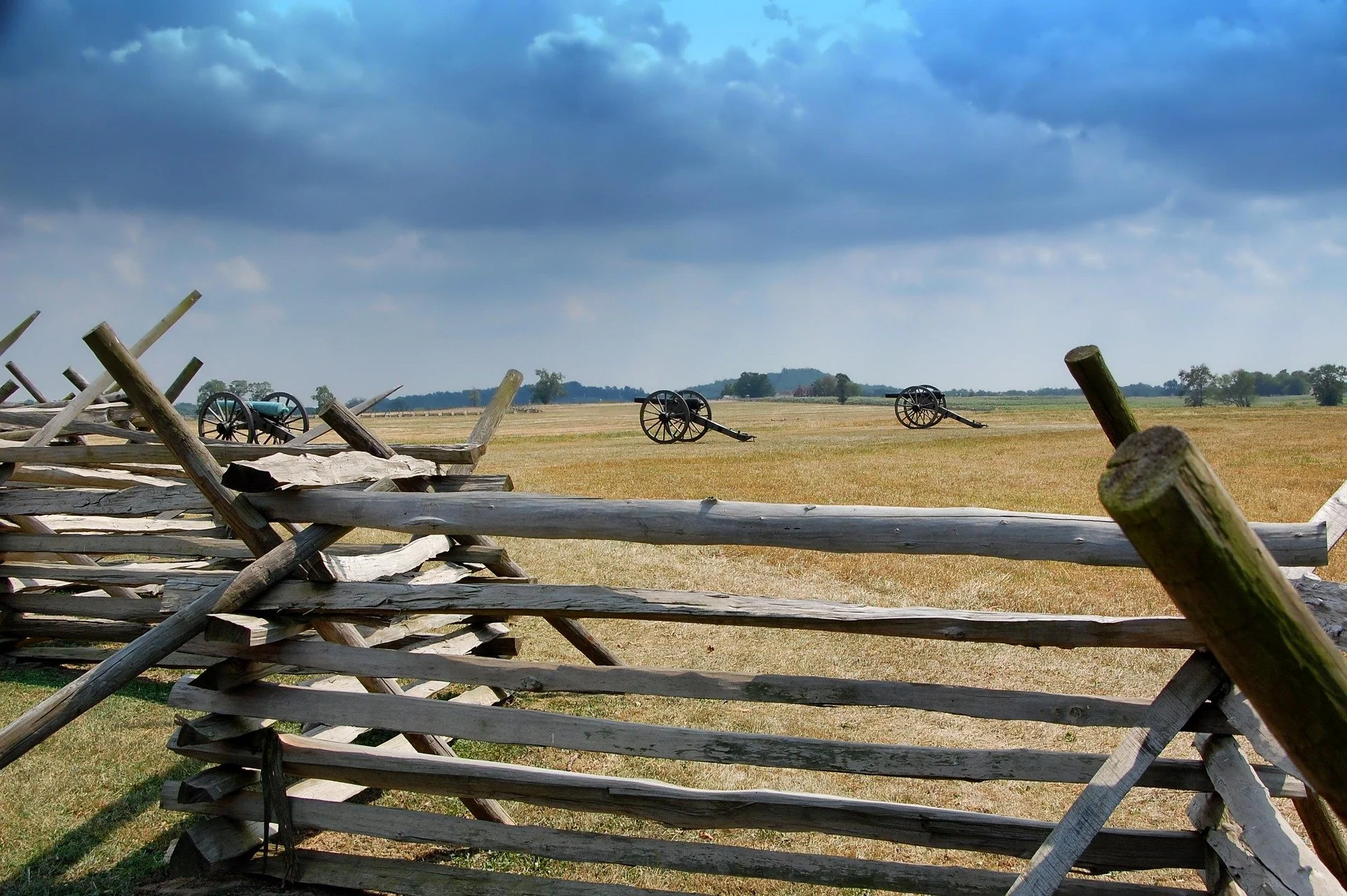
Cowpens National Battlefield (near Gaffney, South Carolina) preserves the site of one of the most decisive American victories of the Revolutionary War — a compact, brilliantly executed battle that turned the tide in the southern campaign. It’s also a place that attracts curiosity-seekers and ghost-story fans drawn to fields where history and legend overlap.
History
The battle: On January 17, 1781, Brigadier General Daniel Morgan led about 1,000 Continental and militia troops against roughly 1,100 British forces under Lieutenant Colonel Banastre Tarleton. Morgan used clever tactics — a staggered defensive line with militia in front instructed to fire a couple times then withdraw, luring the British into a premature, disorganized charge. The Continental regulars and cavalry then counterattacked. Tarleton’s force suffered heavy casualties and many prisoners; the victory significantly weakened British control in the South and boosted Patriot morale.
Strategic importance: Cowpens was part of the Southern Campaign that ultimately led to Cornwallis’s surrender at Yorktown. Morgan’s success showcased flexible leadership and effective use of local militia. The battle is studied in military history for its use of terrain, timing, and deception.
The site today: Cowpens National Battlefield includes a visitor center with exhibits, a short film, walking trails, interpretive markers, reconstructed earthworks and monuments, and a well-preserved battlefield landscape. Annual reenactments and living-history events bring the engagement to life.
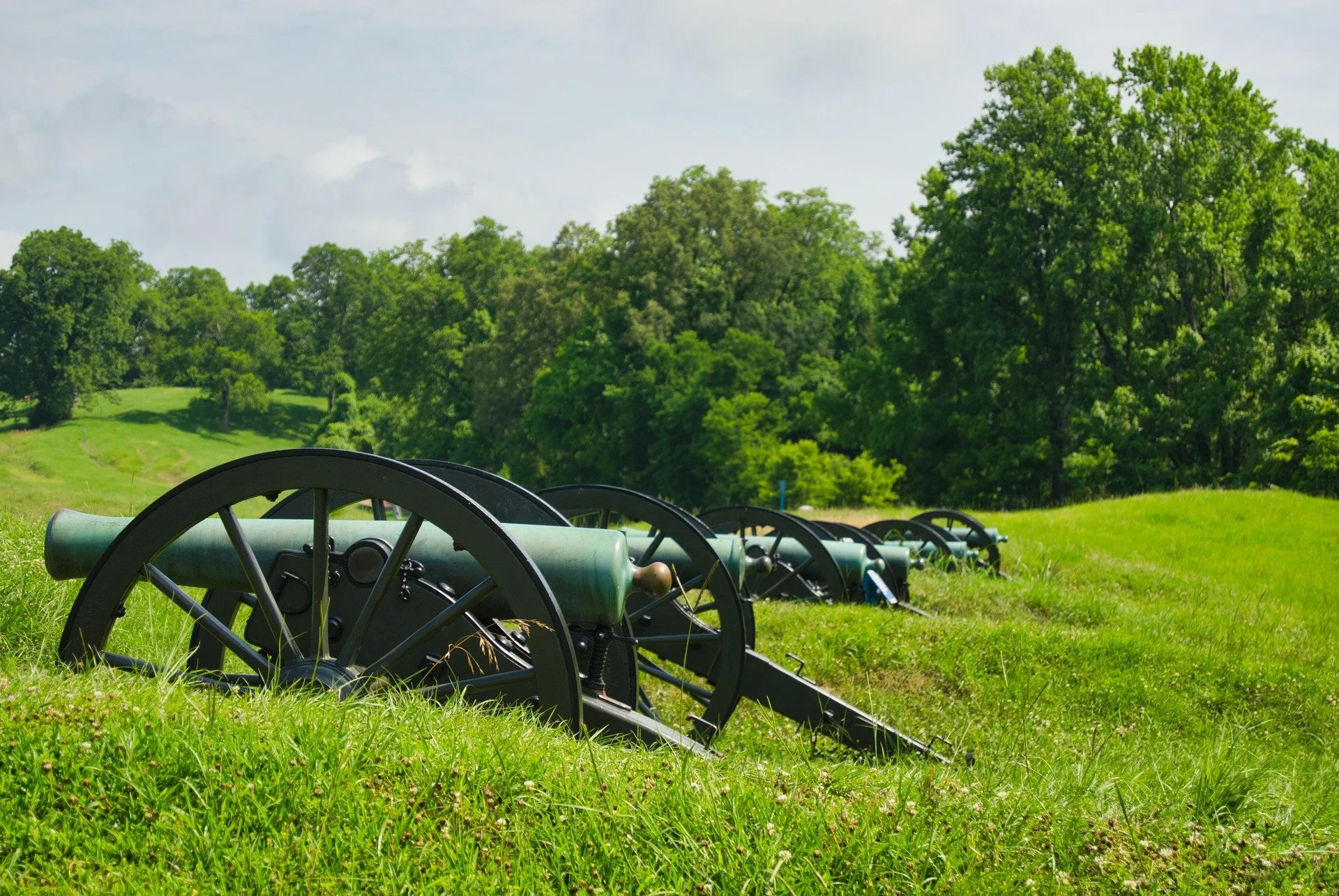
Ghost stories and hauntings Cowpens isn’t as famous for hauntings as some older, urban sites, but battlefield lore and local stories give the place an eerie, reflective energy that ghost-hunters and history buffs appreciate.
Common themes in local tales:
Soldierly apparitions: Visitors and staff have occasionally reported fleeting figures in Continental or British uniforms seen at dusk near the battlefield lines. These sightings are usually described as brief glimpses of people on horseback or small groups moving across the fields before dissolving into the mists.
Phantom sounds: Some listeners claim they’ve heard the distant sounds of muskets, drumbeats, and marching coming from the fields on quiet evenings — the sort of phantom battlefield ambient noise that seems to echo when the wind is right.
Cold spots and sudden chills: Like many battlefields, Cowpens has places where visitors report unexplained drops in temperature and a heavy, pressing feeling, especially near certain monuments or in low-lying, fog-prone hollows.
Personal encounters: A few accounts from visitors and reenactors tell of sensing a presence while alone by a monument, or of feeling watched, or of finding a handprint-like wet spot on clothing when no rain or dew was present. These stories are anecdotal and not corroborated by official records, but they persist as part of local oral tradition.
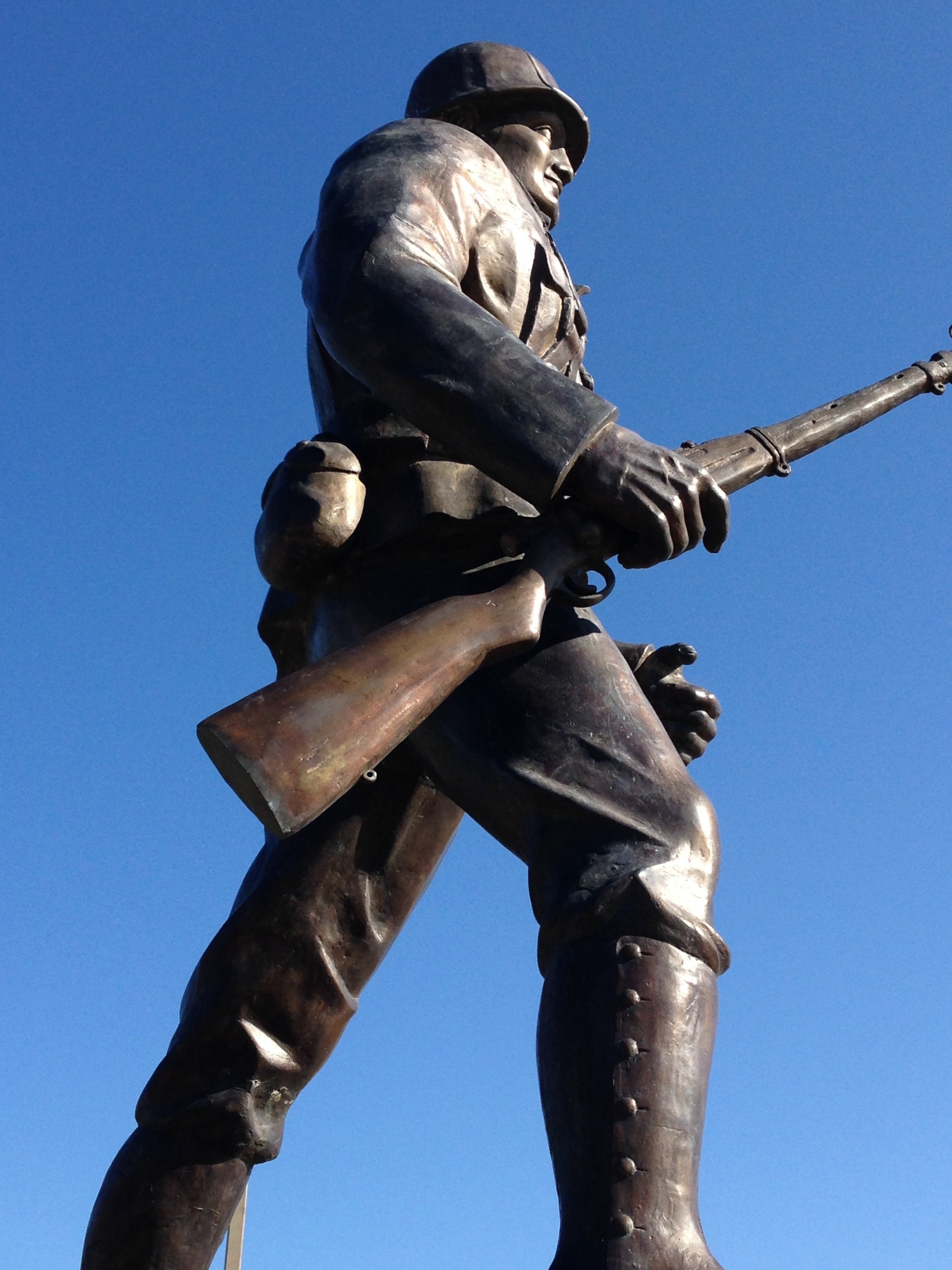
Wilson's Creek National Battlefield: history, ghost stories, and hauntings
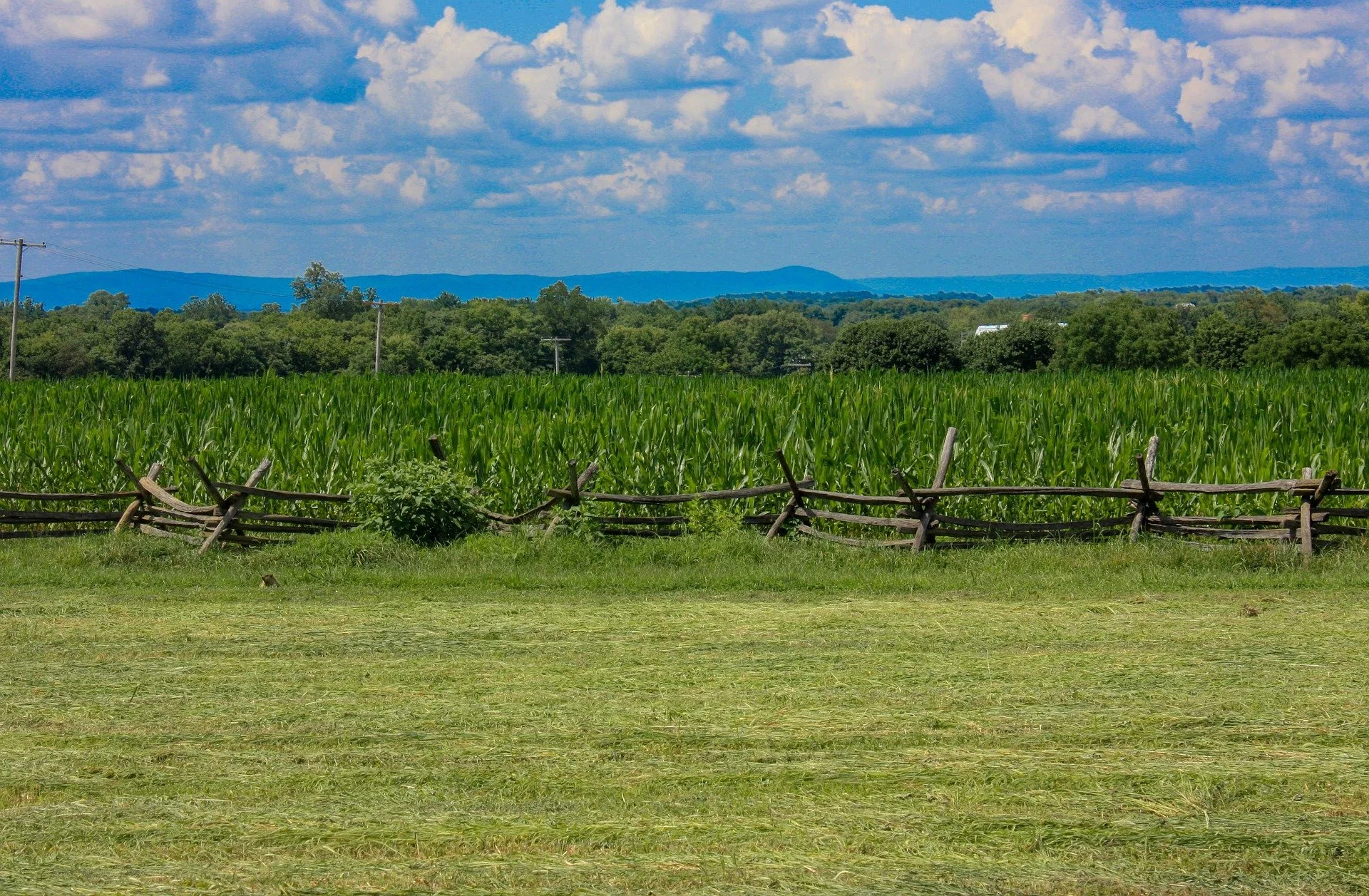
Overview Wilson's Creek National Battlefield preserves the site of the second major battle of the American Civil War (after Fort Sumter the previous year) fought west of the Mississippi River. Located near Republic, Missouri, just southwest of Springfield, the battlefield is a 1,750‑acre landscape of rolling prairie, wooded ravines, and a small stream (Wilson's Creek) that witnessed fierce fighting on August 10, 1861. The park includes a visitor center with exhibits, walking trails, a driving tour, and several preserved features such as Bloody Hill — the focal point of the combat.
History — the battle in brief
Combatants: Union forces under Brig. Gen. Nathaniel Lyon and Col. Franz Sigel versus Missouri State Guard and Confederate troops commanded by Brig. Gen. Benjamin McCulloch and Sterling Price.
Stakes: Control of Missouri, a border state with divided loyalties, was crucial for interior lines and the Western theater.
The battle: Lyon launched an aggressive early-morning attack on a Confederate camp north of the creek. After initial Union success, reinforcements arrived for the Confederates, and intense fighting shifted to Bloody Hill. General Lyon was killed leading a charge — the first Union general to die in the Civil War. The Union army withdrew that night; tactically the Confederates held the field, but strategically the struggle over Missouri continued.
Casualties and aftermath: Estimates are roughly 1,200–1,300 total killed, wounded, or missing. The battle demonstrated the brutal, chaotic nature of the war and had a lasting effect on the region’s history.
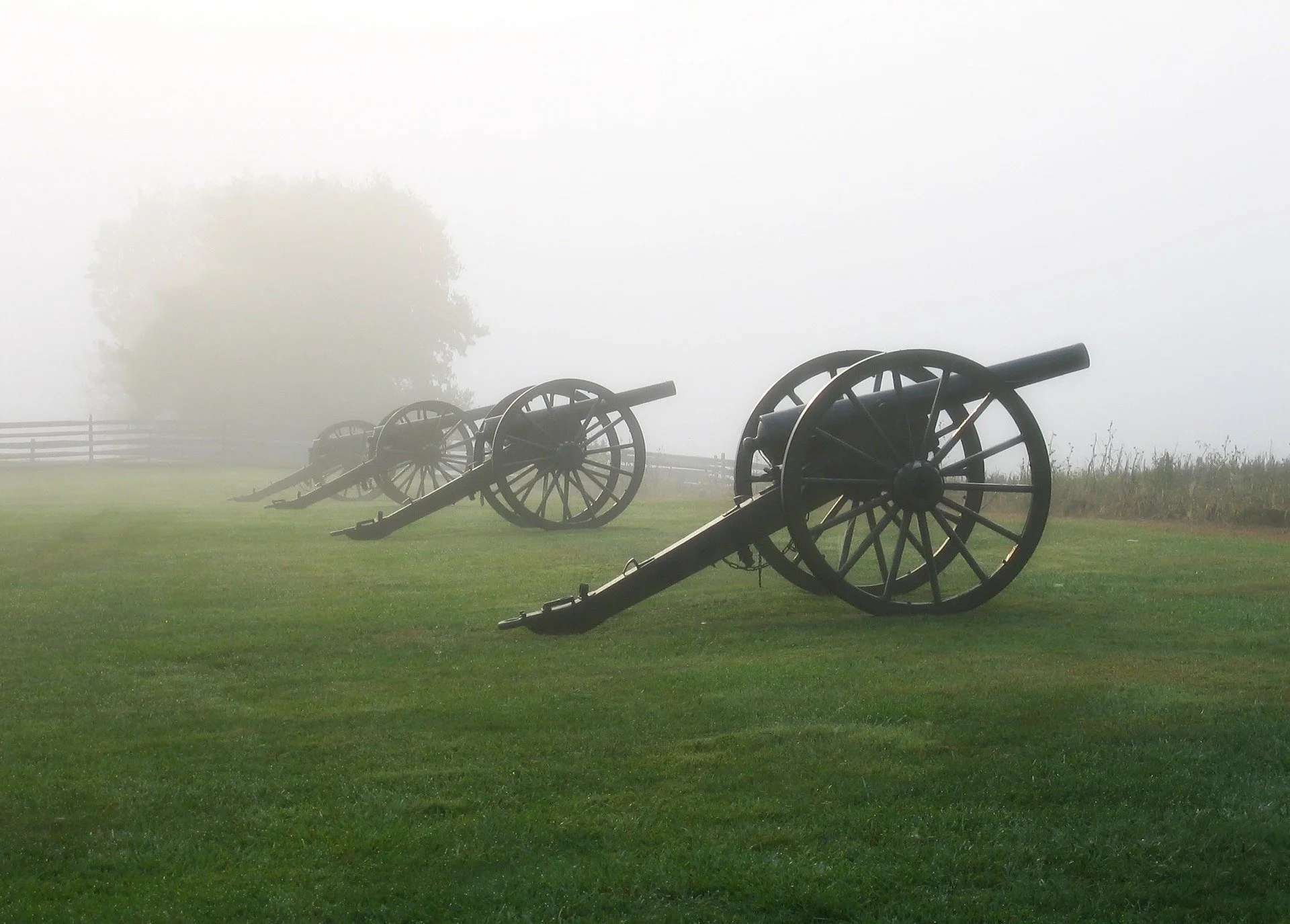
Ghost stories and hauntings Wilson's Creek, like many Civil War battlefields, has attracted stories of lingering spirits, eerie sounds, and inexplicable feelings left behind by the violence of 1861. Much of the folklore blends specific anecdotal accounts from visitors and staff with the general atmosphere of solemn memory that pervades the park.
Common reports
Apparitions on Bloody Hill: Visitors and some staff have reported shadowy figures or the sense of someone standing nearby on Bloody Hill, especially at dawn or dusk. Descriptions vary from uniformed soldiers to indistinct human shapes that disappear when approached.
Sounds of battle: Witnesses frequently describe hearing the distant crack of muskets, cannon booms, or the rattle of gunfire when no living reenactments are taking place. These auditory experiences are most often reported along the ridgelines and near the creek.
Smells and sensations: People have reported sudden, unexplained scents of gunpowder, smoke, or medicinal herbs, and physical sensations like chills, heaviness, or the impression of being watched. These experiences tend to happen in the quieter parts of the park, such as near the creek or in wooded ravines.
Personal encounters: There are anecdotal stories of visitors seeing a lone rider (sometimes described as a Confederate cavalryman) or encountering a figure who vanishes down a trail. Some accounts suggest a particular spot where people felt compelled to leave flowers or notes; in a few cases, items left on the ground later seem to have been moved.
Notable local lore
The specter of General Lyon: Given Lyon’s prominent death on the field, local legend occasionally points to sightings of a figure resembling him — a man in Union uniform — pacing near the places associated with his last actions. These sightings are sporadic and often secondhand.
The “weeping” willow and the creek: Trees and water features on battlefields frequently become focal points for ghost stories. At Wilson’s Creek, a handful of tales involve a lone woman mourning at the creekbank or faint weeping heard near particular trees. These stories are typical of battlefield mythmaking and capture the human cost of the conflict.
Unexplained lights and orbs: Nighttime visitors sometimes report lights moving among the trees or above the fields — described as orbs, lantern glows, or floating embers that don’t correspond to any campfires or park lighting.
How reliable are the stories?
Anecdotal basis: Most haunting reports at Wilson's Creek are anecdotal and emotional, passed along by visitors, local storytellers, or in online discussion forums. There’s little in the way of verifiable, documented paranormal investigation data posted by official sources.
Natural explanations: The landscape — wind through grass and leaves, distant traffic, wildlife, echoes across hollow ground — plus the power of suggestion on a historic battlefield, can all produce sensory experiences people interpret
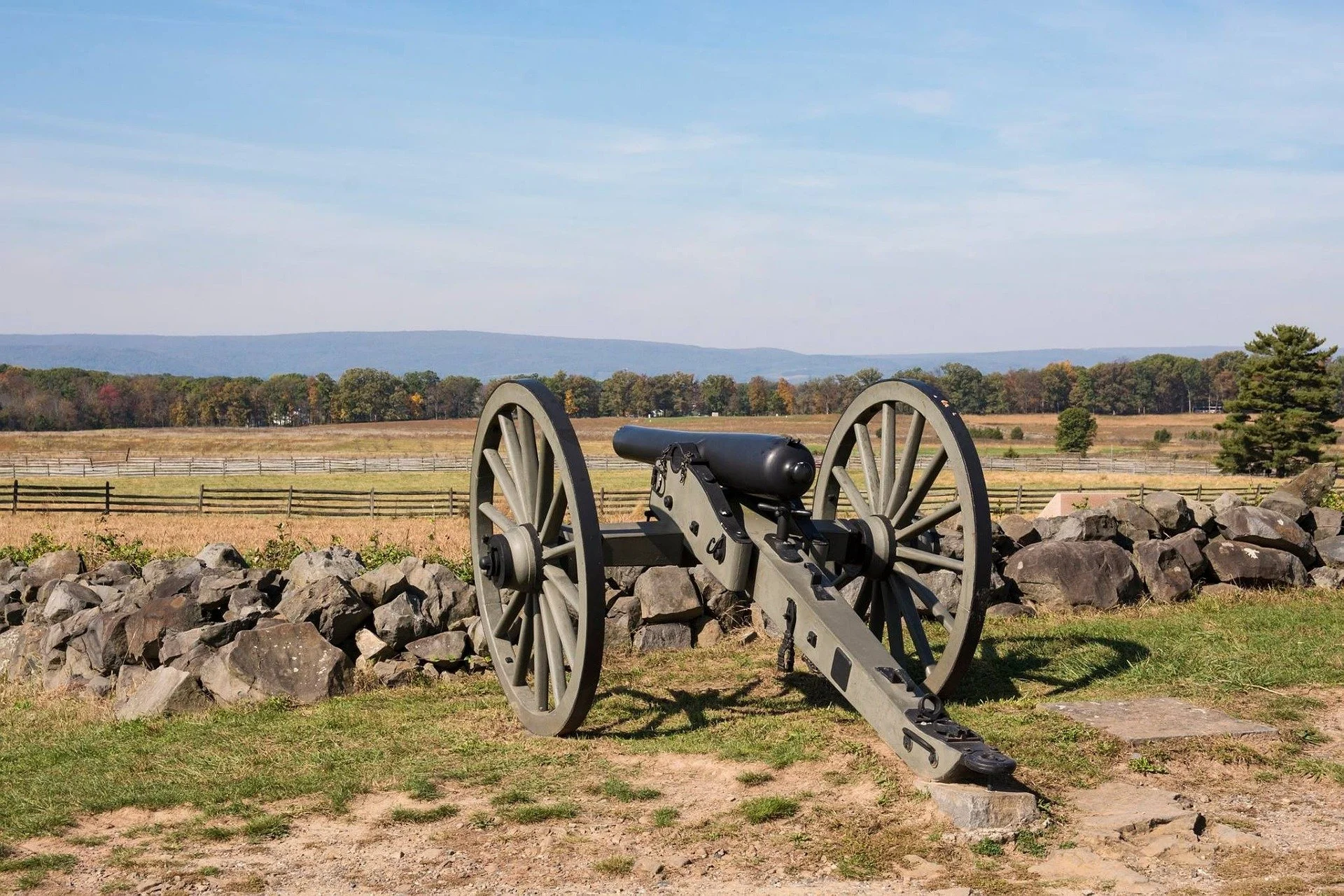
Tupelo National Battlefield — short, quiet, and often overlooked — preserves the June 1864 Civil War clash that secured Union control of northeast Mississippi and protected Sherman's supply lines during his Atlanta Campaign. Today it's a pocket of rolling fields, monuments, a few interpretive markers, and, yes, local lore that sprinkles in a friendly dose of the uncanny for night-minded travelers.
History
The battle: On July 14–15, 1864 (sometimes listed as July 14; some sources use July 15 as the main engagement), Confederate forces under Maj. Gen. Nathan Bedford Forrest attacked a larger Union force commanded by Maj. Gen. A.J. Smith. Forrest hoped to disrupt Union movements, but the Federals held strong, using well-placed artillery and defensive works. The result was a tactical Union victory; Confederate casualties and the inability to dislodge Union troops limited Forrest’s operational effect in the region.
Strategic context: The fight at Tupelo was part of a broader summer campaign. Sherman wanted a secure rear to advance into Georgia. By blunting Forrest’s cavalry raids in Mississippi, the Union reduced the threat to supply lines supporting the Atlanta offensive.
The site today: The National Battlefield is modest—marked battle lines, a few monuments, walking paths, and an interpretive panel. It’s quiet farmland adjacent to Tupelo’s suburban sprawl, but the landscape still conveys the sense of open fields and ridgelines where skirmishes and artillery duels took place.
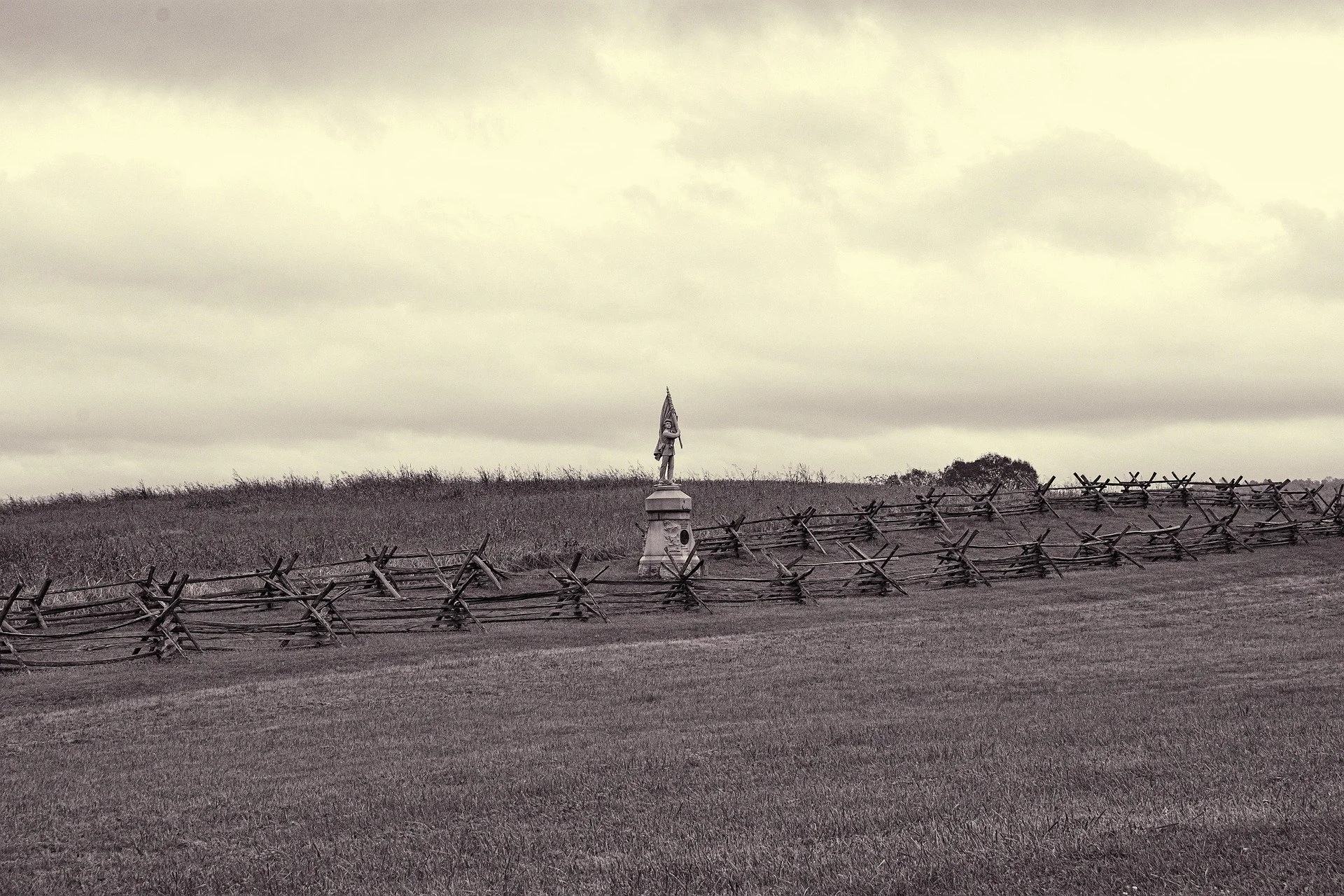
Ghost stories and hauntings Tupelo isn’t a big ghost-tour destination like some Southern plantations, but local storytellers and some visitors report a handful of eerie experiences tied to the battlefield and its immediate surroundings. These reports mix Civil War residue with later local legend.
Apparitions on the field: Several visitors and amateur paranormal investigators have reported fleeting figures—often described as Civil War-era soldiers in gray or butternut—ahead of sunrise or at twilight. Encounters are generally visual: a silhouette crossing a ridge, a soldier’s profile seen between trees, or the impression of someone moving through the mist. Most reports note the figures vanish if approached.
Sounds of battle: A common theme is audible phenomena—distant boom-like noises, intermittent gunshots, or the rattle of small arms and the clink of metal—especially on still nights. Witnesses often say the sounds are brief and not clearly local (no source like traffic or construction identified). Some attribute these to sensory echoes of the battlefield, a phenomenon reported at many Civil War sites.
Cold spots and goosebumps: Visitors taking the walking trails sometimes report localized drops in temperature—sudden cold air as if the present were briefly overlapped by the past. These spots are usually described near monuments and certain tree lines where skirmishing was heaviest.
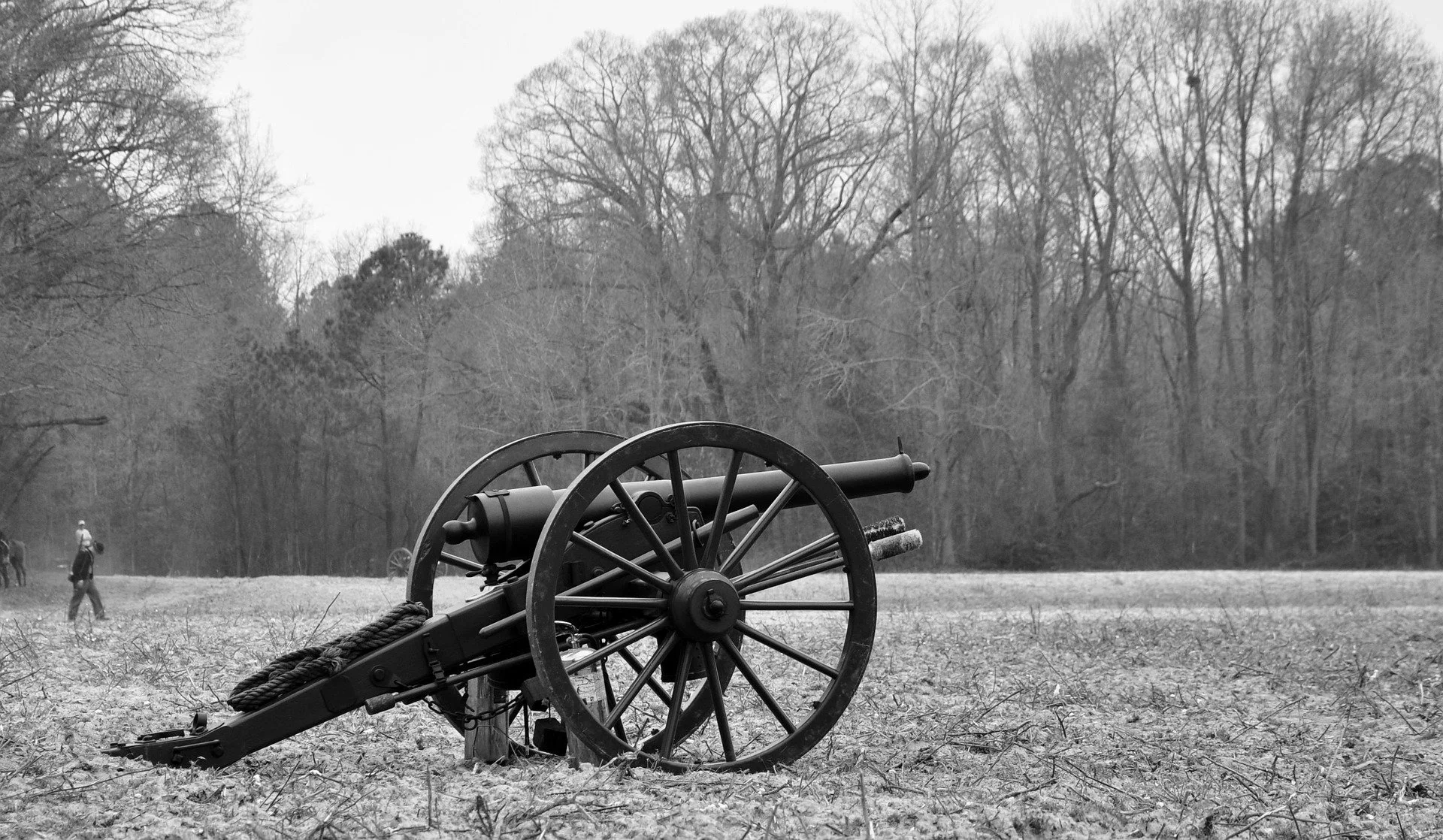
Spirit of a lone rider: Local lore occasionally mentions a lone cavalryman, appearing briefly on country roads near the battlefield, mounted or on horseback-traced asphalt impressions—then gone. These sightings are sparse but persist in stories told by long-time residents.
Cemetery and residual grief: While Tupelo National Battlefield doesn’t have a large burial ground like some other battlefields, nearby small cemeteries and family plots associated with the era have produced the usual tales of low, mournful sobs and the sense of being watched. People sensitive to emotion or who spend time quietly on the grounds sometimes describe a heavy sadness that lifts after leaving.
What to expect if you visit
Day visits: The battlefield is low-key by design—good for reflective daytime visits, picnics, and history-focused exploration. Interpretive signs provide context; bring a hat and water in summer.
Photographing anomalies: Paranormal enthusiasts sometimes report strange orbs or unexpected light artifacts in photos taken at dusk or dawn. Keep in mind that photographic anomalies can have mundane causes—lens flare, insects, dust, and long exposures can all create effects that read as “otherworldly.”
Safety and sensitivity: This is a battlefield where lives were lost. Visit with respect. Avoid disturbing monuments, markers, or private property. If you’re drawn to the paranormal, balance curiosity with compassion for the real history and the descendants for whom this ground is part of their family memory.
*******************
Haunted national battlefields are where history lingers in more ways than one — thunder of cannon, whispered orders, and the occasional cold spot where someone else’s grief still echoes. If you love history with a side of goosebumps, these places are perfect for a day trip or a longer haunted road trip.
Make this beautiful day count!
Annette