
Trail of Terror: 20 Haunted Hikes Across America, Part 1
There's a particular kind of quiet that settles over a trail once the sun starts dropping behind the ridge…..the kind that makes you understand, on some animal level, why people have been telling ghost stories about the woods since before there were trails at all. America's wild places are layered with history: battles, vanished mining towns, drownings, and centuries of folklore borrowed and reshaped by whoever walked through next. Lace up your boots, bring a headlamp with fresh batteries, and don't linger past dusk — here are 10 hiking trails across the country where the scenery comes with company.
A quick note before you go: many of these trails will take you through real cemeteries, battlefields, and disaster sites. Treat them with the same respect you'd want shown to your own history, pack out what you bring in, and always check current park regulations and weather before you hike.
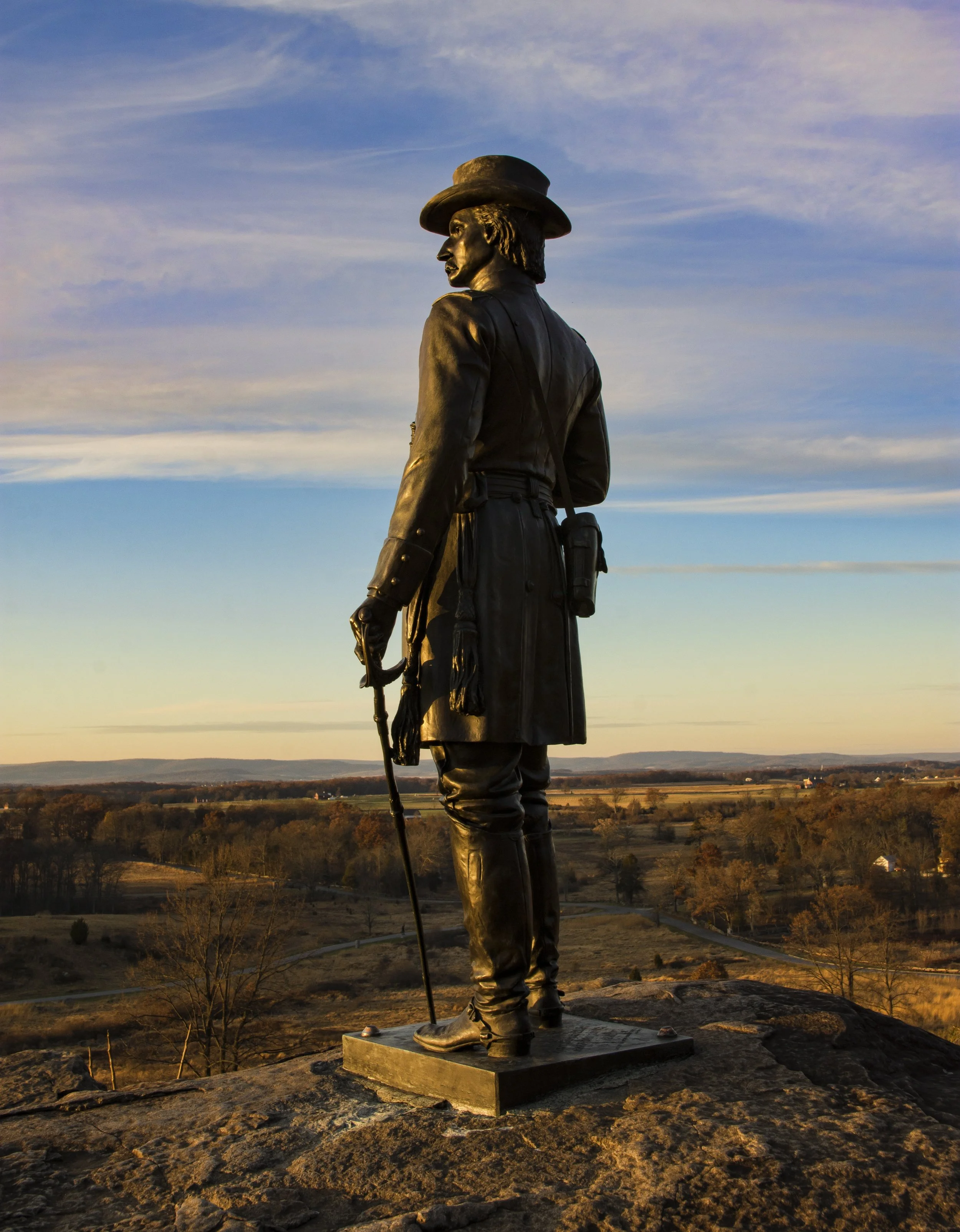
Devil's Den Trail- Gettysburg National Military Park, PA
On the second day of the battle of Gettysburg, July 2nd, 1863, Confederate troops under General John Bell Hood stormed the cluster of boulders known as Devil's Den, trying to dislodge the union artillery and sharpshooters dug in above them at Little Round Top. The rocks turned into a maze of closed – quarters killing ground, and by the time the fighting moved on, the boulders were said to be slick with blood from soldiers out of Texas, Alabama, Georgia, and Arkansas on one side and main, New York, and Pennsylvania on the other.
Photographer Alexander Gardner took one of the most famous — and most disputed — images of the civil war: a dead Confederate sharpshooter posed in a rock crevice nearby, a body that historians now believe gardeners crew dragged and arranged for effect. That blurred line between stage tragedy and real death seems to have stuck to the place.
Visitors have reported a barefoot, Confederate soldier in ragged clothes who appears among the boulders, sometimes gesturing toward the rocks before vanishing when approached. Others have described shadowy figures moving quietly between the crevices, phantom gunfire and shouted commands with no living source, and cameras that inexplicably die the moment someone tries to photograph an apparition. The reports span more than 160 years which some may find deeply unsettling.
Looking for a tour in Gettysburg? Check out this list HERE.
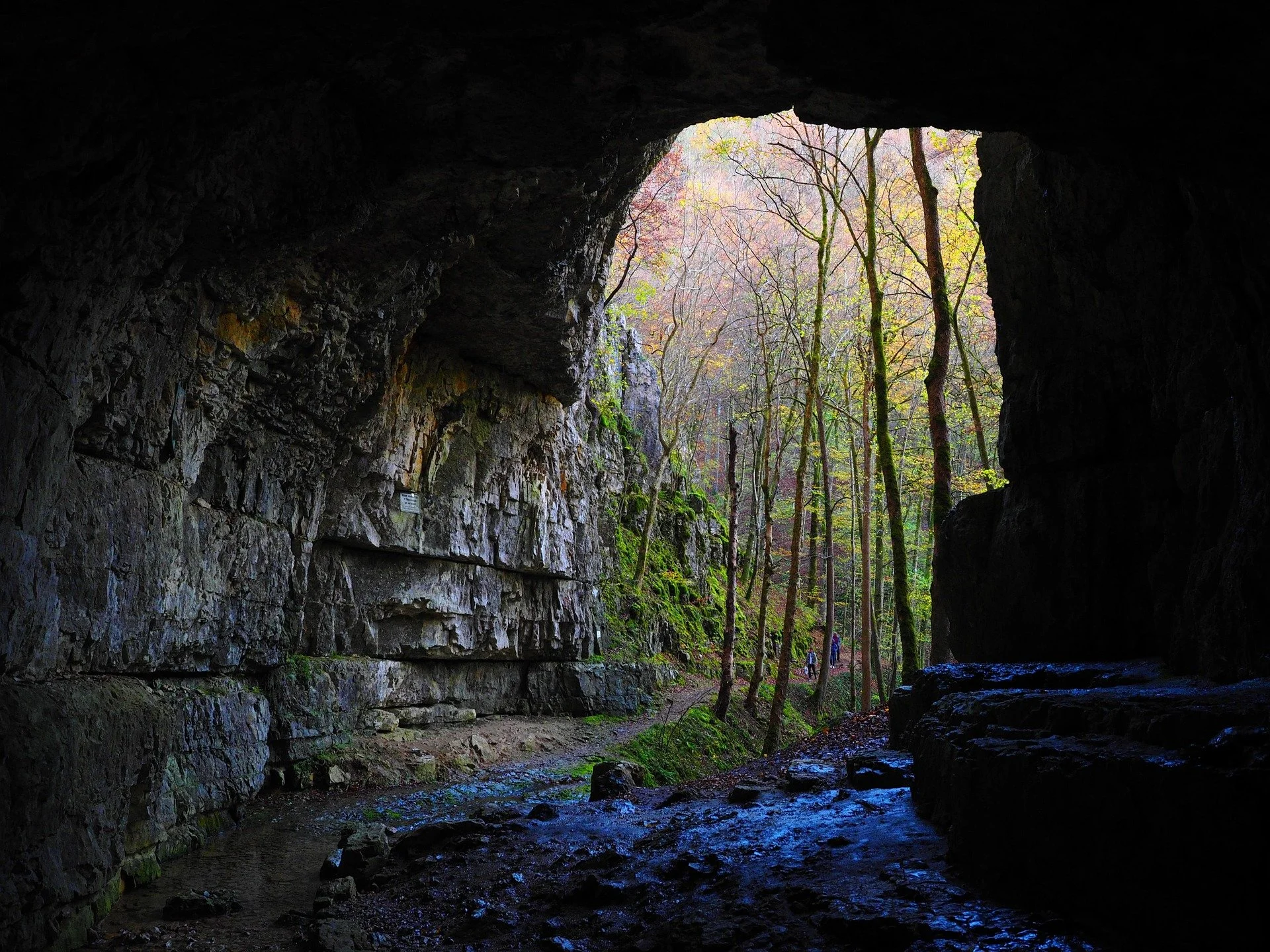
Bell Witch Cave Trail - Adams, TN
Between 1817 and 1821, the farm of John Bell Sr., in Northwest, Tennessee, became the site of the most thoroughly documented haunting in American folklore. It started small — Bell spotted a strange doglike creature in his fields, his son saw an enormous bird, and his daughter saw a girl in a green dress swinging from an oak limb. It soon escalated into knocking, the sounds of chains dragging across floorboards, and eventually a voice that identified itself as “Kate,” claiming to be the spirit of the neighbor, Kate Batts. The entity mimicked voices, predicted the future, and was said to have physically attacked Betsy — slapping, pinching, and pricking her with pins.
John Bell senior died on December 20th 1820, after suffering a mysterious paralysis. The entity reportedly took credit for his death. The following year, Betsy called offering engagement at the spirits and assistance, and the entity departed with a promise to return in 7 years. Andrew Jackson himself is said to have visited the farm out of curiosity and left rattled.
The cave on the property wasn't part of the original 1817 -1821 story, but over the 20th century it absorbed the legend and became its permanent address- a low, damp limestone passage where visitors report cold spots, disembodied voices, and a heaviness that guides say has made more than one grown adult turn back before reaching the back chamber.
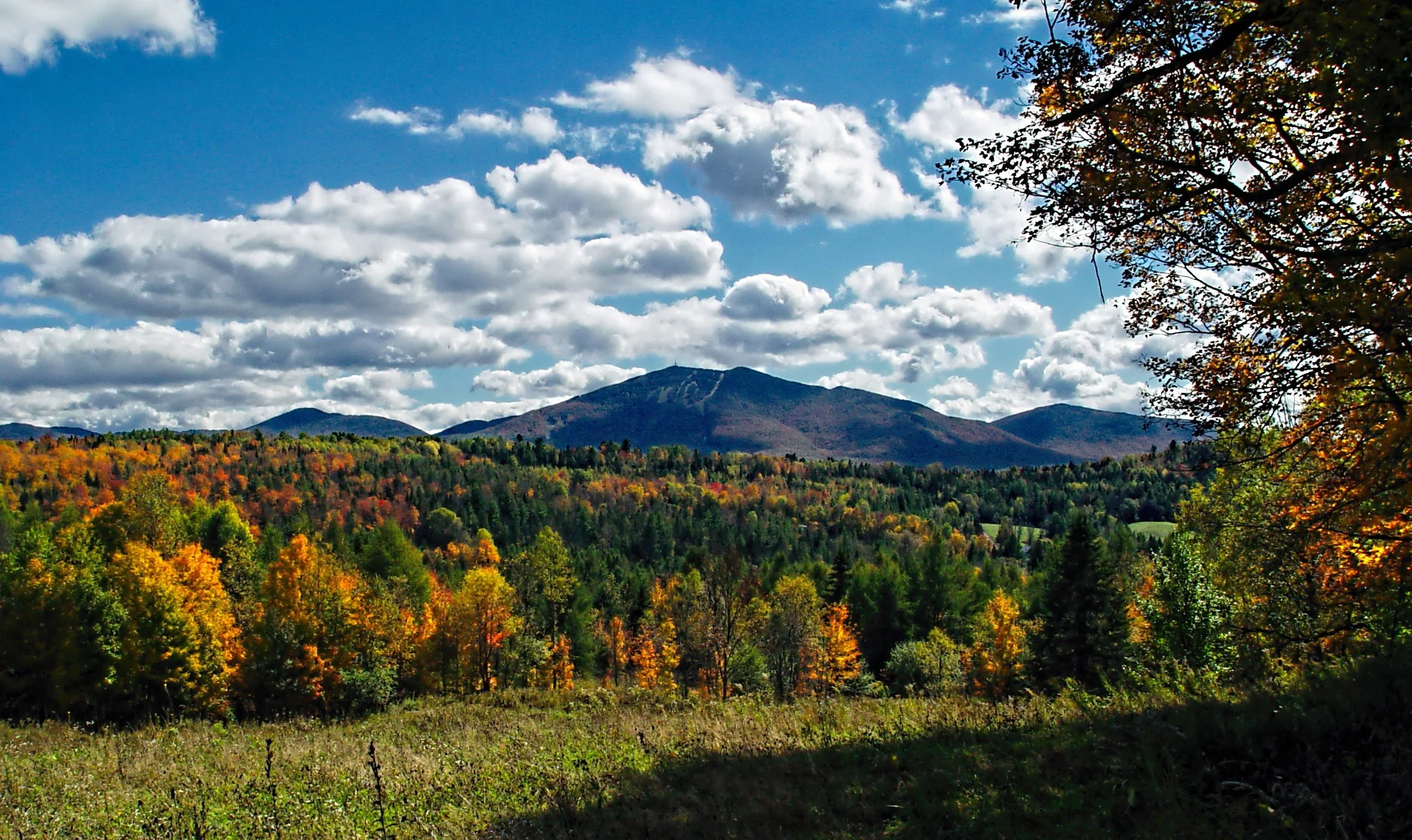
Glastenbury Mountain (Long Trail) - Green Mountains, VT
Long before anyone called that the Bennington Triangle - a name writer Joseph citrocoined in 1992 - the region around Glastenbury Mountain had a reputation. Colonial accounts describe the mountain as a place indigenous groups avoided, and the earliest settler stories mention strange lights, unexplained sounds, and smells drifting out of the woods with no source. Three settlements were built and abandoned in the surrounding wilderness - Glastenbury, Fayville, and Somerset - leaving the area one of the most remote and thinly populated pockets of New England.
Then, between 1945 and 1950, at least five people vanished from the immediate area without a trace: 75-year-old hunting guide Middie Rivers in 1945; Bennington College student Paula Welden in 1946, who disappeared while hiking a section of the Long Trail and whose case inspired Shirley Jackson's novel Hangsaman; Jim Tetford who vanished from a moving bus in 1949; and, within months of each other in 1950, 16-year-old Martha Jeannette Jones; an experienced hiker by the name of Freida Langer, and Frances Christman who went on a brief hike then disappeared. No bodies, no evidence, no pattern anyone could explain - the disappearances rattled the state legislature into creating the Vermont State Police.
Hikers on the Long Trail through Glastenbury today report unease on certain stretches of the ridge — a feeling of being watched, sudden silences where birdsong should be, and even a disorienting fog that seems to roll in faster than the forecast allows. Whether you believe something supernatural lives up there or simply that dense, disorienting wilderness plus a string of tragic coincidences equals a very good story, most people agree on one thing: stay on the trail.
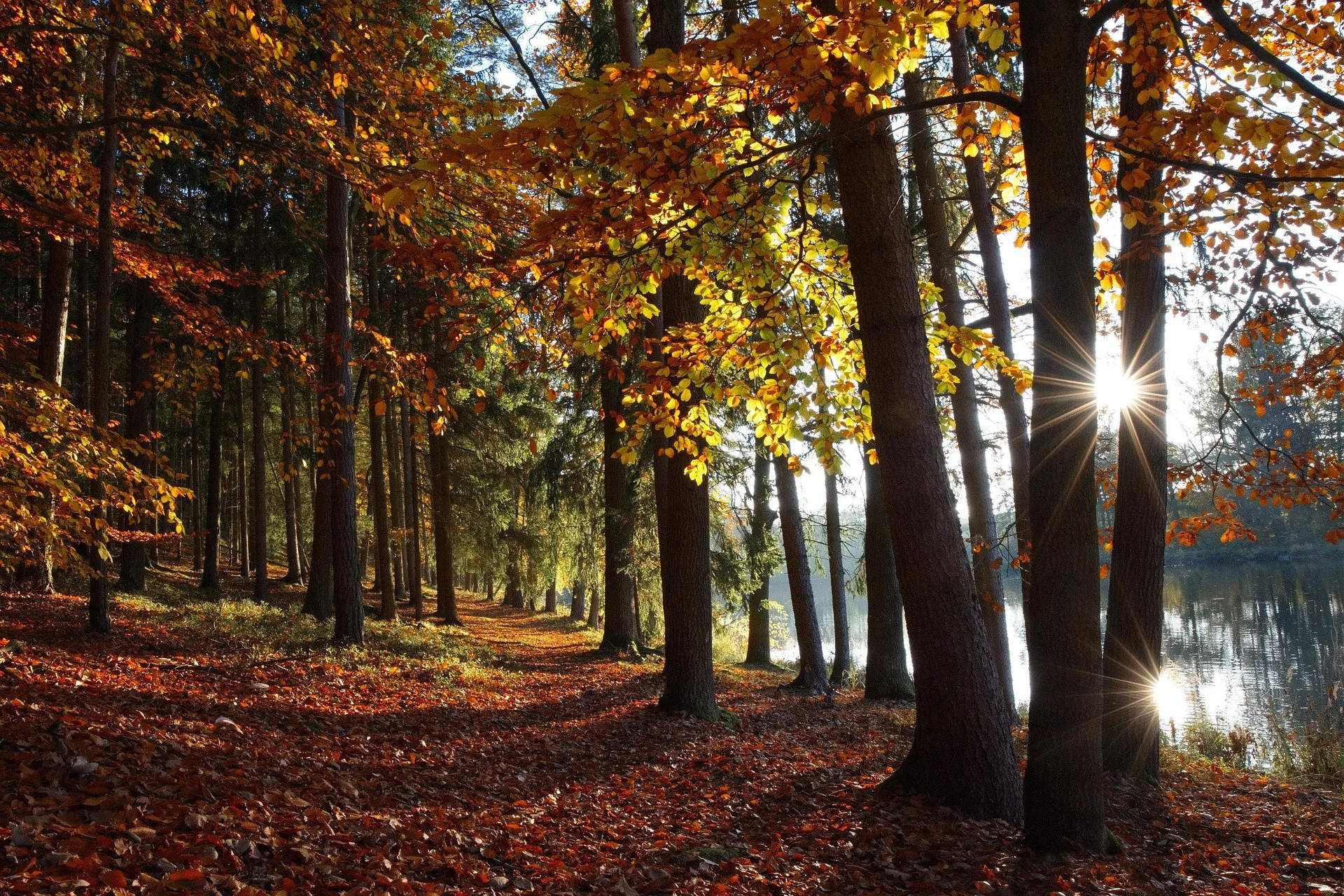
Stow Lake Trail- Golden Gate Park, San Francisco, CA
For more than a century, San Franciscans have told a story about the paved path circling Stowe Lake — a woman was walking her baby in his stroller near the water, turned away for a moment to speak with someone, and turned back to find the stroller gone — rolled, presumably, into the lake. Distraught, she is said to still walk the shoreline after dark, asking passersby in a tearful voice whether they've seen her baby.
There's no verified historical record of the drowning — no name, no date, no newspaper account anywhere anyone has been able to track down — which puts the White Lady of Stowe Lake squarely in the territory of urban legend rather than documented history. But don’t think that has stopped generations of San Franciscans from reporting her: and glowing figure in white near the water at night, a sensation of being followed along the path, and, more than one visitor swears, cars that mysteriously refuse to start after a night time stop at the lake. Skeptics have joked that the real haunting is the parking lot; regulars who’ve seen the woman in white at close range tend not to find that very funny.
Looking for a tour in San Francisco? Check out this list HERE.
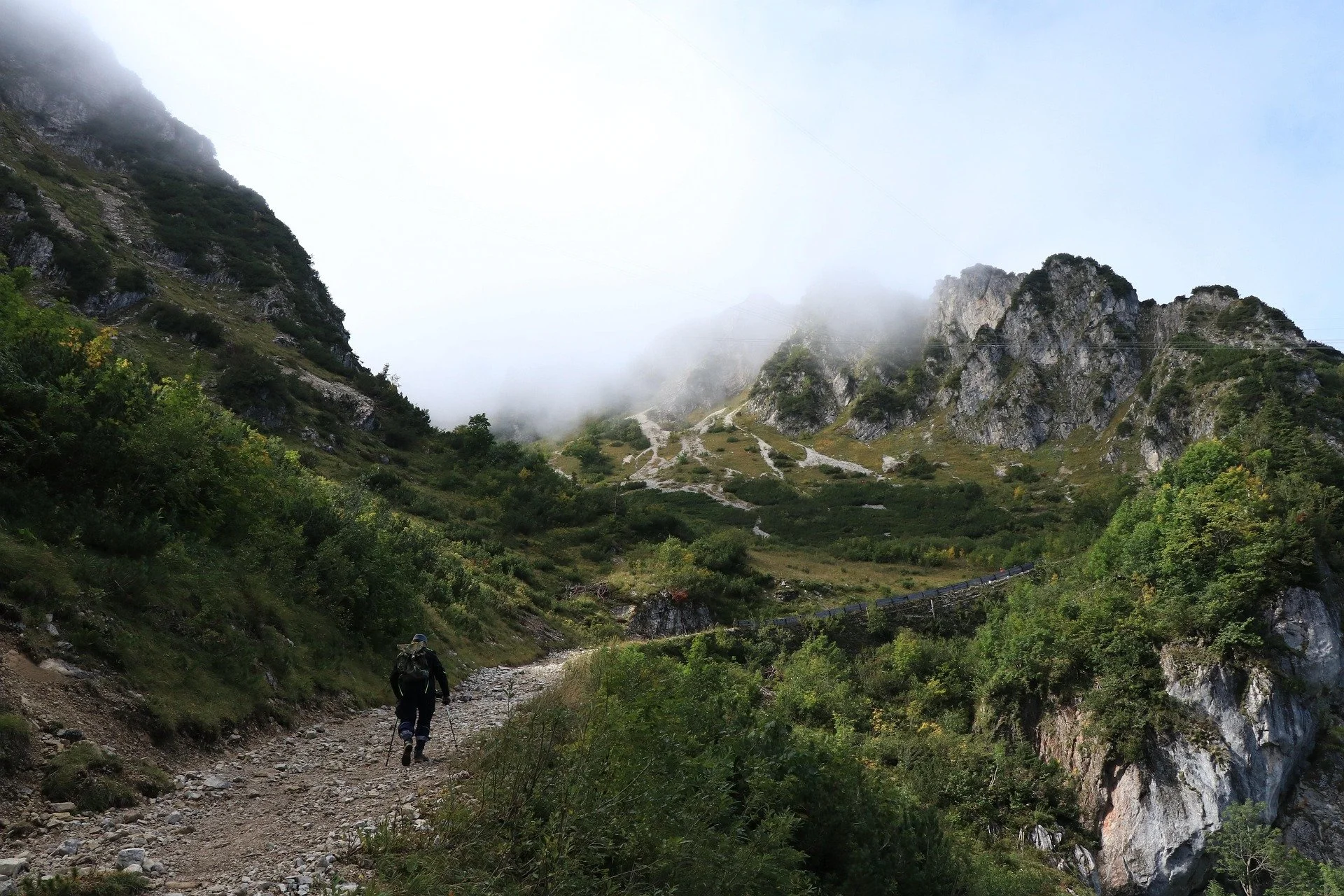
Peralta and Siphon Draw trails- Superstition Mountains, AZ
The superstition mountains have swallowed people for as long as Arizona has kept records, and the mountains have a story ready made to explain why. According to the most popular version, the Peralta family worked rich gold mines in the range through the 1840s, until an Apache war party ambushed a mule train loaded with ore, killing nearly everyone in the so-called Peralta massacre and burying the mine's location with the dead. Historians who’ve gone looking for the massacre in the historical record have come up empty — one researcher flatly concluded it never happened — but the story became the origin myth for the Lost Dutchman's gold mine, supposedly rediscovered decades later by German prospector Jacob waltz, who took its exact location to his grave in 1891.
True or not, the legend has real teeth. Several treasure hunters have died searching these canyons over the past century — some from heat and falls, several under circumstances strange enough that local lore blames a curse the Apache placed on anyone who disturbs the gold. Hikers on the Peralta and Siphon Draw trails report disembodied voices and cries echoing off the rock walls, sudden cold pockets of air in the middle of desert, and some report an unnerving tendency for people to get turned around on trails they've hiked dozens of times before, as though the mountain itself keeps rearranging its own landmarks.
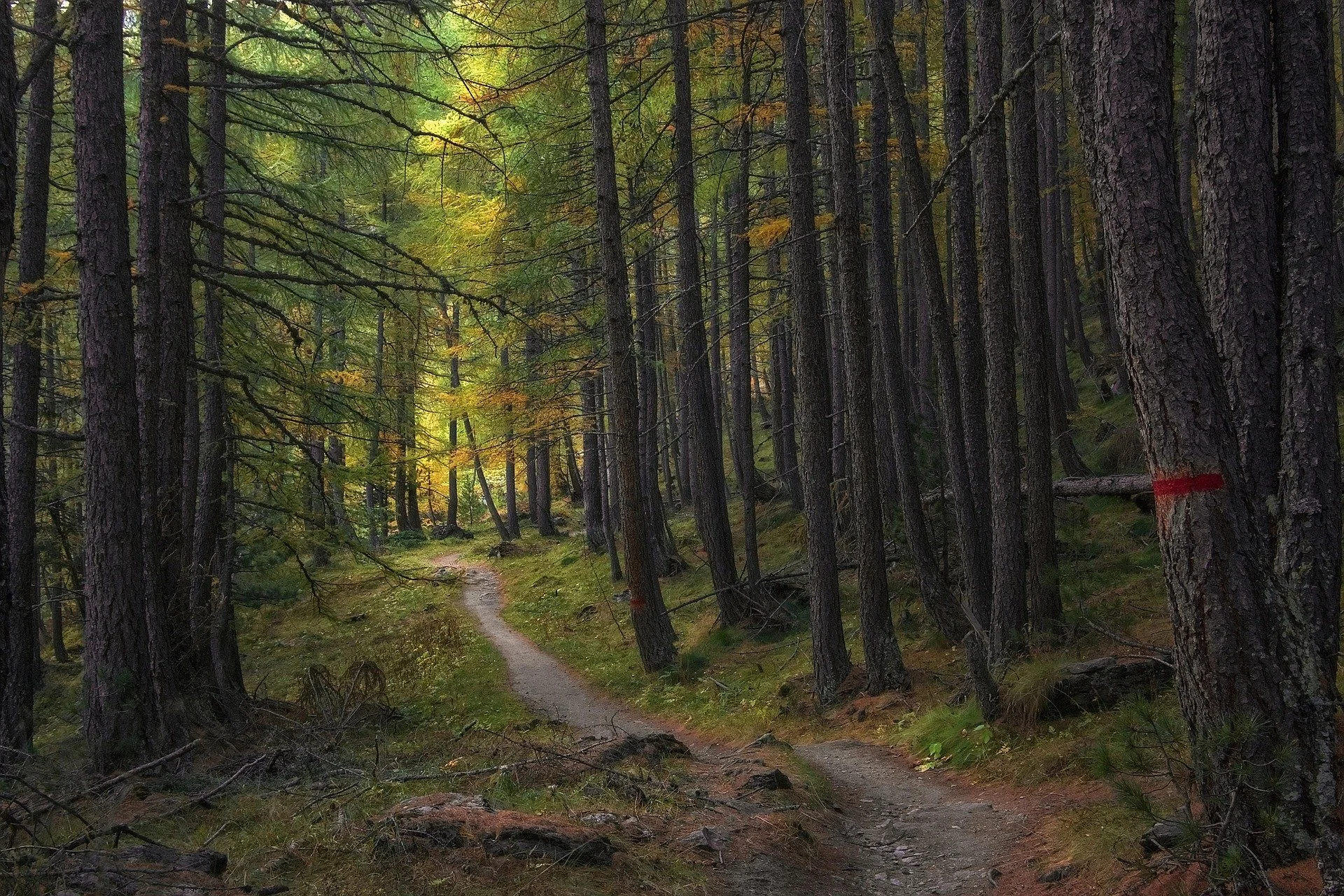
Bridge to No Where Trail- San Gabriel Mountains, CA
Built in 1936, the elegant concrete arch spanning the East Fork of the San Gabriel River was meant to be one small piece of a road connecting the San Gabriel Valley to Wrightwood. It never got the chance. The great flood of March 1938 tore out the unfinished roadway on both sides, leaving the bridge standing in what's now the Sheep Mountain Wilderness — fully engineered, structurally sound, and connected to absolutely nothing.
The isolation is part of what makes it eerie: a perfectly good bridge, built for cars that will never come, stranded in a canyon that swallowed a road building project whole. The hike in requires wading the river repeatedly, and the same current that ended the road has claimed hikers over the decades — the East Fork can rise fast and without warning, and search and rescue teams here stay busy. Regulars talk about unexplained voices carrying up canyon when no other hikers are around, cold drafts crossing the bridge deck on days that offer not even a hint of a breeze, and a persistent sense of being watched from the brush near the old road cuts — as if the ghosts of an abandoned engineering project are still waiting for traffic that’s 90 years overdue.
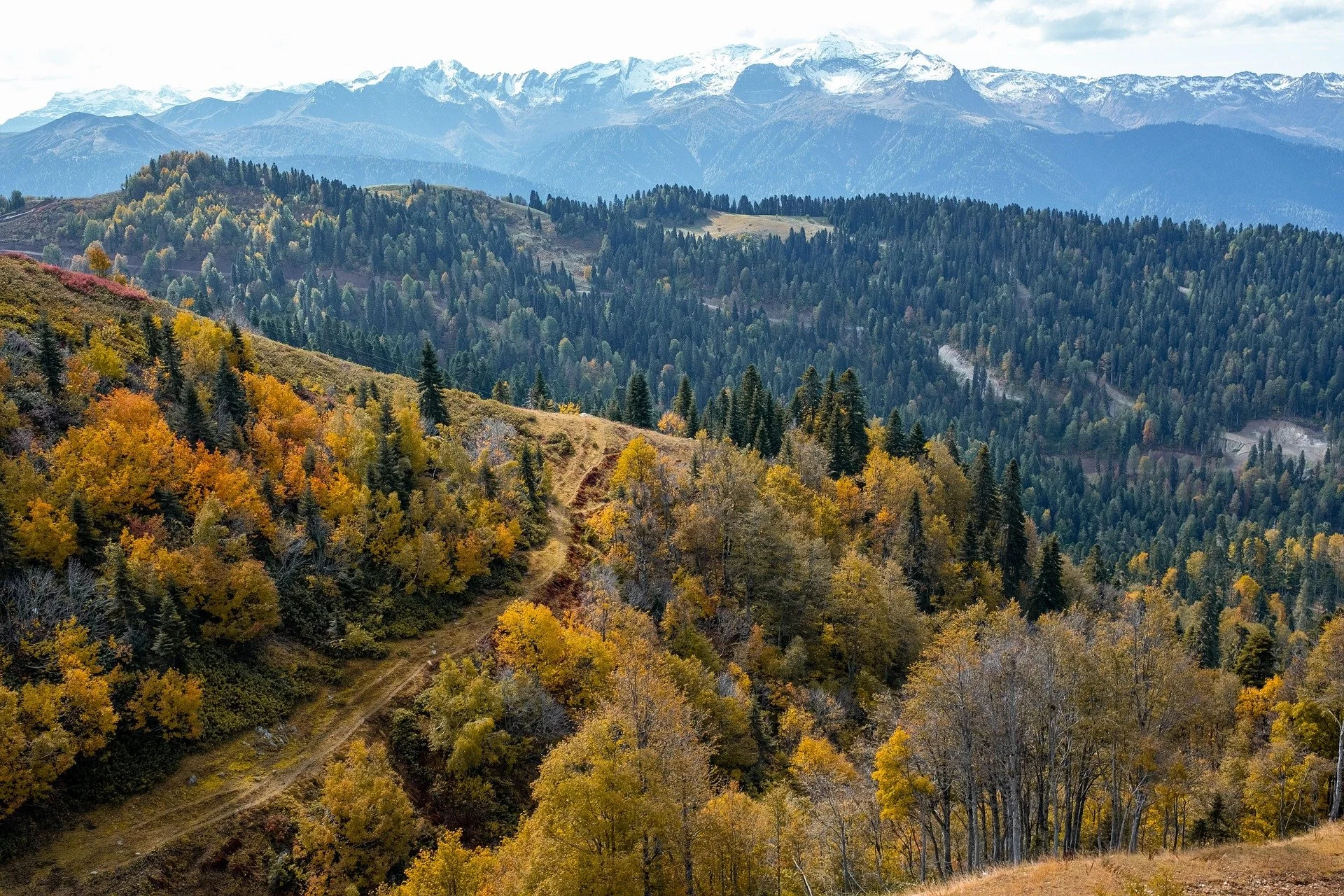
Dark Hollow Falls Trail- Shenandoah National Park, VA
Dark Hollow Falls is one of the most hiked short trails in Shenandoah, a steep drop through hemlock and hardwood to a 70-ft cascade — and one of several spots along Skyline Drive with a reputation for more than scenery. Local legend describes a young woman hiking alone who was caught in a sudden storm. She lost her footing on the wet rock and drowned in the rushing waters below the falls.
Hikers have since reported faint, sorrowful disembodied whispers carried on the wind near the base of the falls, the crunch of footsteps on the gravel switchbacks when no one else is around, and a misty, nebulous figure standing at the water's edge that dissolves the moment anyone gets close enough to make out a face. The broader park has its own layered history worth sitting with on the hike back up — the land was home to mountain communities displaced when Shenandoah was created in the 1930s, and depression era CCC crews built much of the trail infrastructure still in use today, which locals will tell you ads its own quiet, restless energy to these hollows.
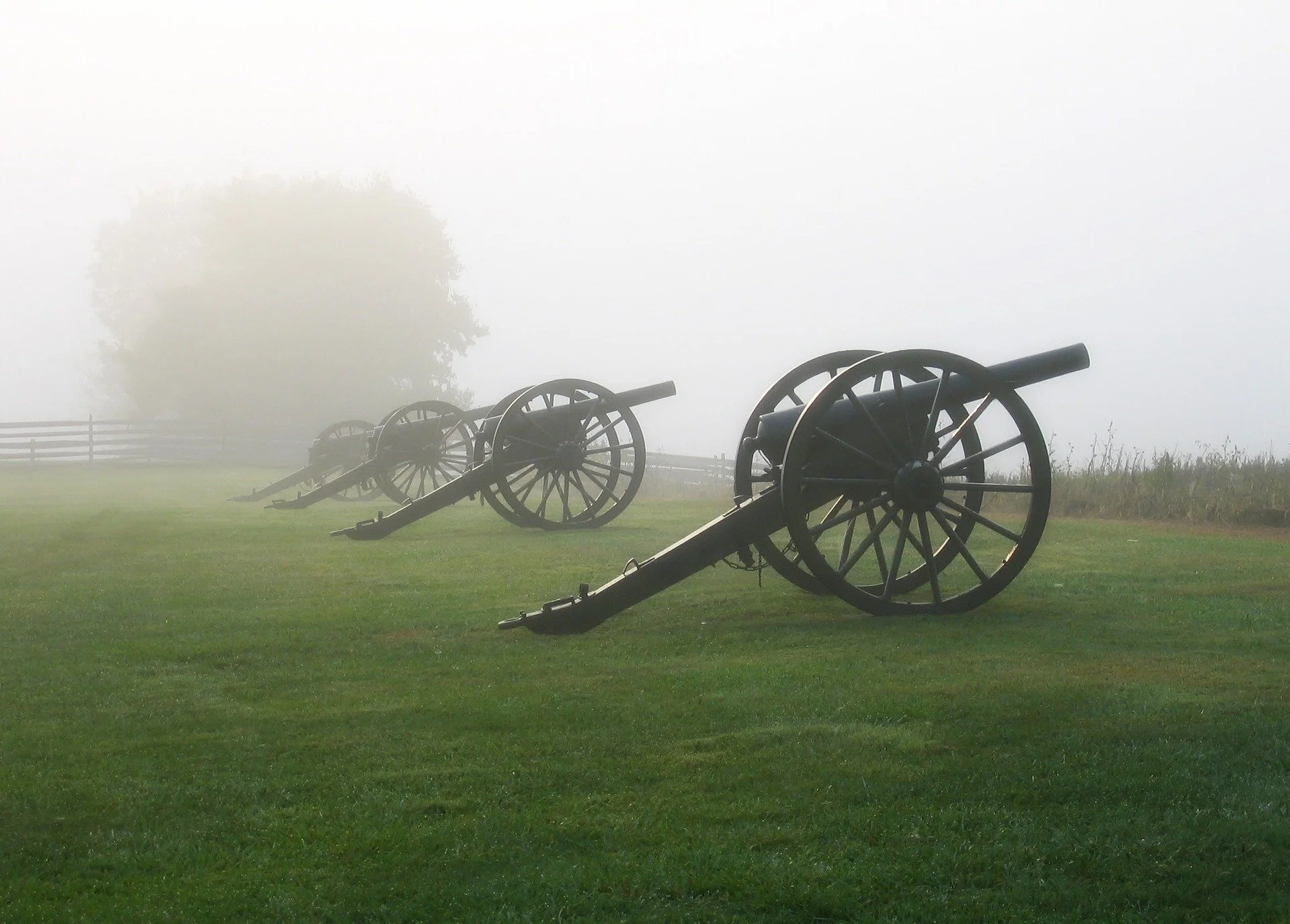
Bloody Lane Trail- Antietam National Battlefield, MD
On September 17th, 1862, near Sharpsburg, Maryland, more the 22,000 men fell in a single day — still the bloodiest day in American military history. A worn sunken farm road at the center of the battlefield, later named Bloody Lane, saw roughly 5,500 casualties in under 4 hours as the Union and Confederate lines traded fire at point blank range. In the battle’s aftermath, a three-mile line of bodies reportedly waited for burial, and the sheer scale of the carnage gave Lincoln the political opening to issue the emancipation proclamation days later.
Reenactors and rangers walking the interpretive trail through Bloody Lane, Burnside Bridge, and the nearby Pry and Piper houses have described described phantom gunfire and the smell of gunpowder with no source, distant chanting some attribute to the Irish Brigades battle cry, unexplained drum beats, and Confederate soldiers who appear at a distance and vanish before anyone can approach. One widely repeated account has a reenactor pinned to the ground by what felt like an ethereal arm rising out of the lane itself- which, whether or not you take it literally, tells you something about how heavily this particular quarter mile still sits on people.
Devil's path- Catskill Mountains, NY
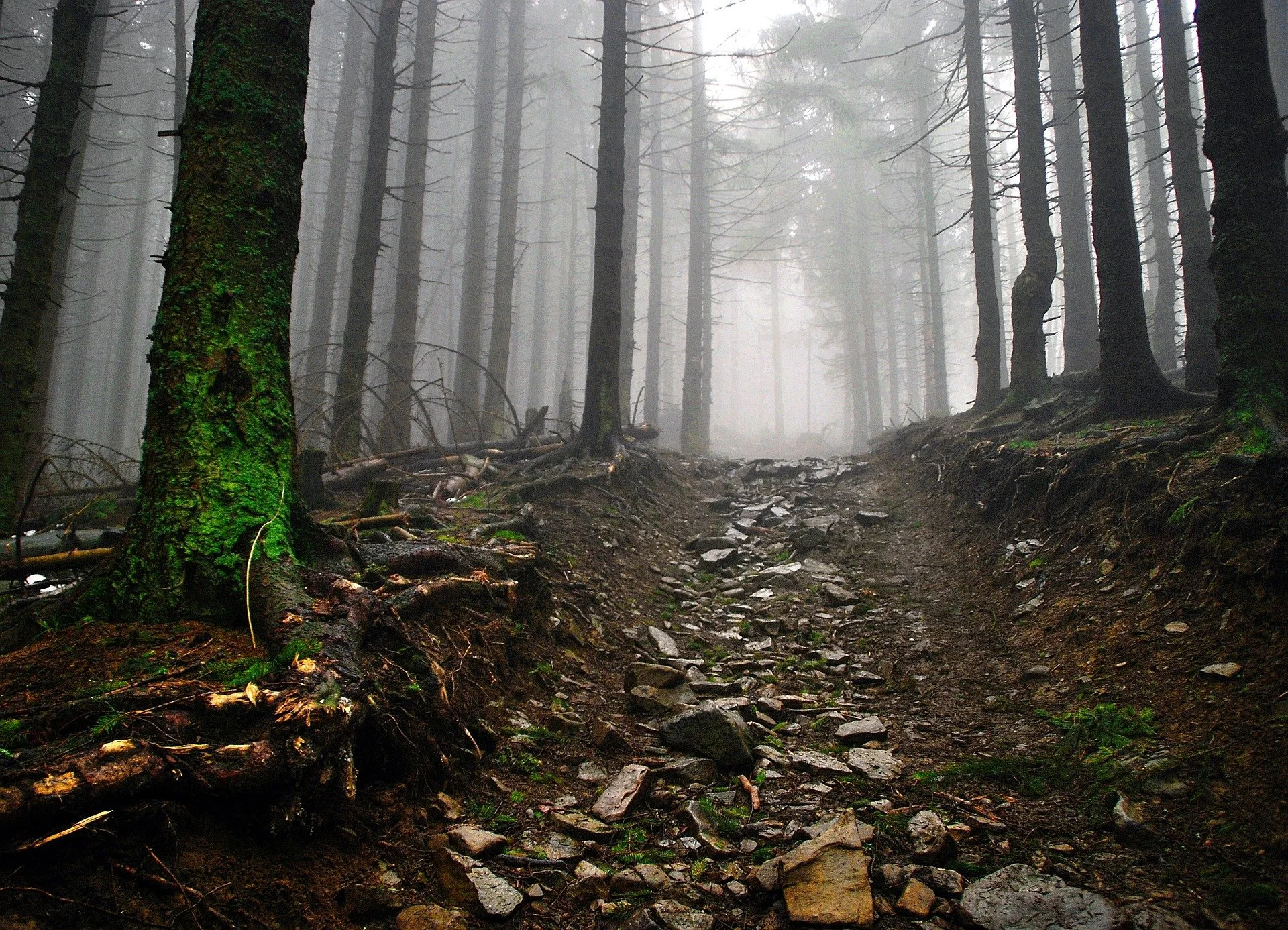
Early European settlers who tried to cross this stretch of the northern Catskills came away convinced no ordinary force had shaped it. The relentless up and over profile — four major peaks with almost no flat ground between them — struck them as terrain “hewn by the devil as a place to retreat, and into which no man would dare follow.” The name stuck long before there was an official trail; the path itself wasn't formally cut across Indian Head and Twin Mountain until 1929.
Devil's Path has earned its reputation the hard way — it's been ranked among the most dangerous hikes in the world, especially if you underestimate the elevation gain and exposure. Hikers swap stories of being herded off-trail by nothing they recognize or can identify, and, on Indian Head in particular, cold pockets of air that settle in with no wind to explain them. Locals will tell you the mountain doesn't need ghosts to be dangerous- but plenty of hikers who've been up there after dark.
Mount Misery and Sweet Hollow Trail — West hills, Long Island, NY
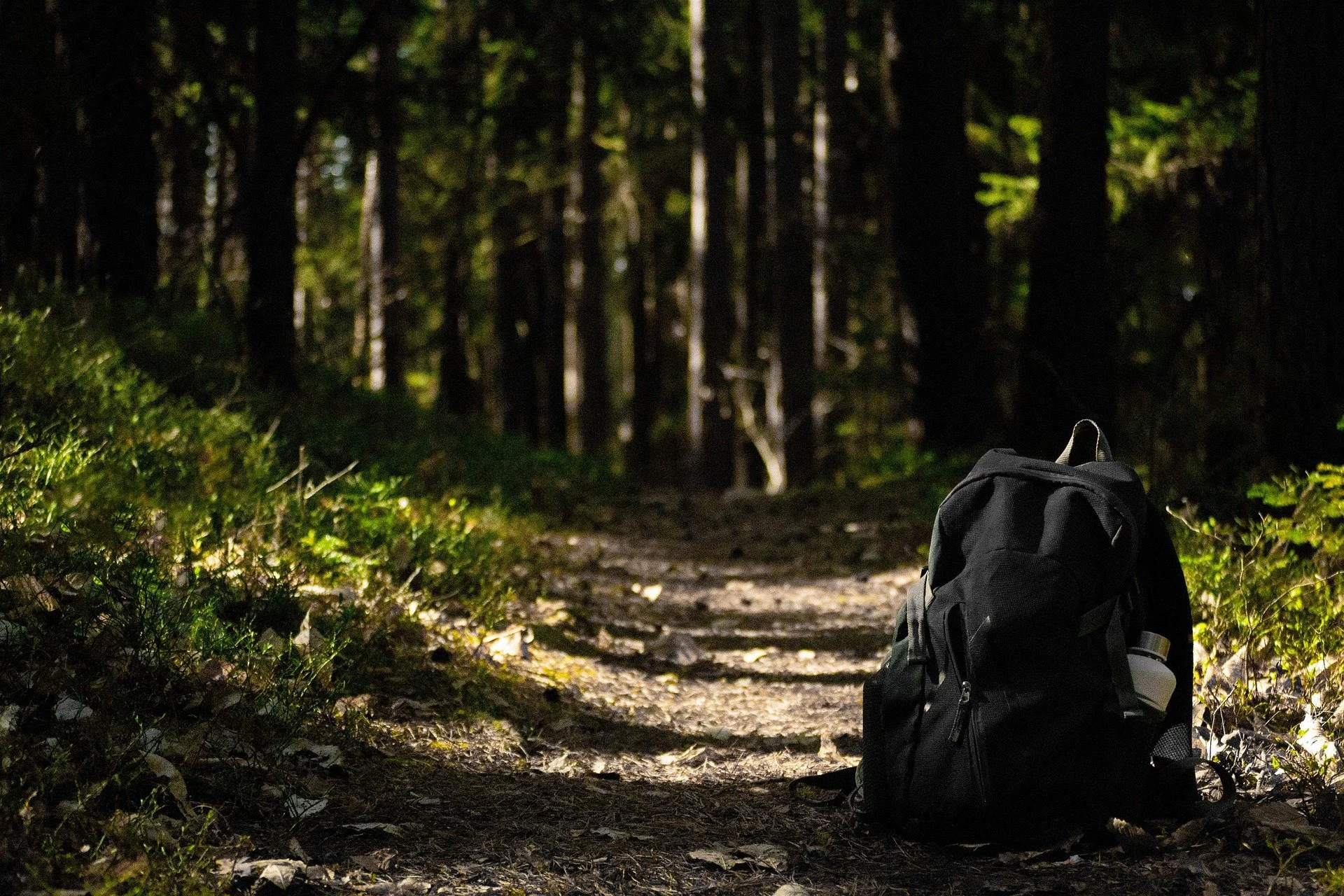
Long before West Hills became one of Long Island's leafier suburbs — and the boyhood home of Walt Whitman- it's two winding roads earned a name for themselves. The most persistent legend describes a 19th century mental hospital that burned to the ground with patients still inside; when it was rebuilt, roughly a decade later, staff reported the smell of smoke and the screams of the dead until the new building also burned, this time within five months of opening. No County record of the hospital or either fire has ever surfaced, which hasn't slowed the story down at all.
The surrounding woods have collected nearly every Long Island ghost archetype over the decades: a “Mary's Grave” legend about a murdered woman or child said to now protect other travelers on the road; a vanishing hitchhiker who climbs into cars and disappears before the destination; and a headless police officer, allegedly killed by shotgun blast on night patrol. Take the specific stories with the grain of salt they deserve- this is classic suburban legend-trip territory, but the preserve’s actual woods, dense and unusually quiet even by Long Island standards, do a fair amount of the work themselves.
****************
Please remember to check websites for hours, trail closures, weather conditions, and other announcements that may impact your visit. Some of these trails are physically demanding so make sure you are healthy enough to enjoy them and take supplies to keep you safe.
If you are looking to combine scenic nature with spine-chilling history, the United States is full of hiking trails that offer far more than just pretty overlooks. From Civil War battlefields to cursed forests and tragic mountain passes, these trails are famous for their dark histories, local legends, and active paranormal reports.
Make this beautiful day count!
Annette