
5 Haunted National Military Battlefields in the USA (Part 1)
Haunted battlefields offer a unique blend of history, atmosphere, and emotional resonance that attracts travelers looking for meaning, mystery, and memorable experiences. Battlefields are among the most commonly reported locations for residual hauntings, apparitions, phantom sounds (marching, gunfire), and EVPs. That folklore adds a spine-tingling layer to a visit. Whether you seek history, a spine-tingle, photography, or quiet reflection, haunted battlefields deliver a travel experience that’s educational, evocative, and unforgettable.
Antietam National Battlefield — Sharpsburg, Maryland
Antietam National Park preserves the site of the Battle of Antietam (September 17, 1862), the bloodiest single-day battle in American history. It’s a place where military history, personal tragedy, and the echoes of war combine, and where stories of hauntings and lingering spirits have grown alongside well-documented battlefield memory.
History and context
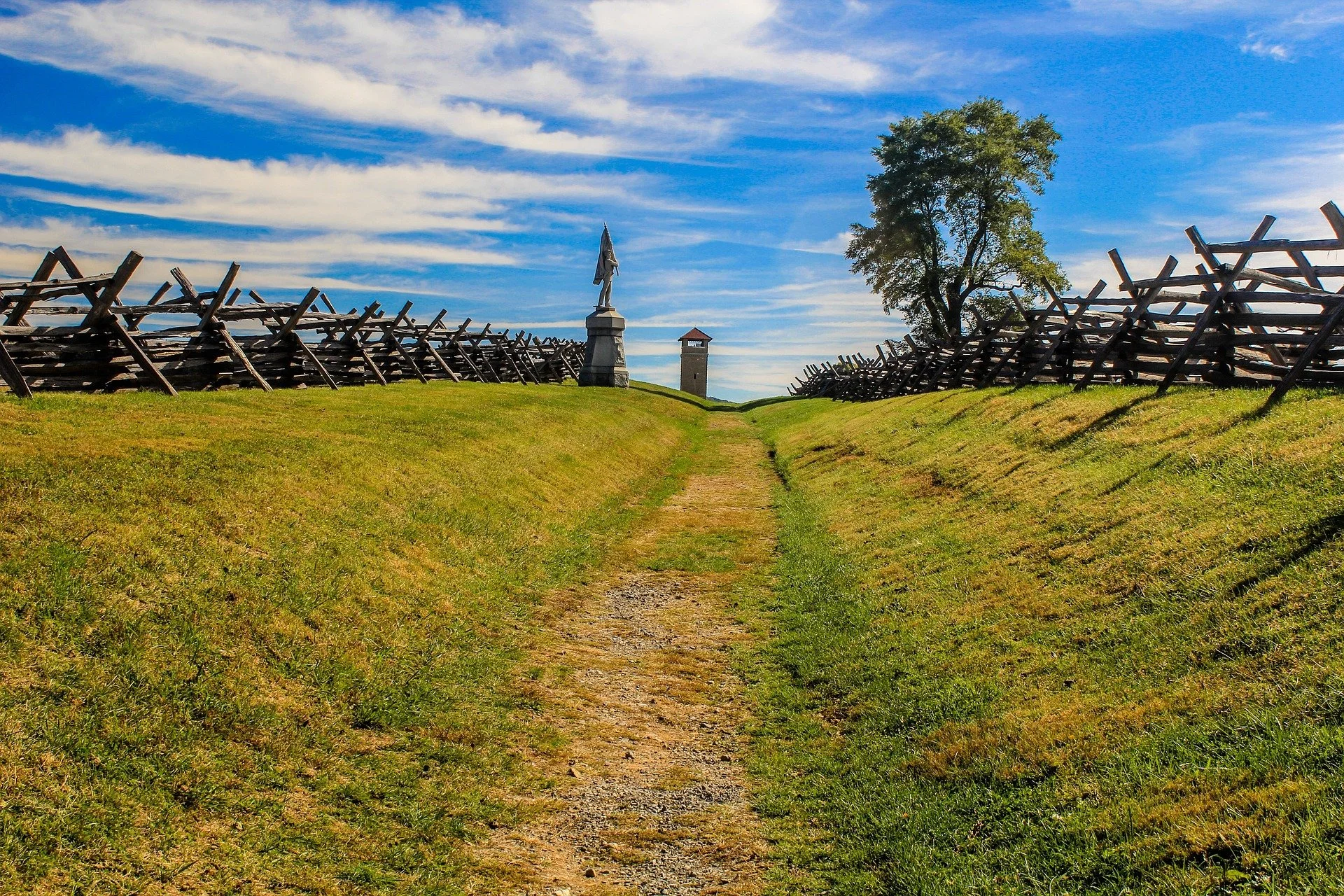
The battle: Antietam was part of Confederate General Robert E. Lee’s invasion of the North. Union forces under General George B. McClellan intercepted Lee’s Army of Northern Virginia near Sharpsburg. The fighting that day involved intense clashes at locations now known as the Cornfield, the Dunker Church, the Sunken Road (later called Bloody Lane), and Burnside’s Bridge. Casualties: roughly 23,000 dead, wounded, or missing in a single day.
Aftermath and significance: Though tactically inconclusive, the Union claimed strategic advantage when Lee withdrew to Virginia. President Abraham Lincoln used the opportunity to issue the preliminary Emancipation Proclamation a few months later, reframing the war’s purpose.
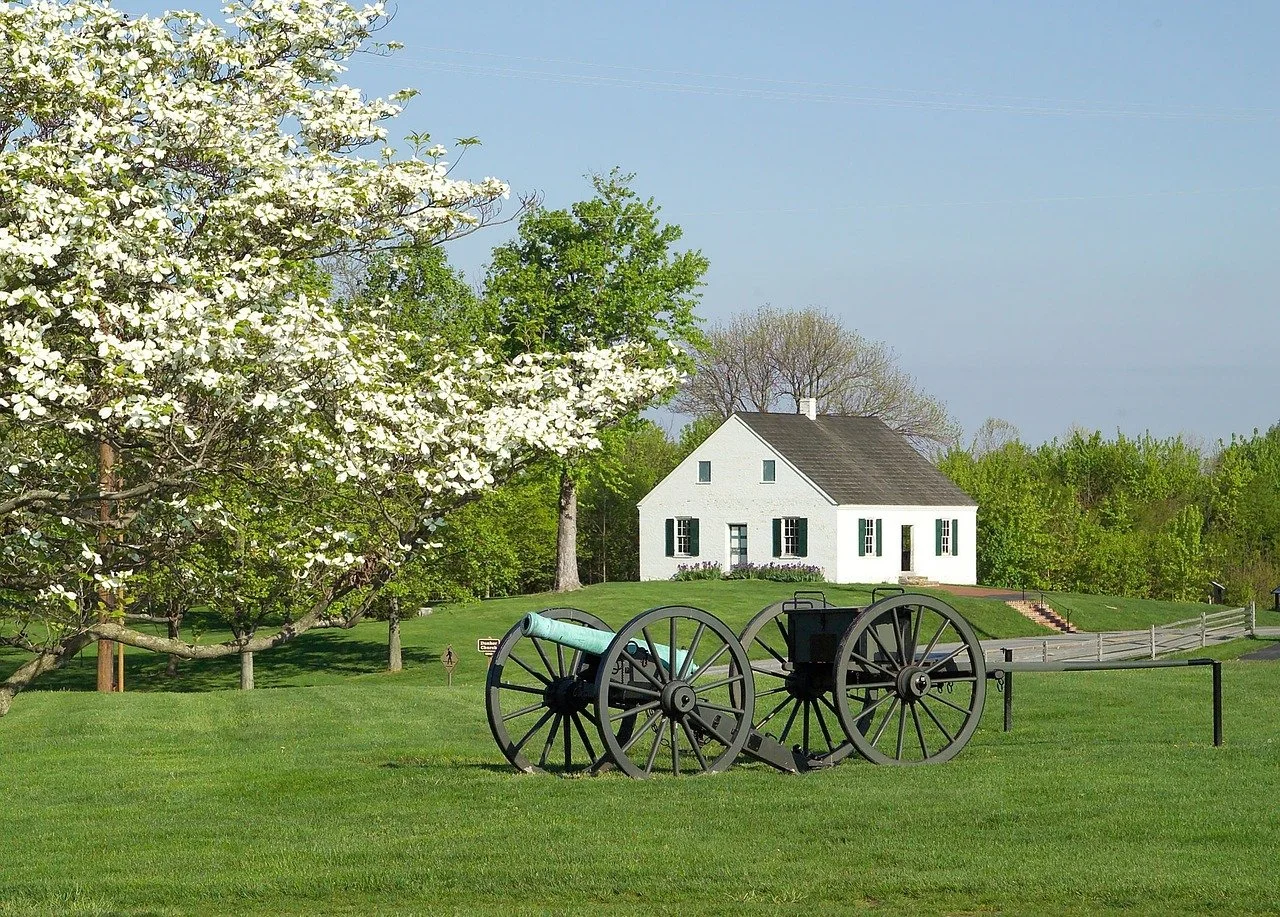
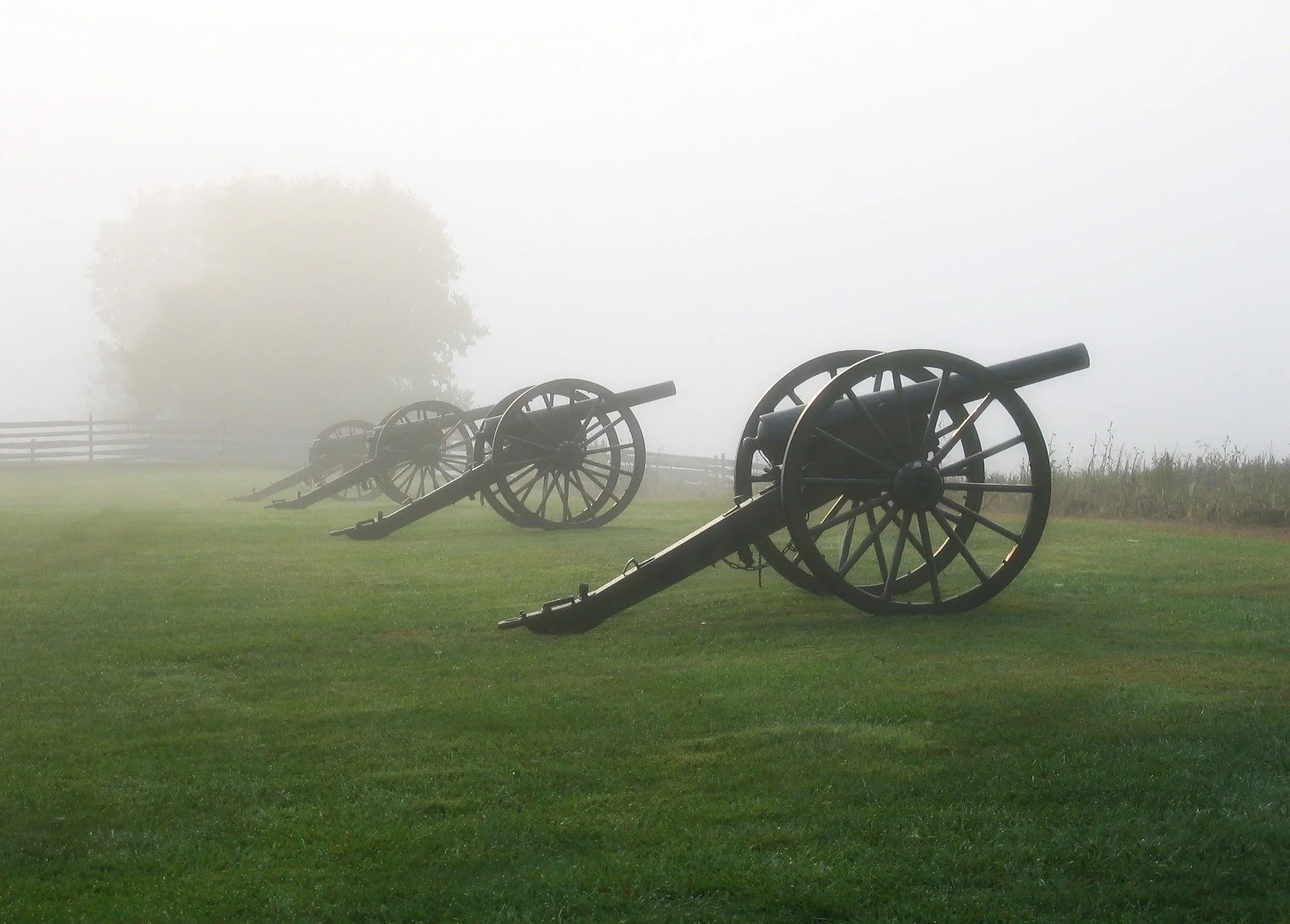
Preservation: Today the National Park Service maintains the landscape, many monuments, cannons, interpretive signs, and preserved structures. It’s both a memorial and a study in how landscapes remember trauma.
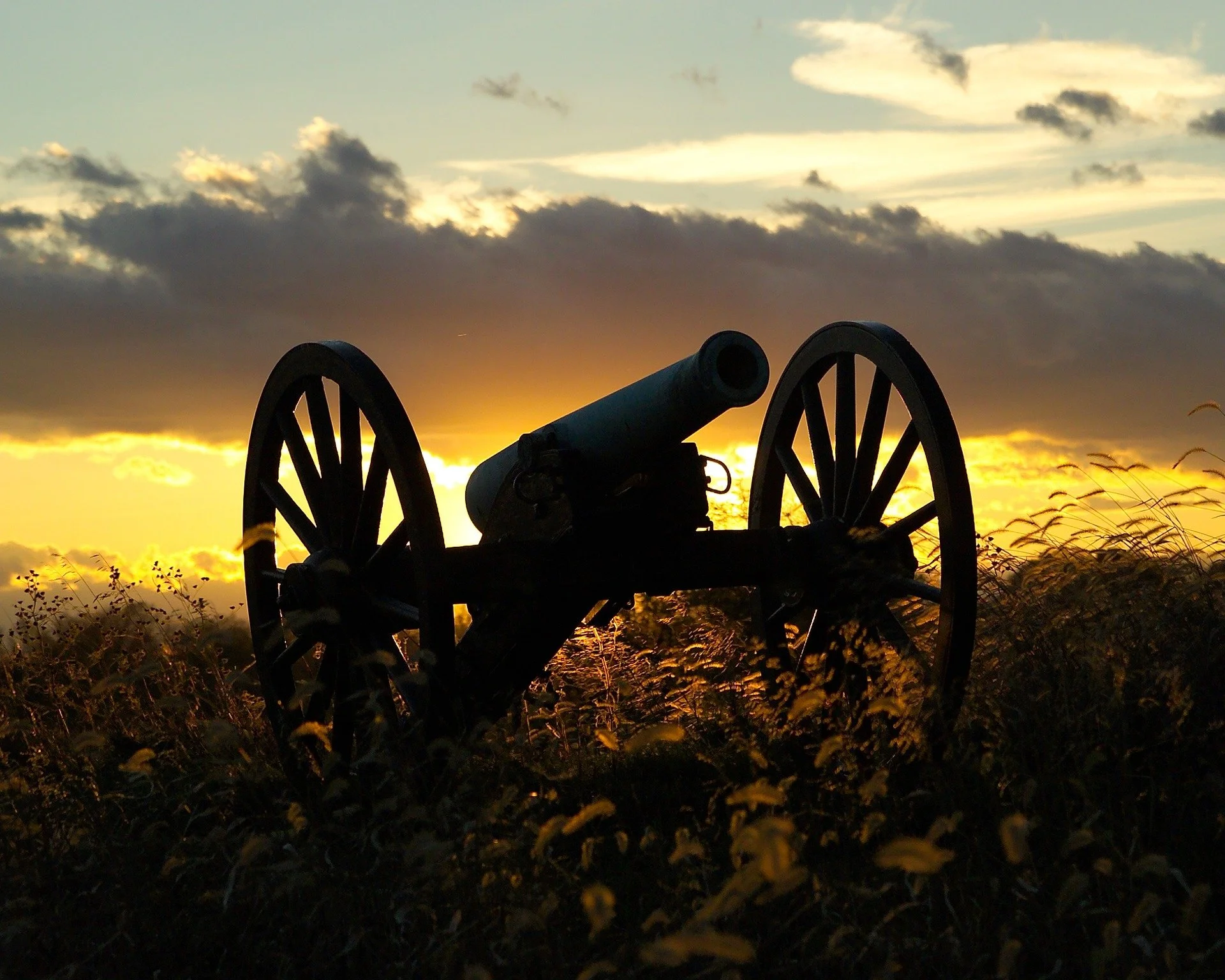
Ghost stories and hauntings Antietam’s combination of intense violence, mass casualties, and deeply personal loss has seeded a rich folk tradition of hauntings. Reports cluster around certain landmarks, old houses nearby, and the roads and fields themselves.
The Dunker Church area: The Dunker Church (reconstructed after being destroyed in the battle) and its surrounding fields are often cited in local lore. Visitors and staff have reported the feeling of sudden chills, unexplained footsteps, and the impression of figures moving among the trees at dusk. Some people report smelling tobacco, gunpowder, or floral scents in places where no obvious source exists — common sensory details in battlefield hauntings.
Bloody Lane (Sunken Road): This natural depression hosted some of the fiercest fighting and many casualties. Accounts describe a heavy, oppressive atmosphere, with visitors feeling emotionally overwhelmed or physically cold for no clear reason. Some individuals say they have seen or sensed figures lying in the road or moving toward them. Others report hearing distant cries, moans, or commands that evaporate when investigated.
Burnside’s Bridge: The stone bridge over Antietam Creek, where Union troops made repeated assaults, is another focus for stories. Bridge visitors sometimes describe a sense of being watched or the sense that the creek’s whispering contains voices. Occasional reports of shadowy figures seen near the water at twilight are part of local lore.
Old homes and barns near the battlefield: Several 18th- and 19th-century houses and farm buildings around Sharpsburg have their own tales. People staying or working in these structures have described footsteps, doors opening and closing, cold spots, and items apparently moved. Stories often center on the long memory of wounded soldiers cared for in field hospitals, or families who witnessed the battle and its aftermath.
Apparitions and period clothing: Commonly reported phenomena include full-bodied apparitions in period uniforms or dress, sometimes described as Confederate soldiers, Union soldiers, or civilians. Witnesses sometimes report faces or silhouettes appearing between trees or on roads at dusk.
Auditory phenomena: Beyond footsteps and voices, there are reports of commands called in old military tones, faint bugle calls, or the rattle of distant musketry. These auditory impressions are often transitory and localized.
Emotional residue and time slips: Many visitors describe not so much a distinct apparition but an intense emotional impression — overwhelming sadness, nausea, or a feeling of proximity to past suffering. Some fringe accounts describe “time slip” experiences, where visitors claim for a moment to glimpse the landscape as it appeared during the battle.
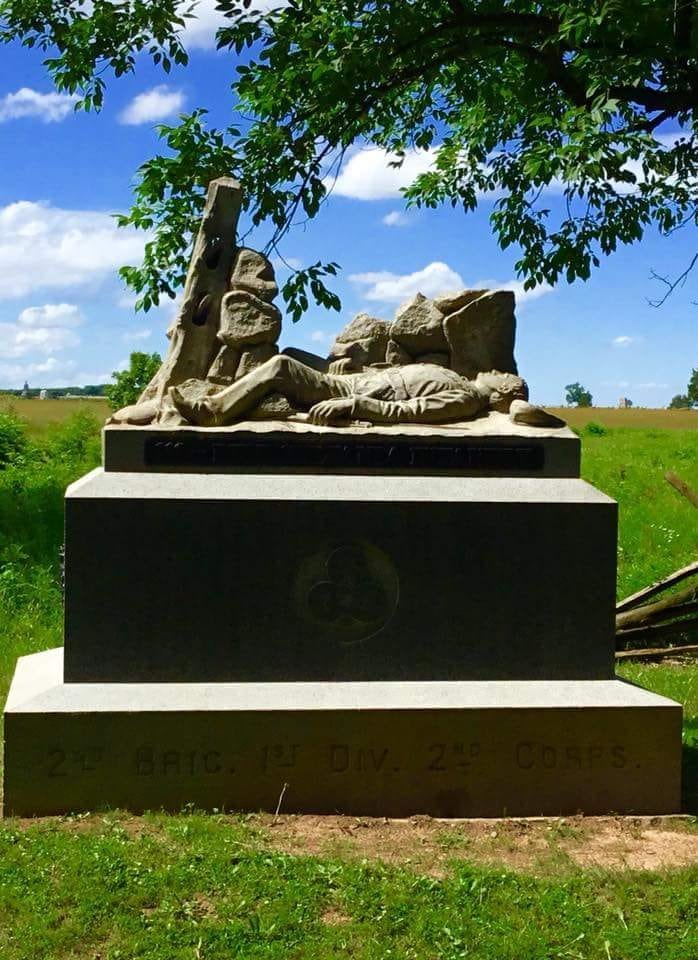
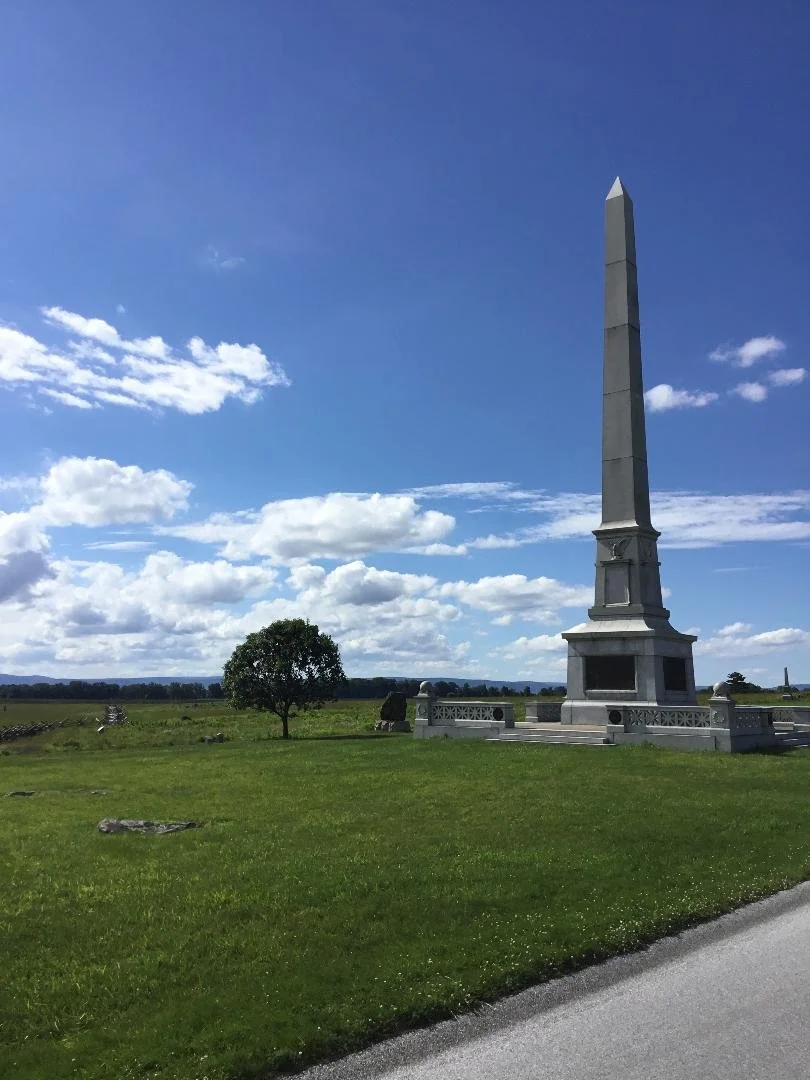
Gettysburg
Gettysburg National Military Park — the town, the battlefield, and the surrounding landscape — is one of America’s most iconic Civil War sites and a magnet for history lovers, paranormal tourists, and anyone who appreciates a good spine-tingle with their battlefield tour.
History
The Battle of Gettysburg (July 1–3, 1863) was the largest battle fought in North America and a crucial turning point in the American Civil War. Union forces under Maj. Gen. George G. Meade repelled Confederate Gen. Robert E. Lee’s invasion of the North.
Casualties were enormous: roughly 51,000 soldiers killed, wounded, captured, or missing over three days. The slaughter left a landscape strewn with bodies, broken artillery, and scorched earth — the kind of setting that breeds legends.
On November 19, 1863, President Abraham Lincoln delivered the Gettysburg Address at the dedication of the Soldiers’ National Cemetery on Cemetery Ridge. The brief but famous speech reframed the war as a struggle for a “new birth of freedom.”
After the war, battlefield preservation and remembrance became national priorities. Today the park includes monuments, markers, restored field lines, and preserved terrain that reconstructs the battle for visitors. The town itself grew around veterans, memorials, and tourism.
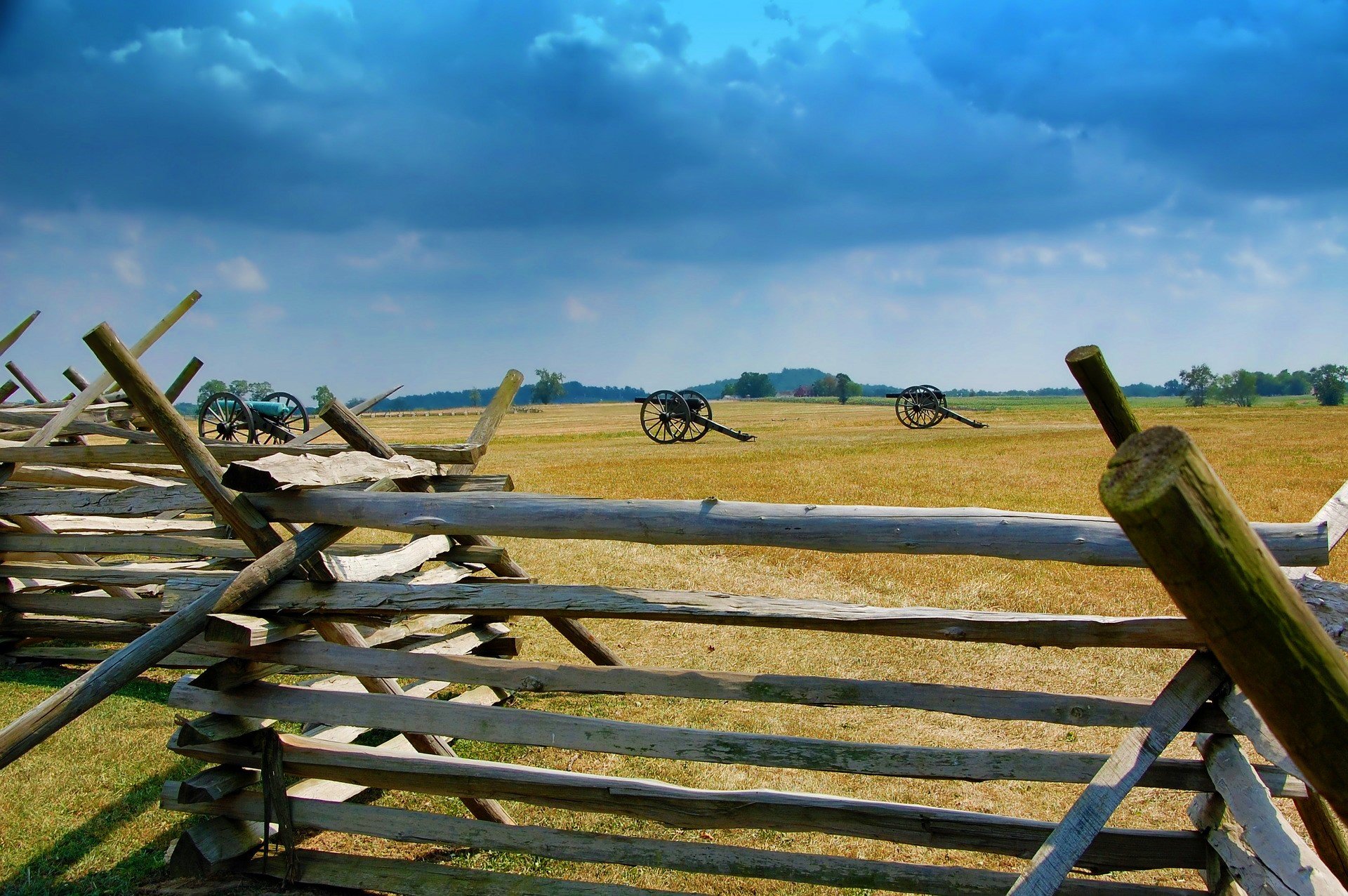
Well-known ghost stories and reported phenomena
Phantom Soldiers: One of the most common types of reports involves sightings of soldiers in period uniforms marching, lingering, or vanishing into trees and fields. Witnesses describe everything from translucent figures to fully-formed apparitions, sometimes accompanied by the smell of gunpowder or the sounds of distant musket fire.
Phantom Drums and bugle calls: Visitors and staff have reported hearing drums, fife music, and bugle calls with no visible source — the sounds sometimes coinciding with foggy conditions or late-night hours.
Horsemen on Cemetery Ridge: Several accounts describe lone riders crossing ridgelines or silhouettes of horses and riders that suddenly disappear. These are often linked to Confederate cavalry lore.
The Devil’s Den and Little Round Top: These rock formations have long been hotspots for strange experiences — people report cold spots, sudden dizziness, the sense of being watched, and apparitions. Because both locations saw intense close-quarters fighting, they attract many eyewitness reports.
The Gettysburg Museum and Visitor Center: Staff and some visitors have recounted unexplained footsteps, flickering displays, and the feeling of a presence near certain Civil War artifacts. Museums often collect hauntings as part of their lore.
Jennie Wade House: Jennie Wade, the only civilian killed during the battle, is central to local ghost stories. Some visitors to the house-turned-museum report cold spots, the impression of someone in the sewing room, or faint weeping. The tale of a civilian casualty adds an intimate, tragic element that people latch onto.
The Farnsworth House Inn: This historic inn (in the town of Gettysburg) is famous for its hauntings and is often featured in ghost tour circuits. Guests and staff report footsteps, shadow figures, and moving objects. The inn’s connection to the battle and soldiers passing through town makes its stories plausible to many visitors.
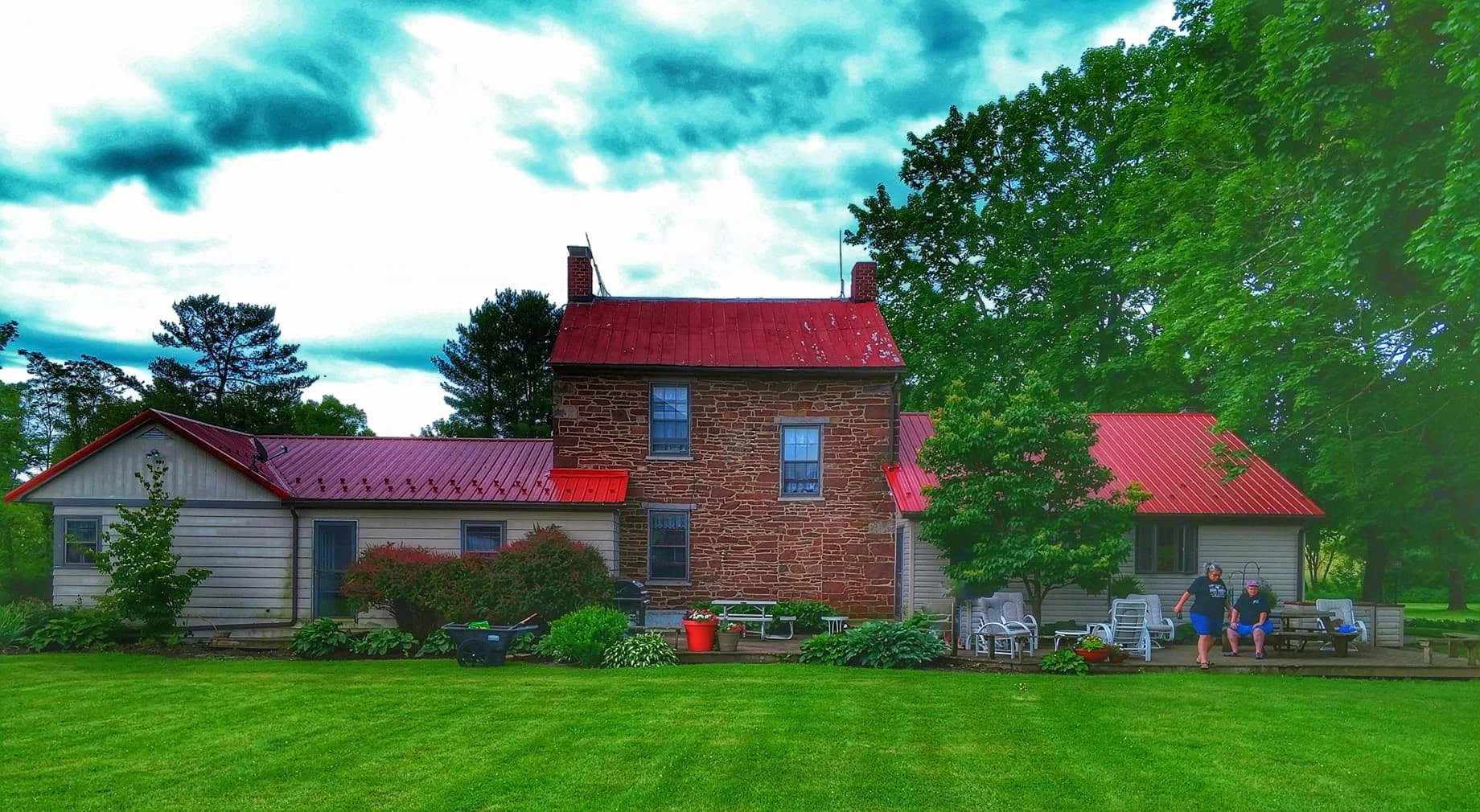
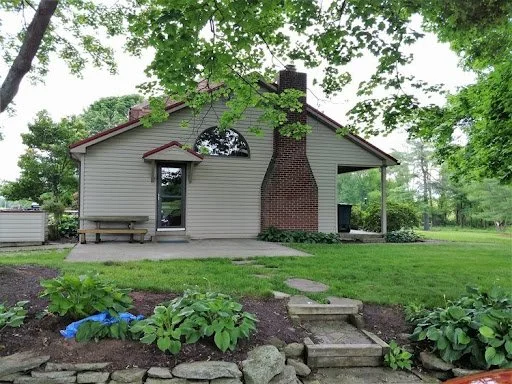
Eisenhower National Historic Site (nearby): While the farm is better known for Dwight D. Eisenhower’s presidency and personal history, some visitors report odd sensations and sightings on the grounds. Proximity to the battlefield contributes to the storytelling web.
Residual vs. Intelligent hauntings: Many investigators differentiate between residual hauntings — like a “loop” of past events replaying, often accompanied by sounds of battle — and intelligent hauntings, where people report interactions or responses. Gettysburg’s folklore includes both types.
Vicksburg National Military Park
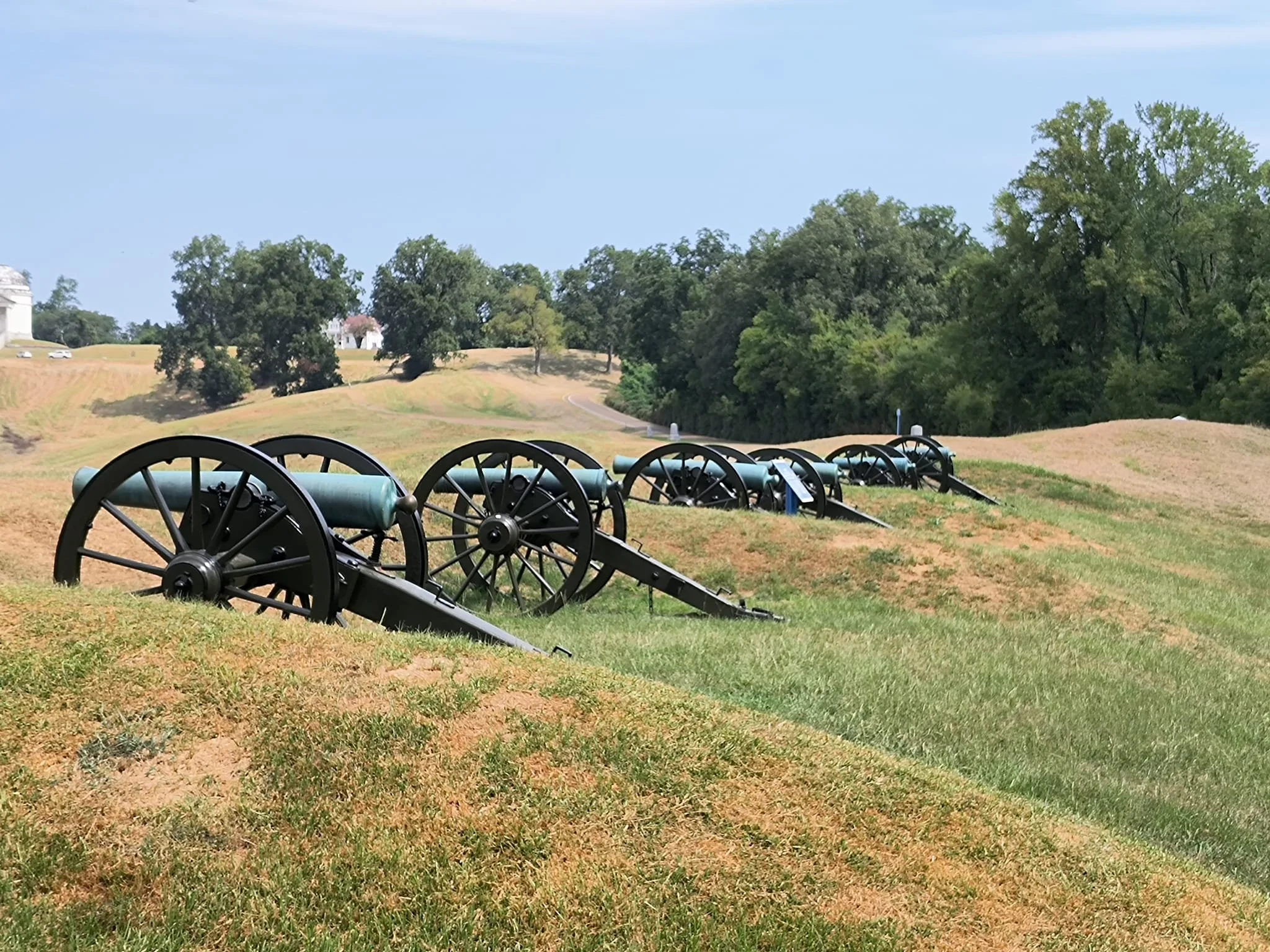
The site of one of the Civil War’s longest and most decisive sieges — is as much a place of memory and mourning as it is of military history. The landscape of ridges, trenches, artillery emplacements, and soldier cemeteries holds thick layers of grief, making it a natural focal point for reports of haunted encounters. Below is a concise guide to the battlefield’s history, the most persistent ghost stories, and where visitors often claim to experience the paranormal.
History: the battle and its aftermath
Strategic setting: Vicksburg, Mississippi, controlled a vital stretch of the Mississippi River. Capturing it split the Confederacy and gave the Union control of river traffic.
The siege (May 18–July 4, 1863): After several failed assaults, General Ulysses S. Grant settled into siege tactics. Confederate forces under Lt. Gen. John C. Pemberton were trapped in extensive fortifications on high ground. The city surrendered on July 4, 1863 — a turning point in the war.
Casualties and consequences: Thousands killed and wounded, countless homes destroyed, and civilians endured dire shortages. The national cemetery on the park grounds contains over 17,000 interments. The emotional weight of those losses informs many haunting narratives.
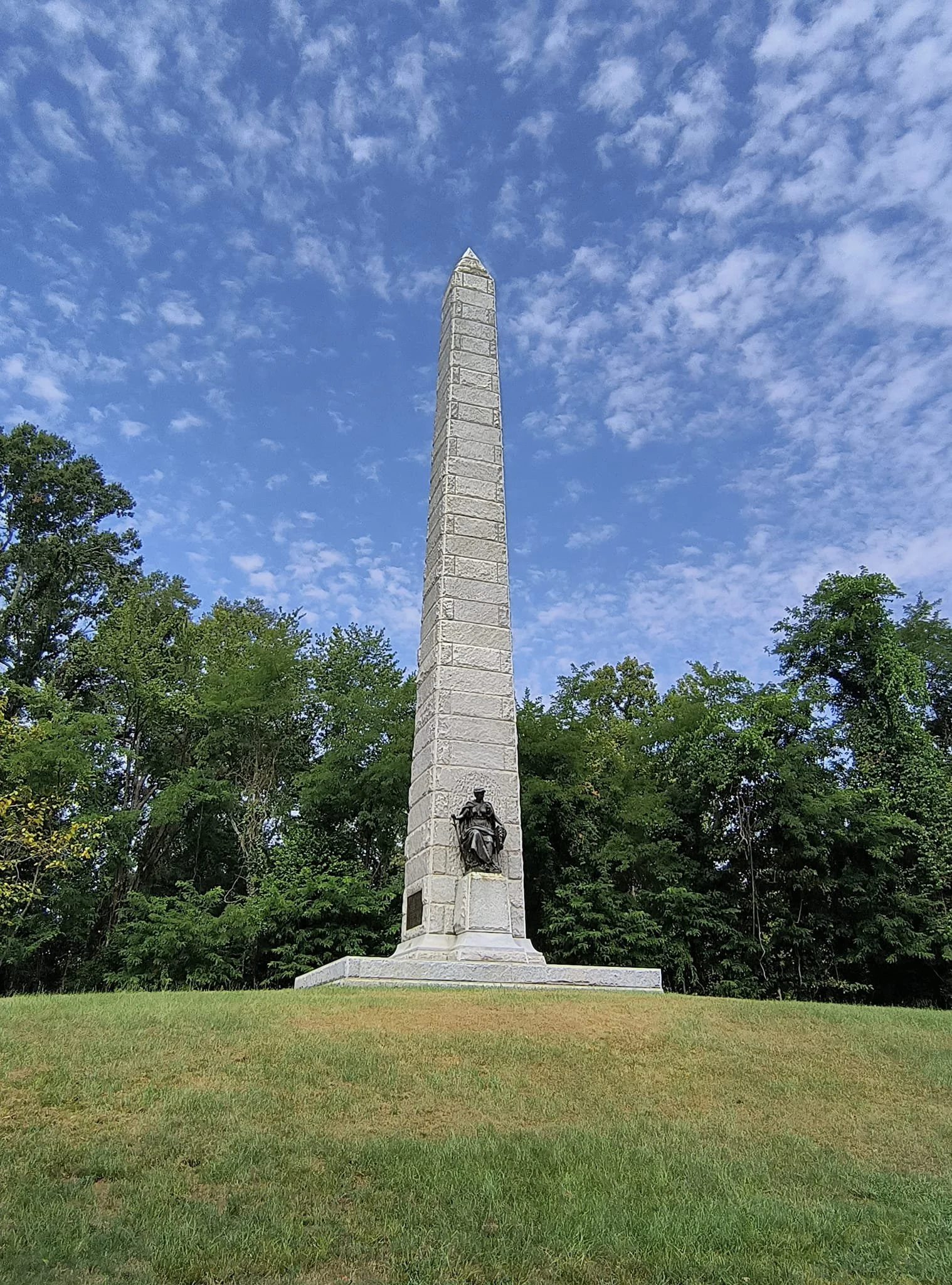
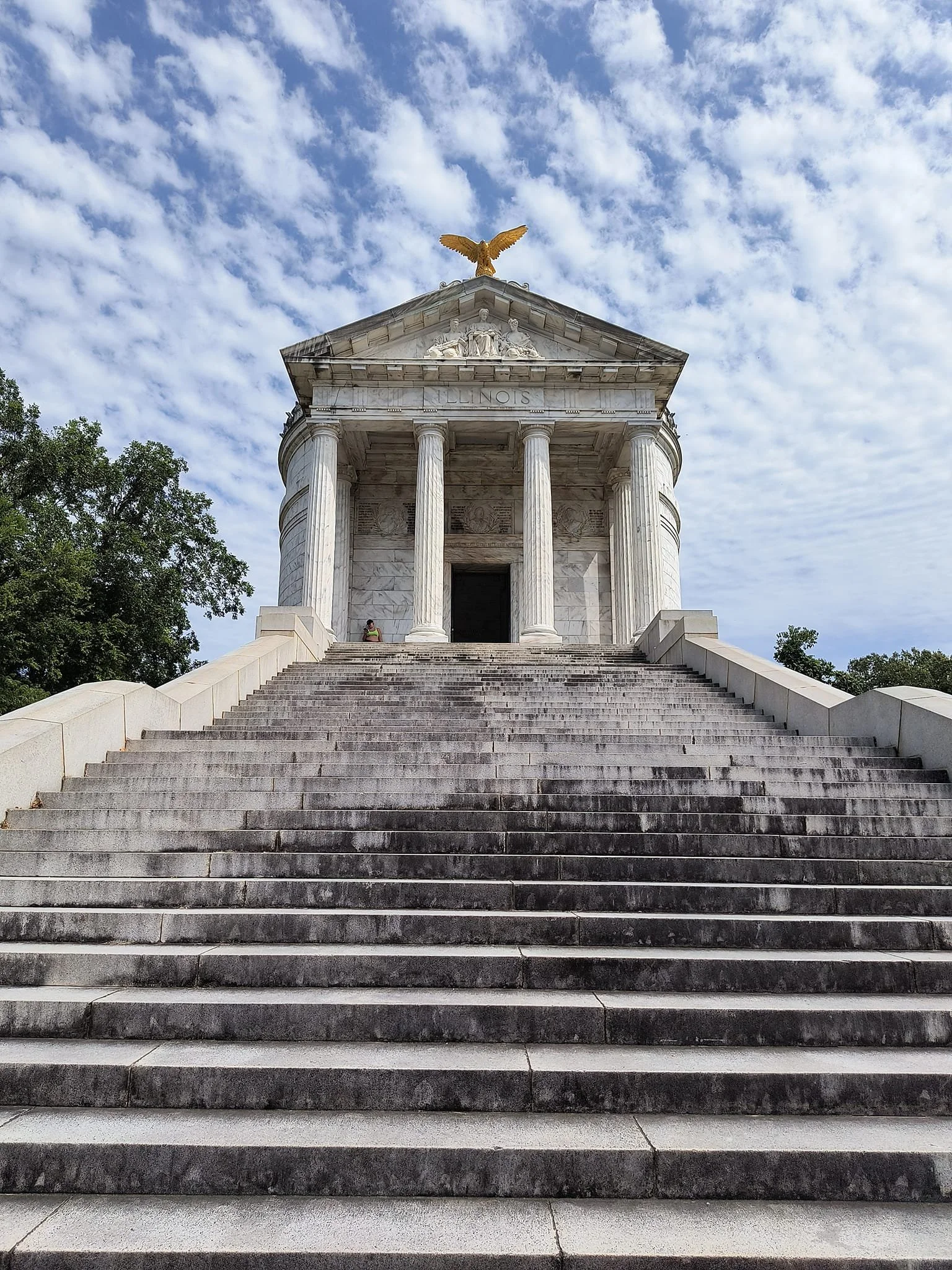
Postwar memory: The park was established to preserve monuments, earthworks, and the cemetery. Over generations the landscape accrued relics, stories, and commemorative rituals that keep the past alive.
Notable ghost stories and reported phenomena
Phantom drum and bugle calls: Visitors and rangers sometimes report hearing distant drums, bugle calls, or marching when no reenactments or ceremonies are occurring. The sounds are often described as faint and carried on the breeze, as if echoing from the siege lines.
Ghostly soldiers on the earthenworks: Witnesses have reported figures in Civil War uniforms walking along ridges and trenches, pausing at rifle pits, or vanishing as you approach. Some describe seeing two opposing shapes briefly face one another across no-man’s-land before disappearing.
Weeping and muffled cries near the National Cemetery: Near the burial grounds, visitors sometimes hear soft sobbing or the muffled sound of mourning. These noises are attributed to the grief that never left the place.
Cold spots and sudden temperature drops: Ghost hunters and casual visitors report localized cold patches on otherwise warm days — often near key features like Battery Powell or Fort Hill.
Floating lantern or orbs: On moonlit nights, some claim to see small lights drifting along historic roads and trails. Interpretations vary from lantern-bearing soldiers to natural insects/reflective phenomena — but many prefer the eerie explanation.
Apparitions of medical scenes: Close to locations that served as field hospitals, witnesses have told of seeing stretcher-bearers and wounded men, or the sensation of being watched by someone in pain. These accounts are often accompanied by smells remembered as iron or antiseptic.
The “sentry” on the bluffs: One recurring tale mentions a solitary figure standing rigidly along a ridge or parapet as if keeping watch. When a visitor circles to view him, he’s gone, leaving disturbed vegetation but no footprints.
Where reports cluster (for visitors)
Confederate and Union earthworks: The preserved trenches and rifle pits near the main siege lines are frequent sites of reported sightings.
The National Cemetery and monument clusters: Emotional testimony and auditory phenomena are most commonly claimed here.
Fort Hill and Battery locations: Elevated points where heavy fighting or artillery placement occurred often draw reports of apparitions and sounds.
Old roadways and trails: Where troop movements funneled during the siege, people sometimes see shadowy figures or fleeting lights.
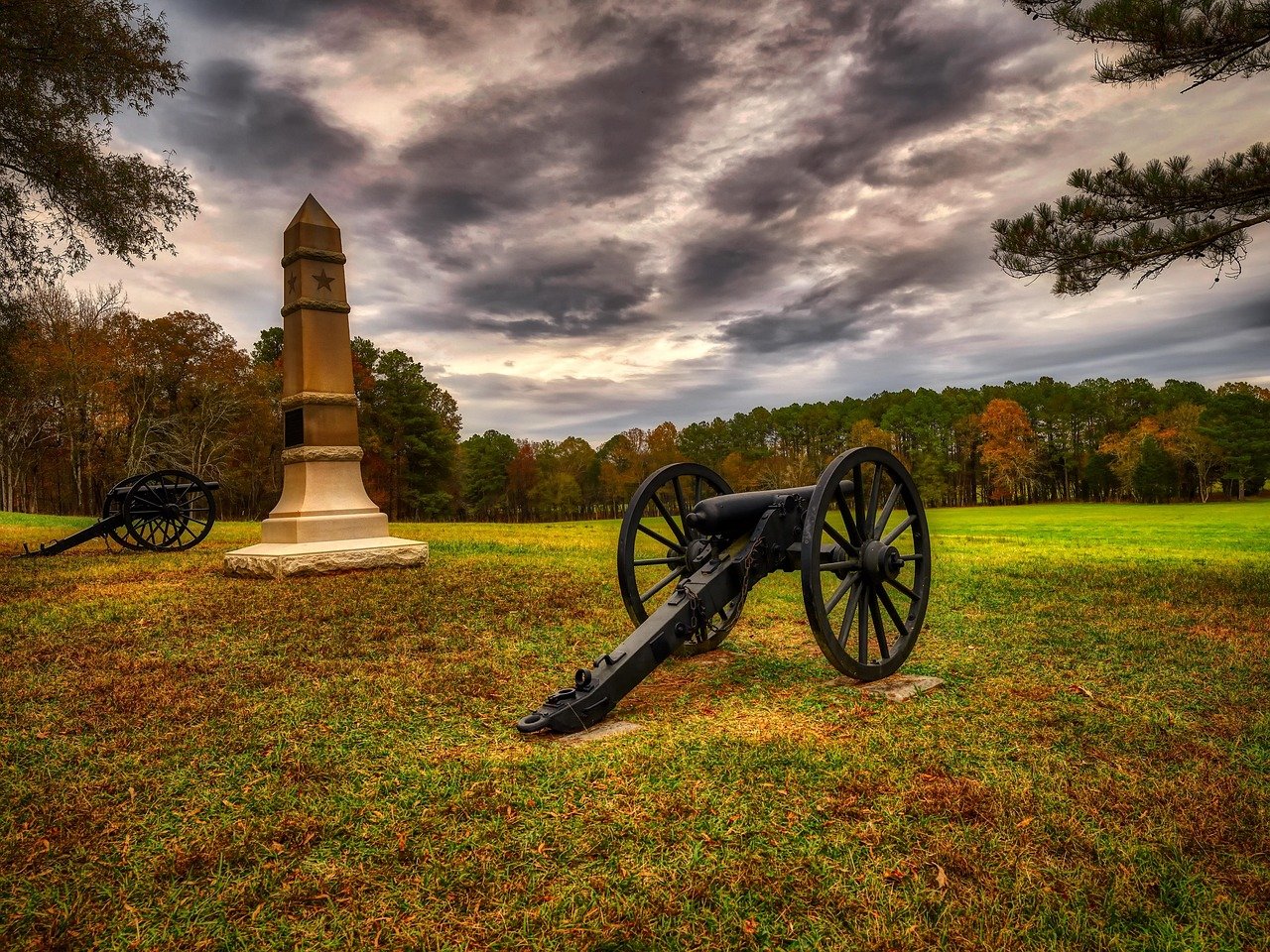
Chickamauga & Chattanooga Battlefields: history, ghost stories, and hauntings
Chickamauga and Chattanooga are siblings in blood and smoke — pivotal Civil War campaigns in late 1863 that decided control of southeastern raillines and opened the Deep South to Union invasion. Today their battlefields, forts, and townscapes carry layers of military strategy, civilian upheaval, and persistent legend. If you like your travel with measured doses of history, sorrow, and spectral ambiance, these sites deliver.
Quick historical overview
Strategic context: After the Union’s capture of Forts Henry and Donelson and the fall of Nashville, Union Maj. Gen. William Rosecrans advanced into northern Georgia in summer 1863. The objective: secure Chattanooga, a railroad hub and gateway to the Deep South. Confederate Gen. Braxton Bragg withdrew south to regroup, culminating in the Battle of Chickamauga (September 19–20, 1863), near the Tennessee–Georgia line. It was one of the war’s bloodiest engagements and the Confederacy’s most significant victory in the Western Theater.
Chickamauga (Sept. 19–20, 1863): Union forces under Rosecrans were driven back to Chattanooga after fierce fighting in dense woods and over rough terrain. The Union line famously broke because of a miscommunication and a gap exploited by Confederate troops under Lt. Gen. James Longstreet. Casualties were enormous for both sides — roughly 34,000 combined — and the retreat left Union forces besieged in Chattanooga.
Chattanooga Campaign (Nov. 23–25, 1863): Reinforced by Ulysses S. Grant and troops under Maj. Gen. George H. Thomas and Maj. Gen. Joseph Hooker, the Union forces lifted the siege. The battles for Lookout Mountain and Missionary Ridge routed Bragg’s army; Thomas’s resolute defense at Chickamauga earned him the nickname “Rock of Chickamauga.” The victories opened the way for Sherman’s Atlanta Campaign and the March to the Sea.
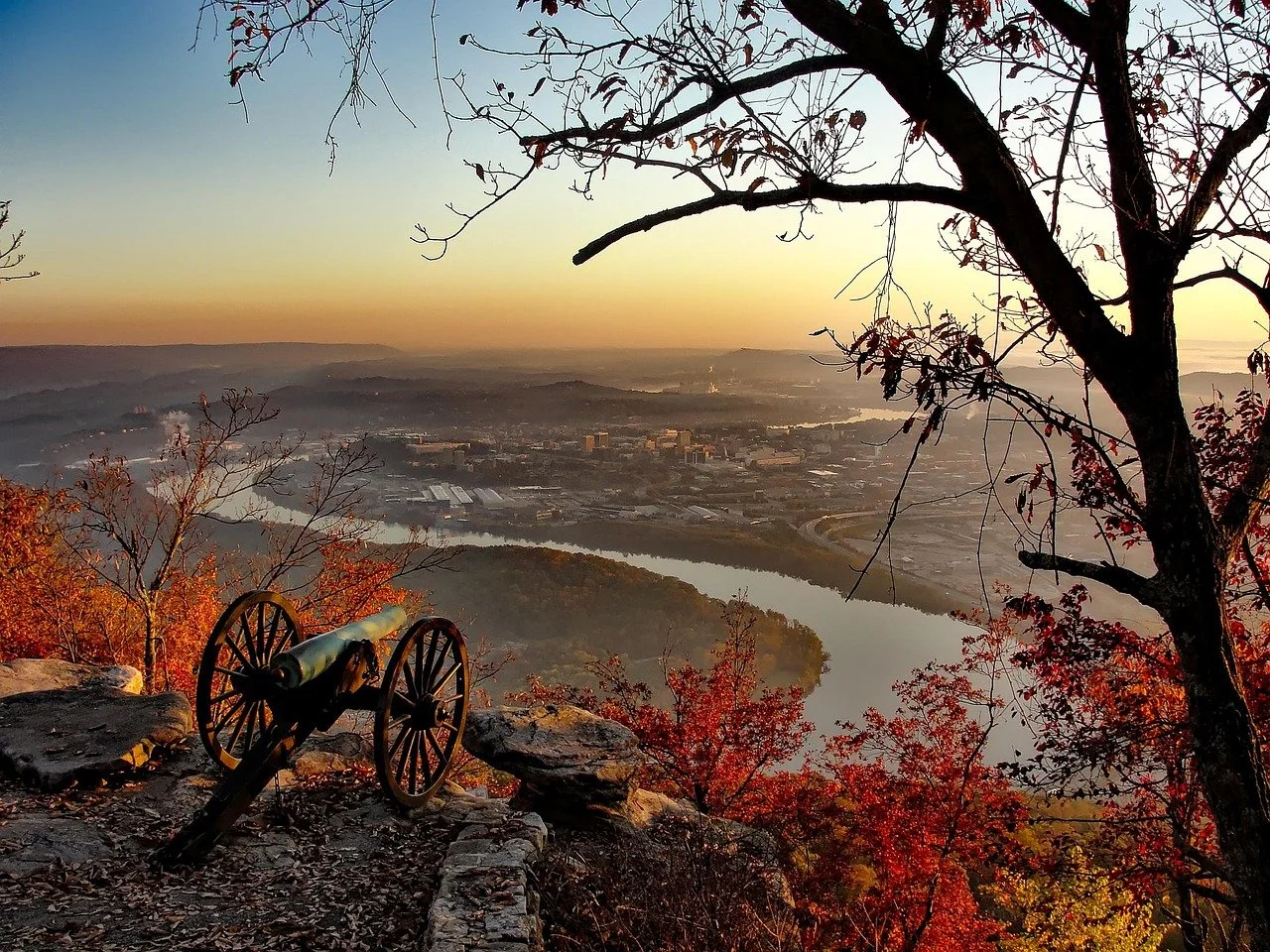
Landscape and preservation: Chickamauga and Chattanooga National Military Park (established 1890) is America’s oldest and one of the most intact Civil War parks. Walk the MacArthur Meadow, stand on Missionary Ridge, or climb Lookout Mountain — the ground still remembers.
Ghost stories and reported hauntings
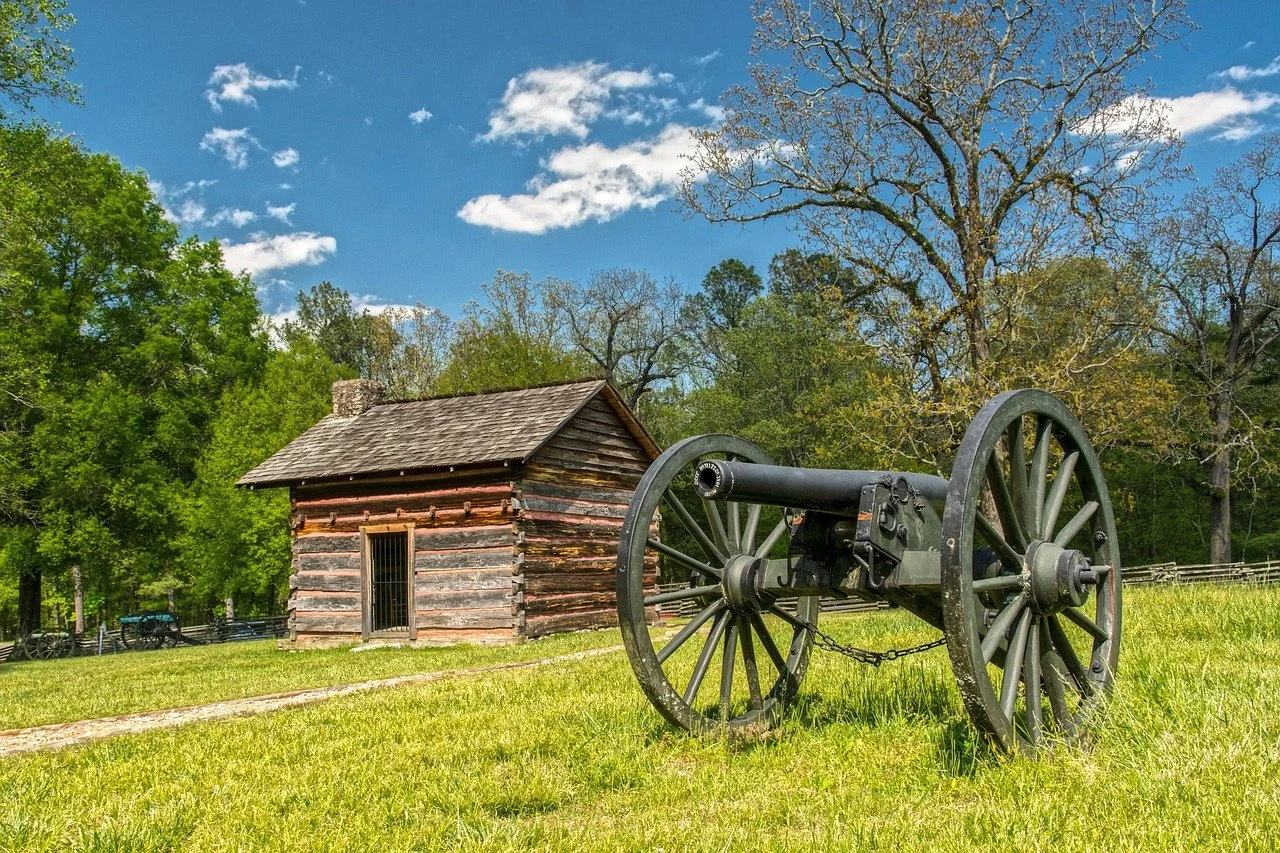
Ghost stories around these sites blend battlefield trauma, lingering soldierly presences, tragic civilian losses, and Civil War-era medicine’s grim aftermath. Local lore, oral testimony, and a few documented eerie incidents keep the legends active.
Chickamauga Battlefield
Soldierly apparitions: Visitors and rangers report seeing figures in gray and butternut uniforms walking through the woods or standing silently in meadows at dawn. These apparitions often appear near the Brotherton Farm, Snodgrass Hill, and the MacArthur Meadow — places of intense fighting and mass casualties.
Phantom sounds: Witnesses have described hearing distant cannon fire, muffled drum rolls, or the clank of bayonets on quiet mornings and late evenings when no reenactments or ceremonies are scheduled. Some say the sounds fade when approached.
Smells and sensations: People often report sudden drops in temperature, the smell of cordite or sulfur, and the metallic scent of blood near certain ridge lines — sensory impressions interpreted as echoes of violent death.
The Weary Camp: Camp areas and bivouac sites around the park sometimes yield stories of soldiers lingering in the twilight — weary, hungry, and unable to fully leave. These are typically seen as fleeting silhouettes who disappear when looked at directly.
Lookout Mountain (part of the Chattanooga battlefield complex)
Ghostly vistas: Lookout Mountain’s “Battle Above the Clouds” (Nov. 24, 1863) produced dramatic fighting in fog and heights. Hikers and visitors sometimes report shadowy figures on trails and in rock outcrops, inexplicable cold drafts, and the sense of being watched from above.
Haunted houses and hotels: Historic residences and old inns on the mountain have their own stories — rooms that feel “heavy” with emotion, footsteps in empty hallways, and objects moved or found in new places. Many of these accounts are consistent with classic hauntings: intermittent, localized, and tied to specific rooms or staircases.
Civilian echoes: Chattanooga and Lookout Mountain sheltered civilians, hospitals, and refugee tents. Some stories tell of weeping women, nurses, or children glimpsed near former hospital sites, presumably echoes of noncombatant suffering.
Missionary Ridge
Spectral charges: Missionary Ridge’s uphill Union assault produced intense, chaotic close combat. Visitors report shadowy ranks running up the slope, phantom cheers,
Shiloh Battlefield
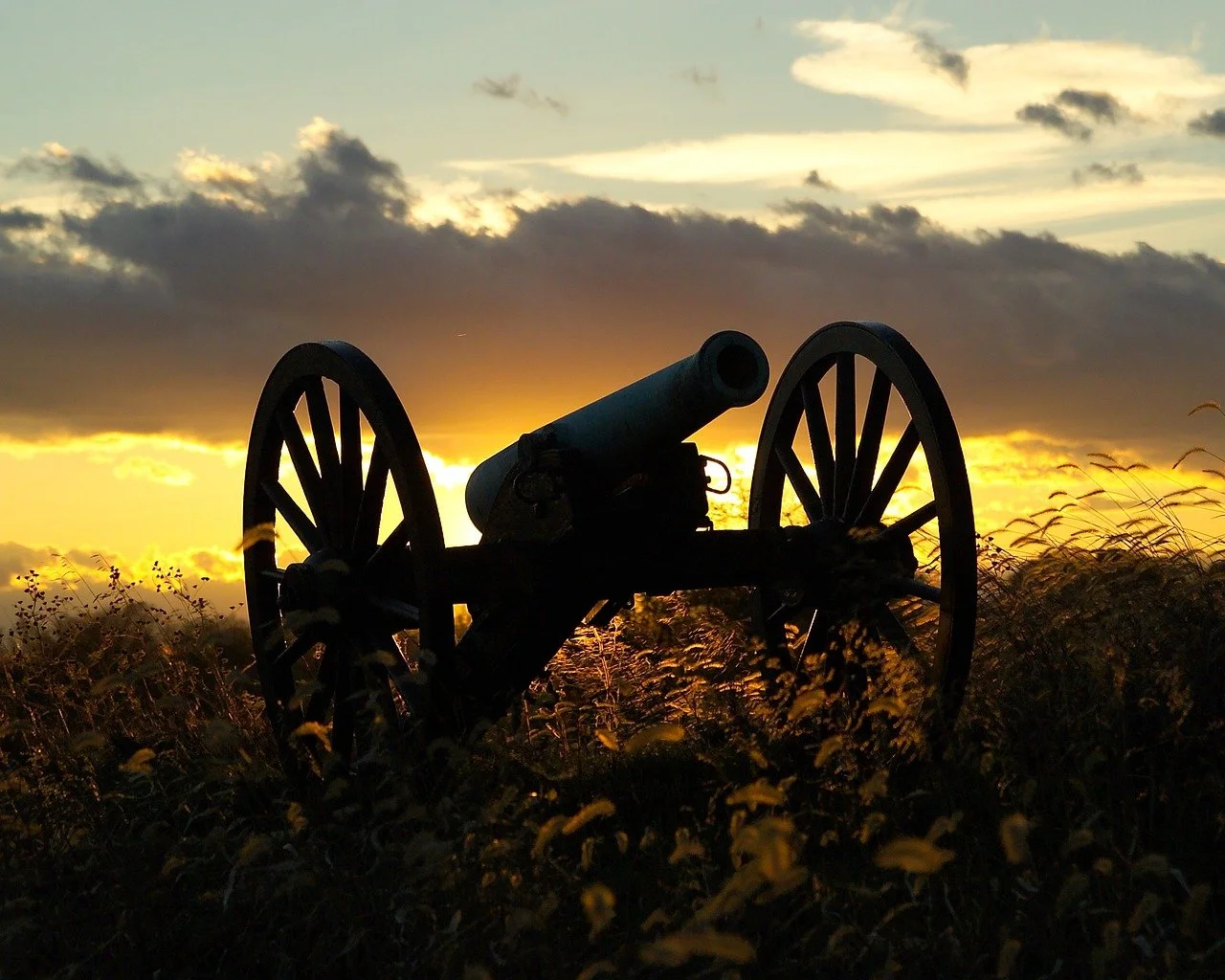
Shiloh National Military Park (Tennessee) preserves the site of one of the American Civil War’s bloodiest battles, fought April 6–7, 1862. Located near Pittsburg Landing on the Tennessee River, the battlefield covers rolling woods, ridges, and creek bottoms where Union and Confederate forces collided in a brutal, chaotic engagement that produced nearly 24,000 total casualties. The Union Army under General Ulysses S. Grant held the riverfront, while Confederate forces under Generals Albert Sidney Johnston and P. G. T. Beauregard launched a surprise morning assault. The first day saw Confederate gains until Johnston was mortally wounded; the second day brought Union counterattacks that reclaimed ground and forced a Confederate withdrawal. The battle’s scale and sudden ferocity made Shiloh a turning point in both military tactics and public perception of the war’s cost.
Key historical points
Date and commanders: April 6–7, 1862. Union — Ulysses S. Grant and William T. Sherman among others. Confederates — Albert Sidney Johnston (killed on April 6) and P. G. T. Beauregard.
Casualties: Around 3,500 killed, 17,000 wounded, and thousands missing or captured; total casualties near 24,000.
Strategic outcome: Union strategic victory that kept control of the Tennessee River and opened the way deeper into the South, but it also signaled the war would be longer and bloodier than many expected.
Landscape: Important sites include Pittsburg Landing, the Hornet’s Nest (a fiercely contested Union position), Shiloh Church (a small log church used as a landmark and field position), and the Peach Orchard. The park preserves earthworks, monuments, and soldiers’ graves.
Aftermath: The battle prompted changes in medical care, battlefield logistics, and public debate. The dead were buried in mass graves then later reinterred; a national cemetery was established.
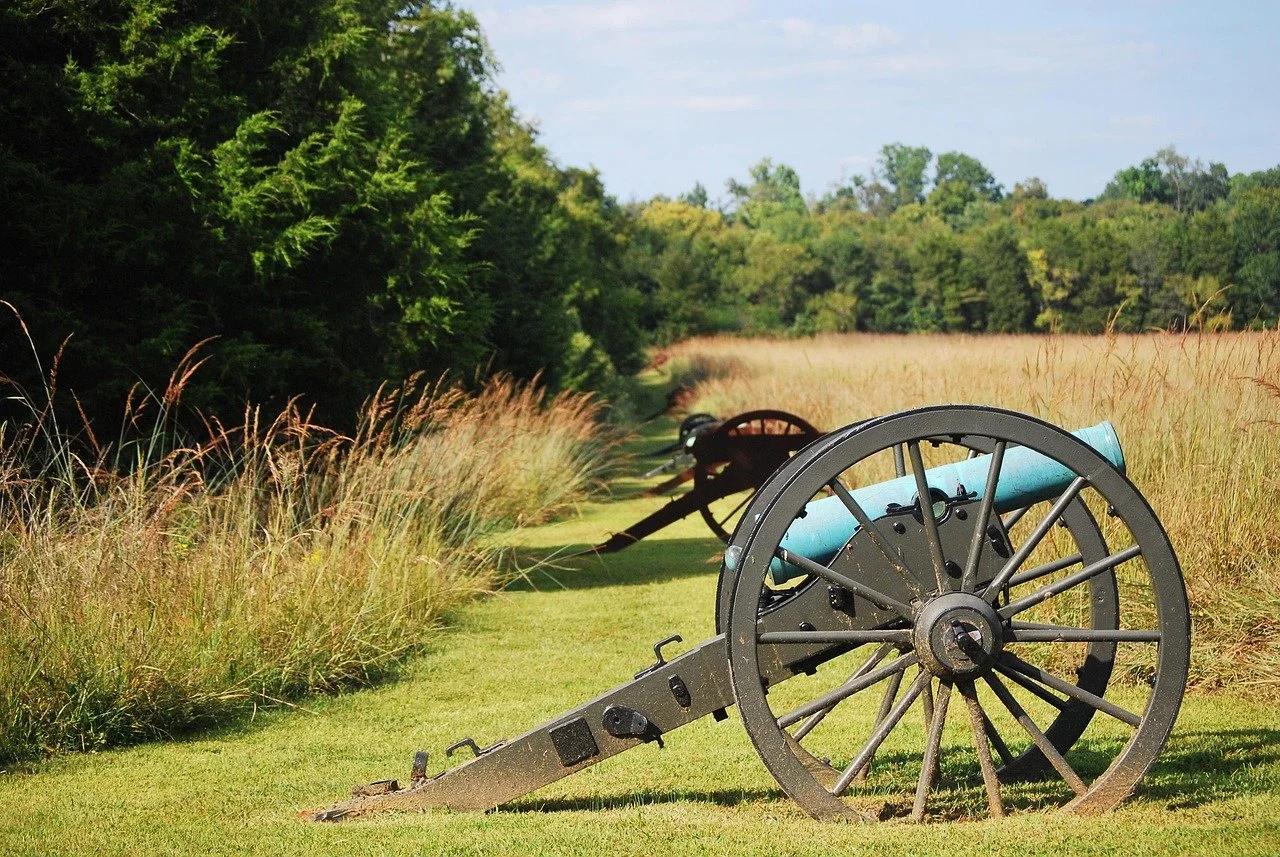
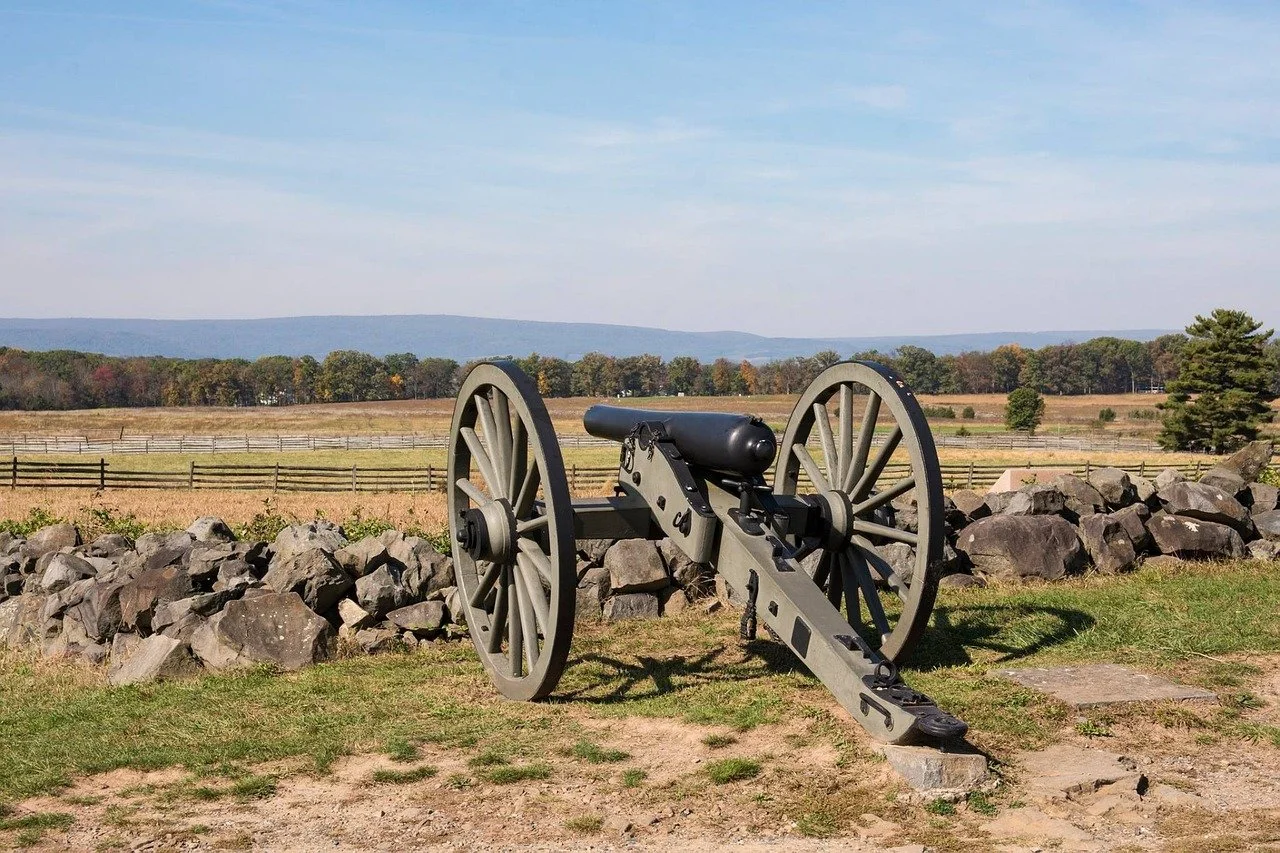
Ghost stories and reported hauntings The sheer violence and quick deaths at Shiloh have fostered a rich tradition of ghost stories. Accounts vary from subtle sensations to full-bodied apparitions. Stories often focus on specific locations within the park, where visitors and volunteers report strange experiences.
Pittsburg Landing
Cold spots and air pressure changes: Visitors along the riverbank and near campsites report sudden, unexplained chill pockets and the feeling of someone passing close by when no one is there.
Phantom camp noises: Some visitors have reported hearing muffled voices, marching, and the creak of wagons at night, especially near the battlefield’s restored roads and camping areas.
Shiloh Church
Apparitions: Witnesses describe seeing a lone figure or multiple figures near the church at dusk — sometimes an officer or a soldier in gray or blue standing silently beside the building or on the path.
Prayerful presence: On several accounts, people report a sudden sense of solemnity and the aroma of incense or tobacco where there is no obvious source — sensations interpreted as residual memory of the prayerful moments and makeshift field hospitals that once occurred there.
Hornet’s Nest
Auditory phenomena: The Hornet’s Nest, where Union troops held desperate ground under intense fire, attracts reports of repeated gunfire and short, single blasts resembling musketry. These are typically heard at dawn or dusk, low and distant.
Shadowy movement: People walking the sunken lanes of the Hornet’s Nest area sometimes describe the sensation of being watched and seeing fleeting shadows dart between trees — too quick and indistinct to be wildlife.
Peach Orchard and Sunken Roadways
Smells and metallic tang: Several visitors report a sudden metallic scent like blood along the sunken lanes and orchard areas. The experience usually lasts seconds and is accompanied by emotional heaviness.
Soldierly figures: At the orchard and along old roads, observers have claimed to glimpse uniformed soldiers who step out from behind trees and then vanish as you approach.
Personal experiences and oral tradition
Park staff and reenactors: Long-time employees and reenactors often tell of hearing boots in empty camps or seeing lantern-like lights between monuments late at night. Some volunteers say they won’t walk alone through certain wooded sections after dark.
Tour groups: Ghost-hunting tours and nighttime walks have collected personal testimonies — sudden pains, inexplicable drops in temperature, and emotional surges when standing at particular markers (often where high death counts were recorded).
********************
Battlefields offer the experience of living through a tiny remembrance of history, and learning the layers of strategy, sacrifice, and human drama. Many sites report lingering apparitions, phantom drums, unexplained lights, and soldiers who march when no one’s watching. Battlefields are good for dark tourism travelers who want meaningful experiences: history, storytelling, and a bit of the otherworldly. Are you ready to visit one of the many battlefields in the USA?
Make this beautiful day count!
Annette