
Trail of Terror: 20 Haunted Hikes Across America, Part 2
There's a particular kind of quiet that settles over a trail once the sun starts dropping behind the ridge…..the kind that makes you understand, on some animal level, why people have been telling ghost stories about the woods since before there were trails at all. America's wild places are layered with history: battles, vanished mining towns, drownings, and centuries of folklore borrowed and reshaped by whoever walked through next. Lace up your boots, bring a headlamp with fresh batteries, and don't linger past dusk- here are 10 hiking trails across the country where the scenery comes with company.
A quick note before you go: many of these trails will take you through real cemeteries, battlefields, and disaster sites. Treat them with the same respect you'd want shown to your own history, pack out what you bring in, and always check current park regulations and weather before you hike.
………..here’s the conclusion to the Trail of Terror: 20 Haunted Hikes Across America, Part 1.
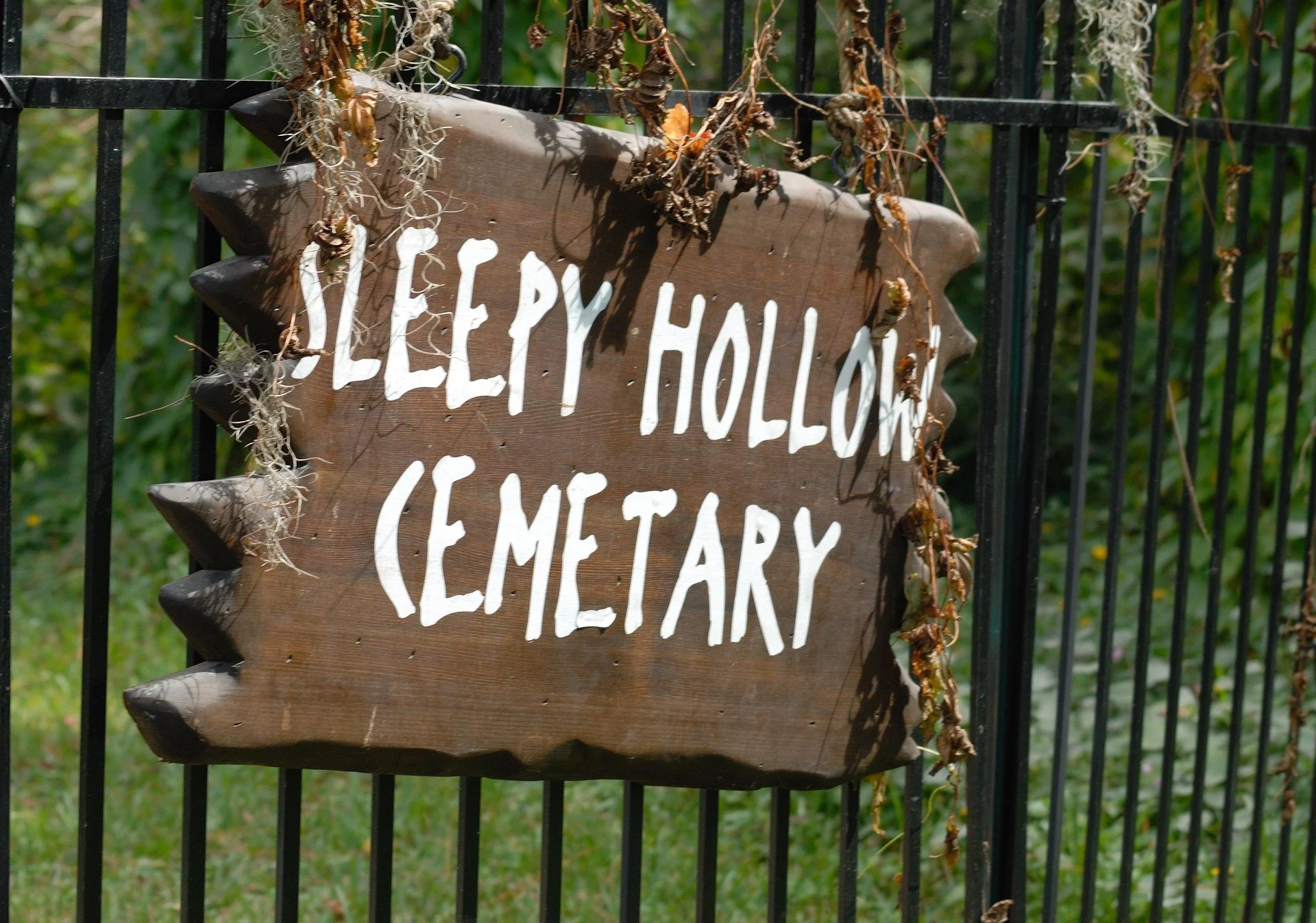
11. Headless Horseman Bridge Trail - Rockefeller State Park Preserve, Sleepy Hollow, NY
Washington Irving’s 1820 tale made this stretch of the Hudson Valley famous, but the ground underneath it was already loaded with folklore before he ever picked up a pen. Spook Rock, a large boulder still visible along the preserves trails is believed to carry its own spiritual weight. It was a Native American ceremonial site long before Europeans settled here. Around 1770, a German healer named Hulda settled near the rock; locals whispered “witch,” even as they quietly relied on the herbal remedies she left at their doors. During the Revolutionary war, Hulda reportedly joined the local militia and used her marksmanship to draw a British raiding party away from Tarrytown, dying of her wounds and finally earning a grudging burial at the Old Dutch Church Cemetery.
Historians now think Hulda’s story, along with the Revolutionary War violence that scarred this stretch of the Hudson, fed more directly into Irving's headless horseman than any single documented ghost. Whatever the source, the bridge and mill pond in the preserve remain the pilgrimage site for anyone chasing the legend, and visitors report cold spots crossing the water, hoof beats on the gravel with no rider in sight, and — near Spook Rock itself — a heaviness in the air that long-time locals attribute to the ground’s much older history, long before anyone told the story about a horseman at all.
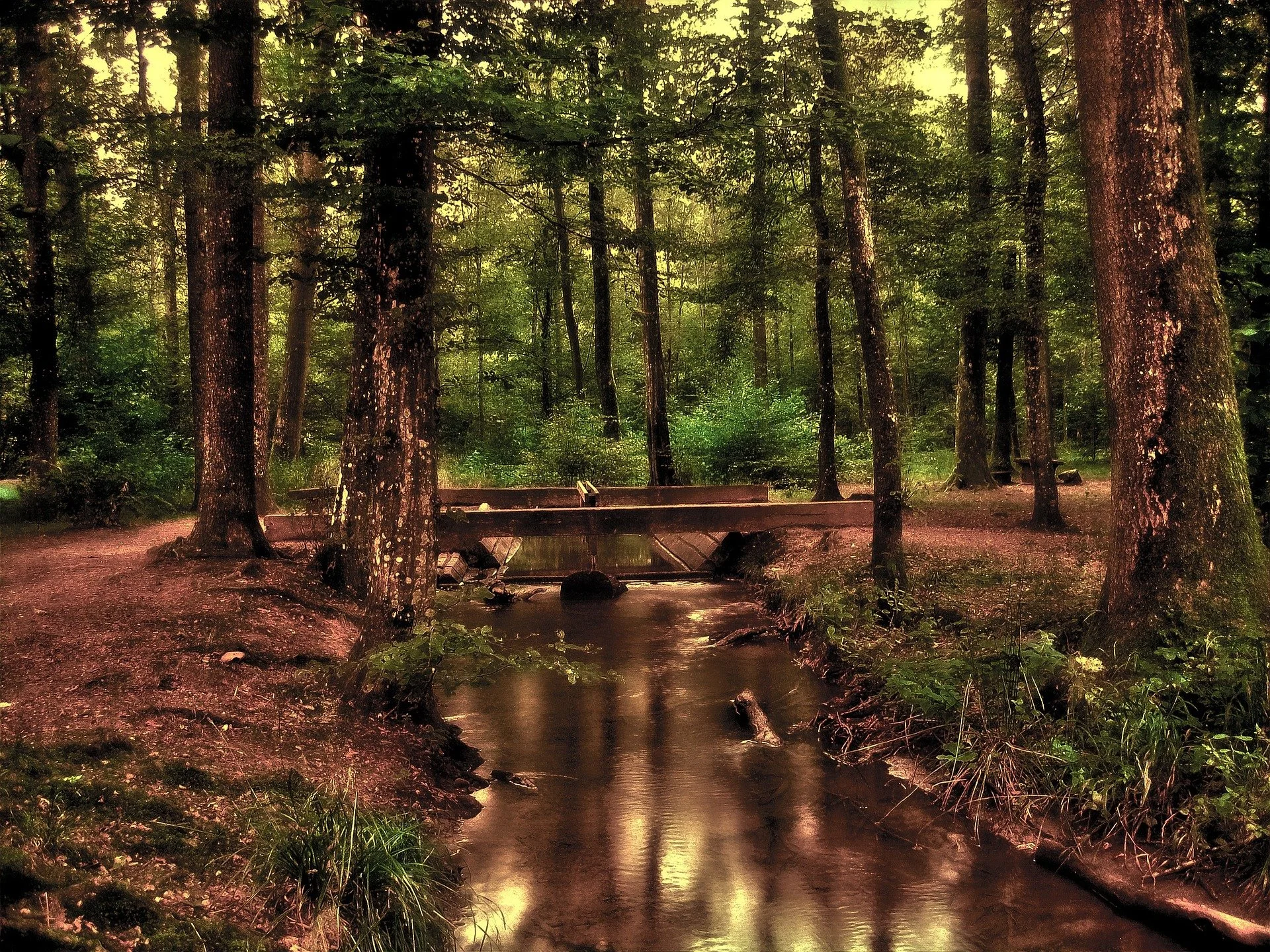
12. Devil's Tramping Ground- Chatham County, NC
10 miles outside Siler City sits one of the odder pieces of ground in the American South: a bare, foot wide path forming a near perfect circle, roughly 40 ft across, with only wiry, stunted grass inside it and nothing growing on the path itself (sounds like Hoia Baciu Forest in Romania, doesn’t it?). Regional folklore has one explanation: the devil paces this exact circle every nigh, and anything left inside the ring overnight — sticks, tools, camping gear — is mysteriously gone by morning. Attempts to transplant the strange grass elsewhere have allegedly always failed.
Another version roots the site in older history: some connected to native American ceremonial dances that once cleared the same ground, and tie it to the Lost colony and a fallen tribal Chief supposedly buried beneath the circle. The most sober (and boring?) explanation comes from State agricultural surveyors, who found the path sits on top of soil with an unusually high salt content — likely the remains of a natural salt lick that kept the ground bare for reasons entirely their own. Sober or not, generations of North Carolinaians have camped their specifically to test the devil's patience, and enough of them have come back with a story to keep the legends circling right along with him.
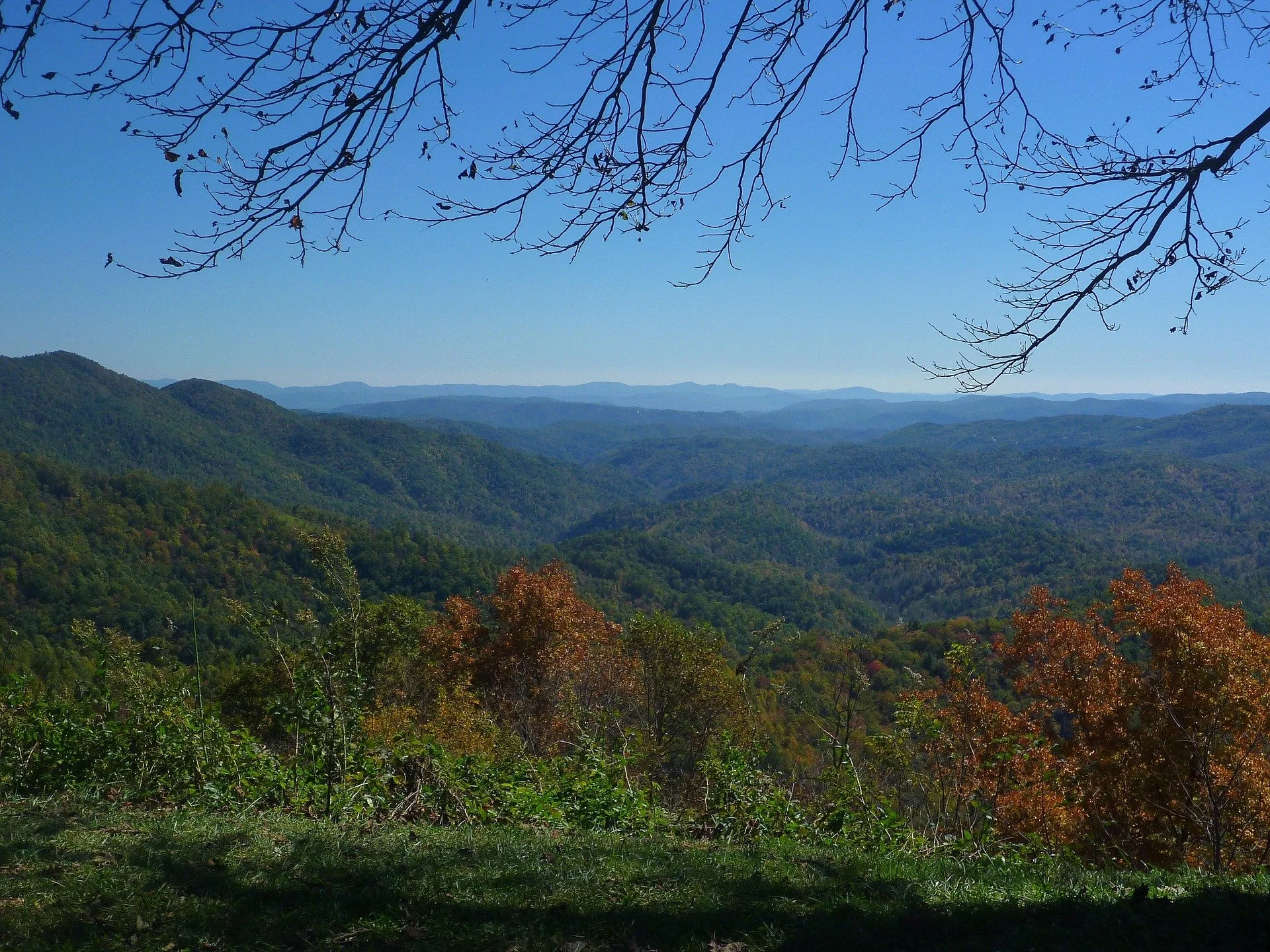
13. Wiseman's View Trail — Brown Mountain, Linville Gorge, NC
For more than a century, people gathered at the overlooks like Wiseman's View have observed unexplained lights, drift, hover, and fade over Brown Mountain in the gorge below — glowing orbs with no obvious source, first documented around in the early 1900s (sounds like the Marfa Lights, right?). In 1922, a US geological survey scientist investigated with mapping and telescope equipment and concluded the lights were almost certainly trai headlamps, car lights, or even brush fires.
The science didn't kill the story though. Storytellers who came after Mansfield's debunking layered in a native American legend first published in 1938 — which folklorists say was simply invented by white writers decades after the fact — followed by a 1936 ghost tale about murdered residents, then a Civil War soldier version, a Revolutionary War version, and finally, a UFO explanation. It's a rare case where you can watch a legend visibly evolve to match each decades appetite — which doesn't make standing at Wiseman's View after dark, watching an unexplained light hang over the gorge, feel any less strange.
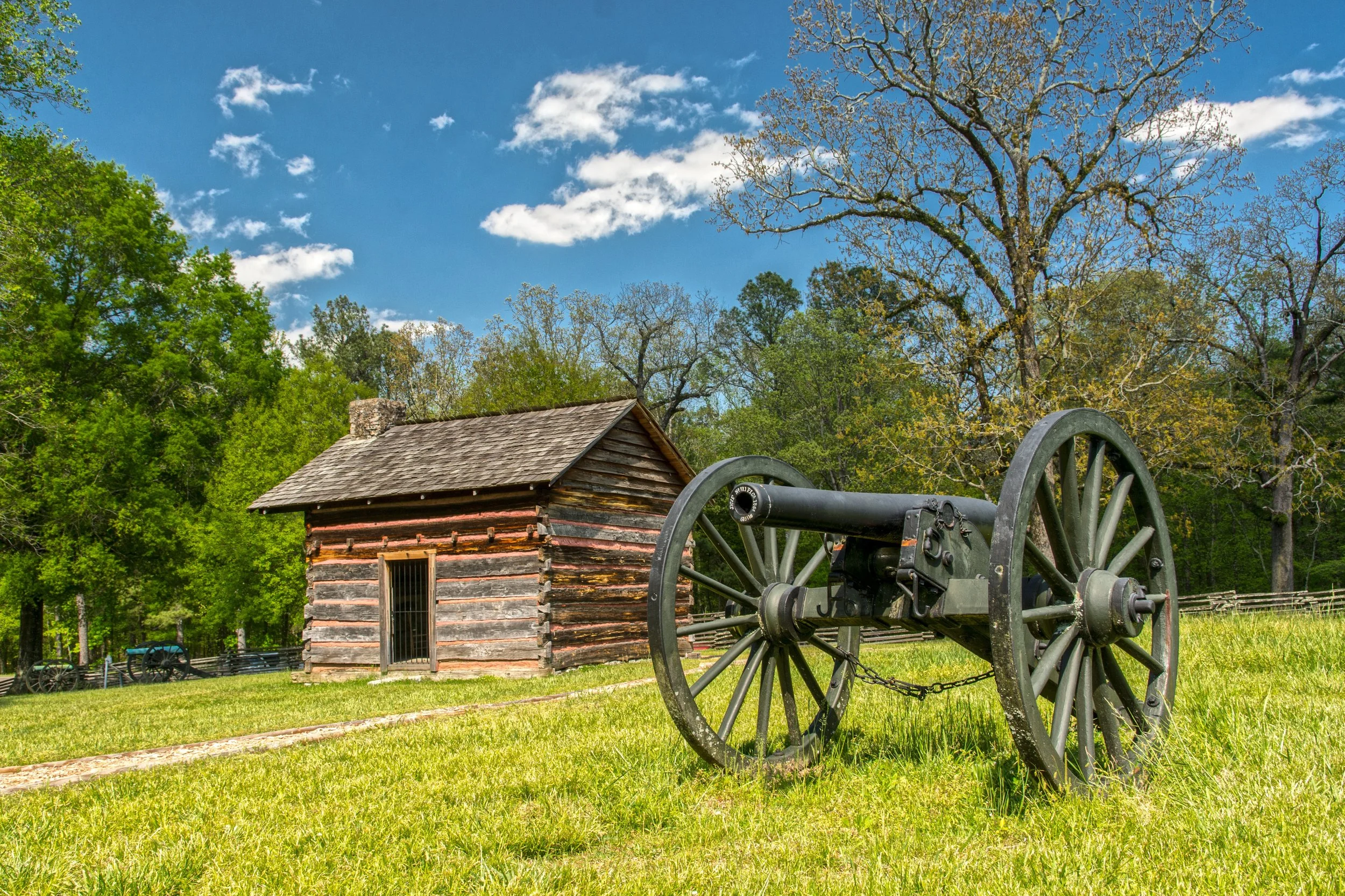
14. Snodgrass Hill and Bloody Pond Trails- Chickamauga Battlefield, GA
The Cherokee name Chickamauga is often translated as “River of Death,” a name that had already outlived its origin story by the time it became gruesomely literal in September 1863. The two-day battle fought here killed or wounded roughly 37,000 men —second in scale only to Gettysburg — and in the chaotic aftermath, Union dead were buried hastily in unmarked graves, some left exposed for weeks before burial parties could reach them.
Out of that carnage came Old Green Eyes, one of the South's most enduring legends: a creature — sometimes described as a headless soldier still hunting for his body, sometimes the story tells it as something older and non-human entirely — with long hair, ferocious jaws, and glowing green eyes, said to prowl Snodgrass Hill after dark. Survivors and burial-detail soldiers reportedly saw multiple shadowy figure moving along the fallen in the battle’s immediate aftermath, and the story found new life in the 1970s when park rangers and locals began reporting new sightings. Near Bloody Pond, where wounded soldiers from both sides reportedly crawled to drink and where the water is said to have run red, remains one of the park's most reliably unsettling stops — quiet, still, and exactly is calm as a place with that history has no right to be.
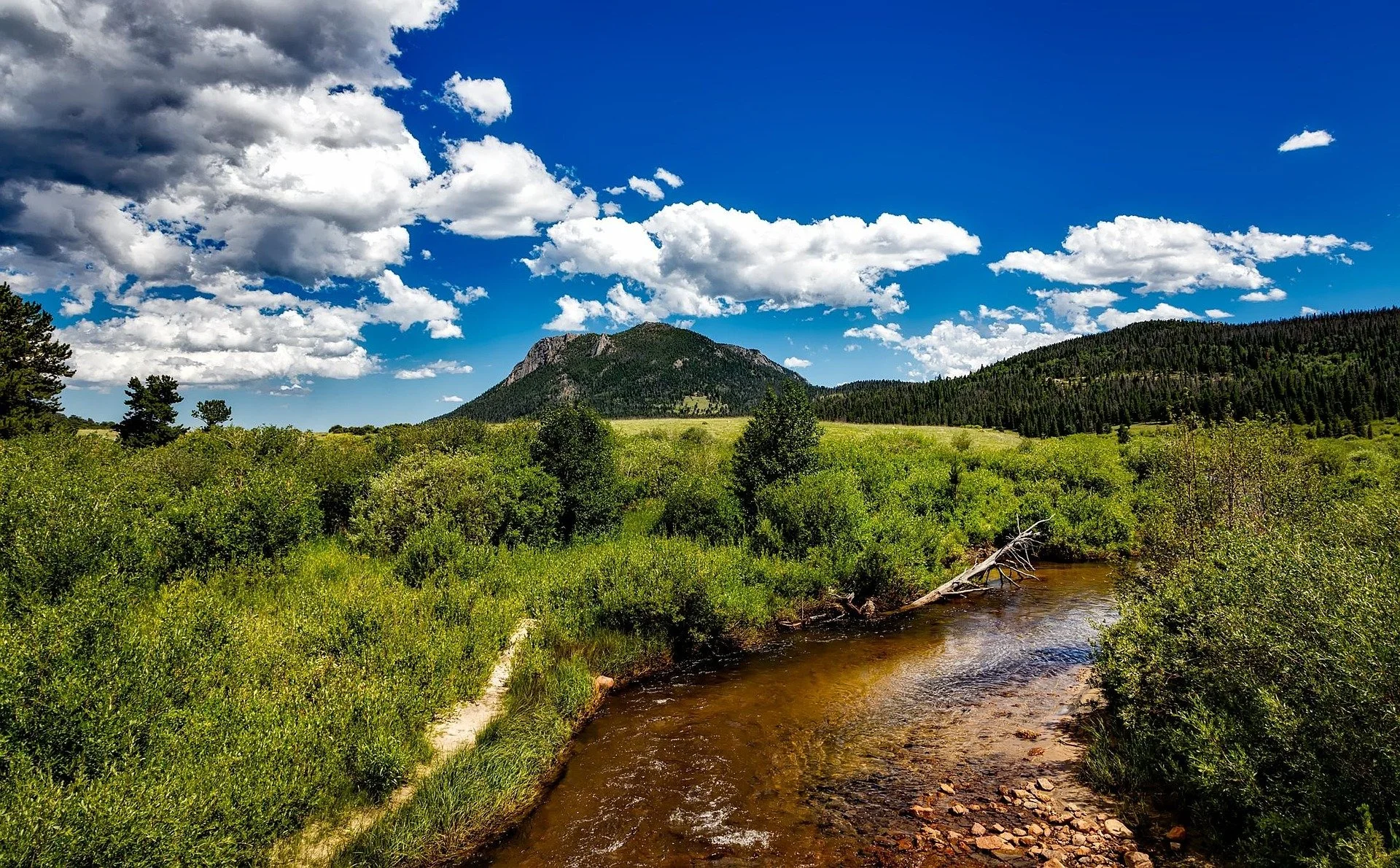
15. St. Elmo Ghost Town Trails-Chalk Creek Canyon, CO
Founded in 1880 as Forest City before being renamed St. Elmo, this Chalk Creek mining town boomed fast, drawing around 2,000 people by 1881 with the usual complement of dance halls, saloons, and boarding houses that came with a mostly male mining population chasing gold and silver. The good times ran on rails — literally, once the Denver, South Park, and Pacific railroad reach town — and died the same way, when train service through Chalk Creek canyon finally stopped in 1926. By the late 1950s the town was essentially empty, and is now considered one of Colorado's best preserved ghost towns.
Local's tell stories about one of Colorado's most active resident ghosts and attribute her as the reason for the town's reputation: Annabelle “Dirty Annie” Stark, who lived out her final decades in St. Elmo, after almost everyone else left. She is reportedly observed patrolling the empty streets at night where the shotgun slung over her shoulder just as she did in life. Visitors report seeing a shadowy figure matching her description moving between the weathered buildings after dark, and St. Elmo is regularly cited as having more reported paranormal activity than any other town in the state — which, for a place with the population that currently rounds to zero, is a genuinely impressive haunting-per-capita rate.
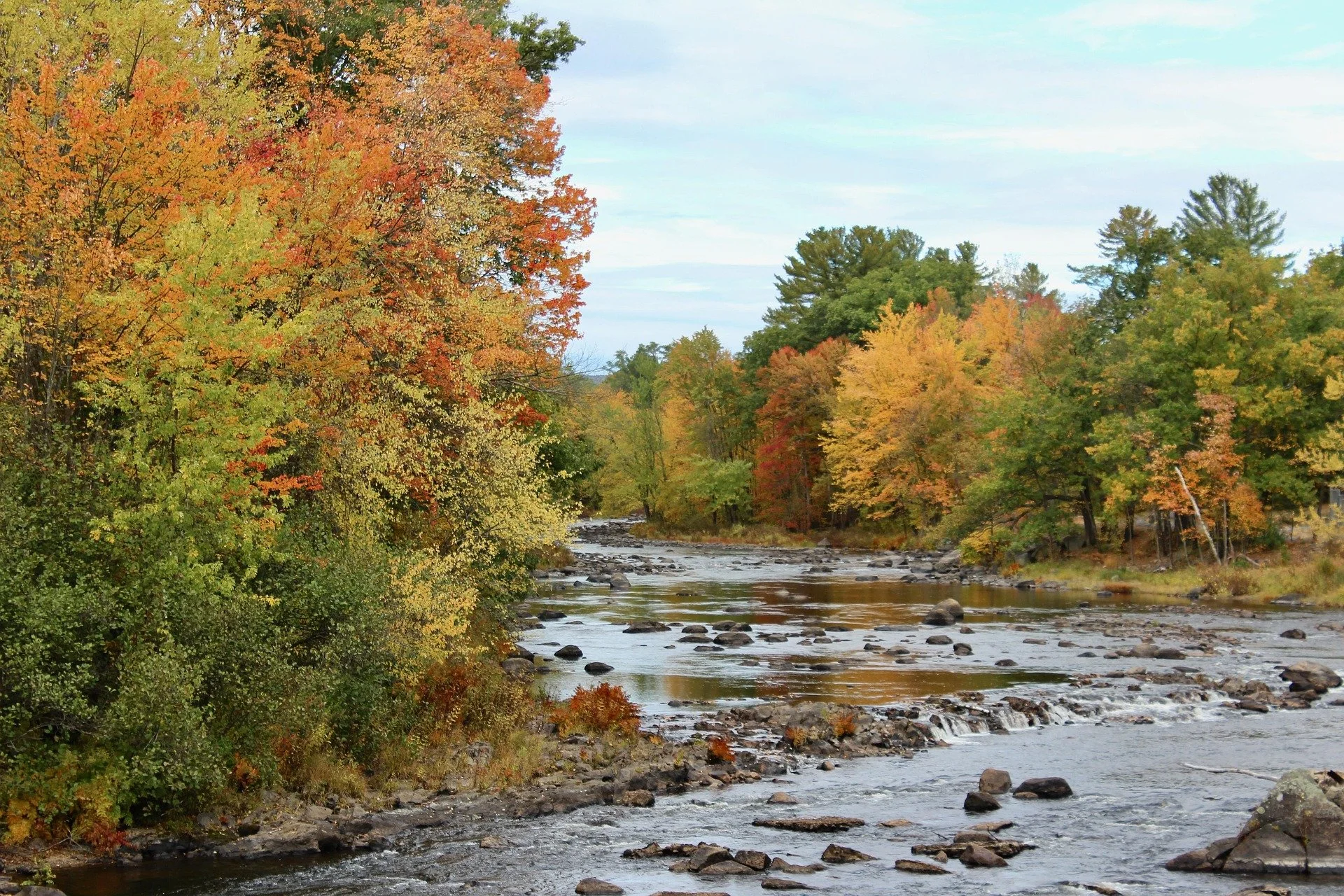
16. Crawford Path — Mount Washington, White Mountains, NH
Cut in 1819, Crawford Path is the oldest continuously maintained hiking trail in the United States, and it climbs a mountain that has yet to stop collecting bodies. Mount Washington's summit sits at the collision point of several storm tracks; it held the world record for highest wind gust ever observed by man for over 60 years, and more than 160 people have died here since record-keeping began. In September 1885, 23-year-old Lizzie Bourne became one of the mountain’s first documented deaths — caught near the summit overnight after her uncle declined to hire a guide. She died of exposure just a few hundred yards from the Summit House, close enough to shelter that her death has haunted the mountain's reputation for the loss of what should have been an easy final push.
A stone marker at the site where she died still draws hikers, some of whom report hearing faint whispers and disembodied cries near the memorial, or seeing a pale figure near the summit gesturing toward the top — as though still trying, more than a century and a half later, to finish the climb. Two more names have joined the mountain’s informal role of restless dead: William Curtis and Alan Ormsby, experienced climbers who died in a blizzard along the same path in 1900, and whose memorial plaque locals warn you should treat with quiet respect.
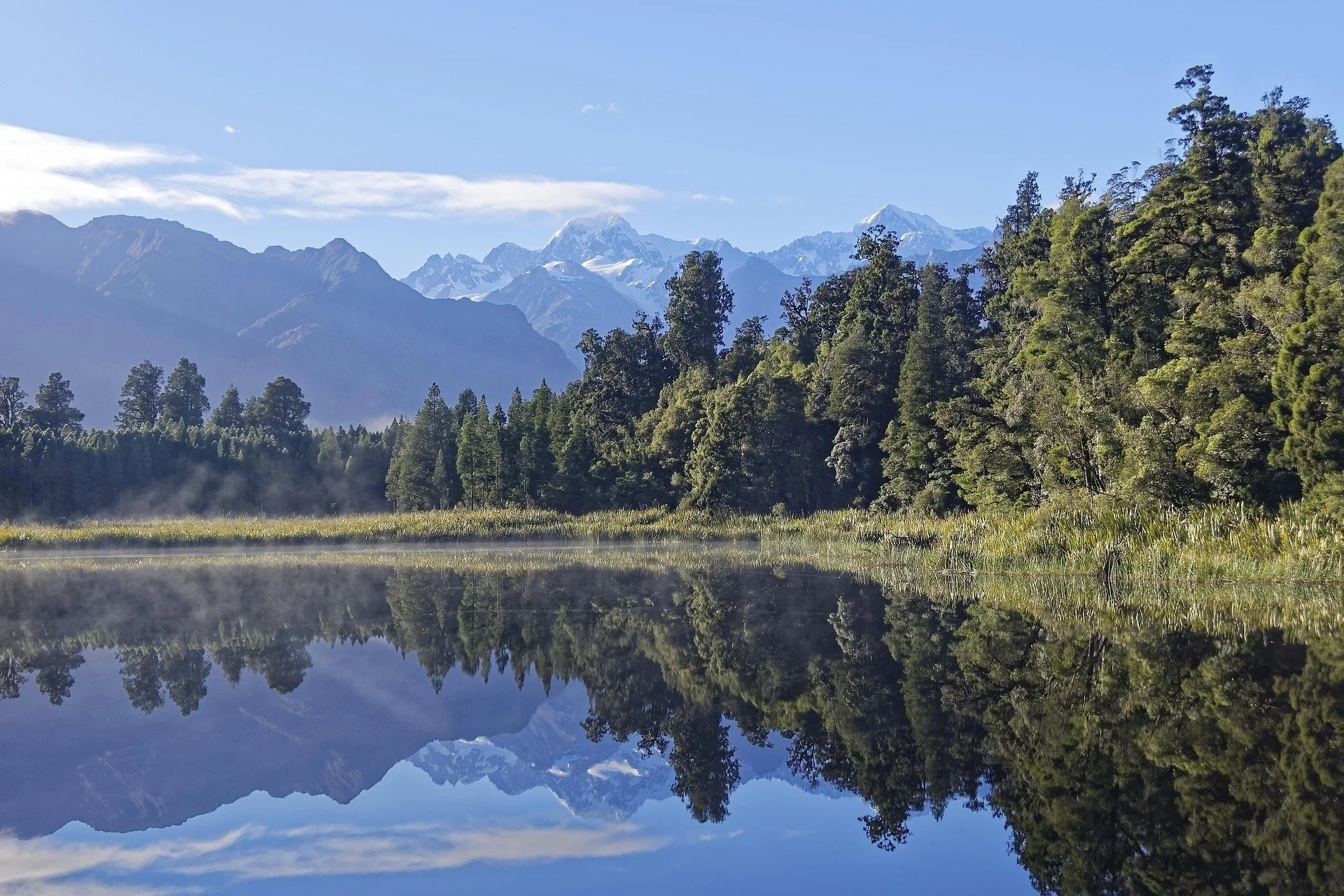
17. Panther Meadows Trail — Mount Shasta, CA
Mount Shasta has drawn spiritual seekers for well over a century, and the legend behind it has unusually specific origins. An 1884 channeled book by Frederick Spencer Oliver, followed by Guy Ballard’s 1930s account of meeting an Ascended Master” on the mountain’s slopes, together gave rise to the modern legend of the Lemurians — a supposedly ancient spiritually advanced civilization from a lost continent, said to have retreated into a hidden city called Trelos deep beneath the mountain after their homeland was destroyed. Later folklore has them occasionally walking among hikers on the surface, distinguishable, some claim, only by their unusual height and old-fashioned white robes.
Panther Meadows, the subalpine meadow at roughly 7,500 feet that the trail winds through, has long been treated by both Native tribes and modern visitors as one of the mountains most sacred stretches of ground. Hikers often describe a strange and unshakable feeling of being observed by something benevolent rather than threatening. Whatever you make of the Lemurian mythology layered on top of it, Shasta's genuinely strange reputation — as a magnet for UFO sightings, unexplained lights, and a disproportionate number of visitors who describe the mountain as somehow “alive” — long predates any specific legend, and the meadow remains ground zero for anyone chasing it.
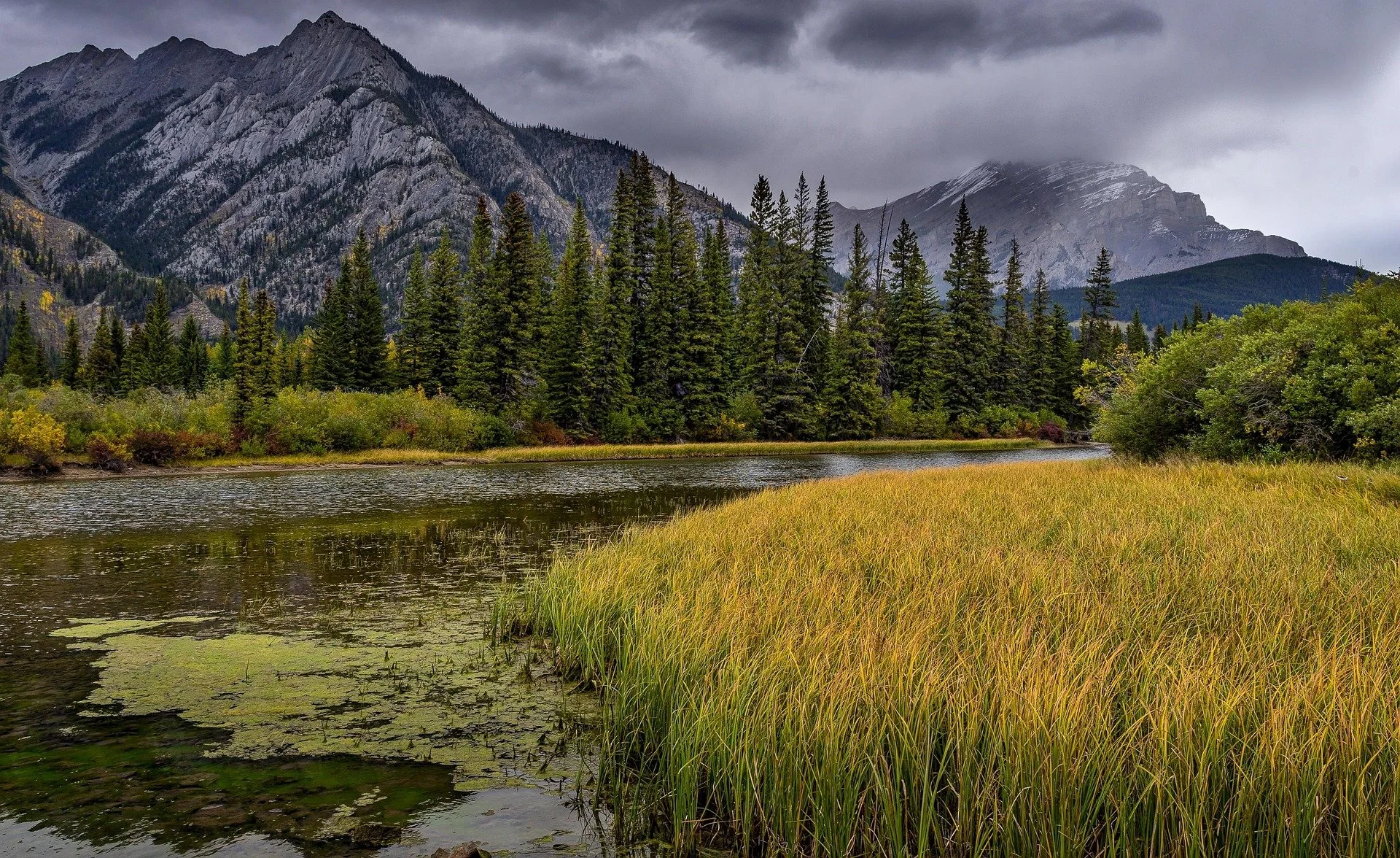
18. Devil's Kitchen Trail — Shawnee National Forest, IL
The stretch of Southern Illinois wilderness that early Native American groups and settlers alike named “Devil's Kitchen” earned its titled the old-fashioned way — through a long, history of strange lights, apparitions, and sounds with no obvious explanation. The name outlasted the reasons anyone first gave for it, and it's stuck to this pocket of Shawnee National Forest ever since.
The area's most famous modern chapter came in April 1973, when residents of nearby Enfield reported a series of encounters with what became known as the Enfield Horror — a roughly 4 and 1/2 ft. creature with three legs, two arms, and glowing pink eyes the size of flashlights, first seen attacking a local home. Homeowner Henry McDaniel fired on the thing at close range, it reportedly hissed like a wildcat, and covered 75 ft in three jumps before it vanished into the dark. Police documented six-toed tracks up to 4 inches across, a local radio director recorded its whaling cry, and then — as abruptly as it began — the sightings stopped, with no explanation offered before or since. Hikers on the Devil's Kitchen Lake Loop still talk about Enfield horror stories at the trailhead, and more than one has described strange calls from the tree line at dusk.
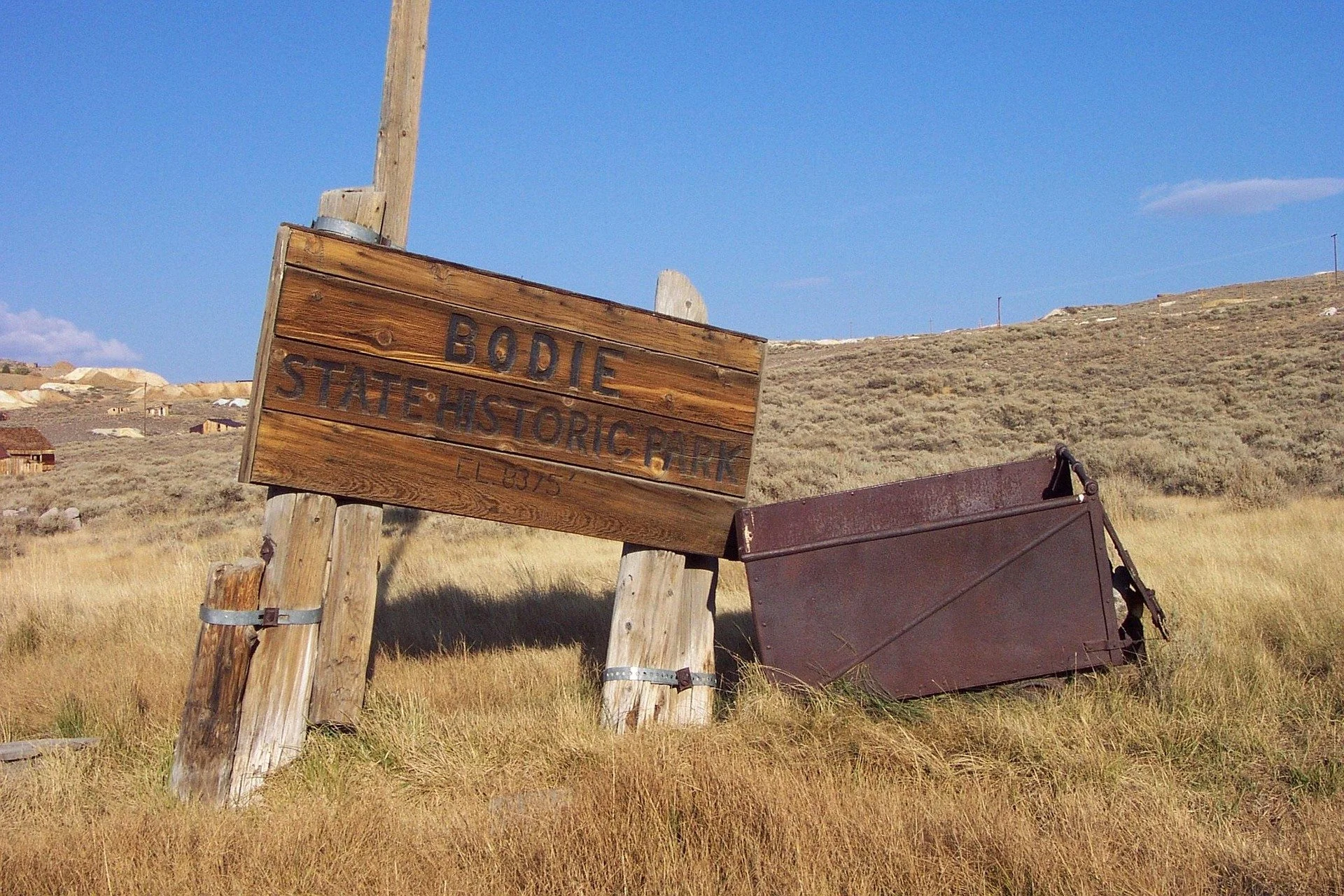
19. Bodie Ghost Town Trails — Bodie State Historic Park, CA
Named for prospector William S. Bodey, who found gold here in 1859, the town stayed a minor camp until 1877, when the Standard Mining Company struck a rich vein and set off a boom that grew the population to roughly 10,000 people within 2 years. At its peak, Bodie ran more than 30 mines alongside 65 saloons, brothels, and gambling halls, and earned a reputation for extreme lawlessness. Sadly the boom didn't last — profits declined through the 1880s, a 1932 fire destroyed 95% of the remaining buildings, and the last mine shut down after World War II, leaving the town fully abandoned by the late 1940s. California turned it into a state historic park in 1962, preserved deliberately in a state of arrested decay.
What Bodie is best known for now, beyond the eerie, frozen-in-time buildings, is its curse: park lore holds than anyone who removes an artifact — a nail, a piece of glass, a scrap of wallpaper — from the town will suffer a run of bad luck until the item is returned. Rangers keep a file of “conscience letters” that arrive with returned objects, some describing illness, injury, or a string of accidents the sender is certain to trace back to the souvenir sitting in a drawer at home.
20. La Llorona Trail — Las Cruces, NM
Few stories in North America travel as far or run as deep as La Llorona, the weeping woman, whose legend stretches back through Mexican and southwestern folklore for centuries. The story i, a woman named Maria drowned her own children in a fit of grief (or rage) after being spurned by their father, and upon their death was denied entry to the afterlife until she recovered them. She’s said to wander the riverbanks ever since, weeping and calling for her l children, and parents across the Southwest have used her as a cautionary boogie woman for generations of kids tempted to wonder too close to open water after dark.
Las Cruces built its own literal trail into that legend, running along the Rio Grande and its historic irrigation ditches — the same kind of waterway the story has always haunted. Locals and hikers report hearing a woman's wailing cry at dusk, particularly near the older ditch crossings, and a cold, damp presence along certain stretches of the bank that has nothing to do with the river breeze. Whether or not you believe a specific weeping ghost walks this stretch of river, the legend has done exactly what it was built to do for a few hundred years running: keep people a healthy, respectful distance from the water's edge once the sun goes down.
****************
If you are looking to combine scenic nature with spine-chilling history, the United States is full of hiking trails that offer far more than just pretty overlooks. From Civil War battlefields to cursed forests and tragic mountain passes, these trails are famous for their dark histories, local legends, and active paranormal reports.
Make this beautiful day count!
Annette